


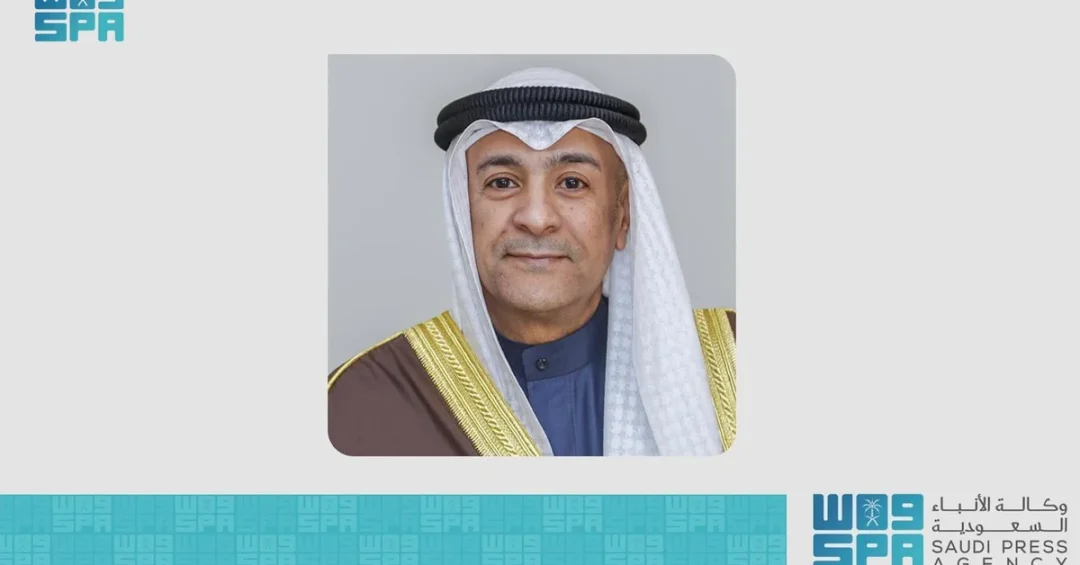
The allocation of a dedicated Gulf dialogue session at the Asian Financial Forum 2025 in Hong Kong underscores the growing economic weight of the Gulf Cooperation Council countries on the regional and international stage, according to Jasem Albudaiwi, Secretary-General of the Gulf Cooperation Council. The statement came during Albudaiwi’s address at the Gulf dialogue session held in Hong Kong as part of the Asian Financial Forum 2025, as reported by the Saudi Press Agency (SPA) and the GCC General Secretariat. The session brought together thought leaders, policymakers, and financial decision-makers from across Asia and the Middle East to explore avenues for deeper cooperation between the GCC and Hong Kong.
The forum, a flagship event on Asia’s financial calendar, provided a platform for the GCC to present its economic achievements and outline opportunities for collaboration in finance, trade, investment, and technology. Albudaiwi emphasized that the inclusion of a Gulf-specific session reflects the international community’s recognition of the GCC’s economic significance. With a combined gross domestic product of approximately US$2.1 trillion in 2023 and sovereign financial assets totaling around US$3.2 trillion, the GCC represents a formidable economic bloc whose influence extends far beyond the Middle East. The dialogue session, therefore, served not only as a showcase of these achievements but also as a bridge-building exercise with one of the world’s leading financial centers.
Context and Background
Why has the Gulf Cooperation Council become such a pivotal player in global economic discussions? The answer lies in decades of strategic investment, energy leadership, and a concerted push toward economic diversification. The GCC, comprising Saudi Arabia, the United Arab Emirates, Kuwait, Qatar, Bahrain, and Oman, has long been a cornerstone of global energy markets. According to Albudaiwi, the GCC countries hold the top global ranking in crude oil reserves and production, and also lead in natural gas reserves while ranking third globally in natural gas production. These resources have provided the foundation for substantial sovereign wealth accumulation and infrastructure development.
However, the GCC’s economic narrative has evolved well beyond hydrocarbons. The region has increasingly focused on financial services, technology, tourism, and manufacturing, driven by ambitious national visions such as Saudi Arabia’s Vision 2030. The Asian Financial Forum, held annually in Hong Kong, is an ideal venue for the GCC to communicate this transformation to an Asian audience eager for new partnerships. Hong Kong’s role as a global financial hub, combined with its historical and economic ties to the Gulf, makes it a natural partner for the GCC’s next phase of growth. The dialogue session thus built on longstanding relationships while opening new doors for collaboration.
The timing of the session is significant. As global markets seek stability and new growth engines, the GCC’s economic resilience and strategic location between East and West position it as a reliable partner. Albudaiwi’s remarks highlighted that the GCC’s balanced policies have contributed to the stability of energy markets by providing secure and stable oil and gas supplies to global markets. This reliability, in turn, underpins the GCC’s attractiveness as an investment destination and a partner in addressing global challenges such as energy transition and sustainable development.
Key Details
What specific economic indicators did Albudaiwi present to illustrate the GCC’s standing? In his speech, the Secretary-General provided a comprehensive overview of the GCC’s financial strength. He noted that the GDP per capita is approximately US$36,700, reflecting a high standard of living and robust consumer markets. Foreign reserves of the GCC countries reached nearly US$748 billion at the end of 2023, achieving the fifth position globally. The market capitalization of Gulf financial markets in 2023 was approximately US$4.4 trillion, while the total assets of commercial banks operating in the GCC amounted to about US$3.2 trillion by the end of 2022. “These figures reflect the economic strength of the GCC countries,” Albudaiwi said, underscoring the region’s financial depth and stability.
Beyond statistics, Albudaiwi outlined several joint Gulf projects that exemplify regional integration and offer partnership opportunities. Notable among them is the 2,100-kilometer GCC railway project, which aims to connect the six member states by rail, facilitating trade and mobility. Another is the GCC electricity interconnection project, which links national power grids to enhance energy security and efficiency. He also mentioned the signing of an agreement to sell electricity to Iraq and plans to expand interconnection and electricity trade with numerous regional and international countries. These projects, he stressed, offer promising opportunities for the business and finance sectors to develop and invest, particularly in localizing industries related to their construction, operation, and maintenance.
Furthermore, Albudaiwi highlighted the launch of the Gulf Payments Company, which enables swift, instant, low-cost financial transfers in local GCC currencies and other currencies within a secure and stable environment. This initiative is part of broader efforts to modernize the GCC’s financial infrastructure and promote regional financial integration. He stated that these and other projects form a strong foundation for enhancing cooperation between the GCC countries and Hong Kong in the future. The dialogue session, he added, will provide a unique opportunity for productive discussions and strategic insights to strengthen ties between the GCC countries and Hong Kong.
International and Regional Impact
How does the GCC’s economic ascent reshape its relationships with key global players? The Gulf dialogue session at the Asian Financial Forum signals a deepening engagement between the GCC and Asia, particularly Hong Kong. Albudaiwi emphasized that the GCC’s significant economic potential creates numerous opportunities for cooperation with Hong Kong, a leading Asian financial center. “This collaboration reflects a shared vision to promote innovation and sustainability in financial and economic activities, as well as to develop trade, investment, fintech, education, and other vital sectors forming the basis of the future knowledge-based economy,” he said. This vision aligns with the GCC’s broader strategy of diversifying partnerships beyond traditional Western markets and tapping into Asia’s dynamic growth.
Regionally, the GCC’s projects such as the railway and electricity interconnections reinforce its role as a stabilizing and integrating force in the Middle East. The agreement to sell electricity to Iraq, for instance, demonstrates the GCC’s capacity to support post-conflict reconstruction and economic development in neighboring countries. By expanding electricity trade, the GCC contributes to regional stability and economic interdependence. On the international stage, the GCC’s leadership in energy markets and its growing financial clout give it a influential voice in global economic governance. The dialogue session in Hong Kong is a testament to this rising profile, as it places the GCC alongside major Asian economies in discussions about the future of finance and trade.
Economic and Strategic Significance
What makes the GCC’s economic model so resilient in a volatile global environment? The figures cited by Albudaiwi paint a picture of a region that has successfully leveraged its resource wealth to build diversified, knowledge-based economies. The sovereign financial assets of US$3.2 trillion, accounting for 33% of total sovereign assets worldwide, provide a massive cushion against external shocks and a source of capital for strategic investments. The banking sector’s total assets of US$3.2 trillion indicate a well-capitalized financial system capable of supporting both domestic growth and international expansion. The market capitalization of Gulf financial markets at US$4.4 trillion further underscores the depth and liquidity of the region’s capital markets.
Strategically, the GCC’s focus on innovation and sustainability is positioning it as a leader in the global energy transition. While the region remains a top producer of hydrocarbons, it is also investing heavily in renewable energy, smart cities, and fintech. The Gulf Payments Company, for example, is a step toward a more integrated and efficient financial ecosystem. The GCC railway and electricity interconnection projects are not just infrastructure endeavors; they are catalysts for economic diversification and private sector growth. For Hong Kong and other Asian partners, these initiatives offer opportunities to participate in large-scale projects, share expertise, and access new markets. The mutual benefits are clear: the GCC gains from Asia’s technological prowess and capital, while Asia gains from the GCC’s resources, strategic location, and growing consumer base.
Vision 2030 Alignment
How does Saudi Arabia’s Vision 2030 intersect with the GCC’s collective economic ambitions? As the largest economy in the GCC, Saudi Arabia plays a central role in shaping the region’s economic trajectory. Vision 2030, the Kingdom’s comprehensive reform plan, aims to diversify the economy away from oil, develop public service sectors, and enhance the quality of life for citizens. Many of the GCC-wide initiatives discussed by Albudaiwi, such as the railway project and the push for fintech innovation, complement Saudi Arabia’s own goals. The Kingdom’s investments in NEOM, the Red Sea Project, and other giga-projects are part of a broader regional effort to attract foreign investment and create knowledge-based industries.
Albudaiwi’s emphasis on cooperation with Hong Kong in fintech, education, and trade resonates with Vision 2030’s objectives of expanding non-oil exports and fostering international partnerships. The GCC’s economic strength, as highlighted in the forum, provides a solid foundation for Saudi Arabia to achieve its targets. Moreover, the Kingdom’s leadership in energy markets and its commitment to stability align with the GCC’s collective stance. As the GCC continues to elevate its global standing, Saudi Arabia’s Vision 2030 serves as a blueprint for sustainable growth and modernization. The dialogue session in Hong Kong, therefore, is not just a moment of recognition but a stepping stone toward a future where the GCC and its partners in Asia collaborate to shape a prosperous and interconnected global economy.
20 Questions
Q1. What event did GCC Secretary-General Jasem Albudaiwi address in Hong Kong?
A1. He addressed the Gulf dialogue session at the Asian Financial Forum 2025 in Hong Kong, where he highlighted the GCC’s economic standing and opportunities for cooperation with Hong Kong.
Q2. What was the primary purpose of the Gulf dialogue session?
A2. The session aimed to showcase the GCC’s economic achievements and explore ways to enhance cooperation with Hong Kong in finance, trade, investment, and other vital sectors.
Q3. What is the combined GDP of the GCC countries as stated by Albudaiwi?
A3. The combined GDP of the GCC countries reached approximately US$2.1 trillion in 2023, reflecting the region’s significant economic weight.
Q4. How much are the total sovereign financial assets of the GCC countries?
A4. The total sovereign financial assets amount to around US$3.2 trillion, accounting for 33% of the total sovereign assets worldwide.
Q5. What is the GDP per capita in the GCC countries?
A5. The GDP per capita is approximately US$36,700, indicating a high standard of living and strong consumer markets across the region.
Q6. What was the value of foreign reserves for the GCC at the end of 2023?
A6. The foreign reserves reached nearly US$748 billion, achieving the fifth position globally, which demonstrates financial stability.
Q7. What was the market capitalization of Gulf financial markets in 2023?
A7. The market capitalization was approximately US$4.4 trillion, underscoring the depth and liquidity of the region’s capital markets.
Q8. What was the total assets of commercial banks in the GCC by the end of 2022?
A8. The total assets of commercial banks operating in the GCC amounted to about US$3.2 trillion, reflecting a well-capitalized banking sector.
Q9. How does the GCC rank globally in crude oil reserves and production?
A9. The GCC countries hold the top global ranking in crude oil reserves and production, and also lead in natural gas reserves while ranking third in natural gas production.
Q10. What role do GCC policies play in global energy markets?
A10. The GCC’s balanced policies have contributed to the stability of energy markets by providing secure and stable oil and gas supplies to global markets.
Q11. What major joint Gulf project did Albudaiwi mention?
A11. He mentioned the 2,100-kilometer GCC railway project, which aims to connect member states and offers significant investment opportunities in construction and operation.
Q12. What is the GCC electricity interconnection project?
A12. It is a project linking national power grids to enhance energy security and efficiency, with plans to expand electricity trade with countries like Iraq.
Q13. What is the Gulf Payments Company?
A13. It is an initiative enabling swift, instant, low-cost financial transfers in local GCC currencies and other currencies within a secure and stable environment.
Q14. How can Hong Kong benefit from cooperation with the GCC?
A14. Hong Kong can access the GCC’s growing markets, investment opportunities, and strategic projects, while sharing its financial expertise and technology.
Q15. What sectors did Albudaiwi identify for future cooperation?
A15. He identified trade, investment, fintech, education, and other vital sectors forming the basis of a future knowledge-based economy.
Q16. How does the GCC’s economic strength benefit regional stability?
A16. The GCC’s economic strength supports regional stability through infrastructure projects, energy supplies, and financial support to neighboring countries like Iraq.
Q17. What is the significance of the Asian Financial Forum for the GCC?
A17. It provides a platform to showcase the GCC’s economic achievements and build strategic partnerships with Asian financial centers like Hong Kong.
Q18. How does the GCC’s economic diversification align with Saudi Vision 2030?
A18. The GCC’s push into fintech, renewable energy, and infrastructure complements Vision 2030’s goals of reducing oil dependence and fostering knowledge-based industries.
Q19. What did Albudaiwi say about the GCC’s sovereign assets globally?
A19. He said GCC sovereign financial assets account for 33% of total sovereign assets worldwide, reflecting the region’s substantial financial influence.
Q20. What future steps does the GCC envision with Hong Kong?
A20. The GCC aims to strengthen ties through productive discussions, strategic insights, and collaborative projects that serve mutual interests and promote sustainable growth.
Reader Feedback
We value your thoughts. Please share your feedback on this article.
Your feedback helps us improve our coverage.
Related articles
 Saudi-Finnish Economic Talks Strengthen Vision 2030 Ties
 Saudi Arabia Signs Mining Deals with Six Nations at Forum
 Saudi Inflation Hits 1.9% in December, Lowest Among G20
 Saudi Date Production Nears 2 Million Tons in 2023
 SAMA and Google Sign Agreement to Launch Google Pay in Saudi Arabia
 Saudi Liquidity Surges by SAR275 Billion in November 2024