


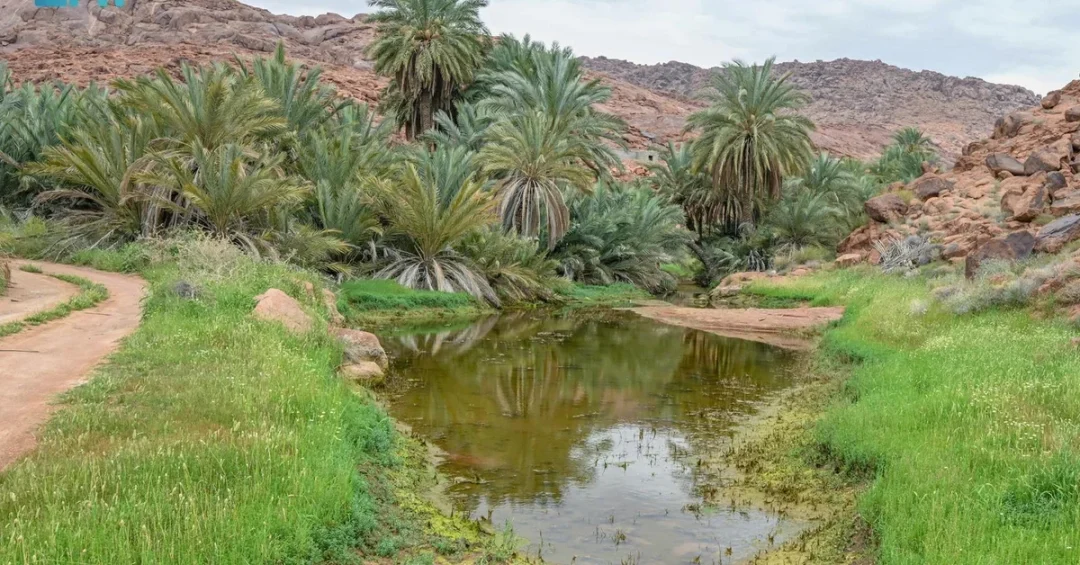
The Aja and Salma Mountains in the Hail region of Saudi Arabia are emerging as a premier destination for hikers, campers, and nature enthusiasts, offering a unique blend of rugged terrain, seasonal greenery, and panoramic vistas that reflect the Kingdom’s rich environmental diversity. According to the Saudi Press Agency (SPA), these iconic mountain ranges—adorned with herbs, wildflowers, and verdant oases formed by rainwater—create a harmonious environment that captivates visitors from the region and beyond. The mountains stand as a vital part of Hail’s natural identity and represent a key advantage for the region’s growing outdoor tourism sector.
For international travelers seeking authentic natural experiences in Saudi Arabia, the Aja and Salma Mountains offer an unspoiled alternative to traditional desert landscapes. Their valleys, plains, and peaks provide a cool retreat during warmer months and a vibrant green spectacle after seasonal rains. As the Kingdom continues to diversify its tourism offerings under Vision 2030, these mountains exemplify how Saudi Arabia’s natural heritage is being opened to the world in a sustainable and respectful manner. Have you ever imagined hiking through ancient mountain trails that blend history, adventure, and breathtaking scenery?
Context and Background
What makes the Aja and Salma Mountains so significant within Saudi Arabia’s natural landscape? Located in the Hail region, these two parallel ranges have long been celebrated for their geological and ecological importance. The Aja range, with its reddish granite peaks, and the Salma range, known for its darker basaltic formations, together create a dramatic backdrop that has inspired poets and travelers for centuries. The Saudi Press Agency reports that the mountains are among Hail’s most significant natural landmarks, highlighting the region’s environmental diversity and breathtaking landscapes.
Historically, these mountains served as natural barriers and shelters for caravans crossing the Arabian Peninsula. Today, they are recognized as a key environmental asset, with their valleys and slopes supporting a surprising variety of plant life, including medicinal herbs and seasonal wildflowers. The region’s transformation into a hub for outdoor recreation aligns with broader national efforts to promote domestic and international tourism. The Saudi government, through the Ministry of Tourism and the Saudi Tourism Authority, has been actively developing infrastructure to make such natural sites more accessible while preserving their ecological integrity.
Moreover, the mountains’ proximity to the city of Hail—a major cultural and agricultural center—makes them easily reachable for both local residents and international visitors. The area’s growing popularity is not accidental; it reflects a strategic push to showcase the Kingdom’s diverse geography, from the Red Sea coast to the northern mountains. As more travelers discover these hidden gems, the Aja and Salma Mountains are poised to become a signature destination for eco-tourism in Saudi Arabia.
Key Details
What specific experiences await hikers and tourists in the Aja and Salma Mountains? According to SPA, the mountains have become a prime destination for outdoor activities including mountaineering, camping, and hiking. Visitors can explore scenic trails that wind through valleys and along ridges, offering panoramic views of the city of Hail and its surroundings. The unspoiled natural setting provides a rare opportunity to disconnect from urban life and immerse oneself in nature.
Throughout the year, the region hosts an abundance of camps and field trips, welcoming nature lovers from across the Kingdom, the Gulf states, and abroad. The valleys and sand dunes surrounding the mountains—now covered in green after seasonal rains—create a striking contrast with the typically arid Arabian landscape. This seasonal transformation is a major draw for photographers, nature bloggers, and adventure seekers. The Saudi Press Agency notes that the area’s fresh air and breathtaking scenery make it ideal for family outings, solo hikes, and group expeditions.
For those planning a visit, the mountains offer varying levels of difficulty, from gentle walks for beginners to challenging climbs for experienced mountaineers. Local guides and tour operators are increasingly available, providing insights into the region’s flora, fauna, and cultural history. The presence of these services reflects the Kingdom’s commitment to developing a sustainable tourism ecosystem that benefits local communities while preserving natural treasures. Have you considered adding a mountain hike in Saudi Arabia to your travel bucket list?
International and Regional Impact
How does the growing popularity of the Aja and Salma Mountains resonate beyond Saudi Arabia’s borders? The influx of visitors from Gulf Cooperation Council (GCC) countries and further afield signals a shift in regional travel patterns. As Saudi Arabia opens up to international tourism with streamlined visa processes and improved infrastructure, natural attractions like these mountains are becoming key drivers of cross-border tourism. The SPA report highlights that visitors from the Gulf states and abroad are increasingly drawn to Hail’s unique environment.
This trend has broader implications for regional cooperation and cultural exchange. Tourists from neighboring countries bring diverse perspectives and contribute to the local economy through spending on accommodation, food, and guided tours. In turn, Saudi Arabia’s hospitality sector is expanding to meet international standards, with new hotels, resorts, and eco-lodges planned or under construction in the Hail region. The mountains also serve as a platform for promoting environmental awareness and sustainable practices, aligning with global trends in responsible travel.
Furthermore, the international media’s growing interest in Saudi Arabia’s natural wonders helps counter outdated perceptions of the Kingdom as solely a desert destination. By showcasing the green oases and vibrant wildflowers of Aja and Salma, Saudi Arabia demonstrates its commitment to preserving its environment and sharing its beauty with the world. This soft power dimension is an integral part of Vision 2030’s goal to position the Kingdom as a top global tourist destination.
Economic and Strategic Significance
What economic benefits do the Aja and Salma Mountains bring to the Hail region and Saudi Arabia as a whole? The development of outdoor tourism in the area creates jobs in hospitality, transportation, retail, and guiding services. Local communities benefit from increased visitor spending, which supports small businesses and entrepreneurs. The Saudi Press Agency’s coverage underscores that the mountains are a key advantage for the region, driving economic diversification away from oil dependency.
Strategically, the focus on natural attractions like these mountains complements other major tourism projects across the Kingdom, such as NEOM, the Red Sea Project, and AlUla. While those destinations offer luxury and heritage experiences, the Aja and Salma Mountains provide a more rugged, adventure-oriented option that appeals to a different demographic. This diversification ensures that Saudi Arabia can attract a wide range of travelers, from luxury seekers to backpackers and nature lovers.
In addition, the mountains’ appeal extends to domestic tourism, encouraging Saudi citizens and residents to explore their own country. This internal travel strengthens national pride and supports the Vision 2030 objective of increasing household spending on domestic tourism. As infrastructure improves—including roads, signage, and visitor centers—the region is expected to see a steady rise in visitor numbers, further boosting the local economy. Isn’t it remarkable how a natural landmark can catalyze such wide-ranging economic activity?
Vision 2030 Alignment
How do the Aja and Salma Mountains contribute to Saudi Arabia’s Vision 2030 goals? Vision 2030 aims to diversify the economy, enhance quality of life, and position the Kingdom as a global tourism hub. The mountains directly support these objectives by offering a unique eco-tourism product that attracts international visitors and encourages domestic exploration. The Saudi Press Agency’s report reflects the government’s commitment to promoting the Kingdom’s natural heritage as part of this transformative agenda.
Moreover, the development of the area aligns with the National Tourism Strategy, which targets 100 million annual visits by 2030. By investing in accessible trails, camping facilities, and visitor services, Saudi Arabia is making its natural wonders available to a global audience while ensuring environmental sustainability. The Aja and Salma Mountains stand as a testament to the Kingdom’s rich environmental diversity and its determination to share this bounty with the world. As Vision 2030 progresses, such destinations will play an increasingly vital role in shaping Saudi Arabia’s image as a welcoming, modern, and nature-loving nation.
20 Questions
Q1. Where are the Aja and Salma Mountains located?
A1. The Aja and Salma Mountains are located in the Hail region of northern Saudi Arabia. They are two parallel ranges that form a prominent natural landmark in the area, known for their rugged terrain and scenic beauty.
Q2. What makes these mountains unique for hikers?
A2. The mountains offer a unique blend of rugged peaks, verdant valleys, and seasonal greenery that appears after rainfall. Hikers can enjoy diverse trails, panoramic views, and an unspoiled natural environment that is rare in the region.
Q3. What activities can visitors enjoy in the Aja and Salma Mountains?
A3. Visitors can engage in mountaineering, camping, hiking, and nature walks. The area also hosts field trips and camps, providing opportunities for photography, birdwatching, and experiencing the region’s flora and fauna.
Q4. When is the best time to visit the mountains?
A4. The mountains are accessible year-round, but the best time to see the green oases and wildflowers is after seasonal rains, typically in spring. The weather is also milder during these months, making hiking more comfortable.
Q5. Are there guided tours available?
A5. Yes, local guides and tour operators offer guided hikes and camping trips. These services provide valuable insights into the region’s ecology, history, and culture, ensuring a safe and enriching experience for visitors.
Q6. How do the mountains support Saudi Arabia’s Vision 2030?
A6. They contribute to Vision 2030 by promoting eco-tourism, diversifying the economy, and enhancing the Kingdom’s appeal as a global destination. They also encourage domestic tourism and create jobs in the hospitality sector.
Q7. What kind of plant life can be found in the mountains?
A7. The mountains are home to a variety of herbs, wildflowers, and shrubs that thrive in the valleys and slopes. After rain, the landscape transforms with vibrant greenery, attracting nature enthusiasts and photographers.
Q8. Are the mountains suitable for beginners?
A8. Yes, there are trails of varying difficulty, from easy walks to challenging climbs. Beginners can enjoy gentle paths with scenic views, while experienced hikers can tackle more demanding routes.
Q9. How does the local community benefit from tourism?
A9. Local communities benefit through job creation in guiding, hospitality, and retail. Increased visitor spending supports small businesses and encourages the development of infrastructure, improving the quality of life for residents.
Q10. What is the significance of the mountains in Saudi culture?
A10. The Aja and Salma Mountains have inspired poets and travelers for centuries. They are a symbol of the region’s natural heritage and are celebrated for their beauty and ecological importance in Saudi culture.
Q11. Can visitors camp overnight in the mountains?
A11. Yes, camping is a popular activity. There are designated campsites and open areas where visitors can set up tents. It is advisable to follow local guidelines to preserve the environment and ensure safety.
Q12. Are there any entry fees or permits required?
A12. Currently, there are no entry fees for accessing the mountains. However, visitors should check with local authorities for any updated regulations, especially for organized camps or large groups.
Q13. What wildlife can be spotted in the area?
A13. The region is home to various bird species, reptiles, and small mammals. The seasonal greenery attracts migratory birds, making it a rewarding spot for birdwatchers and nature observers.
Q14. How accessible are the mountains from Hail city?
A14. The mountains are easily accessible from Hail city via well-maintained roads. The drive takes approximately 30 to 60 minutes, depending on the specific trail or campsite you plan to visit.
Q15. What should visitors bring for a hike?
A15. Visitors should bring comfortable hiking shoes, plenty of water, sun protection, and a camera. It is also wise to carry a map, snacks, and a first-aid kit, especially for longer trails.
Q16. Are there any safety precautions to consider?
A16. Yes, hikers should be aware of rugged terrain and changing weather. It is best to hike in groups, inform someone of your plans, and avoid areas that are off-limits. Local guides can provide expert advice.
Q17. How does the government promote tourism in the region?
A17. The Saudi government, through the Ministry of Tourism and Saudi Tourism Authority, promotes the region via marketing campaigns, infrastructure development, and international outreach, highlighting its natural and cultural attractions.
Q18. What impact has tourism had on the environment?
A18. Tourism has raised awareness about conservation. Authorities enforce regulations to protect the environment, and sustainable practices are encouraged to ensure that the mountains remain pristine for future generations.
Q19. Are there any cultural events held in the mountains?
A19. Occasionally, cultural and recreational events are organized in the area, such as heritage festivals and outdoor exhibitions. These events celebrate local traditions and attract visitors from across the Kingdom.
Q20. Why should international tourists visit the Aja and Salma Mountains?
A20. International tourists should visit to experience Saudi Arabia’s stunning natural diversity, enjoy adventure activities, and witness the Kingdom’s commitment to sustainable tourism. It is a unique destination that combines beauty, culture, and hospitality.
Reader Feedback
We value your thoughts. Please share your feedback on this article.
Your feedback helps us improve our coverage.
Related articles
 Play Qiddiya City Joins WTTC as Destination Partner
 Jacaranda Blossoms Herald Spring in Aseer Region
 Prophet’s Mosque Distributes Over 7.3 Million Iftar Meals
 Ummahat Island: Luxury Red Sea Retreat Wins Global Award
 Al-Khobar’s City Hub Draws Thousands of Entertainment Seekers
 Global Champions Arabians Tour Kicks Off in Riyadh Today