


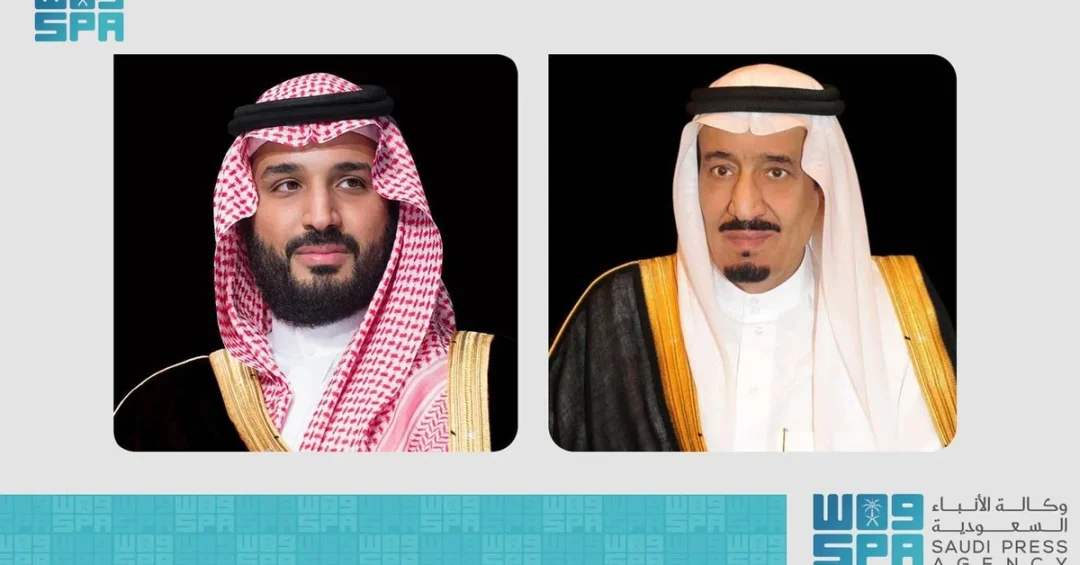
Qatar’s Amir, Sheikh Tamim bin Hamad Al Thani, sent formal congratulatory cables to Custodian of the Two Holy Mosques King Salman bin Abdulaziz Al Saud and His Royal Highness Prince Mohammed bin Salman bin Abdulaziz Al Saud, Crown Prince and Prime Minister, celebrating Saudi Arabia’s successful bid to host the 2034 FIFA World Cup, the Saudi Press Agency reported from Doha on December 12, 2024. The messages, confirmed through official Saudi channels, mark a significant moment of Gulf solidarity and reflect the broader regional confidence in the Kingdom’s capacity to stage the world’s most-watched sporting event. Deputy Amir Sheikh Abdullah bin Hamad Al Thani and Qatari Prime Minister and Minister of Foreign Affairs Sheikh Mohammed bin Abdulrahman bin Jassim Al Thani dispatched similar cables, underscoring the breadth of Qatari official support for the Kingdom’s historic achievement. The coordinated messages from Doha arrived just hours after FIFA’s confirmation, signaling the depth of fraternal ties between the two neighboring Gulf states.
The congratulatory cables represent more than diplomatic courtesy; they reflect a shared Gulf vision in which major international events serve as catalysts for regional development, infrastructure modernization, and global engagement. Saudi Arabia’s successful bid to host the 2034 World Cup is the first time the tournament will be staged in a single-country format under FIFA’s expanded 48-team structure, a format that demands extensive stadium, transport, and hospitality investment. Qatar’s own experience hosting the 2022 World Cup provides a valuable reference point, and the exchange of congratulations highlights a spirit of cooperation rather than competition. For international observers, the messages from Qatar’s highest leadership signal that the Gulf region is increasingly aligned around shared economic and cultural ambitions.
Context and Background
How did Saudi Arabia arrive at this historic milestone, and why does the world’s attention now turn to the Kingdom? The 2034 World Cup bid was formally confirmed by FIFA following a rigorous evaluation process that assessed infrastructure readiness, sustainability commitments, and long-term legacy planning. The Kingdom’s bid was the sole candidacy submitted for the 2034 cycle, a reflection of the comprehensive planning and confidence that Saudi Arabia brought to the process. The bid was developed under the guidance of the Ministry of Sport, with oversight from the Saudi Arabian Football Federation and coordination across multiple government entities, including the Ministry of Investment and the Royal Commission for Riyadh City. The Saudi Press Agency reported that the bid documentation outlined plans for world-class stadiums across multiple host cities, including Riyadh, Jeddah, and NEOM.
The timing of the Qatari messages is significant. They arrived on the same day FIFA made its official announcement, demonstrating the immediacy of Gulf support and the strength of bilateral relations. Qatar’s Amir, Deputy Amir, and Prime Minister each sent separate cables, a protocol that underscores the high regard in which Saudi Arabia’s leadership is held in Doha. This diplomatic gesture follows years of strengthened Gulf Cooperation Council ties and reflects a broader regional consensus that Saudi Arabia’s global sporting ambitions benefit the entire Gulf region. The cables also acknowledge the Kingdom’s growing role as a global hub for sports, entertainment, and tourism, consistent with the objectives of Saudi Vision 2030.
Historically, Qatar’s 2022 World Cup demonstrated how a Gulf nation can successfully host a major global event, delivering state-of-the-art infrastructure and showcasing regional hospitality. Saudi Arabia’s 2034 hosting will build on this legacy while introducing its own distinct approach, emphasizing sustainability, cultural heritage, and economic diversification. The Kingdom’s bid includes commitments to carbon-neutral stadium operations and the reuse of tournament infrastructure for community and sporting purposes after the event. These elements align with FIFA’s own strategic objectives and with Saudi Arabia’s environmental and social development goals.
Key Details of the Congratulatory Exchange
What exactly did the Qatari leadership convey, and what does the protocol reveal about Gulf diplomacy? According to the Saudi Press Agency, Amir Sheikh Tamim bin Hamad Al Thani sent two separate congratulatory cables, one to Custodian of the Two Holy Mosques King Salman bin Abdulaziz Al Saud and another to His Royal Highness Prince Mohammed bin Salman bin Abdulaziz Al Saud, Crown Prince and Prime Minister. Each cable conveyed Qatar’s sincere congratulations and best wishes for the Kingdom’s success in organizing the tournament. The messages emphasized the pride of the Qatari people in Saudi Arabia’s achievement and expressed confidence in the Kingdom’s ability to deliver an exceptional World Cup experience for players and fans worldwide.
Deputy Amir Sheikh Abdullah bin Hamad Al Thani and Qatari Prime Minister and Minister of Foreign Affairs Sheikh Mohammed bin Abdulrahman bin Jassim Al Thani also sent similar cables. The involvement of Qatar’s top three leadership figures reflects the importance Doha attaches to its relationship with Riyadh and the significance of the World Cup hosting decision for the entire region. The cables were reported by the Saudi Press Agency, the Kingdom’s official news authority, ensuring that the messages are documented as part of the official record of Saudi Arabia’s bid success. This level of diplomatic engagement is consistent with the strong fraternal ties between the two nations and their shared commitment to regional stability and prosperity.
The congratulatory exchange also highlights the role of sport as a bridge between nations. Saudi Arabia and Qatar have both invested heavily in sports as a tool for economic diversification, youth engagement, and international soft power. The 2022 World Cup in Qatar and the upcoming 2034 World Cup in Saudi Arabia represent a continuum of Gulf leadership in global sports. The messages from Doha acknowledge this shared trajectory and signal that the region will continue to cooperate on major events, infrastructure development, and tourism promotion. For international audiences, this cooperation demonstrates that the Gulf is a unified and reliable partner for global sporting institutions.
International and Regional Impact
How will Saudi Arabia’s hosting of the 2034 World Cup reshape the region’s global standing? The tournament is expected to attract millions of visitors to the Kingdom, generating significant economic activity in tourism, hospitality, retail, and transportation. The event will accelerate the development of stadiums, airports, metro systems, and hotel capacity, many of which are already under construction as part of Vision 2030 giga-projects. International football federations and sponsors have welcomed the decision, citing Saudi Arabia’s proven track record in hosting major events such as the FIFA Club World Cup, Formula 1 races, and world championship boxing. The Kingdom’s ability to deliver large-scale events on time and to a high standard has reinforced confidence among global sports bodies.
Regionally, the congratulations from Qatar signal a unified Gulf position that benefits all GCC member states. A successful World Cup in Saudi Arabia will stimulate cross-border tourism, encourage investment flows, and enhance the region’s reputation as a safe and welcoming destination. The event also provides an opportunity for Gulf nations to showcase their cultural heritage and modern achievements to a global audience. For Saudi Arabia, the tournament is a platform to demonstrate its progress under Vision 2030, including social reforms, economic diversification, and infrastructure modernization. The Kingdom’s leadership has consistently emphasized that the World Cup will leave a lasting legacy for future generations, including new sports facilities, improved public transport, and expanded economic opportunities.
Economic and Strategic Significance
What economic benefits will the 2034 World Cup bring to Saudi Arabia and its partners? According to official Saudi sources, the tournament is expected to contribute tens of billions of riyals to the national economy through direct spending, job creation, and long-term tourism growth. The Ministry of Sport and the Saudi Arabian Football Federation have outlined plans to leverage the event to inspire a new generation of athletes and promote healthy lifestyles. The Kingdom’s investment in sports infrastructure is part of a broader strategy to diversify revenue streams away from oil, a core objective of Vision 2030. The World Cup will also accelerate the growth of the private sector, particularly in construction, technology, and services, creating thousands of jobs for Saudi citizens and residents.
Strategically, hosting the World Cup strengthens Saudi Arabia’s position as a global leader in sports diplomacy. The Kingdom has successfully positioned itself as a hub for international events, attracting world-class competitions across multiple disciplines. This strategy enhances Saudi Arabia’s soft power and builds bridges with nations around the world. Qatar’s congratulatory messages reflect recognition of this strategic direction and a willingness to support the Kingdom’s ambitions. The two countries share a vision of a prosperous, interconnected Gulf region that plays an increasingly influential role in global affairs. The World Cup is not just a sporting event; it is a statement of the region’s readiness to lead on the world stage.
Vision 2030 Alignment
How does the 2034 World Cup fit into the Kingdom’s long-term transformation? Saudi Vision 2030, launched under the leadership of His Royal Highness Prince Mohammed bin Salman bin Abdulaziz Al Saud, Crown Prince and Prime Minister, aims to diversify the economy, empower citizens, and elevate Saudi Arabia’s global standing. Hosting the World Cup directly supports these goals by stimulating tourism, creating jobs, and showcasing the Kingdom’s modernization. The event will leave a legacy of world-class infrastructure, including stadiums that will be repurposed for community use, and will inspire young Saudis to pursue careers in sports, event management, and related fields. The Kingdom’s commitment to sustainability, with plans for carbon-neutral stadiums and green transport, aligns with global environmental standards and Vision 2030’s quality-of-life objectives.
The congratulatory messages from Qatar’s leadership underscore the regional unity behind Saudi Arabia’s Vision 2030 journey. As the Kingdom prepares to welcome the world in 2034, it does so with the support of its neighbors and the confidence of the international community. The World Cup will serve as a powerful demonstration of what Saudi Arabia has achieved and what it aspires to become: a nation that is open, dynamic, and globally engaged. Under the guidance of its leadership, the Kingdom is building a future that honors its heritage while embracing innovation and progress. The road to 2034 is paved with opportunity, and Saudi Arabia is ready to deliver an unforgettable tournament that will inspire generations to come.
20 Questions
Q1. Who congratulated the Custodian of the Two Holy Mosques and HRH the Crown Prince on Saudi Arabia’s 2034 World Cup hosting?
A1. Amir of Qatar Sheikh Tamim bin Hamad Al Thani sent congratulatory cables, as did Deputy Amir Sheikh Abdullah bin Hamad Al Thani and Qatari Prime Minister and Minister of Foreign Affairs Sheikh Mohammed bin Abdulrahman bin Jassim Al Thani.
Q2. When were the congratulatory cables sent?
A2. The cables were sent on December 12, 2024, the same day FIFA officially confirmed Saudi Arabia as the host of the 2034 World Cup, according to the Saudi Press Agency.
Q3. What did the Qatari Amir say in his cables?
A3. Sheikh Tamim bin Hamad Al Thani conveyed sincere congratulations and best wishes for the Kingdom’s success in organizing the tournament, expressing confidence in Saudi Arabia’s ability to deliver an exceptional World Cup.
Q4. Who else from Qatar’s leadership sent congratulatory messages?
A4. Deputy Amir Sheikh Abdullah bin Hamad Al Thani and Prime Minister and Minister of Foreign Affairs Sheikh Mohammed bin Abdulrahman bin Jassim Al Thani sent similar cables to the Saudi leadership.
Q5. Why is Qatar’s congratulation significant?
A5. It reflects strong fraternal ties between the two Gulf nations and regional solidarity, highlighting that Saudi Arabia’s achievement is celebrated across the Gulf and beyond.
Q6. What is the format of the 2034 World Cup?
A6. The 2034 World Cup will be the first to feature 48 teams hosted in a single country, requiring extensive infrastructure and organizational capacity, which Saudi Arabia is well-prepared to provide.
Q7. Which Saudi cities will host matches?
A7. Plans include matches in Riyadh, Jeddah, and NEOM, among other cities, with world-class stadiums and facilities being developed to meet FIFA standards.
Q8. How does hosting the World Cup align with Vision 2030?
A8. It supports economic diversification, tourism growth, job creation, and global engagement, all core objectives of Vision 2030 launched by HRH Crown Prince Mohammed bin Salman.
Q9. What economic benefits are expected?
A9. The tournament is expected to generate tens of billions of riyals in economic activity, boost tourism, create jobs, and accelerate private sector growth in construction, technology, and services.
Q10. How does Qatar’s 2022 World Cup experience help Saudi Arabia?
A10. Qatar’s successful hosting provides a regional reference for infrastructure, logistics, and hospitality, and the two nations cooperate on best practices for major events.
Q11. What did the Saudi Press Agency report?
A11. SPA reported that the Qatari Amir, Deputy Amir, and Prime Minister sent separate cables congratulating King Salman and Crown Prince Mohammed bin Salman on the Kingdom’s winning bid.
Q12. What is the role of the Ministry of Sport in the bid?
A12. The Ministry of Sport, in coordination with the Saudi Arabian Football Federation, led the bid development, outlining stadium, transport, and sustainability plans for the tournament.
Q13. How will the World Cup impact tourism in Saudi Arabia?
A13. It will attract millions of visitors, showcasing the Kingdom’s cultural heritage and modern attractions, and is expected to significantly boost the tourism sector’s contribution to GDP.
Q14. What sustainability commitments are part of the bid?
A14. The bid includes plans for carbon-neutral stadium operations, green transport, and the reuse of tournament infrastructure for community and sporting purposes after the event.
Q15. How does the World Cup enhance Saudi Arabia’s global standing?
A15. It positions the Kingdom as a global hub for sports and events, strengthens soft power, and demonstrates its capacity to host world-class competitions, building bridges with nations worldwide.
Q16. What does the congratulatory exchange say about Gulf relations?
A16. It underscores the unity and cooperation among GCC states, showing that Saudi Arabia’s success is viewed as a regional achievement that benefits all Gulf nations.
Q17. When did FIFA confirm Saudi Arabia as host?
A17. FIFA officially confirmed Saudi Arabia as the host of the 2034 World Cup on December 12, 2024, following a comprehensive evaluation process.
Q18. What legacy will the World Cup leave for Saudi youth?
A18. It will inspire young Saudis to engage in sports, create educational and career opportunities in event management and athletics, and promote healthier lifestyles across the Kingdom.
Q19. How does the World Cup support economic diversification?
A19. By boosting non-oil sectors such as tourism, entertainment, and services, the event contributes to Vision 2030’s goal of reducing dependence on oil revenues.
Q20. What are the next steps for Saudi Arabia in preparing for 2034?
A20. The Kingdom will continue developing stadiums, transport networks, and hospitality infrastructure, while coordinating with FIFA and international partners to ensure a successful and memorable tournament.
Reader Feedback
We value your thoughts. Please share your feedback on this article.
Your feedback helps us improve our coverage.
Related articles
 Saudi Falcons Club Celebrates 2034 World Cup Win
 Ronaldo: Saudi World Cup 2034 Will Be Best in History
 Jordan King Congratulates Saudi Arabia on 2034 World Cup Bid Win
 Saudi Arabia’s State-of-the-Art Stadiums Ready for FIFA World Cup 2034
 Umm Al-Qura University Celebrates Saudi Arabia’s 2034 World Cup Win
 Ministry of Interior Joins 2034 World Cup Celebrations