


The Islamic World Educational, Scientific and Cultural Organization (ICESCO) has extended its formal congratulations to the Kingdom of Saudi Arabia on winning the bid to host the 2034 FIFA World Cup, praising the Kingdom’s growing achievements across sports and football and offering its full cooperation for the tournament’s success. The congratulatory message, released through official channels and carried by the Saudi Press Agency, was addressed to Custodian of the Two Holy Mosques King Salman bin Abdulaziz Al Saud and His Royal Highness Prince Mohammed bin Salman bin Abdulaziz Al Saud, Crown Prince and Prime Minister, underscoring the significance of the milestone for the Kingdom and the wider Islamic world.
The announcement marks a historic moment for Saudi Arabia, which becomes the first nation to host a 48-team FIFA World Cup as the sole confirmed host. The endorsement from ICESCO, a specialized organization of the Organisation of Islamic Cooperation (OIC) headquartered in Rabat, Morocco, adds a significant cultural and diplomatic dimension to the sporting achievement. It signals broad international recognition of the Kingdom’s capacity to stage a world-class event and its commitment to using sport as a bridge between cultures, economies, and peoples.
Context and Background
How did Saudi Arabia arrive at this historic juncture, and what does the ICESCO endorsement reveal about the Kingdom’s standing in the Islamic world? The path to hosting the 2034 FIFA World Cup reflects years of deliberate investment in sports infrastructure, youth development, and international engagement under Saudi Vision 2030, the national transformation plan launched in 2016 by Crown Prince Mohammed bin Salman. The Kingdom’s football federation has steadily expanded its global footprint, hosting the FIFA Club World Cup in 2023 and securing the 2027 AFC Asian Cup, while the Saudi Pro League has attracted world-class talent and raised the competitive profile of domestic football.
ICESCO, which operates as the educational, scientific, and cultural arm of the OIC, has long partnered with Saudi Arabia on initiatives spanning heritage preservation, education reform, and intercultural dialogue. Its congratulatory statement emphasized that the Kingdom’s hosting of the global event would provide an opportunity to present the vibrant culture of the Islamic world to global audiences, highlighting the rich tangible and intangible heritage of its nations. The organization noted that such exposure greatly contributes to promoting values of coexistence, peace, and cultural dialogue, aligning with its own mandate to strengthen understanding between Muslim communities and the wider world.
The timing of the ICESCO message is notable. It arrived shortly after FIFA’s official confirmation of Saudi Arabia as host, a decision that followed a rigorous bidding process and extensive evaluation of the Kingdom’s technical readiness. The endorsement from a major Islamic institution reinforces the diplomatic momentum behind the bid and signals that the tournament will be viewed not merely as a sporting event but as a platform for cultural exchange and regional cooperation.
Key Details of the ICESCO Statement
What specific commitments did ICESCO make, and how do they shape expectations for 2034? In its statement, ICESCO praised the Kingdom’s significant achievements across various sectors, particularly in sports and football, and expressed full readiness to cooperate and offer all forms of support during preparations for the major global event. The organization framed the tournament as an opportunity to showcase the distinctive historical and cultural heritage of the Islamic world, aiming to ensure its success and amplify its cultural impact.
The statement was addressed to the highest levels of Saudi leadership, reflecting the importance ICESCO attaches to the Kingdom’s role as a cultural and sporting hub. Custodian of the Two Holy Mosques King Salman bin Abdulaziz Al Saud and Crown Prince Mohammed bin Salman have consistently championed initiatives that position Saudi Arabia as a bridge between civilizations, and the ICESCO message acknowledges these efforts. The organization’s offer of support encompasses potential collaboration on cultural programming, heritage exhibitions, educational exchanges, and youth engagement initiatives tied to the World Cup.
ICESCO’s headquarters in Rabat has historically worked closely with Saudi ministries, including the Ministry of Culture and the Ministry of Sport, on projects that preserve Islamic heritage and promote knowledge exchange. The congratulatory message therefore builds on an existing framework of cooperation and extends it into the realm of global sports diplomacy. For international observers, the statement serves as a signal that the 2034 tournament will be embraced by a broad coalition of Islamic nations, adding to its legitimacy and reach.
International and Regional Impact
What does Saudi Arabia’s hosting of the 2034 FIFA World Cup mean for the region and the broader international community? The tournament is expected to accelerate infrastructure development, tourism growth, and economic diversification across the Kingdom, while also fostering regional integration. Neighboring Gulf states and broader Middle Eastern economies are likely to benefit from increased visitor traffic, cross-border investment, and heightened global attention on the region as a destination for major events.
ICESCO’s endorsement carries particular weight because it represents the collective voice of the Islamic world, which comprises more than 50 member states. By publicly supporting the Kingdom’s hosting bid, the organization reinforces the idea that the World Cup will be a shared cultural moment for Muslim communities worldwide. The statement also highlights the potential for the tournament to challenge stereotypes and promote a more nuanced understanding of Islamic heritage, values, and contemporary life.
From a diplomatic perspective, the ICESCO message adds to the growing list of international endorsements that Saudi Arabia has received since the bid was confirmed. These include expressions of support from sports federations, cultural organizations, and governments across Asia, Africa, and Europe. The convergence of such support underscores the Kingdom’s ability to convene diverse stakeholders around a common goal, a capability that will be essential in the lead-up to 2034.
Economic and Strategic Significance
How will the 2034 FIFA World Cup contribute to Saudi Arabia’s long-term economic transformation? The tournament is projected to generate significant economic activity, from stadium construction and hospitality development to tourism spending and media rights. Under Vision 2030, Saudi Arabia aims to increase the private sector’s contribution to GDP, create jobs for young people, and establish new revenue streams beyond oil. Major sporting events are a key pillar of this strategy, with the World Cup expected to catalyze investment in sectors such as entertainment, retail, and transportation.
The Kingdom has already demonstrated its capacity to host large-scale events, including the annual Hajj pilgrimage, which draws millions of visitors, and the Formula 1 Saudi Arabian Grand Prix. These experiences have built logistical expertise and physical infrastructure that will be leveraged for the World Cup. ICESCO’s offer of support could also open avenues for cultural tourism, as fans and visitors explore heritage sites such as Diriyah, AlUla, and the historic districts of Jeddah, all of which are being developed as world-class destinations.
Strategically, the tournament reinforces Saudi Arabia’s position as a global connector. By hosting the world’s most-watched sporting event, the Kingdom signals its readiness to engage with audiences across every continent and to use sport as a tool for diplomacy, cultural exchange, and economic partnership. The ICESCO statement explicitly links the event to values of coexistence and peace, framing it as an opportunity to strengthen ties between the Islamic world and the global community.
Vision 2030 Alignment
How does the 2034 FIFA World Cup fit into the broader ambitions of Saudi Vision 2030? The tournament aligns directly with the vision’s goals of diversifying the economy, empowering youth, and enhancing the Kingdom’s global influence. Sports is one of the focus sectors under the Quality of Life program, which seeks to increase participation in physical activity and attract international events. Hosting the World Cup represents the pinnacle of these efforts, providing a platform to inspire a new generation of athletes and fans while showcasing Saudi Arabia’s modernization and hospitality.
Moreover, the event supports the vision’s cultural objectives by promoting Saudi heritage and Islamic civilization on a global stage. ICESCO’s readiness to cooperate reflects the shared commitment to presenting the Islamic world’s rich heritage to international audiences, a goal that resonates with the Kingdom’s efforts to foster cross-cultural dialogue. As preparations advance, Saudi Arabia will continue to work with organizations like ICESCO to ensure that the 2034 World Cup leaves a lasting legacy of unity, prosperity, and mutual respect, reinforcing the Kingdom’s role as a leader in global sports and cultural diplomacy.
20 Questions
Q1. What did ICESCO congratulate Saudi Arabia for?
A1. ICESCO congratulated Saudi Arabia on winning the bid to host the 2034 FIFA World Cup, praising the Kingdom’s achievements in sports and football and offering support for the event’s success.
Q2. Who leads Saudi Arabia according to the ICESCO message?
A2. The message was addressed to Custodian of the Two Holy Mosques King Salman bin Abdulaziz Al Saud and His Royal Highness Prince Mohammed bin Salman bin Abdulaziz Al Saud, Crown Prince and Prime Minister.
Q3. What is ICESCO and what does it do?
A3. ICESCO is the Islamic World Educational, Scientific and Cultural Organization, a specialized body of the OIC that promotes education, science, and culture across Islamic member states.
Q4. Why is the 2034 World Cup significant for Saudi Arabia?
A4. It marks the first time Saudi Arabia will host the FIFA World Cup and the first 48-team tournament with a sole host, showcasing the Kingdom’s global engagement and organizational capacity.
Q5. How does ICESCO plan to support Saudi Arabia?
A5. ICESCO expressed full readiness to cooperate and offer all forms of support during preparations, including cultural programming and heritage promotion, to ensure the event’s success.
Q6. What cultural opportunities does the World Cup present?
A6. It offers a platform to present the vibrant culture and rich tangible and intangible heritage of the Islamic world to global audiences, promoting coexistence and cultural dialogue.
Q7. When did Saudi Arabia win the bid to host the World Cup?
A7. The bid was confirmed by FIFA in late 2024, with ICESCO’s congratulatory message issued on December 12, 2024, following the official announcement.
Q8. How does hosting the World Cup align with Vision 2030?
A8. It supports economic diversification, youth empowerment, and global influence, aligning with Vision 2030’s Quality of Life program and cultural objectives.
Q9. What other major events has Saudi Arabia hosted recently?
A9. Saudi Arabia hosted the FIFA Club World Cup in 2023, the Formula 1 Saudi Arabian Grand Prix, and will host the 2027 AFC Asian Cup, among other international events.
Q10. What is the expected economic impact of the World Cup?
A10. The tournament is projected to boost tourism, create jobs, attract investment, and accelerate infrastructure development, contributing to Saudi Arabia’s economic diversification goals.
Q11. How many teams will participate in the 2034 World Cup?
A11. The 2034 FIFA World Cup will feature 48 teams, expanding the tournament format and increasing global participation and viewership.
Q12. What role does ICESCO play in the Islamic world?
A12. ICESCO works to strengthen cooperation in education, science, and culture among OIC member states, preserving heritage and promoting intercultural dialogue.
Q13. Where is ICESCO headquartered?
A13. ICESCO is headquartered in Rabat, Morocco, and serves as a specialized organization of the Organisation of Islamic Cooperation.
Q14. How will the World Cup promote cultural dialogue?
A14. By attracting global audiences, the event will showcase Islamic heritage and values, fostering understanding and coexistence among diverse cultures.
Q15. What infrastructure developments are planned for the World Cup?
A15. Saudi Arabia plans to build and upgrade stadiums, transportation networks, hotels, and fan zones across multiple cities to accommodate the tournament.
Q16. How does the ICESCO message reflect Saudi Arabia’s global standing?
A16. It demonstrates broad international recognition of the Kingdom’s capabilities and its role as a bridge between the Islamic world and the global community.
Q17. What benefits will the World Cup bring to Saudi youth?
A17. It will inspire youth participation in sports, create volunteer and employment opportunities, and promote healthy lifestyles under Vision 2030’s Quality of Life program.
Q18. How does the World Cup support Saudi tourism goals?
A18. The influx of visitors will highlight Saudi heritage sites and tourism offerings, supporting the goal of attracting 150 million annual visits by 2030.
Q19. What values does ICESCO associate with the World Cup?
A19. ICESCO links the event to coexistence, peace, and cultural dialogue, emphasizing the Islamic world’s contributions to global civilization.
Q20. What is the next step for Saudi Arabia after winning the bid?
A20. Saudi Arabia will continue preparations, collaborate with organizations like ICESCO, and develop infrastructure to ensure a successful and memorable 2034 FIFA World Cup.
Reader Feedback
We value your thoughts. Please share your feedback on this article.
Your feedback helps us improve our coverage.
Related articles
 Qatar Congratulates Saudi Arabia on 2034 World Cup Hosting
 Saudi Falcons Club Celebrates 2034 World Cup Win
 Ronaldo: Saudi World Cup 2034 Will Be Best in History
 Jordan King Congratulates Saudi Arabia on 2034 World Cup Bid Win
 Saudi Arabia’s State-of-the-Art Stadiums Ready for FIFA World Cup 2034
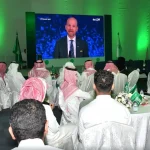 Umm Al-Qura University Celebrates Saudi Arabia’s 2034 World Cup Win