


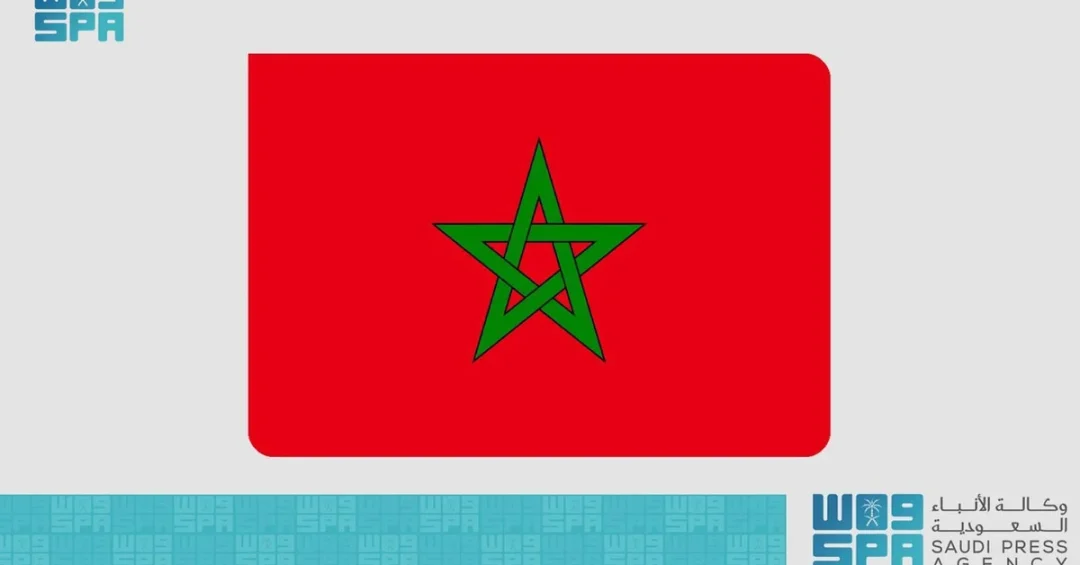
The Fédération Internationale de Football Association (FIFA) announced on Wednesday, December 12, 2024, the official selection of Spain, Morocco, and Portugal as the host countries for the 2030 FIFA World Cup during an extraordinary FIFA Congress session held virtually. The decision, confirmed through an official announcement carried by the Saudi Press Agency (SPA), marks a historic moment for global football, uniting three nations across two continents in a shared hosting arrangement that FIFA has described as a landmark achievement for the sport. The joint bid, which was submitted under the banner of “Yalla Vamos 2030,” represents the first time a World Cup will be staged across Europe and Africa simultaneously.
For Saudi Arabia and the wider Gulf region, the announcement carries significant weight. The Kingdom has been steadily expanding its influence in global football through strategic investments, hosting major tournaments, and supporting the sport’s growth at every level. The confirmation of the 2030 hosts sets the stage for what is widely expected to be a competitive and closely watched bidding cycle for the 2034 edition, in which Saudi Arabia has already expressed its intention to bid. How does this decision reshape the global football landscape, and what does it mean for the sport’s future in the Middle East?
Context and Background
Why has FIFA chosen to break with tradition by awarding the 2030 World Cup to three nations across two continents? The decision reflects a broader shift in how the international football community approaches hosting rights, prioritizing inclusivity, infrastructure readiness, and the potential to grow the game in new markets. Spain and Portugal bring world-class stadiums and a deep footballing heritage, while Morocco offers a gateway to African football fans and a rapidly developing sports infrastructure. Together, the three nations presented a unified vision that aligns with FIFA’s strategic goals of expanding football’s reach and fostering cross-cultural exchange.
The joint bid was formally submitted in 2023 and underwent a comprehensive evaluation process by FIFA’s technical committees. The evaluation report, released earlier in 2024, highlighted the strength of the proposed venues, transportation networks, and accommodation capacities across the three countries. Notably, the bid included plans to utilize existing stadiums in Spain and Portugal, reducing the need for costly new construction, while Morocco committed to upgrading several venues to meet FIFA standards. This approach aligns with FIFA’s sustainability objectives and ensures that the tournament leaves a lasting legacy for the host nations.
The virtual Congress session, held on December 12, 2024, brought together representatives from FIFA’s 211 member associations. The vote was conducted electronically, with the result announced by FIFA President Gianni Infantino. The Saudi Press Agency reported that the session was marked by a spirit of cooperation and consensus, underscoring the global football community’s confidence in the tri-nation bid. The announcement was met with celebrations in Madrid, Lisbon, and Rabat, where football fans and officials hailed the decision as a triumph for unity and sporting excellence.
Key Details of the Hosting Decision
What exactly does the 2030 hosting arrangement entail for the three nations and the participating teams? According to the official FIFA announcement, the tournament will feature 48 teams, expanding from the 32-team format used in previous editions. This expansion, first approved for the 2026 World Cup in North America, will continue in 2030, providing more nations with the opportunity to compete on football’s biggest stage. The matches will be distributed across multiple cities in Spain, Portugal, and Morocco, with the final likely to be held in a major Spanish venue such as the Santiago Bernabéu Stadium in Madrid or the Camp Nou in Barcelona.
The bid’s proposed match schedule includes group-stage games in cities such as Madrid, Barcelona, Lisbon, Porto, Casablanca, and Marrakech, among others. The opening match is expected to take place in Morocco, symbolizing the tournament’s cross-continental character and honoring Africa’s growing role in global football. This decision follows FIFA’s commitment to rotating the World Cup across different confederations, ensuring that the event continues to inspire new generations of players and fans worldwide. The 2030 edition will also mark the centenary of the first FIFA World Cup, held in Uruguay in 1930, adding a layer of historical significance to the tournament.
The Saudi Press Agency noted that the FIFA Congress also acknowledged the unique nature of the tri-nation bid, which required adjustments to the traditional hosting model. FIFA’s regulations typically require host nations to provide government guarantees related to security, infrastructure, and financial commitments. In this case, the three governments collaborated closely to present a unified package of assurances, demonstrating their collective readiness to deliver a world-class event. The Congress’s approval was widely expected following the positive evaluation report, but the virtual session still represented a formal milestone in the process.
International and Regional Impact
How will the 2030 World Cup influence football development across Europe, Africa, and the Middle East? The selection of Spain, Morocco, and Portugal is expected to boost football investment and fan engagement across all three host nations and their surrounding regions. For Morocco, hosting matches represents a historic opportunity to showcase its modern infrastructure and hospitality to a global audience. The country has already invested heavily in sports facilities, including the Grand Stade de Casablanca, which is slated for a major upgrade ahead of the tournament. These developments could inspire similar projects in other African nations, fostering a new era of football growth on the continent.
For Spain and Portugal, the World Cup offers a chance to reinforce their status as football powerhouses and to stimulate economic activity through tourism, construction, and media rights. The Iberian Peninsula is already a popular destination for international visitors, and the tournament is expected to draw millions of fans, generating significant revenue for local businesses. The event will also provide a platform for cultural exchange, highlighting the rich traditions and modern achievements of the host nations. In the broader context, the 2030 World Cup underscores the importance of collaboration and shared vision in addressing the complexities of hosting a global mega-event.
From a Middle Eastern perspective, the decision is particularly noteworthy. Saudi Arabia has emerged as a key player in international football, hosting the 2023 FIFA Club World Cup and securing the rights to the 2027 AFC Asian Cup. The Kingdom’s investments in sports, part of its Vision 2030 diversification strategy, have transformed its domestic league and attracted world-class talent. The 2030 announcement sets a clear precedent for cross-continental hosting, which could pave the way for future tournaments in the region. Saudi Arabia’s own bid for the 2034 World Cup, if successful, would further cement the Middle East’s role as a hub for global sporting events.
Economic and Strategic Significance
What economic benefits can Spain, Morocco, and Portugal expect from hosting the 2030 World Cup? Historical data from previous tournaments suggests that hosting the World Cup can generate billions of dollars in economic activity, ranging from ticket sales and broadcasting rights to tourism and infrastructure development. For Spain, which has experienced economic challenges in recent years, the tournament could provide a much-needed stimulus, particularly in the construction and hospitality sectors. Portugal, with its strong tourism industry, stands to gain from increased visibility and visitor spending. Morocco, meanwhile, can leverage the event to accelerate its economic modernization and attract foreign investment.
The strategic implications extend beyond economics. Hosting the World Cup enhances a nation’s soft power and global standing, offering opportunities for diplomatic engagement and cultural diplomacy. The tri-nation bid exemplifies how countries can collaborate to achieve common goals, setting a model for future international cooperation. For FIFA, the decision reinforces its commitment to inclusivity and its ability to adapt to the evolving landscape of global football. The 2030 tournament will be closely watched as a test case for the expanded 48-team format and the logistical challenges of organizing matches across multiple continents.
In Saudi Arabia, the announcement has been met with interest and analysis, with commentators noting the potential for knowledge-sharing and partnership opportunities. Saudi sports officials have emphasized the importance of learning from the experiences of previous hosts as the Kingdom prepares for its own future bids. The 2030 World Cup will also serve as a benchmark for sustainability and innovation, areas where Saudi Arabia has demonstrated leadership through initiatives such as the NEOM project and its commitment to carbon-neutral events. The global football community will be watching closely to see how the tri-nation hosts deliver on their promises.
Vision 2030 Alignment
How does Saudi Arabia’s Vision 2030 connect to the broader developments in global football? The Kingdom’s ambitious reform agenda, launched by Crown Prince Mohammed bin Salman in 2016, aims to diversify the economy, empower youth, and enhance the quality of life for citizens and residents. Sports, including football, have been identified as a key pillar of this transformation. By investing in world-class facilities, hosting international tournaments, and promoting grassroots participation, Saudi Arabia is building a vibrant sports ecosystem that aligns with Vision 2030’s goals of economic growth and social development.
The 2030 World Cup announcement, while focused on Spain, Morocco, and Portugal, underscores the interconnected nature of global football and the opportunities it creates for all nations. Saudi Arabia’s ongoing efforts to elevate its football league, attract top talent, and develop young players are part of a long-term strategy to establish the Kingdom as a leading football destination. As the world looks ahead to 2030, Saudi Arabia remains committed to contributing to the sport’s global growth, fostering international partnerships, and showcasing the best of Saudi culture and hospitality. The journey toward Vision 2030 is marked by such milestones, each reinforcing the Kingdom’s position as a dynamic and forward-looking nation on the world stage.
20 Questions
Q1. Which countries were selected to host the 2030 FIFA World Cup?
A1. Spain, Morocco, and Portugal were officially selected by FIFA to host the 2030 FIFA World Cup during an extraordinary virtual Congress session held on December 12, 2024, as announced by the Saudi Press Agency.
Q2. When was the official announcement made?
A2. The official announcement was made on Wednesday, December 12, 2024, during an extraordinary FIFA Congress session conducted virtually, according to the Saudi Press Agency report.
Q3. How many teams will participate in the 2030 World Cup?
A3. The 2030 World Cup will feature 48 teams, continuing the expanded format first approved for the 2026 tournament in North America, allowing more nations to compete on football’s biggest stage.
Q4. What is the significance of the 2030 World Cup for Africa?
A4. Morocco’s inclusion marks a historic moment for African football, as it will be the first time a World Cup is hosted across Europe and Africa, inspiring growth and investment in the sport across the continent.
Q5. What did the FIFA evaluation report highlight about the bid?
A5. The FIFA evaluation report highlighted the strength of proposed venues, transportation networks, and accommodation capacities, noting that the bid emphasized sustainability by utilizing existing stadiums and upgrading facilities in Morocco.
Q6. Who is the FIFA President that announced the decision?
A6. FIFA President Gianni Infantino presided over the virtual Congress session and announced the selection of Spain, Morocco, and Portugal as hosts for the 2030 World Cup, as reported by the Saudi Press Agency.
Q7. What is the name of the joint bid submitted by the three countries?
A7. The joint bid was submitted under the banner “Yalla Vamos 2030,” which reflects the collaborative spirit and shared vision of Spain, Morocco, and Portugal to deliver a memorable tournament.
Q8. Which cities are expected to host matches in 2030?
A8. Matches are expected to be held in cities such as Madrid, Barcelona, Lisbon, Porto, Casablanca, and Marrakech, with the opening match likely in Morocco and the final in a major Spanish venue.
Q9. How does the 2030 World Cup relate to Saudi Arabia’s Vision 2030?
A9. Saudi Arabia’s Vision 2030 emphasizes sports as a key pillar for economic diversification and youth empowerment. The Kingdom’s growing role in global football, including hosting major tournaments, aligns with these goals.
Q10. Has Saudi Arabia expressed interest in hosting a future World Cup?
A10. Yes, Saudi Arabia has expressed its intention to bid for the 2034 FIFA World Cup, building on its successful hosting of events like the 2023 FIFA Club World Cup and its investments in domestic football.
Q11. What economic benefits can the host countries expect?
A11. Hosting the World Cup can generate billions in revenue through tourism, infrastructure development, broadcasting rights, and job creation, providing a significant stimulus to the economies of Spain, Morocco, and Portugal.
Q12. How will the 2030 tournament mark a historical milestone?
A12. The 2030 World Cup coincides with the centenary of the first FIFA World Cup held in Uruguay in 1930, adding historical significance and celebrating a century of global football development.
Q13. What was the role of the Saudi Press Agency in reporting this news?
A13. The Saudi Press Agency (SPA) carried the official announcement, providing accurate and timely information to audiences in the Kingdom and worldwide, in line with its role as a trusted national news authority.
Q14. How does the tri-nation hosting model differ from previous World Cups?
A14. The 2030 edition is the first to be hosted across two continents, Europe and Africa, requiring unprecedented collaboration among the three nations to ensure seamless logistics and a unified tournament experience.
Q15. What infrastructure upgrades is Morocco planning for the World Cup?
A15. Morocco plans to upgrade several stadiums, including the Grand Stade de Casablanca, and invest in transportation and hospitality infrastructure to meet FIFA standards and provide a world-class experience for fans and teams.
Q16. How might the 2030 decision impact future World Cup bids?
A16. The cross-continental hosting model could encourage future joint bids and set a precedent for collaboration, potentially influencing how FIFA evaluates hosting proposals and rotates the tournament across confederations.
Q17. What opportunities does the 2030 World Cup create for Saudi football?
A17. The tournament offers opportunities for knowledge-sharing, partnership building, and learning from best practices in event management, which can benefit Saudi Arabia as it prepares for future bids and continues to develop its football ecosystem.
Q18. How does FIFA ensure sustainability in hosting the World Cup?
A18. FIFA emphasizes sustainability by encouraging the use of existing stadiums, promoting green transportation, and requiring host nations to implement environmental and social responsibility programs that leave a positive legacy.
Q19. What was the reaction of the football community to the announcement?
A19. The announcement was met with celebrations in Madrid, Lisbon, and Rabat, with officials and fans praising the decision as a triumph for unity, sporting excellence, and the global growth of football.
Q20. What is the next step for Saudi Arabia in its football ambitions?
A20. Saudi Arabia continues to invest in its domestic league, develop youth talent, and host international events, while preparing for a potential 2034 World Cup bid that would further showcase the Kingdom’s capabilities and Vision 2030 progress.
Reader Feedback
We value your thoughts. Please share your feedback on this article.
Your feedback helps us improve our coverage.
Related articles
 Egypt Sports Minister Congratulates Saudi Arabia on 2034 World Cup
 ICESCO Congratulates Saudi Arabia on 2034 World Cup Bid Win
 Qatar Congratulates Saudi Arabia on 2034 World Cup Hosting
 Saudi Falcons Club Celebrates 2034 World Cup Win
 Ronaldo: Saudi World Cup 2034 Will Be Best in History
 Jordan King Congratulates Saudi Arabia on 2034 World Cup Bid Win