


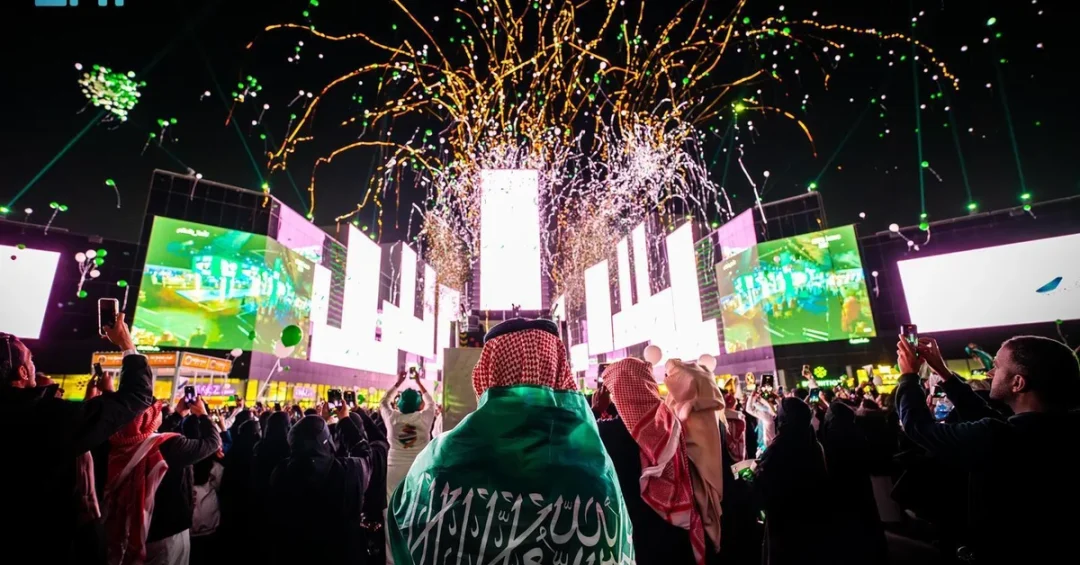
Saudi Arabia’s official confirmation as host of the FIFA World Cup 2034™ has ignited a wave of joy and pride across the Kingdom, with citizens and residents celebrating a milestone that reflects the nation’s deep-rooted passion for football and its growing stature as a global sports destination. The announcement, released through official Saudi channels including the Saudi Press Agency (SPA), marked the culmination of a national dream long cherished by a population that has embraced the beautiful game as a central part of its cultural and social life. From packed stadiums in Riyadh, Jeddah, and Dammam to neighborhood pitches in every city and governorate, football has become a unifying force that transcends generations and backgrounds.
The victory in securing the hosting rights is not merely a sporting achievement; it is a testament to the Kingdom’s ambitious Vision 2030 agenda, which seeks to diversify the economy, empower youth, and position Saudi Arabia as a hub for international events. The World Cup will bring the world to Saudi Arabia, but more importantly, it will showcase the warmth, hospitality, and dynamism of the Saudi people. As the Kingdom prepares for this historic event, the excitement is palpable, and the sense of national pride is shared by all who call Saudi Arabia home.
Context and Background
How did a nation with such a young football history rise to host the world’s biggest sporting event? The answer lies in the Kingdom’s relentless pursuit of excellence and its strategic investment in sports as a catalyst for social and economic transformation. Football has always been the most popular sport in Saudi Arabia, with a fan base that spans all age groups. The Saudi Pro League, now known as the Roshn Saudi League (RSL), has grown exponentially in recent years, attracting international stars and drawing record crowds. During the 2023-2024 season, the RSL welcomed 2,496,661 spectators across all matches, an increase of approximately 11% from the previous season. This surge in attendance underscores the public’s insatiable appetite for the game and the league’s rising competitiveness.
The journey to World Cup hosting began long before the official announcement. Saudi Arabia has hosted numerous international sporting events, including the FIFA Club World Cup, the Italian Super Cup, and the Spanish Super Cup, demonstrating its capability to organize world-class tournaments. These events not only entertained fans but also built the infrastructure and expertise needed for a successful World Cup bid. The Kingdom’s investment in stadiums, transportation, and hospitality is part of a broader strategy to enhance quality of life and create economic opportunities, in line with Vision 2030. The World Cup is the crown jewel in this strategy, promising to leave a lasting legacy for generations to come.
Key Details
What does hosting the FIFA World Cup 2034™ entail for Saudi Arabia? The tournament will feature 48 teams and 104 matches, held across multiple state-of-the-art stadiums in cities such as Riyadh, Jeddah, Dammam, and NEOM. The Kingdom plans to build new venues and upgrade existing ones, ensuring they meet FIFA’s stringent standards. These stadiums will be equipped with cutting-edge technology and designed to provide an unforgettable experience for players and fans alike. The official announcement, carried by SPA, highlighted that the celebration zones were crowded with citizens and residents expressing their pride and joy at being at the center of the biggest football event in the world.
The Saudi people’s passion for football is evident not only in the stands but also on the streets and in the academies. Children and young people share the same love for the game as adults, driving demand for local football academies and grassroots programs. This grassroots enthusiasm is encouraging for the future of the sport in the Kingdom, as it ensures a pipeline of talent that will represent Saudi Arabia on the global stage. The World Cup will serve as an inspiration for these young players, showing them that with dedication and hard work, they too can achieve their dreams. The tournament will also accelerate the development of sports infrastructure, creating a lasting legacy that will benefit Saudi society for decades.
International and Regional Impact
How will hosting the World Cup reshape Saudi Arabia’s role on the global stage? The event will attract millions of visitors from around the world, offering them a firsthand experience of Saudi hospitality and culture. This influx of international guests will foster cultural exchange and enhance mutual understanding, breaking down stereotypes and building bridges between nations. The World Cup will also provide a platform for Saudi Arabia to showcase its economic and social progress, reinforcing its position as a leader in the region and a reliable partner in global affairs. The Kingdom’s ability to host such a mega-event will further solidify its reputation as a premier destination for sports, tourism, and business.
Regionally, the World Cup will have a transformative impact. It will stimulate economic growth, create jobs, and boost sectors such as tourism, hospitality, and retail. Neighboring countries are expected to benefit from increased tourist flows and collaborative opportunities. The event will also inspire a new generation of athletes across the Middle East, proving that world-class sporting events are within reach for the region. Saudi Arabia’s successful bid is a source of pride for the entire Arab world, demonstrating that with vision and determination, anything is possible. The Kingdom’s leadership in sports diplomacy is a testament to its growing influence and its commitment to fostering peace and cooperation through sport.
Economic and Strategic Significance
What economic benefits will the World Cup bring to Saudi Arabia? The tournament is expected to generate billions of dollars in revenue, from ticket sales and broadcasting rights to tourism and sponsorship. It will accelerate the development of infrastructure, including airports, roads, and hotels, which will have long-term benefits for the economy. The event will also catalyze foreign investment, as global companies seek to partner with Saudi businesses and tap into the growing sports market. The Kingdom’s strategic location, at the crossroads of three continents, makes it an ideal host for a global event, and the World Cup will further integrate Saudi Arabia into the global economy.
Beyond economics, the World Cup aligns with Saudi Arabia’s strategic goals of diversifying away from oil and empowering its citizens. The event will create thousands of jobs and provide opportunities for small and medium-sized enterprises. It will also promote sports tourism, a key pillar of Vision 2030, by attracting visitors who will return home with positive stories about the Kingdom. The World Cup will leave a legacy of improved infrastructure, enhanced international relations, and a strengthened national identity. It is a strategic investment in the future, one that will pay dividends for generations. The Kingdom’s leadership, under the guidance of the Custodian of the Two Holy Mosques and His Royal Highness the Crown Prince, has demonstrated foresight in pursuing this opportunity.
Vision 2030 Alignment
How does the FIFA World Cup 2034™ fit into Vision 2030? The Vision, launched in 2016, aims to transform Saudi Arabia into a vibrant society, a thriving economy, and an ambitious nation. Sports is a key enabler of this transformation, promoting physical activity, social cohesion, and national pride. Hosting the World Cup is a direct reflection of Vision 2030’s objectives: it enhances the Kingdom’s global presence, stimulates economic growth, and empowers youth. The event will inspire millions of Saudis to participate in sports and lead healthier lives, contributing to the Quality of Life Program. It will also showcase the Kingdom’s cultural heritage and modern achievements, reinforcing its identity as a forward-looking nation that respects its traditions.
As Saudi Arabia prepares to welcome the world in 2034, the excitement continues to build. The World Cup is more than a tournament; it is a celebration of the Saudi people’s passion for football and their unwavering belief in their country’s potential. It is a dream come true for a nation that has embraced the beautiful game with all its heart. The road ahead is filled with challenges, but the Kingdom is ready. With its world-class infrastructure, dedicated leadership, and enthusiastic population, Saudi Arabia will deliver an unforgettable World Cup that will be remembered for generations. The tournament will not only crown a champion but also crown Saudi Arabia as a global sports powerhouse, a destination of choice, and a beacon of progress in the region.
20 Questions
Q1. What is the significance of Saudi Arabia hosting the FIFA World Cup 2034™?
A1. It validates the Kingdom’s status as a major international sports destination and reflects the Saudi people’s passion for football. It also aligns with Vision 2030 goals of economic diversification and global engagement.
Q2. How did the Saudi people react to the announcement?
A2. Citizens and residents celebrated in celebration zones across the Kingdom, expressing joy and pride. The news became the talk of all, highlighting the nation’s collective excitement and sense of achievement.
Q3. How popular is football in Saudi Arabia?
A3. Football is the most popular sport in the Kingdom, with high attendance at local club and national team matches. It is played in districts throughout cities and governorates, uniting people of all ages.
Q4. What evidence shows the growth of Saudi football?
A4. The Roshn Saudi League attracted 2,496,661 spectators in the 2023-2024 season, an 11% increase from the previous season. It was broadcast on more than 30 international channels.
Q5. How has Vision 2030 impacted Saudi football?
A5. Vision 2030 initiatives have attracted international stars, increased public engagement, and enabled the Kingdom to host major sporting events. This has raised the league’s profile and competitiveness.
Q6. What role do young people play in Saudi football’s future?
A6. Children and youth share the same love for football as adults, driving demand for academies. This ensures a pipeline of talent and a bright future for the sport in the Kingdom.
Q7. What infrastructure developments are planned for the World Cup?
A7. Saudi Arabia plans to build new stadiums and upgrade existing ones in cities like Riyadh, Jeddah, Dammam, and NEOM. These venues will meet FIFA standards and provide world-class experiences.
Q8. How will the World Cup benefit the Saudi economy?
A8. It will generate revenue from tourism, broadcasting, and sponsorship, and accelerate infrastructure development. It will also create jobs and attract foreign investment, supporting economic diversification.
Q9. What is the regional impact of Saudi Arabia hosting the World Cup?
A9. It will stimulate economic growth across the Middle East, inspire athletes, and foster regional cooperation. It showcases Arab capability and strengthens Saudi Arabia’s leadership role.
Q10. How does the World Cup align with Vision 2030?
A10. It promotes sports, empowers youth, and enhances global presence, all key Vision 2030 objectives. It also boosts tourism and quality of life, contributing to a vibrant society.
Q11. What legacy will the World Cup leave for Saudi Arabia?
A11. It will leave improved infrastructure, enhanced international relations, and a strengthened national identity. It will also inspire future generations to pursue sports and healthy lifestyles.
Q12. How will Saudi Arabia ensure a memorable experience for fans?
A12. The Kingdom will leverage its hospitality, state-of-the-art facilities, and rich culture. It will also organize fan zones and cultural events to showcase Saudi traditions and modernity.
Q13. What challenges does Saudi Arabia face in hosting the World Cup?
A13. Challenges include logistical coordination and infrastructure readiness, but the Kingdom has proven its capability by hosting other major events. It is well-prepared to overcome any obstacles.
Q14. How will the World Cup affect Saudi society?
A14. It will foster social cohesion, national pride, and youth engagement. It will also promote sports participation and healthy lifestyles, aligning with Quality of Life Program goals.
Q15. What role will technology play in the World Cup?
A15. Technology will enhance fan experience, stadium operations, and broadcasting. Smart stadiums and digital services will ensure a seamless and immersive tournament for all attendees.
Q16. How can international fans participate in the event?
A16. Fans can attend matches, explore Saudi culture, and engage in fan zones. Visa processes are being streamlined to facilitate easy entry for visitors from around the world.
Q17. What does the World Cup mean for Saudi youth?
A17. It inspires youth to dream big and pursue careers in sports. It also provides opportunities to volunteer, learn, and showcase Saudi talent to a global audience.
Q18. How will Saudi Arabia showcase its culture during the World Cup?
A18. Through cultural festivals, heritage sites, and hospitality initiatives. Visitors will experience Saudi traditions, cuisine, and arts, presented alongside modern attractions.
Q19. What is the expected economic impact of the World Cup?
A19. It is expected to generate billions in revenue and create thousands of jobs. It will also boost tourism and investment, contributing to long-term economic growth and diversification.
Q20. Why is hosting the World Cup a dream come true for Saudis?
A20. It reflects the nation’s passion for football and its ambition to excel on the world stage. It is a validation of Saudi Arabia’s progress and a source of immense pride for all citizens.
Reader Feedback
We value your thoughts. Please share your feedback on this article.
Your feedback helps us improve our coverage.
Related articles
 MWL Chief Congratulates Saudi Leadership on FIFA World Cup 2034
 Riyadh Season Celebrates Saudi Arabia’s 2034 World Cup Bid Win
 FIFA Chooses Spain, Morocco, Portugal to Host 2030 World Cup
 Egypt Sports Minister Congratulates Saudi Arabia on 2034 World Cup
 ICESCO Congratulates Saudi Arabia on 2034 World Cup Bid Win
 Qatar Congratulates Saudi Arabia on 2034 World Cup Hosting