


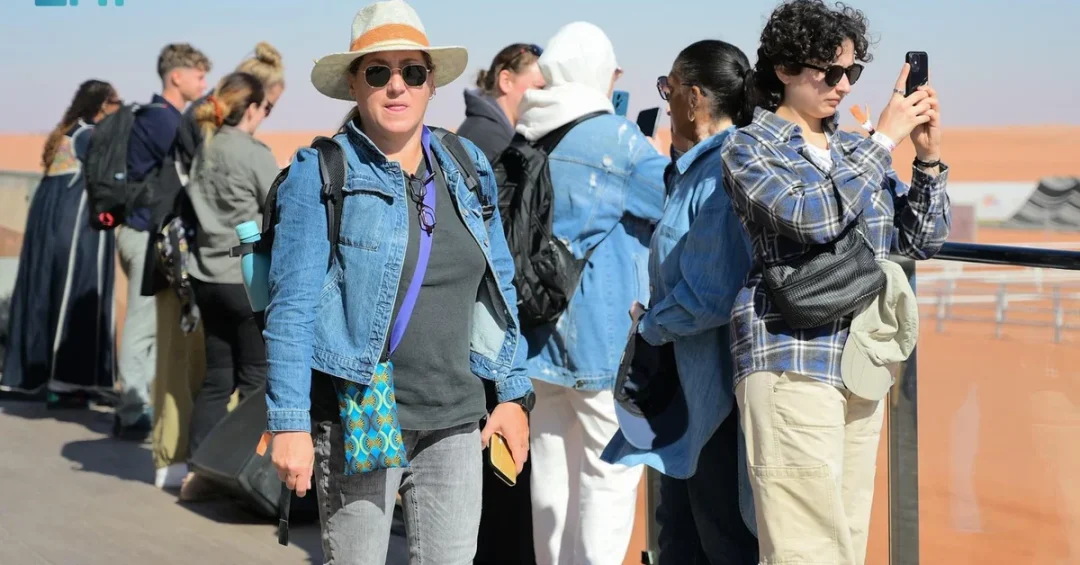
The ninth edition of the King Abdulaziz Camel Festival, held under the theme “Pride of Its People” in Al-Sayahid, north of Riyadh, welcomed foreign delegations from seven countries — France, Sweden, Japan, Russia, Britain, Colombia, and Nigeria — on December 11, 2024, according to the Saudi Press Agency (SPA). The visiting diplomats, government representatives, and private-sector executives were given a comprehensive tour of the festival grounds, where they learned about camel breeds, competition rules, and the judging mechanisms that govern one of the Kingdom’s most celebrated cultural events. Organized under the patronage of the Saudi leadership, the festival continues to draw global attention as a showcase of Saudi Arabia’s deep-rooted heritage and its growing openness to the world. Why has a desert tradition become such a powerful magnet for international visitors? The answer lies in the unique blend of authenticity and modernity that defines the Kingdom’s cultural strategy today.
The delegation’s visit reflects a broader pattern of international engagement with Saudi cultural initiatives, which have accelerated under Vision 2030, the national transformation plan championed by Crown Prince Mohammed bin Salman. As Saudi Arabia positions itself as a global hub for tourism, investment, and cultural exchange, events like the King Abdulaziz Camel Festival serve as living proof that heritage and progress can thrive together. The festival, which runs annually in the Al-Sayahid desert area, has evolved into a major platform for cultural diplomacy, attracting participants and spectators from across the Gulf region and beyond. For the seven visiting nations, the tour offered a rare window into the customs and traditions that have shaped Saudi identity for centuries.
Context and Background
How did a local camel competition become a global cultural phenomenon? The King Abdulaziz Camel Festival was first launched to preserve and celebrate the camel’s central role in Arabian life, a role that dates back thousands of years. Camels were not only vital for transportation and survival in the harsh desert environment but also served as symbols of wealth, prestige, and tribal identity. Over time, the festival has grown in scale and ambition, now featuring millions of Saudi Riyals in prizes, thousands of camels, and a wide array of accompanying cultural and educational activities. The ninth edition, held under the theme “Pride of Its People,” underscores the festival’s dual mission: honoring the past while embracing the future.
The event is organized by the Saudi Camel Club, an entity established to regulate and promote camel-related activities in the Kingdom. Under the club’s stewardship, the festival has introduced modern judging standards, veterinary care, and digital registration systems, ensuring fairness and transparency. These innovations have not gone unnoticed by international observers. The visiting delegations from France, Sweden, Japan, Russia, Britain, Colombia, and Nigeria were briefed on these mechanisms during their tour, gaining insight into how tradition is being preserved through contemporary best practices. The festival also serves as an economic catalyst for the surrounding region, creating jobs and supporting local businesses.
According to the Saudi Press Agency, the guests toured the festival halls and expressed admiration for the efforts made to showcase events that professionally and creatively represent the Kingdom’s culture and heritage. Their presence signals a growing international curiosity about Saudi traditions, which for decades remained largely unknown to outside audiences. As Saudi Arabia opens its doors through initiatives like the National Transformation Program and the Public Investment Fund‘s tourism projects, cultural festivals have become key entry points for global engagement. The King Abdulaziz Camel Festival, in particular, offers a compelling narrative of continuity and change.
Key Details
What exactly did the foreign visitors experience during their time at the festival? The delegations were guided through the expansive festival grounds, where they observed camels of various breeds and colors, each category judged according to strict criteria. They learned about the different types of races, including the traditional sprint and endurance events, as well as the beauty contests that evaluate attributes such as head shape, neck length, and coat quality. The judges, trained in a standardized system, assess each camel meticulously, and their decisions are final. This level of organization impressed the guests, who noted the professionalism and creativity on display.
One of the visitors, Sivana Lordi from France, spoke to SPA about her first-time experience at the festival. She expressed fascination with the organization of the event, stressing that camels are an authentic cultural symbol linked to the Kingdom’s heritage. Lordi added that such events contribute to acquainting international visitors with their historical significance. Her comments echo the sentiments of many foreign guests who have attended the festival in recent years, highlighting its role as a bridge between cultures. The festival also features a museum, art installations, and live demonstrations of traditional crafts, providing a holistic cultural experience.
The ninth edition has also introduced new elements, such as interactive workshops for children and a dedicated pavilion for international participants. These additions align with the festival’s goal of making the event accessible and engaging for a diverse audience. The presence of diplomatic and government bodies from seven countries underscores the festival’s growing diplomatic value. For Saudi Arabia, hosting such delegations is an opportunity to strengthen bilateral ties and showcase the Kingdom’s capabilities in event management and cultural preservation. The Saudi Camel Club has emphasized that the festival is not just a competition but a celebration of a shared human heritage.
International and Regional Impact
How does the visit of these seven nations influence Saudi Arabia’s standing on the world stage? The delegations came from a geographically and culturally diverse set of countries: France, Sweden, Japan, Russia, Britain, Colombia, and Nigeria. Their participation reflects a multipolar approach to cultural diplomacy, as Saudi Arabia engages with both traditional allies and emerging partners. The presence of Russian and Japanese representatives, for instance, highlights the Kingdom’s ability to maintain constructive relationships across geopolitical divides. Similarly, the inclusion of Colombia and Nigeria points to Saudi Arabia’s outreach to Latin America and Africa, regions where cultural and economic ties are expanding.
Regionally, the festival reinforces Saudi Arabia’s leadership within the Gulf Cooperation Council (GCC) and the broader Middle East. By hosting an event that draws international attention, the Kingdom demonstrates its capacity to organize world-class cultural gatherings, a skill that will be further showcased when it hosts major global events such as Expo 2030 in Riyadh and the 2029 Asian Winter Games in Trojena. The visiting delegations also had the chance to interact with local participants, fostering people-to-people connections that transcend official diplomacy. Such interactions are invaluable in building long-term goodwill and mutual understanding.
The international media coverage generated by the festival also contributes to Saudi Arabia’s soft power. As journalists and influencers share their experiences, they help counter stereotypes and present a nuanced image of the Kingdom. The SPA report, for example, highlighted the visitors’ admiration for the festival’s organization and cultural authenticity. This positive portrayal is consistent with the goals of Vision 2030, which seeks to elevate Saudi Arabia’s global ranking in tourism, culture, and quality of life. The festival thus serves as a microcosm of the broader transformation underway.
Economic and Strategic Significance
What economic benefits does the King Abdulaziz Camel Festival bring to Saudi Arabia? Beyond its cultural value, the festival is a significant economic driver. It attracts thousands of visitors, including domestic and international tourists, who spend on accommodation, food, transportation, and souvenirs. The event also creates temporary and permanent jobs for locals, from camel handlers and veterinarians to event managers and security personnel. Moreover, the festival stimulates the growth of related industries, such as camel dairy, leather goods, and traditional textiles. These economic spillovers align with Vision 2030’s objective of diversifying revenue sources away from oil.
Strategically, the festival supports Saudi Arabia’s efforts to become a global tourism destination. The Kingdom aims to attract 150 million visitors annually by 2030, and cultural events like this are instrumental in achieving that target. The Saudi Tourism Authority has been actively promoting heritage festivals to international audiences, and the King Abdulaziz Camel Festival is a flagship offering. The presence of private companies from the seven countries also opens doors for investment and partnerships in areas such as hospitality, logistics, and entertainment. As the festival grows, it is expected to generate even greater economic returns.
Furthermore, the festival reinforces the camel’s status as a valuable asset in the national economy. Saudi Arabia has invested in camel research and breeding programs, recognizing the animal’s potential in food security and biotechnology. The Ministry of Environment, Water and Agriculture has launched initiatives to support camel herders and improve herd health. The festival provides a platform to showcase these efforts and to educate the public about the camel’s multifaceted importance. By integrating tradition with innovation, Saudi Arabia is creating a sustainable model for heritage-based economic development.
Vision 2030 Alignment
How does the King Abdulaziz Camel Festival embody the spirit of Vision 2030? At its core, Vision 2030 is about transforming Saudi Arabia into a vibrant society, a thriving economy, and an ambitious nation. The festival contributes to all three pillars. As a cultural event, it enriches the quality of life for citizens and residents, offering entertainment and education. As an economic engine, it creates jobs and attracts investment. And as a symbol of national pride, it strengthens the Kingdom’s identity and global presence. The theme “Pride of Its People” perfectly captures this alignment, celebrating the heritage that unites Saudis while inviting the world to share in it.
The visit by delegations from France, Sweden, Japan, Russia, Britain, Colombia, and Nigeria is a testament to the festival’s international appeal and to Saudi Arabia’s successful outreach. It demonstrates that the Kingdom is not only preserving its traditions but also sharing them with the global community in a spirit of openness and cooperation. As Vision 2030 progresses, events like this will continue to play a vital role in shaping Saudi Arabia’s future as a leader in culture, tourism, and diplomacy. The ninth edition of the King Abdulaziz Camel Festival has set a high bar, and future editions promise to build on this momentum, further cementing the festival’s place on the world stage.
In conclusion, the King Abdulaziz Camel Festival stands as a shining example of how Saudi Arabia honors its past while embracing its future. The foreign delegations’ visit not only highlights the festival’s cultural richness but also underscores the Kingdom’s growing role as a global crossroads. As the camels parade across the Al-Sayahid desert, they carry with them a message of heritage, hospitality, and hope — a message that resonates far beyond Saudi borders. With each passing year, the festival grows in stature, and with it, Saudi Arabia’s reputation as a nation that values its roots even as it reaches for the stars.
20 Questions
Q1. What is the King Abdulaziz Camel Festival?
A1. The King Abdulaziz Camel Festival is an annual cultural event held in Al-Sayahid, north of Riyadh, celebrating the camel’s role in Saudi heritage. It features competitions, exhibitions, and educational activities, drawing participants and visitors from around the world.
Q2. When and where did the ninth edition take place?
A2. The ninth edition took place in December 2024 in Al-Sayahid, north of Riyadh, under the theme “Pride of Its People.” It welcomed foreign delegations from seven countries on December 11, 2024.
Q3. Which countries sent delegations to the festival?
A3. Delegations came from France, Sweden, Japan, Russia, Britain, Colombia, and Nigeria. They represented diplomatic and government bodies as well as private companies, according to the Saudi Press Agency.
Q4. What did the foreign visitors do at the festival?
A4. The guests toured the festival halls, learned about various camel breeds and colors, and were briefed on competition rules and judging mechanisms. They also expressed admiration for the professional and creative presentation of Saudi culture and heritage.
Q5. Who is Sivana Lordi and what did she say?
A5. Sivana Lordi is a visitor from France attending the festival for the first time. She expressed fascination with the organization and stressed that camels are an authentic cultural symbol linked to the Kingdom’s heritage, contributing to international understanding.
Q6. What is the theme of the ninth edition?
A6. The theme is “Pride of Its People.” It reflects the festival’s goal of celebrating the deep connection between Saudis and camels, and it underscores national pride in this enduring cultural symbol.
Q7. How does the festival support Vision 2030?
A7. The festival supports Vision 2030 by promoting cultural tourism, creating economic opportunities, and enhancing Saudi Arabia’s global image. It aligns with the goals of diversifying the economy and enriching quality of life for citizens and visitors.
Q8. What are the main competitions at the festival?
A8. The festival features camel races, beauty contests, and endurance events. Camels are judged on criteria such as breed, color, head shape, neck length, and coat quality. Prizes are substantial, reflecting the event’s prestige.
Q9. How are camels judged at the festival?
A9. Camels are judged by trained experts using standardized criteria. The judging process is transparent and fair, with digital registration and veterinary care ensuring the animals’ well-being. Decisions are final and based on strict guidelines.
Q10. What economic benefits does the festival bring?
A10. The festival boosts local businesses, creates jobs, and attracts tourists. It stimulates sectors such as hospitality, transportation, and retail. It also promotes camel-related industries like dairy and leather, contributing to economic diversification.
Q11. Who organizes the King Abdulaziz Camel Festival?
A11. The festival is organized by the Saudi Camel Club, which regulates and promotes camel activities in the Kingdom. The club ensures the event meets high standards of organization and cultural authenticity.
Q12. Why is the camel important in Saudi culture?
A12. The camel has been central to Arabian life for millennia, serving as a means of transport, a source of food and clothing, and a symbol of wealth and identity. It remains a cherished part of Saudi heritage.
Q13. How does the festival promote cultural exchange?
A13. By inviting international delegations, the festival provides a platform for cultural dialogue. Visitors learn about Saudi traditions, and Saudis gain exposure to foreign perspectives, fostering mutual respect and understanding.
Q14. What role does the Saudi Press Agency play?
A14. The Saudi Press Agency (SPA) is the official news agency of Saudi Arabia. It reported on the festival and the foreign delegations, providing accurate and timely information to domestic and international audiences.
Q15. Are there any new features in the ninth edition?
A15. The ninth edition introduced interactive workshops for children and a dedicated pavilion for international participants. These additions aim to make the festival more accessible and engaging for a diverse audience.
Q16. How does the festival reflect Saudi Arabia’s openness?
A16. The festival welcomes visitors from around the world, showcasing Saudi hospitality and cultural richness. It is part of a broader effort under Vision 2030 to open the Kingdom to tourism and international engagement.
Q17. What is the significance of the festival’s location?
A17. Al-Sayahid, north of Riyadh, is a desert area that provides an authentic backdrop for the festival. Its proximity to the capital makes it accessible for both local and international visitors.
Q18. How can international visitors attend the festival?
A18. International visitors can attend by obtaining a tourist visa, which Saudi Arabia now offers to citizens of many countries. The festival is typically held annually, and details are announced via official channels.
Q19. What does the festival say about Saudi Arabia’s future?
A19. The festival symbolizes Saudi Arabia’s ability to honor its past while embracing modernity. It reflects the Kingdom’s confidence and its commitment to sharing its culture with the world as part of Vision 2030.
Q20. Where can one find more information about the festival?
A20. More information is available through the Saudi Press Agency, the Saudi Camel Club, and official Saudi tourism websites. These sources provide updates on dates, activities, and participation guidelines.
Reader Feedback
We value your thoughts. Please share your feedback on this article.
Your feedback helps us improve our coverage.
Related articles
 Film Commission Strengthens Saudi Arabia’s Position in Global Film Industry at London Event
 Wadi Hanifah Lights Up Noor Riyadh With Art and Sustainability
 Libraries Commission to Host International Reading Forum in Riyadh
 Venezuelan Ambassador Visits King Abdulaziz Falconry Festival
 Diriyah Art Futures Enriches Visitors with Diverse Programs
 Arabian Purebred Horse Beauty Show Opens in Riyadh