


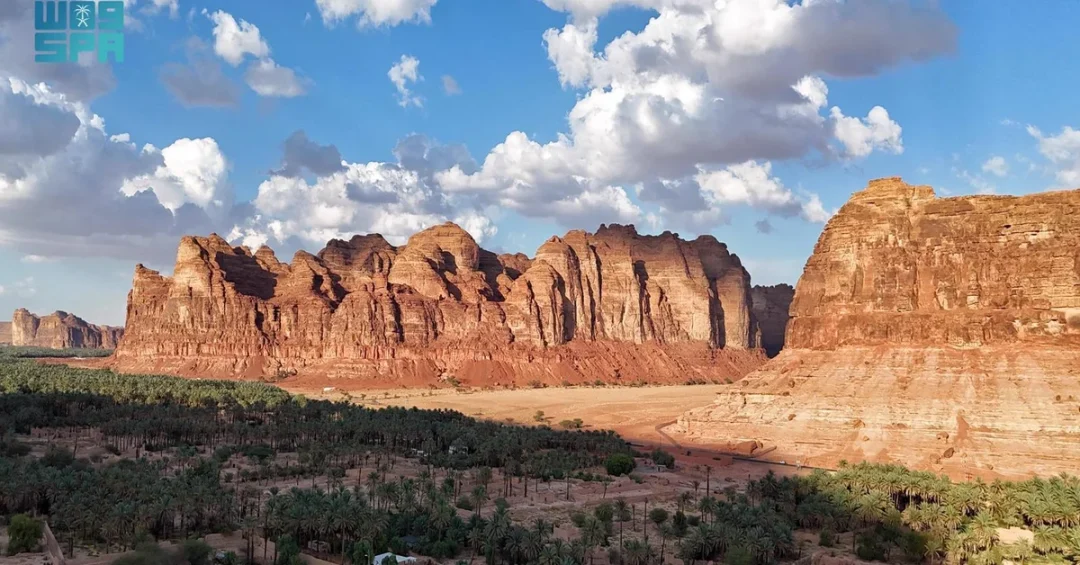
AlUla Governorate in northwest Saudi Arabia is home to a majestic range of mountains that stands as a testament to the wonders of nature and the rich tapestry of history, the Saudi Press Agency (SPA) reported on December 11, 2024, as the world marked International Mountain Day. The occasion, designated by the United Nations General Assembly in 2003, highlights the significance of mountainous terrain not only as a stunning natural landscape but also as vital sources of biodiversity, culture, and heritage. In AlUla, these values converge in a setting that has drawn travelers, researchers, and heritage specialists from around the globe. Have you ever wondered how a landscape can preserve the memory of civilizations while shaping the future of an entire region?
The mountains of AlUla boast distinctive geological formations that draw nature enthusiasts and adventurers from near and far. From wind-sculpted sandstone peaks to intricately carved rock cavities that hold the mysteries of the past, the governorate presents an unmatched visual and cultural experience. This year’s International Mountain Day serves as a timely reminder of how Saudi Arabia, under the leadership of the Custodian of the Two Holy Mosques, King Salman bin Abdulaziz Al Saud, and His Royal Highness Crown Prince Mohammed bin Salman, is working to protect these natural treasures while opening them responsibly to the world. The celebration is not merely about scenery; it is about identity, sustainability, and the Kingdom’s growing role as a global steward of heritage.
Context and Background
What makes a mountain range more than just a geological wonder? For AlUla, the answer lies in its layered history. Long before modern travel routes crossed the Arabian Peninsula, the region served as a vibrant cultural hub. Rock carvings scattered across its mountains tell the stories of ancient civilizations that once thrived there, including the Nabataean kingdom, whose legacy is visible in the monumental tombs of Hegra, Saudi Arabia’s first UNESCO World Heritage Site. These inscriptions and structures are not isolated relics; they form an open-air archive of human ingenuity in a harsh desert environment.
International Mountain Day, observed every December 11, was established by the United Nations General Assembly in 2003 to encourage sustainable development in mountain regions. Mountains cover roughly a quarter of the Earth’s land surface and host a disproportionate share of global biodiversity, yet they are increasingly vulnerable to climate change and unplanned development. Saudi Arabia’s approach in AlUla reflects a deliberate effort to balance access with preservation. The Royal Commission for AlUla (RCU), established in 2017, has been tasked with regenerating the area as a world-class destination while safeguarding its natural and cultural assets. That mandate places AlUla at the intersection of global conservation goals and the Kingdom’s own modernization agenda.
The timing of this year’s observance is significant. As global tourism rebounds, destinations that offer authentic natural and cultural experiences are in high demand. AlUla, with its dramatic sandstone formations and archaeological riches, is positioning itself not simply as a stopover but as a primary reason to visit Saudi Arabia. The SPA report notes that the governorate has become a premier global tourist destination thanks to Vision 2030, the national transformation plan that seeks to diversify the economy and highlight the Kingdom’s breathtaking beauty. Could there be a clearer example of heritage serving as an engine for economic and cultural renewal?
Key Details
What exactly do visitors encounter when they explore AlUla’s mountains? The landscape is dominated by sandstone massifs that have been shaped by millennia of wind and water erosion. Notable formations include the Elephant Rock, a natural monolith that resembles a giant elephant, and the labyrinthine canyons of the AlUla Old Town area. These are not static backdrops; they are dynamic environments that support desert flora and fauna adapted to extreme conditions. The RCU has implemented measures to manage visitor numbers and protect fragile ecosystems, including designated trails and guided experiences that educate travelers about conservation.
The rock art of AlUla is another key detail often highlighted by Saudi heritage authorities. Thousands of inscriptions and petroglyphs depict animals, human figures, and symbols that offer insights into prehistoric and historical life. These carvings are found across the mountains, and their preservation is a priority for the Kingdom’s heritage teams. In recent years, Saudi Arabia has invested in documentation and restoration projects, often in partnership with international experts. The SPA report emphasizes that these mountains are a testament to the wonders of nature and the rich tapestry of history, a dual identity that makes AlUla unique among global destinations.
International Mountain Day also shines a light on the communities that live in and around mountain regions. In AlUla, local residents are increasingly involved in tourism and conservation through training programs and employment opportunities created by the RCU. This community-centered approach aligns with the broader Vision 2030 goal of empowering citizens and ensuring that economic growth is inclusive. The mountains, therefore, are not just a scenic asset; they are a source of livelihood and pride for the people of AlUla. How often do natural landscapes become platforms for social and economic development? In Saudi Arabia, the answer is increasingly often.
International and Regional Impact
How does a remote mountain range in northwest Saudi Arabia resonate on the global stage? AlUla’s growing profile has attracted international attention from travelers, archaeologists, and cultural institutions. The Kingdom has hosted high-profile events in the region, including the AlUla Arts Festival and the Desert X exhibition, which bring artists and audiences from around the world. These events are part of a broader strategy to present Saudi Arabia as a culturally open and dynamic nation. The recognition of International Mountain Day in this context reinforces the Kingdom’s commitment to global environmental and heritage frameworks, including the UN Sustainable Development Goals.
Regionally, AlUla’s development has implications for neighboring countries and for the wider Middle East. As Saudi Arabia invests in tourism infrastructure, including new hotels, airports, and road networks, it is also fostering cross-border cultural exchange. The mountains of AlUla are part of a larger geological and historical landscape that extends into Jordan and other parts of the Levant. By preserving and promoting this shared heritage, Saudi Arabia is contributing to regional understanding and cooperation. The SPA report underscores that AlUla is a global destination, not just a national one, and that its appeal transcends borders.
Economic and Strategic Significance
What economic value can be derived from mountains without exploiting them? AlUla’s model suggests that sustainable tourism can generate substantial returns while preserving the resource base. The Royal Commission for AlUla has projected that the region will contribute billions of riyals to the national economy and create thousands of jobs by 2035. Investments in hospitality, retail, and experiences are being designed to attract high-value travelers who stay longer and spend more. This aligns with Vision 2030’s goal of increasing tourism’s share of GDP and reducing dependence on oil revenues.
Strategically, AlUla is part of Saudi Arabia’s broader effort to diversify its international partnerships. The Kingdom has signed agreements with heritage organizations, universities, and travel companies from Europe, Asia, and North America to support research and visitor management in the region. These collaborations enhance Saudi Arabia’s soft power and position it as a responsible steward of world heritage. The mountains, with their ancient carvings and dramatic vistas, become diplomatic assets as well as natural wonders. In a world where cultural tourism is highly competitive, AlUla offers something rare: an authentic, unspoiled experience backed by significant state investment and clear long-term planning.
Vision 2030 Alignment
How does a single mountain range connect to a national transformation plan? Vision 2030, launched in 2016, aims to diversify Saudi Arabia’s economy, promote cultural heritage, and improve quality of life. AlUla is a flagship project within that vision. The Royal Commission for AlUla operates under the guidance of Crown Prince Mohammed bin Salman, who has emphasized the importance of preserving the Kingdom’s heritage while opening it to the world. The celebration of International Mountain Day in AlUla is a direct reflection of these priorities: it showcases natural beauty, honors cultural history, and supports sustainable tourism development.
As Saudi Arabia continues to implement Vision 2030, AlUla’s mountains will remain a symbol of what the Kingdom offers to the world. They are a place where ancient stories meet modern ambitions, where conservation and economic growth are balanced, and where visitors can experience the majesty of nature in a setting that has been carefully protected. The SPA report reminds us that these mountains are not just a local treasure; they are a global one. By celebrating International Mountain Day, Saudi Arabia reaffirms its commitment to safeguarding this heritage for future generations. The world is invited to witness a landscape that has inspired travelers for millennia and will continue to do so for generations to come.
20 Questions
Q1. What is International Mountain Day?
A1. International Mountain Day is observed every December 11, as designated by the United Nations General Assembly in 2003, to highlight the importance of mountains as sources of biodiversity, culture, and heritage.
Q2. Where is AlUla located?
A2. AlUla is a governorate in northwest Saudi Arabia, known for its dramatic desert landscapes, ancient rock formations, and archaeological sites such as Hegra, the Kingdom’s first UNESCO World Heritage Site.
Q3. Why are AlUla’s mountains significant?
A3. They feature distinctive geological formations, including wind-sculpted sandstone peaks and carved rock cavities, and contain thousands of ancient inscriptions that tell the story of past civilizations.
Q4. How is Saudi Arabia preserving AlUla’s heritage?
A4. The Royal Commission for AlUla, established in 2017, manages conservation, restoration, and sustainable tourism projects to protect the region’s natural and cultural assets for future generations.
Q5. What role does Vision 2030 play in AlUla’s development?
A5. Vision 2030 seeks to diversify Saudi Arabia’s economy and promote cultural heritage. AlUla is a flagship project, aiming to attract global tourists and create economic opportunities while preserving the area’s unique character.
Q6. What kinds of activities can visitors enjoy in AlUla?
A6. Visitors can explore ancient rock art, hike through canyons, visit archaeological sites like Hegra, and attend cultural events such as the AlUla Arts Festival and Desert X exhibition.
Q7. How does AlUla contribute to Saudi Arabia’s economy?
A7. Sustainable tourism in AlUla is projected to generate billions of riyals and create thousands of jobs by 2035, supporting the Kingdom’s goal of increasing tourism’s share of GDP.
Q8. What is the significance of the rock carvings in AlUla?
A8. The carvings, found across the mountains, depict animals, human figures, and symbols that provide insights into prehistoric and historical life in the region, serving as an open-air archive.
Q9. How does AlUla balance tourism and conservation?
A9. The Royal Commission for AlUla implements visitor management measures, designated trails, and guided experiences to protect fragile ecosystems while allowing controlled access for education and enjoyment.
Q10. What international partnerships support AlUla’s development?
A10. Saudi Arabia has partnered with global heritage organizations, universities, and travel companies to support research, conservation, and visitor management, enhancing the Kingdom’s soft power and cultural diplomacy.
Q11. Why is International Mountain Day relevant to Saudi Arabia?
A11. It highlights the Kingdom’s commitment to preserving natural landscapes and cultural heritage, aligning with global environmental frameworks and the goals of Vision 2030.
Q12. What are some notable geological formations in AlUla?
A12. Notable formations include Elephant Rock, a natural monolith resembling an elephant, and the labyrinthine canyons of AlUla Old Town, shaped by millennia of erosion.
Q13. How does AlUla support local communities?
A13. The Royal Commission for AlUla provides training and employment opportunities for residents in tourism and conservation, fostering inclusive economic growth and community pride.
Q14. What is Hegra and why is it important?
A14. Hegra is an ancient Nabataean city in AlUla and Saudi Arabia’s first UNESCO World Heritage Site. Its monumental tombs and inscriptions offer valuable insights into the region’s history.
Q15. How does AlUla attract high-value travelers?
A15. Through luxury hospitality, unique cultural experiences, and events like the AlUla Arts Festival, the region appeals to travelers seeking authentic and immersive journeys, encouraging longer stays.
Q16. What is the Royal Commission for AlUla?
A16. Established in 2017, the Royal Commission for AlUla is a Saudi government body responsible for regenerating the region as a world-class destination while safeguarding its natural and cultural heritage.
Q17. How does AlUla’s development reflect Saudi Arabia’s global role?
A17. By preserving and sharing a globally significant heritage site, Saudi Arabia positions itself as a responsible steward of world heritage and a leader in sustainable tourism development.
Q18. What events are held in AlUla?
A18. AlUla hosts cultural events such as the AlUla Arts Festival, Desert X exhibition, and various heritage and adventure activities that draw international visitors and artists.
Q19. How can visitors learn about AlUla’s history?
A19. Visitors can join guided tours, explore archaeological sites, and visit interpretive centers that explain the region’s geological and human history, including its ancient civilizations.
Q20. What does the future hold for AlUla?
A20. Under Vision 2030, AlUla is set to become a premier global destination, balancing conservation with economic growth and offering a model for sustainable heritage tourism worldwide.
Reader Feedback
We value your thoughts. Please share your feedback on this article.
Your feedback helps us improve our coverage.
Related articles
 Tabuk Mountains Embraced by Snow and Clouds
 Al-Shuqaiq: Saudi Coastal Gem Boosting Tourism and Investment
 Jazan’s Mountains: A Hub for Investment and Tourism
 Arab Tourism Council 27th Session Kicks Off in Egypt
 Saudi Coastal Tourism Insurance Boosts Red Sea Appeal
 Sanaam AlUla Night Celebrates the Year of the Camel