


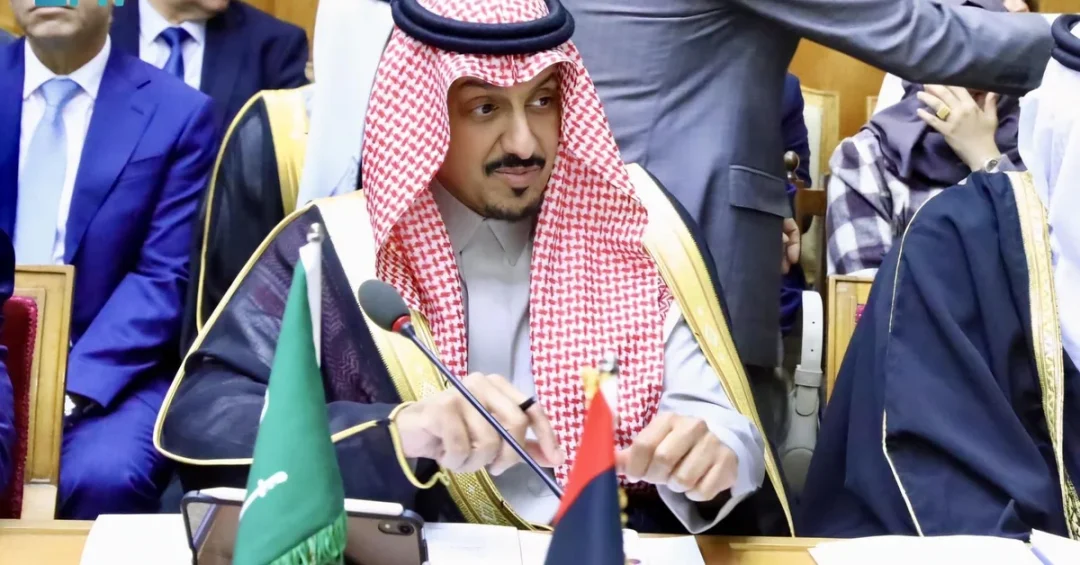
Saudi Arabia participated in the 35th session of the Executive Office of the Arab Ministerial Council for Tourism, held at the Arab League headquarters in Cairo on December 10, 2024, with the Kingdom represented by Abdulaziz bin Saleh Al-Gharib, Senior Advisor to the Ministry’s Undersecretary for International Affairs at the Ministry of Tourism. The meeting brought together delegation leaders from member states alongside representatives from several Arab and international organizations specializing in tourism, according to the Saudi Press Agency. The session reviewed the draft agenda for the 27th ordinary session of the Arab Ministerial Council for Tourism, scheduled for the following day, covering topics that range from tourism innovation and smart tourism to climate change impacts, economic intelligence, the selection of the Arab Tourism Capital for 2025, and integration between tourism and cultural heritage across Arab countries.
The gathering in Cairo reflects the continuing institutional coordination among Arab states on tourism policy at a moment when the sector is recovering and repositioning itself globally. For Saudi Arabia, participation in this multilateral framework complements its own ambitious tourism transformation under Vision 2030, which aims to diversify the national economy and raise the sector’s contribution to gross domestic product. The Kingdom’s engagement in Arab tourism governance signals a commitment to regional cooperation that extends beyond national borders, linking Saudi tourism development to broader Arab economic integration. Why does this kind of regional coordination matter for travelers, investors, and governments alike? Because tourism in the Arab world is increasingly a shared endeavor, where standards, marketing, and sustainability practices set in one country can shape opportunities across an entire region.
Context and Background
The Arab Ministerial Council for Tourism is one of the specialized ministerial councils operating under the League of Arab States, created to strengthen cooperation among member states in a sector that touches economic development, cultural exchange, and international image. Its Executive Office serves as the preparatory and follow-up mechanism, meeting ahead of the full ministerial session to align agendas, review technical studies, and coordinate positions. The 35th session in Cairo therefore represents a routine but important step in a long-standing institutional process, one that has gained new urgency as Arab economies seek to reduce dependence on hydrocarbons and build diversified, service-driven growth models.
Saudi Arabia’s presence at the session was led by Abdulaziz bin Saleh Al-Gharib, Senior Advisor to the Ministry’s Undersecretary for International Affairs at the Ministry of Tourism. His role underscores the Kingdom’s emphasis on international affairs and multilateral engagement as instruments of tourism policy. In recent years, Saudi Arabia has expanded its tourism diplomacy, hosting international events, signing cooperation agreements, and participating actively in regional and global tourism bodies. This participation is not merely symbolic; it allows the Kingdom to share its experience, learn from peers, and help shape the regional frameworks that will govern tourism flows, investment, and sustainability for years to come.
The timing of the session is significant. Arab tourism has rebounded strongly after the disruptions of the pandemic, and competition among destinations is intensifying. Countries across the region are investing in infrastructure, marketing, and regulatory reform. In that context, a coordinated Arab approach can amplify individual national efforts, create shared standards, and present the region as a coherent destination for travelers from Asia, Europe, and the Americas. How can Arab states balance healthy competition with the benefits of cooperation? The agenda items discussed in Cairo offer practical answers, from smart tourism to cultural heritage integration.
Key Details
The draft agenda reviewed at the 35th session includes several substantive topics. Tourism innovation and smart tourism topped the list, reflecting a region-wide push to use digital tools, data analytics, and new technologies to improve visitor experiences and destination management. The impact of climate change on the Arab tourism sector was also addressed, a recognition that coastal, desert, and heritage destinations face environmental risks that require coordinated adaptation strategies. Another item focused on enhancing the capabilities of economic intelligence in tourism, a field that uses data and analysis to inform investment, marketing, and policy decisions.
The agenda further included the selection of the Arab Tourism Capital for 2025, a designation that highlights a city’s cultural and tourism assets and can drive visitor numbers and investment. Finally, the session examined ways to foster integration between tourism and cultural heritage in Arab countries, linking the preservation of historic sites, traditions, and crafts with the economic opportunities created by cultural tourism. These topics are not isolated; they intersect with broader questions of sustainability, competitiveness, and identity. What do these agenda items reveal about the priorities of Arab tourism ministers? They show a region thinking strategically about how to compete globally while preserving what makes it unique.
Saudi Arabia’s own experience aligns closely with these themes. The Kingdom has invested heavily in smart tourism through digital platforms, streamlined visa processes, and data-driven destination management. It has also placed cultural heritage at the center of its tourism offer, from AlUla and Diriyah to the Red Sea and Asir regions. Climate adaptation is increasingly part of the planning calculus, particularly for coastal developments and desert experiences. By participating in the Cairo session, Saudi representatives could share these experiences and contribute to a regional agenda that reflects both ambition and responsibility.
International and Regional Impact
The outcomes of the Executive Office session will feed into the 27th ordinary session of the Arab Ministerial Council for Tourism, where ministers are expected to adopt decisions that guide regional cooperation. For international observers, the meeting signals that Arab states are organizing collectively to strengthen their position in the global tourism market. This matters for airlines, hotel groups, tour operators, and technology providers looking at the region as a growth area. A coordinated Arab approach can reduce friction for travelers, harmonize standards, and create larger, more attractive multi-country itineraries.
For Saudi Arabia, the session is part of a broader pattern of regional engagement that includes the Gulf Cooperation Council, the Arab League, and other multilateral platforms. The Kingdom’s tourism strategy is not purely national; it recognizes that visitors often combine destinations, and that the region’s reputation as a whole affects demand. By helping to shape Arab tourism policy, Saudi Arabia supports its own goals while contributing to the collective resilience of the Arab tourism economy. How does regional cooperation translate into real benefits for travelers? Through easier visas, better infrastructure, shared marketing, and richer cultural experiences that cross borders.
Economic and Strategic Significance
Tourism is a major economic driver for many Arab countries, contributing to employment, foreign exchange earnings, and infrastructure development. The topics discussed in Cairo, from smart tourism to economic intelligence, are directly linked to competitiveness. Smart tourism can improve efficiency and personalization, while economic intelligence helps governments and businesses anticipate demand and allocate resources effectively. Climate adaptation protects assets and ensures that tourism growth does not undermine the natural and cultural resources on which it depends. These are not abstract concerns; they shape investment decisions and long-term viability.
Saudi Arabia’s Vision 2030 sets a target of raising tourism’s contribution to GDP and attracting millions of international visitors. The Kingdom has launched giga-projects, relaxed visa rules, and invested in aviation and hospitality. Its participation in the Arab Ministerial Council for Tourism supports these objectives by fostering regional alignment on standards, data, and marketing. A stronger Arab tourism sector benefits Saudi Arabia, just as a thriving Saudi tourism sector benefits the region. What does this mean for the global economy? It means a more integrated, competitive, and attractive Arab tourism market that can capture a larger share of global travel demand.
Vision 2030 Alignment
Saudi Arabia’s participation in the 35th session of the Executive Office of the Arab Ministerial Council for Tourism is a clear expression of the Kingdom’s Vision 2030 commitment to international engagement and economic diversification. Vision 2030 envisions a Saudi Arabia that is open to the world, that preserves its heritage while embracing innovation, and that plays a leading role in regional and global affairs. Tourism is one of the key sectors identified to drive this transformation, and regional cooperation is an essential part of making it succeed.
Looking ahead, the decisions taken in Cairo will help shape the Arab tourism landscape for 2025 and beyond. Saudi Arabia will continue to work with its Arab partners to advance smart tourism, protect cultural heritage, address climate challenges, and promote the region as a premier destination. Through these efforts, the Kingdom reinforces its position as a responsible and forward-looking leader in the Arab world, contributing to a shared future of prosperity and cultural exchange. The session is a reminder that tourism is not only about travel; it is about building bridges, creating opportunities, and realizing the aspirations of a region on the rise.
20 Questions
Q1. What was the 35th session of the Executive Office of the Arab Ministerial Council for Tourism?
A1. It was a meeting held at the Arab League headquarters in Cairo on December 10, 2024, bringing together delegation leaders from member states and representatives of Arab and international tourism organizations to prepare for the 27th ordinary session.
Q2. Who represented Saudi Arabia at the 35th session?
A2. Saudi Arabia was represented by Abdulaziz bin Saleh Al-Gharib, Senior Advisor to the Ministry’s Undersecretary for International Affairs at the Ministry of Tourism, according to the Saudi Press Agency.
Q3. Where and when did the 35th session take place?
A3. The session took place at the Arab League headquarters in Cairo on December 10, 2024, as reported by the Saudi Press Agency.
Q4. What is the Arab Ministerial Council for Tourism?
A4. It is a specialized ministerial council under the League of Arab States that promotes cooperation among member states in tourism, with an Executive Office that prepares and follows up on its decisions.
Q5. What is the purpose of the Executive Office session?
A5. The Executive Office meets ahead of the full ministerial session to review draft agendas, coordinate positions, and prepare topics for ministerial discussion and adoption.
Q6. What topics were on the draft agenda for the 27th ordinary session?
A6. The agenda included tourism innovation and smart tourism, climate change impacts, economic intelligence in tourism, selecting the Arab Tourism Capital for 2025, and integrating tourism with cultural heritage.
Q7. Why is smart tourism a priority for Arab countries?
A7. Smart tourism uses digital tools and data to improve visitor experiences, manage destinations efficiently, and enhance competitiveness, which is increasingly important as global travel demand grows.
Q8. How does climate change affect Arab tourism?
A8. Climate change poses risks to coastal, desert, and heritage destinations, including rising temperatures, sea-level rise, and extreme weather, requiring coordinated adaptation strategies across the region.
Q9. What is economic intelligence in tourism?
A9. It refers to the use of data, analysis, and market intelligence to inform tourism investment, marketing, and policy decisions, helping countries anticipate trends and allocate resources effectively.
Q10. What is the Arab Tourism Capital designation?
A10. It is an annual title awarded to an Arab city to recognize its tourism and cultural assets, aiming to boost visitor numbers, investment, and international visibility for the selected destination.
Q11. Why is cultural heritage integration important for Arab tourism?
A11. Linking tourism with cultural heritage helps preserve historic sites, traditions, and crafts while creating economic opportunities and enriching the visitor experience, strengthening both identity and income.
Q12. How does Saudi Arabia’s participation benefit the Kingdom?
A12. It allows Saudi Arabia to share its tourism experience, learn from peers, and help shape regional frameworks that support its Vision 2030 goals of economic diversification and international engagement.
Q13. What is Saudi Arabia’s Vision 2030 tourism target?
A13. Vision 2030 aims to raise tourism’s contribution to GDP and attract millions of international visitors, supported by giga-projects, visa reforms, and investment in aviation and hospitality.
Q14. How does regional cooperation help travelers?
A14. Cooperation can lead to easier visa processes, harmonized standards, better infrastructure, and multi-country itineraries, making the Arab region more attractive and accessible for international visitors.
Q15. What role does the Arab League play in tourism?
A15. The Arab League provides the institutional framework for the Arab Ministerial Council for Tourism and its Executive Office, facilitating coordination among member states on tourism policy and strategy.
Q16. What are the next steps after the 35th session?
A16. The draft agenda will be considered at the 27th ordinary session of the Arab Ministerial Council for Tourism, where ministers are expected to adopt decisions and guide future cooperation.
Q17. How does Saudi Arabia support smart tourism domestically?
A17. Saudi Arabia has invested in digital platforms, streamlined visa processes, and data-driven destination management, enhancing visitor experiences and supporting the growth of the tourism sector.
Q18. What Saudi destinations exemplify cultural tourism?
A18. AlUla, Diriyah, the Red Sea, and Asir are among the destinations that showcase Saudi Arabia’s heritage, natural beauty, and cultural offerings to international visitors.
Q19. Why is tourism important for Arab economies?
A19. Tourism contributes to employment, foreign exchange earnings, and infrastructure development, making it a key sector for economic diversification and growth across the Arab world.
Q20. How does the 35th session reflect Saudi Arabia’s global role?
A20. It demonstrates Saudi Arabia’s active participation in multilateral tourism governance, aligning with Vision 2030’s goal of a diversified economy and a leadership role in regional and global affairs.
Reader Feedback
We value your thoughts. Please share your feedback on this article.
Your feedback helps us improve our coverage.
Related articles
 Madinah Airport Welcomes 10 Millionth Passenger of 2024
 Winter Getaways Await in the Northern Borders Region
 AlUla Majestic Mountains Celebrated on International Mountain Day
 Tabuk Mountains Embraced by Snow and Clouds
 Al-Shuqaiq: Saudi Coastal Gem Boosting Tourism and Investment
 Jazan’s Mountains: A Hub for Investment and Tourism