


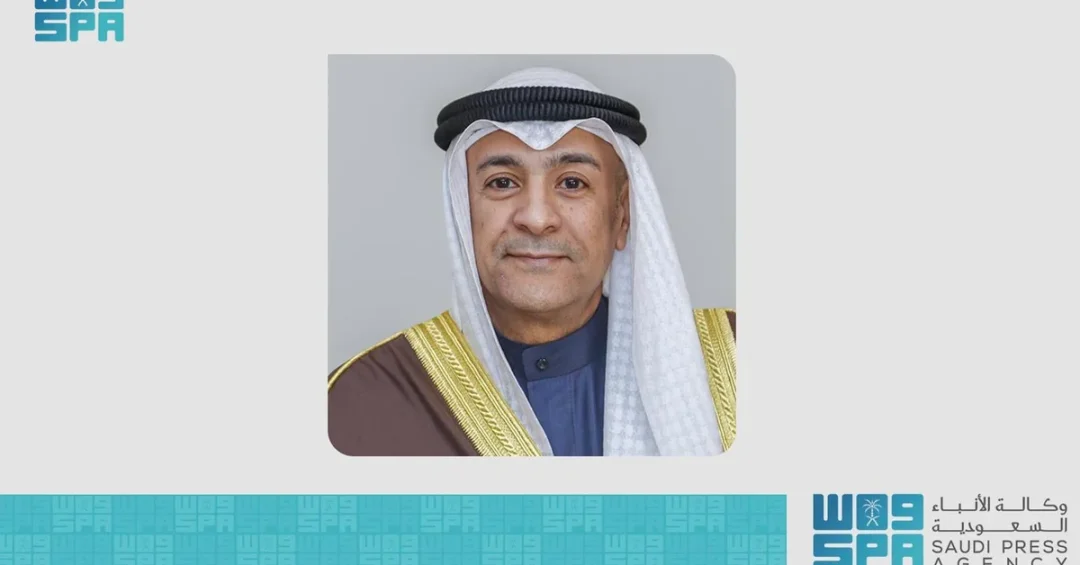
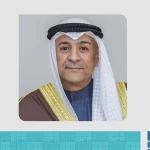
Secretary General of the Gulf Cooperation Council (GCC) Jasem Albudaiwi met with United Nations Human Settlements Programme (UN-Habitat) Deputy Executive Director Michal Mlynár in Doha on December 8, 2024, on the sidelines of the 22nd Doha Forum, held under the theme “The Innovation Imperative.” The meeting, reported by the Saudi Press Agency (SPA), focused on opportunities for cooperation and partnership between the GCC and UN-Habitat and on exerting further joint efforts in the fields of sustainable urbanization, housing, and human settlements across the Gulf region. The two officials also discussed the latest regional and international developments and other issues of common interest, underscoring the GCC’s continued engagement with multilateral institutions on matters that directly affect the quality of life of citizens and residents.
The encounter took place during one of the Middle East’s most prominent diplomatic gatherings, the Doha Forum, which each year convenes heads of state, ministers, international organization leaders, and policy experts to address pressing global challenges. For the GCC, whose six member states are pursuing ambitious national transformation agendas, the meeting represents another step in aligning regional urban development strategies with international best practices and the Sustainable Development Goals. It also reflects the growing recognition that cities, housing, and infrastructure are central to economic competitiveness, social stability, and environmental sustainability. How does such cooperation translate into tangible improvements for communities across the Gulf? The answer lies in the practical projects, policy exchanges, and capacity-building initiatives that follow from these high-level conversations.
Context and Background
Why does a meeting between the GCC and UN-Habitat matter at this particular moment in global affairs? The Gulf region is experiencing one of the fastest rates of urbanization in the world, with cities such as Riyadh, Jeddah, Doha, Dubai, and Kuwait City expanding rapidly as they absorb growing populations and diversify their economies away from hydrocarbons. This urban growth brings immense opportunities, including new industries, smarter infrastructure, and higher living standards, but it also creates challenges related to housing affordability, transportation, water management, and environmental quality. International partnerships offer access to technical expertise, comparative data, and proven policy frameworks that can help Gulf states manage these pressures effectively.
UN-Habitat, headquartered in Nairobi, Kenya, is the United Nations agency mandated to promote socially and environmentally sustainable towns and cities. It supports governments in developing urban policies, improving slum conditions, strengthening resilience to climate change, and implementing the New Urban Agenda adopted at the Habitat III conference in Quito in 2016. The agency works with national and local authorities, civil society, and the private sector to ensure that urbanization becomes a positive force for development. For the GCC, which has already invested heavily in world-class infrastructure and smart city technologies, UN-Habitat represents a natural partner in refining policies and sharing Gulf innovations with other regions.
The Doha Forum, hosted annually by Qatar, provides a neutral and influential platform for these discussions. The 22nd edition’s theme, “The Innovation Imperative,” highlights the role of technology, creativity, and new governance models in solving global problems. By meeting on the forum’s sidelines, Albudaiwi and Mlynár signaled that urban development is not a peripheral issue but an integral part of the innovation agenda. The GCC’s participation in such forums also reinforces its commitment to multilateral diplomacy and to positioning the Gulf as a constructive actor in global governance.
Key Details of the Meeting
What specifically did the two officials discuss, and what outcomes can be expected? According to the Saudi Press Agency, the talks centered on opportunities for cooperation and partnership between the GCC and UN-Habitat, with an emphasis on exerting further joint efforts in this area. This language suggests a desire to move beyond general declarations toward concrete collaboration, potentially including joint studies, pilot projects, technical workshops, and the exchange of experts. The GCC General Secretariat, based in Riyadh, coordinates policies among Bahrain, Kuwait, Oman, Qatar, Saudi Arabia, and the United Arab Emirates, giving it a unique ability to scale successful initiatives across the region.
The meeting also covered the latest regional and international developments and other issues of common interest. While the SPA report did not specify which developments were discussed, such conversations typically touch on geopolitical tensions, humanitarian crises, climate change, and economic volatility, all of which have direct implications for urban planning and housing. For example, conflict and displacement can strain housing markets in neighboring countries, while climate events such as extreme heat and flooding require resilient infrastructure. By maintaining an open channel with UN-Habitat, the GCC can respond more effectively to these cross-border challenges.
Michal Mlynár, a seasoned Slovak diplomat who has served as UN-Habitat’s Deputy Executive Director, brings extensive experience in multilateral affairs and sustainable development. His engagement with GCC officials reflects the agency’s interest in deepening ties with a region that possesses significant financial resources, technical know-how, and a track record of delivering large-scale projects. Jasem Albudaiwi, a Kuwaiti diplomat who became GCC Secretary General in 2023, has prioritized strengthening the council’s international partnerships and advancing its role in regional stability and development. This meeting fits squarely within that agenda.
International and Regional Impact
How might this meeting influence the broader Middle East and beyond? The GCC’s collaboration with UN-Habitat could serve as a model for other regional organizations seeking to engage with UN agencies on urban issues. The Gulf’s experience in building smart cities, such as NEOM in Saudi Arabia and Masdar City in the UAE, offers valuable lessons for developing countries grappling with rapid urbanization. By sharing these lessons through UN-Habitat’s global networks, the GCC can enhance its soft power and contribute to the achievement of Sustainable Development Goal 11, which calls for inclusive, safe, resilient, and sustainable cities and communities.
At the regional level, improved urban planning and housing policies can reduce social inequalities, ease pressure on infrastructure, and improve public health outcomes. Gulf governments are already investing in affordable housing programs, public transportation, and green spaces as part of their national visions. UN-Habitat’s technical support can help optimize these investments, ensuring that they are evidence-based and aligned with international standards. Moreover, cooperation on urban resilience can help the region adapt to climate change, which poses existential risks to coastal cities and water-scarce inland areas alike.
The meeting also carries diplomatic significance. It demonstrates that the GCC remains actively engaged with the United Nations system despite global geopolitical fragmentation. By working with UN-Habitat, the GCC reinforces its commitment to multilateralism and to the rules-based international order, principles that are central to Saudi Arabia’s foreign policy and to its Vision 2030 goal of becoming a global hub for diplomacy, business, and innovation.
Economic and Strategic Significance
Why should investors, businesses, and policymakers pay attention to this development? Urban development is big business in the Gulf. Mega-projects such as NEOM, the Red Sea Project, and Qatar’s Lusail City represent hundreds of billions of dollars in investment, and they depend on effective planning, regulation, and international expertise. Partnerships with UN-Habitat can help de-risk these projects by providing independent assessments, sustainability certifications, and access to global best practices. They can also open doors to new markets for Gulf companies specializing in construction, engineering, smart technology, and renewable energy.
From a strategic perspective, sustainable urbanization is closely tied to economic diversification. As Gulf economies reduce their dependence on oil, cities must become engines of innovation, tourism, and knowledge-intensive industries. UN-Habitat’s focus on inclusive and sustainable urban development aligns with this goal by promoting mixed-use districts, efficient transport networks, and affordable housing that attracts talent and fosters entrepreneurship. The GCC’s ability to coordinate policies across six countries gives it leverage to create harmonized standards that make the entire region more attractive to global investors.
Furthermore, the meeting underscores the importance of data and innovation in urban governance. UN-Habitat promotes the use of spatial data, digital mapping, and performance indicators to guide decision-making. Gulf states are already leaders in adopting smart city technologies, and collaboration with UN-Habitat can help them refine these tools and export them to other regions. This exchange of knowledge is mutually beneficial and reinforces the Gulf’s position as a source of solutions, not just a recipient of aid.
Vision 2030 Alignment
How does this meeting connect to Saudi Arabia’s Vision 2030 and the broader aspirations of the Gulf? Vision 2030, launched by Crown Prince Mohammed bin Salman in 2016, aims to transform Saudi Arabia into a diversified, innovative, and globally engaged economy. Its quality-of-life program includes ambitious targets for housing, urban development, and smart cities, all of which require international partnerships and technical cooperation. The GCC’s engagement with UN-Habitat directly supports these objectives by facilitating access to global expertise and by promoting Saudi Arabia’s own urban innovations on the world stage.
Beyond Saudi Arabia, the meeting reflects a region-wide commitment to sustainable development. GCC member states have collectively invested in renewable energy, green building standards, and public transportation, and they are increasingly aligning their national strategies with the Sustainable Development Goals. The partnership with UN-Habitat provides a framework for scaling these efforts and for measuring progress against international benchmarks. As the Gulf continues to urbanize and diversify, cooperation with the United Nations will remain essential to ensuring that growth is inclusive, resilient, and sustainable.
In the end, the Albudaiwi-Mlynár meeting is more than a diplomatic courtesy. It is a signal that the GCC intends to be a proactive partner in shaping the future of cities, both within its borders and around the world. By leveraging the expertise of UN-Habitat and the resources of its member states, the council can help build communities that are not only economically vibrant but also socially cohesive and environmentally responsible. That is a vision worth pursuing, and it is one that aligns squarely with the long-term interests of Saudi Arabia and its neighbors.
20 Questions
Q1. Who met in Doha on December 8, 2024?
A1. GCC Secretary General Jasem Albudaiwi met with UN-Habitat Deputy Executive Director Michal Mlynár on the sidelines of the 22nd Doha Forum.
Q2. What was the main theme of the 22nd Doha Forum?
A2. The forum was held under the theme “The Innovation Imperative,” focusing on technology and new governance models to solve global challenges.
Q3. What organization does Jasem Albudaiwi lead?
A3. Jasem Albudaiwi is the Secretary General of the Gulf Cooperation Council, which coordinates policies among six Arab Gulf states.
Q4. What is UN-Habitat’s primary mission?
A4. UN-Habitat promotes socially and environmentally sustainable towns and cities, supporting governments in urban policy, housing, and resilience.
Q5. Which countries are members of the GCC?
A5. The GCC comprises Bahrain, Kuwait, Oman, Qatar, Saudi Arabia, and the United Arab Emirates, with its secretariat based in Riyadh.
Q6. What topics were discussed at the meeting?
A6. Discussions focused on cooperation between the GCC and UN-Habitat, joint efforts in sustainable urbanization, and regional and international developments.
Q7. Why is urbanization a key issue for the Gulf region?
A7. Gulf cities are among the fastest-growing in the world, requiring effective planning for housing, infrastructure, and environmental sustainability.
Q8. How does UN-Habitat support sustainable development?
A8. It helps governments implement the New Urban Agenda, improve slum conditions, and build resilience to climate change through technical expertise.
Q9. What is the significance of the Doha Forum?
A9. The Doha Forum is a major international gathering that convenes leaders to address global challenges and promote dialogue and innovation.
Q10. How does this meeting benefit Saudi Arabia’s Vision 2030?
A10. It supports Vision 2030’s quality-of-life goals by facilitating access to global expertise in housing, smart cities, and sustainable urban development.
Q11. What role does the GCC play in regional development?
A11. The GCC coordinates policies among member states, enabling scaled initiatives in infrastructure, housing, and economic diversification.
Q12. What is Michal Mlynár’s background?
A12. Michal Mlynár is a Slovak diplomat with extensive experience in multilateral affairs, serving as UN-Habitat’s Deputy Executive Director.
Q13. What are some examples of Gulf smart cities?
A13. Examples include NEOM in Saudi Arabia, Masdar City in the UAE, and Lusail City in Qatar, which showcase advanced urban technologies.
Q14. How can UN-Habitat help Gulf states with climate resilience?
A14. UN-Habitat provides tools for climate-adaptive planning, such as resilient infrastructure, water management, and heat mitigation strategies.
Q15. What is Sustainable Development Goal 11?
A15. SDG 11 aims to make cities inclusive, safe, resilient, and sustainable, a goal that aligns with Gulf urban development strategies.
Q16. Why is international cooperation important for urban development?
A16. It provides access to best practices, data, and innovation, helping countries avoid pitfalls and accelerate progress toward sustainable cities.
Q17. How does this meeting reflect Saudi Arabia’s foreign policy?
A17. It demonstrates Saudi Arabia’s commitment to multilateralism and its active role in global governance and development partnerships.
Q18. What economic opportunities arise from sustainable urbanization?
A18. It creates jobs in construction, technology, and green industries, and attracts investment by improving livability and competitiveness.
Q19. What are the next steps after this meeting?
A19. The GCC and UN-Habitat are expected to explore joint projects, technical exchanges, and policy cooperation to advance sustainable urbanization.
Q20. How does this meeting contribute to global innovation?
A20. By sharing Gulf innovations in smart cities and sustainable design, the partnership helps spread solutions that can benefit cities worldwide.
Reader Feedback
We value your thoughts. Please share your feedback on this article.
Your feedback helps us improve our coverage.
Related articles
 Prince Turki bin Mohammed bin Fahd Receives Japanese Ambassador
 Saudi Reserve Launches First Marine Patrol Boats
 COP16 People’s Day: Indigenous, Youth Rally Against Land Degradation
 FMF2024 Report: $5.4 Trillion Mineral Investment Needed by 2035
 Cambodian Senate President Arrives in Riyadh for Official Visit
 GCC Chief Emphasizes Dialogue and Diplomacy for Peace