


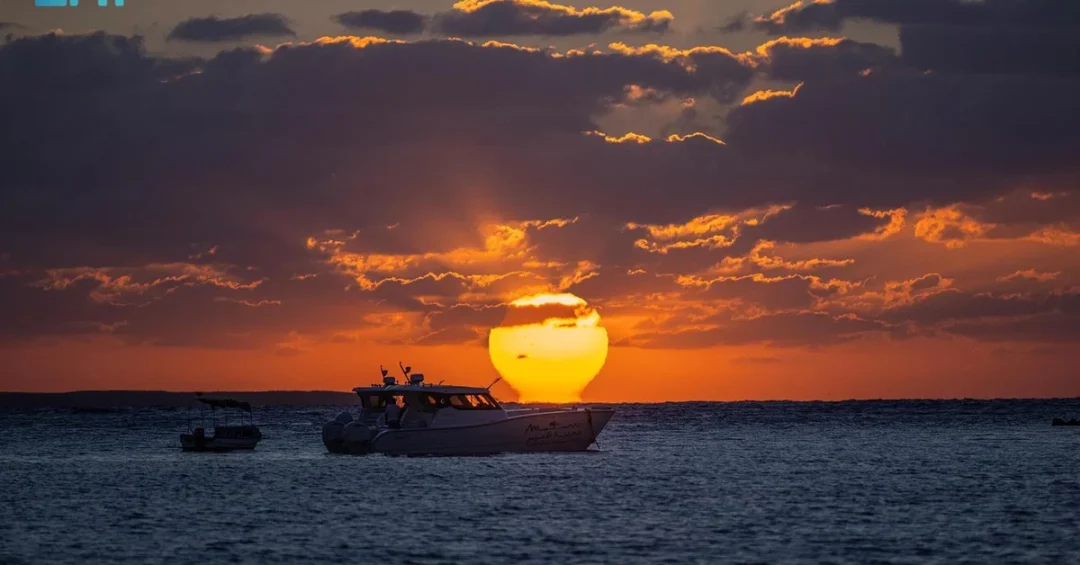
Prince Mohammed bin Salman Royal Reserve has commissioned its first two marine patrol boats, “In Our Nature 1” and “In Our Nature 2,” in a landmark expansion of Saudi Arabia’s marine conservation capabilities along the Kingdom’s northwest coast. The announcement, released via the Saudi Press Agency from Al-Wajh on December 8, 2024, marks a significant step forward for one of the Kingdom’s most ambitious environmental protection initiatives, extending the reserve’s operational reach across a marine area of 3,856 square kilometers that stretches to the edge of Saudi territorial waters.
The two custom-built vessels are designed to support long-range deep-sea missions as well as shallow coastal operations, and are fitted with carb-star rated motors for fuel efficiency and low emissions. Crewed by specialist marine rangers who were born and raised within the reserve, the boats represent far more than a logistical upgrade. They signal Saudi Arabia’s growing determination to protect the marine ecosystems of the Red Sea — a region of extraordinary biodiversity that includes 64 percent of the Kingdom’s coral species and 22 percent of its fish species. Could this development set a new benchmark for environmental stewardship across the region?
Context and Background
How did a stretch of Saudi Arabia’s northwest coastline become one of the most strategically important conservation zones in the Middle East? The Prince Mohammed bin Salman Royal Reserve covers 1.8 percent of the Kingdom’s waters, with a 170-kilometer-long coastline that is the longest under the management of a single conservation agency in Saudi Arabia. Its marine environment is exceptionally rich: coral reefs stretch across the entirety of the reserve, inhabited by hundreds of species of fish, crustaceans, and molluscs, while seagrass meadows sway in the gentle currents, protecting juvenile fish and acting as essential foraging grounds for turtles and dugongs.
The reserve is one of just two Royal reserves in the Kingdom to include a marine area, underscoring its unique status within Saudi Arabia’s protected zone network. It provides critical habitat for endangered species including the Hawksbill turtle and the Green turtle, as well as populations of Spinner dolphin, Dugong, and Whale shark. Critical gray mangrove ecosystems also fall under its protection. The connectivity of these habitats along the northwest coastline is vital not only for local biodiversity but for the broader health of the Red Sea marine corridor, which supports fisheries, tourism, and coastal communities across the region.
Since its establishment, the reserve has pursued what its leadership describes as a landscape and seascape-wide restoration program. The commissioning of the two patrol boats is the latest milestone in that journey, following years of capacity-building that has included specialist training for rangers and partnerships with national agencies. The reserve’s dedicated team of marine rangers received a six-week sea search and rescue course from the Border Guard, equipping them with the skills needed to operate safely in challenging offshore conditions while carrying out enforcement, research, and emergency response duties.
Key Details of the Marine Patrol Launch
What exactly do these two vessels bring to the reserve’s operations? According to Andrew Zaloumis, CEO of the Prince Mohammed bin Salman Royal Reserve, the commissioning of the new boats enables marine-wide compliance and research capabilities. “Our specialist marine rangers crewing them are born and raised in the reserve and have an intimate knowledge of its waters,” Zaloumis said. “The reserve is committed to a landscape and seascape-wide restoration program, and these boats are another key step forward in that restoration journey.” The vessels, named “In Our Nature 1” and “In Our Nature 2,” have been custom built to allow for long-range deep-sea missions as well as shallow coastal work — a dual capability that reflects the diverse geography of the reserve.
The boats will work in coordination with the Border Guard to ensure that the marine section of the reserve continues to be protected and conserved. This partnership is central to maintaining the connectivity of coral and other key ecosystems and habitats along the northwest coastline. Rangers also collaborate with the NCW Fisheries Department and the National Centre of Environmental Compliance (NCEC), serving as part of disaster management rescue teams that patrol for oil and chemical spills. The integration of the reserve’s marine rangers into these national response frameworks demonstrates how environmental protection and public safety are increasingly intertwined in Saudi Arabia’s coastal management strategy.
The human dimension of the initiative is equally compelling. Mashari Marzouq, a former fisherman turned ranger, joined the reserve in 2021 and today serves as a marine ranger team leader. His work with the reserve taught him the importance of conserving the environment. “Together, we can protect our natural heritage for present and future generations,” he said. Marzouq’s personal journey from fisherman to conservation leader reflects the reserve’s commitment to engaging local communities and drawing on traditional knowledge of the sea — an approach that strengthens both the effectiveness and the sustainability of conservation efforts.
Protecting Endangered Species and Ecosystems
Why does the reserve’s work matter so much for global biodiversity? The reserve is home to both the endangered Hawksbill turtle and the Green turtle, and through a partnership with the General Organization for Conservation of Coral Reef and Sea Turtles in Red Sea (SHAMS), the rangers have received specialist training on turtle conservation. Recording turtle landings and protecting turtle nesting sites with special cages is an important duty for the reserve’s marine rangers. These hands-on conservation activities directly support the survival of species that are under pressure across much of their global range.
The reserve’s marine environment is a treasure trove of biodiversity. Coral reefs stretch across the entirety of the reserve, inhabited by hundreds of species of fish, crustaceans, and molluscs. Seagrass meadows sway in the gentle currents, protecting fish and acting as foraging grounds for turtles and dugongs. The presence of Whale sharks and Spinner dolphins adds further ecological significance. The reserve protects the habitats of these endangered species, enabling them to thrive — a mission that resonates far beyond Saudi Arabia’s borders, given the Red Sea’s role as a globally significant marine biodiversity hotspot.
The new patrol boats will enhance the rangers’ ability to monitor these ecosystems, conduct research, and respond to threats such as illegal fishing, pollution, and habitat degradation. By extending the reserve’s operational reach across its full marine area, the boats enable a more comprehensive approach to conservation — one that matches the scale of the ecological challenges and opportunities present along the northwest coastline.
International and Regional Impact
How does Saudi Arabia’s marine conservation effort resonate on the international stage? The Prince Mohammed bin Salman Royal Reserve’s expanded capabilities align with a broader global movement toward protecting 30 percent of the world’s oceans by 2030, a target endorsed by the United Nations Convention on Biological Diversity. Saudi Arabia’s investment in marine patrol vessels, ranger training, and cross-agency coordination positions the Kingdom as a serious contributor to that global agenda. The reserve’s work also supports the objectives of the Red Sea Initiative and other regional environmental frameworks that seek to safeguard the marine environment shared by multiple nations.
For neighboring countries and international partners, the reserve’s progress offers a model of how coastal conservation can be integrated with national security, scientific research, and community engagement. The involvement of the Border Guard, the NCW Fisheries Department, and the National Centre of Environmental Compliance demonstrates a whole-of-government approach that other nations may seek to emulate. Moreover, the reserve’s emphasis on employing local rangers — individuals with deep personal connections to the sea — highlights a community-based conservation philosophy that is gaining traction worldwide. Could this integrated model become a template for marine protection across the Red Sea region?
Economic and Strategic Significance
What does marine conservation mean for Saudi Arabia’s economic future? The health of the Red Sea’s marine ecosystems is directly linked to the Kingdom’s growing tourism and fisheries sectors. Pristine coral reefs, thriving turtle populations, and abundant fish stocks are assets that support dive tourism, recreational fishing, and the broader hospitality industry — key components of Saudi Arabia’s economic diversification strategy. By protecting these natural assets, the reserve helps safeguard the long-term viability of marine-related industries that create jobs and attract international visitors.
Strategically, the reserve’s marine area extends to the edge of the Kingdom’s territorial waters, giving Saudi Arabia a significant role in managing a substantial portion of the Red Sea’s coastal environment. This responsibility carries diplomatic weight, as marine conservation is an increasingly important dimension of international relations. The reserve’s collaboration with national agencies and its adherence to environmental compliance standards reinforce Saudi Arabia’s reputation as a responsible steward of its natural resources. The commissioning of the patrol boats is thus both an environmental and a strategic investment — one that enhances the Kingdom’s capacity to monitor and protect its maritime domain while contributing to global conservation goals.
Vision 2030 Alignment
How does this initiative fit into Saudi Arabia’s long-term transformation? The Prince Mohammed bin Salman Royal Reserve’s marine patrol launch is a direct expression of Vision 2030’s commitment to environmental sustainability and quality of life. The Vision recognizes that protecting natural ecosystems is essential to building a diversified, resilient economy and a society that values its heritage. By investing in marine conservation infrastructure, training local rangers, and fostering partnerships across government agencies, the reserve contributes to the Vision’s goals of enhancing environmental protection, promoting sustainable tourism, and creating economic opportunities in regions like Al-Wajh and the northwest coast.
The reserve’s work also supports the broader objectives of the Saudi Green Initiative, which aims to protect 30 percent of the Kingdom’s land and sea areas by 2030. As the reserve extends its operational reach with the new patrol boats, it brings Saudi Arabia closer to that target while demonstrating that environmental stewardship and economic development can advance together. The dedication of rangers like Mashari Marzouq, the support of national agencies, and the leadership of the reserve’s CEO, Andrew Zaloumis, all point to a future in which Saudi Arabia’s marine heritage is not only protected but celebrated as a source of national pride and global admiration. In a world where ocean health is increasingly recognized as a shared responsibility, the Kingdom is charting a course that others may well follow.
20 Questions
Q1. What is the Prince Mohammed bin Salman Royal Reserve?
A1. The Prince Mohammed bin Salman Royal Reserve is a protected conservation area in northwest Saudi Arabia. It includes a 3,856 square kilometer marine area and a 170-kilometer coastline, making it one of the Kingdom’s most important environmental reserves.
Q2. What were the first two patrol boats launched by the reserve?
A2. The first two patrol boats are named “In Our Nature 1” and “In Our Nature 2.” They were custom built to support long-range deep-sea and shallow coastal operations, and are fitted with carb-star rated motors for fuel efficiency and low emissions.
Q3. Who announced the launch of the patrol boats?
A3. The launch was announced via the Saudi Press Agency from Al-Wajh on December 8, 2024. Andrew Zaloumis, CEO of the Prince Mohammed bin Salman Royal Reserve, commented on the commissioning and its significance for marine conservation.
Q4. What percentage of Saudi Arabia’s waters does the reserve cover?
A4. The reserve covers 1.8 percent of the Kingdom’s waters. Its marine area extends to the edge of Saudi Arabia’s territorial waters, giving it a strategically important role in protecting the Red Sea’s coastal environment.
Q5. How long is the reserve’s coastline?
A5. The reserve’s coastline is 170 kilometers long. It is the longest coastline under the management of a single conservation agency in the Kingdom, highlighting the reserve’s unique scale and responsibility.
Q6. What marine species are found in the reserve?
A6. The reserve is home to 64 percent of the Kingdom’s coral species and 22 percent of its fish species. It also hosts Hawksbill and Green turtles, Spinner dolphins, Dugongs, Whale sharks, and critical gray mangrove ecosystems.
Q7. What did Andrew Zaloumis say about the new boats?
A7. Andrew Zaloumis said the commissioning of the boats enables marine-wide compliance and research capabilities. He noted that the specialist marine rangers are born and raised in the reserve and have intimate knowledge of its waters.
Q8. Who crews the new patrol boats?
A8. The boats are crewed by specialist marine rangers, many of whom were born and raised in the reserve area. Their local knowledge and training make them highly effective at protecting the reserve’s marine environment.
Q9. What kind of motors do the patrol boats use?
A9. The boats are fitted with carb-star rated motors, which are designed for fuel efficiency and low emissions. This reflects the reserve’s commitment to environmentally responsible operations.
Q10. How do the boats support conservation efforts?
A10. The boats enable long-range deep-sea and shallow coastal work, allowing rangers to conduct research, monitor ecosystems, and ensure compliance with environmental regulations across the reserve’s full marine area.
Q11. Which agencies do the reserve rangers work with?
A11. The rangers work with the Border Guard, the NCW Fisheries Department, and the National Centre of Environmental Compliance (NCEC). They also serve on disaster management rescue teams patrolling for oil and chemical spills.
Q12. What training did the marine rangers receive?
A12. The marine rangers received a specialist six-week sea search and rescue course from the Border Guard. They also received specialist training on turtle conservation through a partnership with SHAMS.
Q13. Who is Mashari Marzouq?
A13. Mashari Marzouq is a former fisherman who joined the reserve in 2021. Today he is a marine ranger team leader. His work with the reserve taught him the importance of conserving the environment.
Q14. What did Mashari Marzouq say about conservation?
A14. Mashari Marzouq said, “Together, we can protect our natural heritage for present and future generations.” His statement reflects the reserve’s commitment to community-based conservation and long-term environmental stewardship.
Q15. What endangered turtle species live in the reserve?
A15. The reserve is home to both the endangered Hawksbill turtle and the Green turtle. Rangers record turtle landings and protect nesting sites with special cages to support these species’ survival.
Q16. What is SHAMS and how does it help the reserve?
A16. SHAMS is the General Organization for Conservation of Coral Reef and Sea Turtles in Red Sea. Through a partnership with SHAMS, the reserve’s rangers have received specialist training on turtle conservation.
Q17. What is the reserve’s marine environment like?
A17. The marine environment is rich in biodiversity. Coral reefs stretch across the reserve, inhabited by hundreds of species of fish, crustaceans, and molluscs. Seagrass meadows protect fish and provide foraging grounds for turtles and dugongs.
Q18. How does the reserve contribute to Saudi Vision 2030?
A18. The reserve supports Vision 2030’s environmental sustainability goals. It contributes to the Saudi Green Initiative’s target of protecting 30 percent of the Kingdom’s land and sea areas by 2030.
Q19. What is the significance of the reserve’s marine area?
A19. The marine area is key to maintaining the connectivity of coral and other ecosystems along the northwest coastline. It supports fisheries, tourism, and coastal communities, and is vital for regional biodiversity.
Q20. What does the future hold for the reserve’s conservation work?
A20. The reserve is committed to a landscape and seascape-wide restoration program. The new patrol boats are a key step forward, enabling expanded research, compliance, and protection efforts for years to come.
Reader Feedback
We value your thoughts. Please share your feedback on this article.
Your feedback helps us improve our coverage.
Related articles
 COP16 People’s Day: Indigenous, Youth Rally Against Land Degradation
 FMF2024 Report: $5.4 Trillion Mineral Investment Needed by 2035
 Cambodian Senate President Arrives in Riyadh for Official Visit
 GCC Chief Emphasizes Dialogue and Diplomacy for Peace
 Saudi Arabia Monitors Syria Developments, Backs Stability
 Vice Foreign Minister Meets Chinese Ambassador to Saudi Arabia