


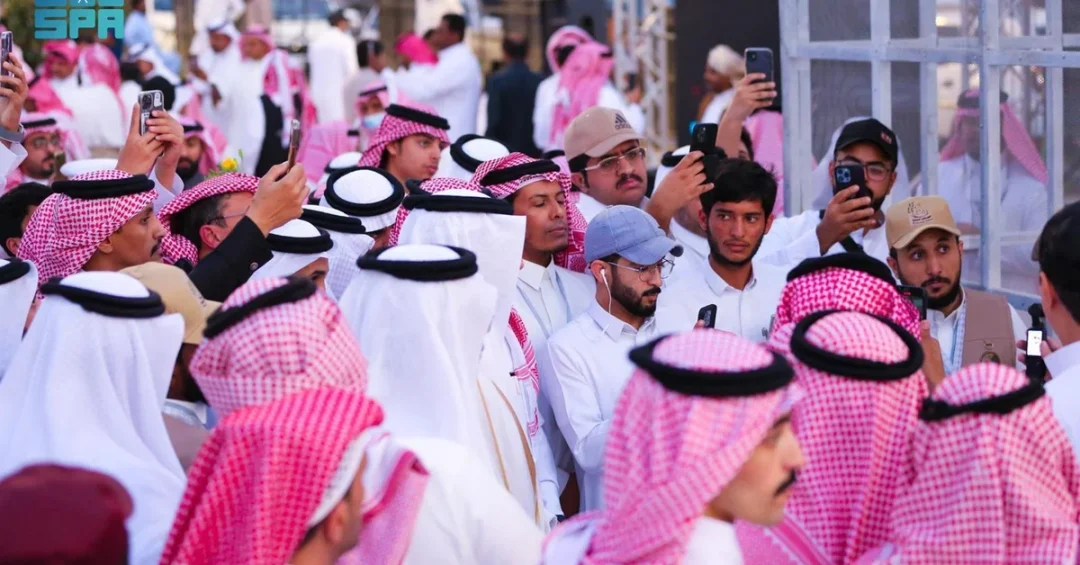
The First Haneeth Festival in Mahayil Governorate, located approximately 80 kilometers northwest of Abha in the Aseer Region, is drawing visitors and tourists with a vibrant program of cultural, culinary and recreational activities set against the region’s famously warm winter climate. Organized by the Aseer Region Municipality as part of its winter tourism program, the festival celebrates the heritage of the Aseer region while placing its most famous traditional dish, Haneeth, at the center of the experience. According to the Saudi Press Agency, the event has attracted significant interest from locals and tourists alike, with cultural evenings, awareness workshops and daily food-safety testing forming the backbone of the program.
Have you ever wondered how a single traditional dish can open a window onto an entire region’s history, identity and hospitality? The festival offers exactly that kind of window, presenting Haneeth not merely as a meal but as a symbol of Aseer’s generosity, craftsmanship and enduring customs. Visitors from across the Kingdom and beyond are discovering that the event is as much about storytelling, poetry and community as it is about food, reflecting the broader transformation of Saudi tourism into an experience-driven sector.
Context and Background
The First Haneeth Festival is part of a wider seasonal tourism push by the Aseer Region Municipality, which has been expanding its winter calendar to position the highland region as a leading domestic and international destination. Mahayil Governorate sits roughly 80 kilometers northwest of Abha, the regional capital, and benefits from mild winter temperatures that make outdoor gatherings comfortable for families and travelers. The Saudi Press Agency reported that the festival blends cultural and recreational events, drawing interest from both residents and visitors who come to experience the region’s distinctive traditions firsthand.
Why does a regional food festival matter on a national scale? Because Saudi Arabia’s tourism strategy increasingly depends on authentic local experiences that cannot be replicated elsewhere. Aseer’s heritage, architecture, agriculture and cuisine form a package that appeals to travelers seeking meaning as well as leisure. By anchoring a winter program around Haneeth, the municipality is turning a beloved local specialty into a recognizable destination brand, one capable of extending the tourism season and distributing visitor spending beyond the main cities.
The event also reflects a broader pattern across the Kingdom, where governorates are encouraged to design their own cultural calendars within national tourism frameworks. This localized approach allows each region to highlight what makes it unique while contributing to a unified national narrative of discovery, hospitality and economic diversification. For Mahayil, the festival is an opportunity to introduce its name to a much wider audience.
Cultural Evenings and Community Participation
A highlight of the festival has been its cultural evenings, which spotlight the rich heritage and traditions of the Aseer region. Poets and writers from across the region, alongside participants from Al-Qunfudah Governorate, showcased their talent and celebrated the area’s unique cultural identity. These gatherings transform the festival from a simple food event into a platform for oral tradition, literature and intergenerational exchange, giving younger Saudis a chance to connect with the artistic forms that shaped their communities.
How often do travelers get to hear poetry recited in the very landscape that inspired it? At the Haneeth Festival, that experience is part of the program. The presence of contributors from Al-Qunfudah underscores the event’s regional reach, drawing participants from beyond Aseer’s immediate boundaries and reinforcing the idea that Saudi cultural heritage is shared, layered and interconnected. Awareness workshops complement the performances, addressing topics that matter to local families and visitors alike.
Community involvement is central to the festival’s design. By inviting local poets, writers and artisans to participate, organizers ensure that the event is not a staged attraction but a genuine expression of regional identity. This approach builds pride among residents and creates meaningful encounters for tourists, who leave with a deeper understanding of Aseer’s people rather than just its scenery.
Food Safety and Quality Assurance
A hallmark of the festival is its emphasis on food quality, especially for the renowned Haneeth meal, a signature dish for the region. Various government agencies are actively involved in monitoring and ensuring the safety of food products. The Food Safety Laboratory of the Aseer Region Municipality conducts daily testing of samples provided by festival participants, ensuring high standards and the safety of consumers throughout the event’s run.
Why is such rigorous oversight so important for a culinary festival? Because trust is the foundation of any food destination, and Saudi authorities are determined to protect visitors while showcasing local specialties. Daily laboratory testing demonstrates a proactive approach that goes beyond basic inspections, verifying that ingredients, preparation methods and storage conditions meet stringent requirements. The result is a festival where families can enjoy traditional dishes with confidence.
This commitment to quality also elevates the reputation of Haneeth itself. When a regional dish is presented under strict safety standards and consistent preparation guidelines, it becomes easier to promote nationally and internationally as a premium Saudi culinary experience. The collaboration among government agencies, organizers and participants sets a benchmark that other food festivals across the Kingdom can follow as Saudi Arabia’s gastronomic tourism sector continues to mature.
International and Regional Impact
The festival’s appeal extends beyond Aseer’s borders, contributing to Saudi Arabia’s growing reputation as a destination for cultural and culinary tourism. International visitors exploring the Kingdom’s highlands now have another reason to include Mahayil in their itineraries, particularly during the winter months when the region’s climate is at its most inviting. Regional travelers from neighboring Gulf countries are also part of the audience, drawn by the combination of heritage, hospitality and accessible mountain scenery.
Can a local festival really influence how the world sees a country? In Saudi Arabia’s case, the answer is yes. Each well-organized event adds a layer to the national image, showing that the Kingdom offers diverse, high-quality experiences rooted in authentic culture. The Haneeth Festival supports this narrative by presenting Aseer as a place where tradition and modern organization coexist, and where visitors are welcomed with genuine warmth and professionalism.
The event also strengthens regional cooperation within Saudi Arabia itself. Participation from Al-Qunfudah Governorate illustrates how provinces can support one another’s tourism efforts, sharing talent and audiences. This internal collaboration creates a more cohesive domestic tourism market and gives smaller governorates visibility that they might not achieve independently.
Economic and Strategic Significance
From an economic perspective, the festival stimulates local commerce in multiple ways. Food vendors, artisans, hospitality providers and transport operators all benefit from increased footfall, while the event creates temporary opportunities for young Saudis seeking experience in tourism and event management. The emphasis on Haneeth also supports local agricultural and livestock supply chains, connecting producers to a wider market through the visibility the festival provides.
What makes this kind of event strategically valuable for the Kingdom? It aligns leisure spending with domestic destinations, encourages repeat visits and builds the skills base needed for a thriving tourism sector. As Saudi Arabia invests in resorts, roads and cultural infrastructure, festivals like this one ensure that communities are active participants in growth rather than passive observers. The model is scalable, replicable and rooted in local strengths.
Additionally, the festival contributes to seasonality management. Winter is a peak period in Aseer, but spreading activities across governorates helps balance demand and reduces pressure on a single location. This thoughtful planning supports sustainable tourism, protecting natural and cultural assets while maximizing economic returns for residents.
Vision 2030 Alignment
The Haneeth Festival embodies several core objectives of Saudi Vision 2030, particularly the diversification of the economy and the expansion of cultural and entertainment offerings. By transforming regional heritage into a visitor experience, the Aseer Region Municipality is helping to create a tourism sector that celebrates Saudi identity while generating jobs and investment. The festival also supports the Quality of Life Program by giving families and young people accessible, meaningful activities close to home.
Will events like this shape the next decade of Saudi tourism? They already are. Every successful festival builds confidence among investors, entrepreneurs and travelers, proving that the Kingdom’s cultural wealth can be presented at world-class standards. As Vision 2030 continues to unfold, Mahayil’s Haneeth Festival stands as a clear example of how local initiative, government support and community pride combine to create lasting value for Saudi Arabia and its guests.
20 Questions
Q1. What is the First Haneeth Festival?
A1. It is a cultural and culinary event in Mahayil Governorate, Aseer Region, organized by the Aseer Region Municipality as part of its winter tourism program to celebrate the region’s heritage and its signature Haneeth dish.
Q2. Where is Mahayil Governorate located?
A2. Mahayil Governorate is situated approximately 80 kilometers northwest of Abha, the capital of the Aseer Region in southwestern Saudi Arabia, an area known for its mountains and mild winter climate.
Q3. Who organized the festival?
A3. The Aseer Region Municipality organized the festival as part of its winter tourism program, with support from various government agencies involved in monitoring food safety and event quality.
Q4. What is Haneeth?
A4. Haneeth is a traditional Saudi dish of slow-cooked lamb or goat, typically prepared in an underground oven, and it is widely regarded as a signature meal of the Aseer region.
Q5. Why is the festival important for tourism?
A5. It attracts visitors and tourists to Mahayil during winter, extends the tourism season, and showcases authentic local culture, supporting Saudi Arabia’s efforts to diversify its visitor economy.
Q6. What activities are offered at the festival?
A6. The program includes cultural evenings, awareness workshops, poetry and literary presentations, and culinary experiences centered on Haneeth, along with recreational activities for families and tourists.
Q7. Which poets and writers participated?
A7. Poets and writers from across the Aseer region, alongside participants from Al-Qunfudah Governorate, took part in the cultural evenings, celebrating the area’s unique cultural identity.
Q8. How is food safety ensured at the festival?
A8. The Food Safety Laboratory of the Aseer Region Municipality conducts daily testing of samples provided by festival participants to ensure high standards and consumer safety.
Q9. Which government agencies are involved?
A9. Various government agencies are actively involved in monitoring and ensuring the safety of food products, with the Aseer Region Municipality’s Food Safety Laboratory leading daily testing efforts.
Q10. What makes Aseer’s winter attractive to visitors?
A10. Aseer’s famously warm winter climate offers comfortable temperatures for outdoor events, making the region a popular seasonal destination for domestic and international tourists.
Q11. How does the festival support local communities?
A11. It creates commercial opportunities for food vendors, artisans and hospitality providers, while giving young Saudis experience in tourism and event management, strengthening the local economy.
Q12. Does the festival have regional participation?
A12. Yes. Participants from Al-Qunfudah Governorate joined the event, demonstrating regional cooperation and the shared cultural heritage that connects Saudi Arabia’s provinces.
Q13. What is the significance of the cultural evenings?
A13. They spotlight Aseer’s heritage and traditions, provide a platform for poets and writers, and allow visitors to experience the region’s living culture rather than just its landmarks.
Q14. How does the festival align with Vision 2030?
A14. It supports economic diversification, cultural enrichment and the Quality of Life Program by turning regional heritage into a sustainable tourism experience that generates jobs and investment.
Q15. Is the festival suitable for families?
A15. Yes. The blend of cultural, recreational and culinary activities, combined with strict food safety measures, makes the festival an accessible and enjoyable destination for families.
Q16. What role does the Aseer Region Municipality play?
A16. It organizes and oversees the festival, coordinates government agency involvement, and ensures that food safety and quality standards are maintained throughout the event.
Q17. How long does the festival run?
A17. The festival is part of the municipality’s winter tourism program and continues across the season, with daily activities and food safety testing conducted for participating vendors.
Q18. Why is Haneeth considered a signature dish?
A18. Haneeth’s slow-cooking method, distinctive flavor and association with generous hospitality have made it a beloved symbol of Aseer’s culinary identity and a highlight for visitors.
Q19. What economic benefits does the festival bring?
A19. It increases footfall for local businesses, supports agricultural and livestock supply chains, and creates temporary employment and training opportunities in tourism and event management.
Q20. What does the festival say about Saudi tourism’s future?
A20. It shows that locally rooted, professionally managed events can attract diverse audiences, strengthen regional identity and contribute to Saudi Arabia’s broader tourism and Vision 2030 goals.
Reader Feedback
We value your thoughts. Please share your feedback on this article.
Your feedback helps us improve our coverage.
Related articles
 Cruise Saudi Welcomes Own Ship AROYA to Jeddah
 Riyadh Season 2024 Attracts 10 Million Visitors
 Al-Sayahid Desert Retreats Fully Booked at Camel Festival
 Saudi Ministry of Tourism Hosts COP16 Panel on Sustainable Tourism
 Mufti of Kyrgyzstan Visits Hira Cultural District
 Tourism Development Fund Awarded EFQM ‘Qualified’ Certification