


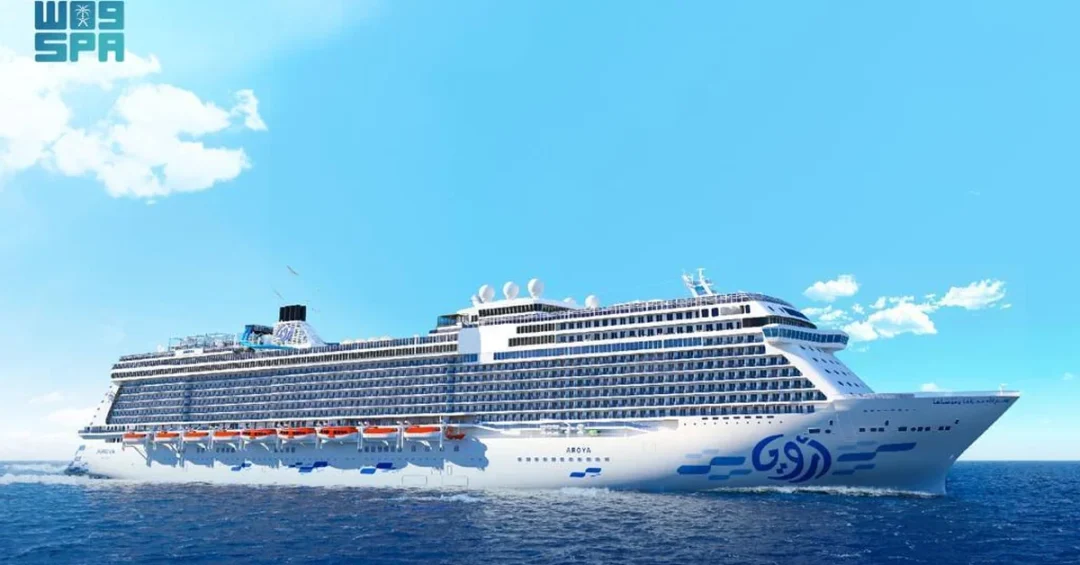
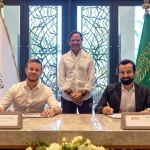
Cruise Saudi, a company owned by the Public Investment Fund (PIF), announced that AROYA Cruises’ inaugural ship, AROYA, arrived in Jeddah on December 7, 2024, marking a historic milestone for the Kingdom’s maritime tourism sector. The arrival positions Jeddah Islamic Port as the primary departure point for the new Arabian cruise line’s Red Sea itineraries, a development that underscores Saudi Arabia’s rapid progress in building a world-class tourism ecosystem in line with Vision 2030. The occasion was celebrated with a traditional plaque and key ceremony attended by senior executives, including Chief Executive Officer of Cruise Saudi Lars Clasen, President of AROYA Cruises Dr. Jörg Rudolph, Captain of AROYA Jan Gelinder, and Chief Destination Experiences Officer Barbara Buczek. The event signals the culmination of months of preparation and reflects the Kingdom’s determination to become a leading global cruise destination. What does this moment mean for the future of tourism in Saudi Arabia and beyond?
The arrival of AROYA follows an extensive transformation in Bremerhaven and Rotterdam, where 95 percent of the ship’s spaces were completely redesigned to reflect Arabian heritage. The vessel now offers an exceptional cruising experience with a fully reimagined interior, blending modern luxury with regional authenticity. Cruise Saudi confirmed that infrastructure and logistics services at Jeddah Islamic Port are fully prepared to accommodate large cruise ships, following a comprehensive modernization of its facilities. The port’s historical significance as the primary gateway to the Two Holy Mosques in Makkah and Madinah further enhances its status as a global tourist hub. With AROYA’s maiden voyage scheduled to depart Jeddah on December 16 for a three-night journey across the Red Sea, the Kingdom is poised to welcome a new era of maritime tourism. How will this inaugural season set the tone for Saudi Arabia’s ambitions on the high seas?
Context and Background: The Rise of Cruise Saudi
Established in 2021 as part of the Public Investment Fund’s broader strategy to diversify the national economy, Cruise Saudi has quickly become a cornerstone of the Kingdom’s tourism expansion. The company was created to develop the entire cruise value chain, from infrastructure and port operations to destination management and cruise line ownership. Its mandate aligns directly with Vision 2030’s goal of attracting 100 million visitors annually by 2030 and increasing tourism’s contribution to GDP from 3 percent to 10 percent. The arrival of AROYA, the first ship owned by Cruise Saudi, represents a major step in that journey, demonstrating the speed at which the Kingdom has moved from concept to execution. In just three years, Cruise Saudi has gone from a newly launched entity to a shipowner and operator, a feat that few destinations have achieved in such a short time. What does this rapid progress reveal about Saudi Arabia’s capacity to deliver on its tourism promises?
Before AROYA, Cruise Saudi focused on building partnerships with international cruise lines, developing port infrastructure, and promoting the Red Sea as a cruise destination. The company invested in modernizing Jeddah Islamic Port and other ports along the Red Sea coast to handle larger vessels and provide seamless passenger experiences. These efforts have already borne fruit, with several global cruise brands adding Saudi ports to their itineraries. However, the launch of AROYA Cruises marks a shift from enabling others to operating a homegrown product. The ship itself is a floating showcase of Arabian hospitality, designed to offer passengers an immersive cultural experience that begins the moment they step on board. By owning and operating its own vessel, Cruise Saudi gains greater control over the quality of the experience and can tailor itineraries to showcase the Kingdom’s unique attractions. How might this ownership model influence the way international travelers perceive Saudi Arabia as a cruise destination?
The transformation of AROYA took place in Bremerhaven, Germany, and Rotterdam, Netherlands, where 95 percent of the ship’s spaces were completely redesigned. This extensive refit involved hundreds of craftsmen, designers, and engineers working to infuse the vessel with Arabian aesthetics and functionality. The result is a ship that feels both luxurious and authentically regional, with design elements inspired by traditional souqs, desert landscapes, and Red Sea coral reefs. The decision to undertake such a comprehensive renovation rather than simply rebranding an existing ship underscores the Kingdom’s commitment to delivering a world-class product. It also highlights the growing collaboration between Saudi Arabia and European maritime expertise, a partnership that brings together global best practices with local vision. What does this level of investment say about Saudi Arabia’s long-term commitment to the cruise industry?
Key Details: A Ship Unlike Any Other
AROYA is outfitted with a wide range of world-class facilities designed to cater to diverse passenger preferences. Among its standout features is a souq-inspired shopping district, which is the largest retail area ever built on a cruise ship. This vibrant marketplace allows guests to browse for souvenirs, luxury goods, and local crafts in an environment that evokes the traditional markets of the Arabian Peninsula. The ship also boasts luxurious spa facilities and a wellness center, 29 restaurants, lounges, and cafés, 20 entertainment venues, and one of the largest children’s play areas at sea. These amenities are not merely about luxury; they are carefully curated to ensure that every guest, from families to solo travelers, finds something engaging and enjoyable. By offering such a comprehensive range of experiences, AROYA aims to compete with the world’s leading cruise lines while offering a distinctly Arabian flavor. How will this unique blend of Arabian heritage and modern amenities redefine the cruise experience for international travelers?
The ship’s interior design reflects a deep respect for Arabian heritage, with spaces that pay homage to the region’s history and culture. From the moment passengers board, they are immersed in an environment that celebrates the Kingdom’s traditions while embracing contemporary comfort. The souq-inspired retail area, for instance, is not just a shopping venue but a cultural experience, with architecture and décor that mimic the winding alleys of historic markets. Similarly, the dining options showcase both local and international cuisine, allowing guests to sample Saudi dishes alongside global favorites. The wellness center incorporates traditional Arabian therapies, offering a holistic approach to relaxation. These thoughtful touches demonstrate that AROYA is more than a ship; it is a floating ambassador for Saudi culture. How might this emphasis on cultural authenticity influence the way the world sees Saudi Arabia’s tourism offerings?
Cruise Saudi has confirmed that Jeddah Islamic Port is fully prepared to accommodate large cruise ships, thanks to a comprehensive modernization program. The port now features state-of-the-art terminals, efficient immigration and customs processes, and enhanced logistics services to ensure smooth turnaround operations. Its location is strategically significant, as it serves as the primary gateway to the Two Holy Mosques in Makkah and Madinah, making it a natural hub for religious and leisure travelers alike. The port’s modernization is part of a broader effort to upgrade Saudi Arabia’s maritime infrastructure, which includes developments in other Red Sea ports and along the eastern coast. These investments are designed to support the growing cruise sector and position the Kingdom as a key player in the global cruise market. What role will Jeddah Islamic Port play in establishing Saudi Arabia as a premier cruise destination in the region?
International and Regional Impact
The launch of AROYA Cruises is set to have significant implications for the regional and international cruise industry. The Middle East has long been a destination for global cruise lines, but the presence of a Saudi-owned and operated cruise line adds a new dimension to the market. AROYA will compete not only with established international brands but also with other regional operators, offering passengers a unique Arabian experience that cannot be replicated elsewhere. This competition is likely to drive innovation and improve service standards across the industry, benefiting travelers. Moreover, the ship’s Red Sea itineraries will showcase the Kingdom’s untouched coastline, pristine islands, and rich cultural heritage, attracting a new segment of travelers who might not have considered Saudi Arabia before. How will the entry of AROYA influence the competitive landscape of cruise tourism in the Middle East?
From a regional perspective, AROYA’s arrival strengthens Saudi Arabia’s ties with neighboring countries, particularly Egypt and Jordan, which share the Red Sea coastline. Cruise itineraries could include stops at Egyptian and Jordanian ports, fostering greater tourism cooperation and economic integration. This aligns with the Kingdom’s broader efforts to promote regional stability and prosperity through economic collaboration. Additionally, the ship will serve as a floating showcase for Saudi Vision 2030, introducing international guests to the Kingdom’s rapid modernization and cultural richness. The positive word-of-mouth generated by satisfied passengers could have a multiplier effect, encouraging more tourists to explore Saudi Arabia by land and sea. In a region often characterized by geopolitical tensions, tourism can serve as a bridge for dialogue and understanding. How might AROYA contribute to fostering stronger people-to-people ties across the Red Sea?
Economic and Strategic Significance
The economic impact of AROYA’s arrival extends far beyond the cruise industry itself. The ship’s operations will generate demand for a wide range of goods and services, from food and beverages to fuel and maintenance, creating opportunities for local businesses. The influx of cruise passengers will boost spending in Jeddah’s retail, hospitality, and transportation sectors, supporting job creation and small business growth. According to industry estimates, the cruise sector can contribute billions of riyals to the national economy over the coming years, with each cruise ship visit generating significant direct and indirect spending. As the primary departure point, Jeddah will benefit disproportionately, cementing its status as a commercial and tourism hub on the Red Sea. How will the economic ripple effects of AROYA be felt across Jeddah and the wider Makkah region?
Strategically, the ownership of AROYA gives Saudi Arabia greater control over its tourism narrative and allows it to tailor offerings to the preferences of local, regional, and international guests. It also reduces reliance on foreign cruise operators, ensuring that a larger share of tourism revenue remains within the Kingdom. This is consistent with Vision 2030’s goal of localizing key sectors and building domestic capabilities. Furthermore, the ship serves as a symbol of national pride and a testament to what can be achieved when vision, investment, and execution align. The fact that AROYA was transformed in Europe but is now based in Jeddah highlights the global partnerships that underpin Saudi Arabia’s tourism strategy. How does owning a cruise line enhance Saudi Arabia’s soft power and international standing?
Vision 2030 Alignment and Forward Look
The arrival of AROYA is a direct manifestation of Vision 2030’s objectives to diversify the economy, create jobs, and position Saudi Arabia as a global tourism destination. Tourism is one of the key pillars of the Vision, and the cruise sector is an integral part of that pillar. By establishing a homegrown cruise line, the Kingdom is not only attracting visitors but also building a sustainable industry that will continue to grow and evolve. The ship’s maiden voyage on December 16 will mark the beginning of regular Red Sea cruises, with plans to expand itineraries and add more ships in the future. As Cruise Saudi continues to develop the cruise ecosystem, it will contribute to the broader goals of increasing tourism’s GDP share and creating employment opportunities for Saudi youth. What will the next decade hold for Saudi Arabia’s cruise industry as it builds on this foundation?
Looking ahead, Cruise Saudi’s ambitions extend beyond AROYA. The company is exploring new routes, partnerships, and vessel acquisitions to expand its fleet and reach. The Red Sea, with its pristine coral reefs, historic ports, and luxury resort developments, offers immense potential for cruise tourism. By integrating cruise offerings with land-based attractions such as NEOM, the Red Sea Project, and AlUla, Saudi Arabia can offer a seamless travel experience that appeals to a wide range of travelers. The arrival of AROYA is just the first chapter in a story that promises to reshape the region’s tourism landscape. As the Kingdom continues to invest in infrastructure, marketing, and human capital, it is well on its way to becoming a top global cruise destination. How will the world respond to Saudi Arabia’s bold vision for the seas?
20 Questions
Q1. What is AROYA and why is its arrival in Jeddah significant?
A1. AROYA is the inaugural ship of AROYA Cruises, owned by Cruise Saudi, a Public Investment Fund company. Its arrival in Jeddah on December 7, 2024, marks the first time a Saudi-owned cruise ship will homeport in the Kingdom, signaling a new era for Red Sea tourism.
Q2. Who attended the plaque and key ceremony in Jeddah?
A2. The ceremony was attended by Lars Clasen, CEO of Cruise Saudi; Dr. Jörg Rudolph, President of AROYA Cruises; Captain Jan Gelinder of AROYA; and Barbara Buczek, Chief Destination Experiences Officer, among other officials and guests.
Q3. Where was AROYA transformed before arriving in Jeddah?
A3. AROYA underwent extensive dry-docking and redesign in Bremerhaven, Germany, and Rotterdam, Netherlands, where 95 percent of its spaces were completely transformed to reflect Arabian heritage, blending modern luxury with regional authenticity.
Q4. What unique facilities does AROYA offer to passengers?
A4. AROYA features a souq-inspired shopping district—the largest retail area ever built on a cruise ship—luxurious spa facilities, a wellness center, 29 restaurants, lounges, cafés, 20 entertainment venues, and one of the largest children’s play areas at sea.
Q5. When will AROYA’s maiden voyage depart and for how long?
A5. AROYA’s maiden voyage will depart Jeddah on December 16, 2024, taking passengers on a three-night journey across the Red Sea, offering a taste of the ship’s unique Arabian cruising experience.
Q6. What did Lars Clasen say about the arrival of AROYA?
A6. Lars Clasen, CEO of Cruise Saudi, described the arrival as the beginning of a new chapter for Cruise Saudi and Saudi tourism, highlighting that the company was only launched in 2021 and now owns its first ship just three years later.
Q7. How does Jeddah Islamic Port support large cruise ships?
A7. Jeddah Islamic Port has undergone comprehensive modernization, with state-of-the-art terminals, efficient immigration and customs processes, and enhanced logistics services, making it fully prepared to accommodate large cruise ships and serve as a primary departure point.
Q8. Why is Jeddah Islamic Port historically significant?
A8. Jeddah Islamic Port is the primary gateway to the Two Holy Mosques in Makkah and Madinah, giving it immense historical and religious significance. This enhances its status as a global tourist hub for both pilgrimage and leisure travelers.
Q9. What is Cruise Saudi and when was it established?
A9. Cruise Saudi is a Public Investment Fund company established in 2021 to develop the cruise sector in Saudi Arabia. It focuses on infrastructure, destination management, and cruise line ownership, aligning with Vision 2030’s tourism goals.
Q10. How does AROYA reflect Arabian heritage?
A10. AROYA’s interior design incorporates Arabian aesthetics, including a souq-inspired shopping district, traditional décor, and regional cuisine. The ship serves as a floating ambassador for Saudi culture, offering an authentic Arabian experience to international guests.
Q11. What economic benefits will AROYA bring to Saudi Arabia?
A11. AROYA will generate demand for local goods and services, boost spending in Jeddah’s retail, hospitality, and transportation sectors, and create jobs. The cruise sector is expected to contribute billions of riyals to the national economy over time.
Q12. How does AROYA align with Vision 2030?
A12. AROYA supports Vision 2030’s goals of diversifying the economy, increasing tourism’s GDP contribution to 10 percent, and attracting 100 million visitors annually by 2030. It also localizes the cruise industry and creates employment for Saudi youth.
Q13. What role does the Red Sea play in Saudi Arabia’s tourism strategy?
A13. The Red Sea offers pristine coral reefs, historic ports, and luxury resort developments, making it a prime destination for cruise tourism. It is central to Saudi Arabia’s efforts to become a top global cruise destination and diversify tourism offerings.
Q14. How will AROYA compete with international cruise lines?
A14. AROYA differentiates itself by offering a unique Arabian experience, with cultural authenticity, world-class amenities, and Red Sea itineraries. This niche positioning allows it to attract travelers seeking something new and distinctive.
Q15. What other ports in Saudi Arabia support cruise tourism?
A15. Besides Jeddah Islamic Port, Cruise Saudi has developed infrastructure at other Red Sea ports and along the eastern coast. These ports are being upgraded to handle cruise ships and provide seamless passenger experiences.
Q16. How does AROYA contribute to Saudi Arabia’s soft power?
A16. By showcasing Saudi hospitality and culture to international guests, AROYA enhances the Kingdom’s image abroad. It also demonstrates Saudi Arabia’s ability to execute large-scale tourism projects, strengthening its global standing and influence.
Q17. What are the future plans for Cruise Saudi and AROYA Cruises?
A17. Cruise Saudi plans to expand its fleet, add new itineraries, and integrate cruise offerings with land-based attractions like NEOM and AlUla. The company aims to make Saudi Arabia a leading cruise destination in the region.
Q18. How does AROYA’s arrival impact regional tourism cooperation?
A18. AROYA’s itineraries could include stops in neighboring countries like Egypt and Jordan, fostering tourism cooperation and economic integration. This promotes regional stability and shared prosperity through tourism.
Q19. What makes AROYA’s retail area unique?
A19. AROYA’s souq-inspired shopping district is the largest retail area ever built on a cruise ship. It replicates the atmosphere of traditional Arabian markets, offering a cultural and shopping experience that is unmatched at sea.
Q20. What can passengers expect on AROYA’s maiden voyage?
A20. Passengers on AROYA’s maiden voyage will enjoy a three-night Red Sea journey with access to all the ship’s facilities, including diverse dining, entertainment, wellness, and shopping options, all infused with Arabian hospitality and culture.
Reader Feedback
We value your thoughts. Please share your feedback on this article.
Your feedback helps us improve our coverage.
Related articles
 Riyadh Season 2024 Attracts 10 Million Visitors
 Al-Sayahid Desert Retreats Fully Booked at Camel Festival
 Saudi Ministry of Tourism Hosts COP16 Panel on Sustainable Tourism
 Mufti of Kyrgyzstan Visits Hira Cultural District
 Tourism Development Fund Awarded EFQM ‘Qualified’ Certification
 Red Sea Global Signs Deal for Private Jet Terminal at RSI