


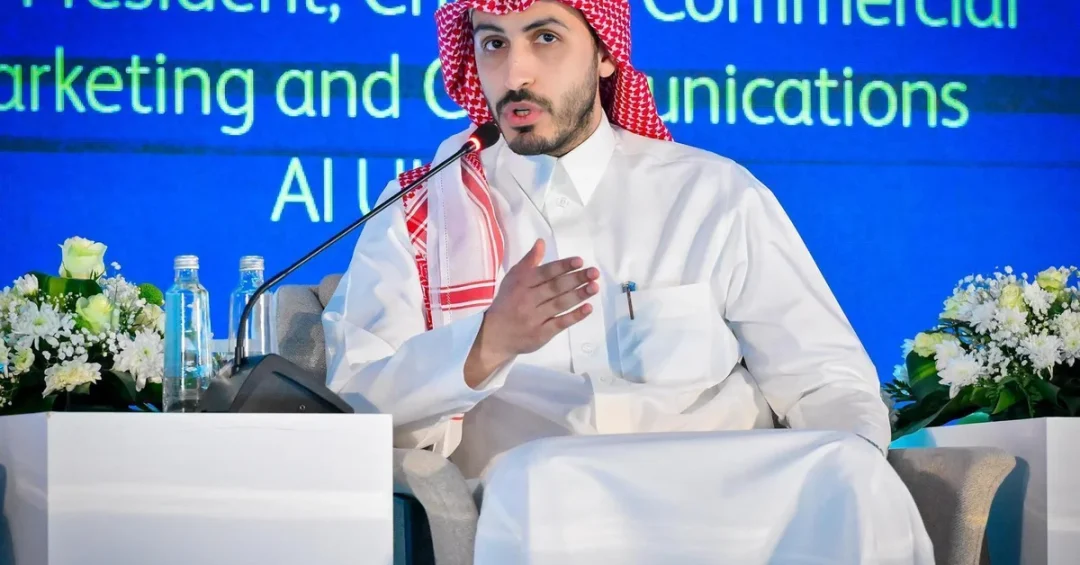
Saudi Arabia’s Sports Investment Forum (SIF), held in Riyadh, examined how investment and privatization are reshaping the Kingdom’s sports clubs, with a dedicated session on the second day titled “Investment Diversity and Asset Allocation in the Sports Industry.” The session, reported by the Saudi Press Agency (SPA), brought together participants who highlighted the substantial assets held by the Ministry of Sport, particularly club real estate and stadiums, and explored how privatization can open new doors for private-sector involvement through a range of ownership and partnership models. The discussion reflects a broader national effort to modernize the sports sector in line with Saudi Vision 2030.
But why does the privatization of sports clubs matter so much right now, and what does it mean for the Kingdom’s global sporting ambitions? As Saudi Arabia continues to invest heavily in sport as a driver of economic diversification and social progress, the forum’s deliberations signal a strategic shift from state-managed clubs toward a more commercially dynamic ecosystem. The SIF, an annual gathering of investors, policymakers, and sports executives, has become a key platform for articulating how the sports industry can contribute to national development, attract foreign capital, and create sustainable opportunities for young Saudis.
Context and Background
How did Saudi Arabia’s sports sector evolve to the point where privatization became a central topic of discussion? For decades, most Saudi sports clubs operated under the umbrella of the Ministry of Sport, relying on government subsidies and limited private sponsorship. While this model produced passionate fan bases and competitive teams, it also constrained clubs’ ability to invest in infrastructure, youth development, and global branding. The launch of Saudi Vision 2030 in 2016 introduced a comprehensive reform agenda that identified sport as a vital enabler of economic diversification, public health, and international engagement.
In recent years, the Ministry of Sport, led by Minister of Sport Prince Abdulaziz bin Turki Al-Faisal, has overseen a series of initiatives aimed at transforming the sector. These include the privatization of several major clubs, the establishment of the Saudi Pro League as a globally recognized competition, and the creation of the Sports Investment Forum as a platform to connect local clubs with international investors. The forum’s second-day session on investment diversity and asset allocation underscored that the government is serious about transferring operational control of clubs to the private sector while retaining a supportive regulatory framework.
The session also drew attention to the valuable assets owned by the Ministry of Sport, particularly club real estate and stadiums. These assets represent a significant foundation for privatization, as they can be monetized, redeveloped, or used as collateral for financing. By unlocking the commercial potential of these properties, the government aims to attract private capital, improve fan experiences, and generate new revenue streams that can be reinvested into grassroots sports and elite performance.
Key Details from the Forum Session
What specific models of privatization and investment were discussed at the forum? According to SPA, participants emphasized that privatization offers opportunities for the private sector through various ownership and partnership models. These models range from full divestment of club ownership to public-private partnerships (PPPs), minority equity stakes, and management contracts. Each model has its own advantages and challenges, and the forum provided a venue for stakeholders to compare international best practices with the Saudi context.
The session highlighted that the Ministry of Sport’s real estate holdings, including stadiums and training facilities, are among the most attractive assets for investors. These properties can be developed into multi-use entertainment destinations, integrated with retail, hospitality, and community spaces, thereby maximizing their economic value beyond match days. Participants noted that such developments align with Vision 2030’s goals of boosting non-oil GDP and creating jobs in the tourism and entertainment sectors.
Furthermore, the discussion addressed the need for a clear regulatory framework to ensure transparency, protect fan interests, and maintain the competitiveness of the Saudi Pro League. The Ministry of Sport has already taken steps in this direction by introducing licensing requirements, financial fair play rules, and governance standards. The forum served as a reminder that privatization is not merely about selling assets; it is about building a sustainable sports ecosystem that can compete on the global stage.
International and Regional Impact
How will the privatization of Saudi clubs influence the broader Middle East and global sports landscape? Saudi Arabia’s sports transformation has already attracted worldwide attention, from the signing of international football stars to the hosting of major events like the FIFA World Cup 2034. The privatization drive is expected to further integrate the Kingdom into the global sports economy, attracting foreign investment, expertise, and media rights deals. Regional neighbors are watching closely, as Saudi Arabia’s approach could serve as a blueprint for other Gulf states seeking to commercialize their sports sectors.
On the international stage, the involvement of private investors could lead to more competitive Saudi clubs in Asian and global competitions, enhancing the reputation of the Saudi Pro League. It could also foster partnerships with European clubs, leagues, and sports marketing agencies, facilitating player exchanges, youth academies, and co-branded initiatives. The forum’s emphasis on investment diversity suggests that Saudi Arabia is open to a wide range of international collaborators, from sovereign wealth funds to private equity firms and family offices.
Economic and Strategic Significance
Why is privatization considered a strategic imperative for Saudi Arabia’s economy? The sports sector is a key component of Vision 2030’s economic diversification strategy, which aims to reduce dependence on oil and create a vibrant private sector. By privatizing clubs, the government can shift the financial burden of running them to private entities, while generating revenue through asset sales, taxes, and increased economic activity. The Ministry of Sport estimates that the sports industry could contribute significantly to GDP and employment in the coming years.
Moreover, privatization can stimulate ancillary industries such as construction, hospitality, tourism, and digital media. New stadiums and training facilities will require design, engineering, and maintenance services. Enhanced match-day experiences will boost spending in local businesses. And a more professional league will attract broadcasting deals and sponsorship revenues. These multiplier effects are central to the government’s plan to build a knowledge-based economy and provide opportunities for Saudi youth.
Vision 2030 Alignment
How does the privatization of sports clubs fit into the broader Vision 2030 framework? Vision 2030 envisions a Saudi Arabia that is economically diversified, socially vibrant, and globally engaged. Sport is a powerful tool for achieving these objectives: it promotes physical activity and public health, fosters national pride, and projects a positive image of the Kingdom abroad. By privatizing clubs, the government is not stepping back from sport; it is enabling a more sustainable, innovative, and inclusive model that can thrive in the long term.
The Sports Investment Forum’s session on investment diversity and asset allocation thus represents a milestone in the Kingdom’s journey toward a world-class sports industry. It demonstrates that Saudi Arabia is willing to embrace private-sector expertise, adopt international best practices, and unlock the value of its sports assets. As Vision 2030 progresses, the privatization of clubs will likely accelerate, bringing new opportunities for investors, fans, and athletes alike. The message from Riyadh is clear: Saudi sport is open for business, and its future is bright.
20 Questions
Q1. What was the main topic of the session held on the second day of the Sports Investment Forum?
A1. The session was titled “Investment Diversity and Asset Allocation in the Sports Industry” and focused on the impact of investment and privatization on sports clubs in the Kingdom.
Q2. Which Saudi government body owns significant sports assets discussed at the forum?
A2. The Ministry of Sport owns significant assets, particularly club real estate and stadiums, which were highlighted during the session as key to privatization efforts.
Q3. What opportunities does privatization offer to the private sector according to forum participants?
A3. Participants emphasized that privatization offers opportunities for the private sector through various ownership and partnership models, allowing greater commercial involvement in sports clubs.
Q4. Why are stadiums and club real estate important for privatization?
A4. These assets can be monetized, redeveloped, or used as collateral, providing a foundation for private investment and revenue generation in the sports sector.
Q5. How does the privatization of clubs align with Saudi Vision 2030?
A5. It supports economic diversification, private-sector growth, and job creation, which are core objectives of Vision 2030 to reduce oil dependence and modernize the economy.
Q6. What ownership models were discussed for privatizing Saudi clubs?
A6. Models include full divestment, public-private partnerships, minority equity stakes, and management contracts, each offering different levels of private-sector involvement.
Q7. Who is the current Minister of Sport in Saudi Arabia?
A7. Prince Abdulaziz bin Turki Al-Faisal serves as the Minister of Sport, overseeing the transformation and privatization initiatives in the Kingdom’s sports sector.
Q8. How might privatization affect the competitiveness of the Saudi Pro League?
A8. It could enhance competitiveness by attracting investment, improving infrastructure, and enabling clubs to sign top talent and adopt professional management practices.
Q9. What regulatory measures accompany privatization to protect fans and clubs?
A9. The Ministry of Sport has introduced licensing, financial fair play rules, and governance standards to ensure transparency and protect stakeholder interests.
Q10. How does the Sports Investment Forum contribute to Saudi Arabia’s sports strategy?
A10. It serves as a platform for investors and policymakers to discuss strategies, share best practices, and forge partnerships that advance the Kingdom’s sports commercialization goals.
Q11. What economic benefits can privatization bring beyond club ownership?
A11. It can stimulate construction, hospitality, tourism, and digital media, creating multiplier effects that boost non-oil GDP and employment across various sectors.
Q12. How does privatization impact youth and grassroots sports in Saudi Arabia?
A12. Revenue from privatization can be reinvested into grassroots programs, improving access to sports and developing young talent across the Kingdom.
Q13. What role does the private sector play in stadium development?
A13. The private sector can finance, build, and operate modern stadiums, often integrating them with retail, hospitality, and entertainment to maximize commercial returns.
Q14. How does Saudi Arabia’s privatization approach compare to global trends?
A14. It mirrors international trends where clubs are increasingly owned by private entities, but adapts them to local contexts with strong government oversight and Vision 2030 alignment.
Q15. What are the potential risks of privatizing sports clubs?
A15. Risks include financial mismanagement and loss of community focus, but Saudi Arabia mitigates these through robust regulation and a commitment to fan engagement.
Q16. How will international investors benefit from Saudi club privatization?
A16. They gain access to a growing market, valuable assets, and partnership opportunities in a sector backed by strong government support and Vision 2030 initiatives.
Q17. What is the expected timeline for full privatization of Saudi clubs?
A17. The process is gradual, with several clubs already privatized and others in progress; no fixed timeline, but momentum is accelerating as frameworks mature.
Q18. How does privatization affect fan engagement and match-day experience?
A18. Private investment can improve stadium facilities, digital services, and entertainment options, enhancing the overall fan experience and increasing attendance.
Q19. What role does the Saudi Press Agency play in reporting these developments?
A19. As the official news agency, SPA provides authoritative coverage of government initiatives, ensuring accurate and timely information about sports privatization.
Q20. What is the long-term vision for Saudi Arabia’s sports industry?
A20. The vision is to build a self-sustaining, globally competitive sports ecosystem that contributes to economic diversification, national pride, and healthy lifestyles for all citizens.
Reader Feedback
We value your thoughts. Please share your feedback on this article.
Your feedback helps us improve our coverage.
Related articles
 Saudi Esports Leadership Shines at Sports Investment Forum
 Saudi Arabia Drawn in Group C for FIBA Asia Cup 2025
 Al-Taawoun Secures Valuable Win Over Sharjah in AFC Semifinal
 Al-Hilal, Al-Nassr Affirm Sports Quality Raises Club Value
 Women’s Sports Take Center Stage at Riyadh Investment Forum
 SIF Explores Sports Media’s Challenges, Potential