


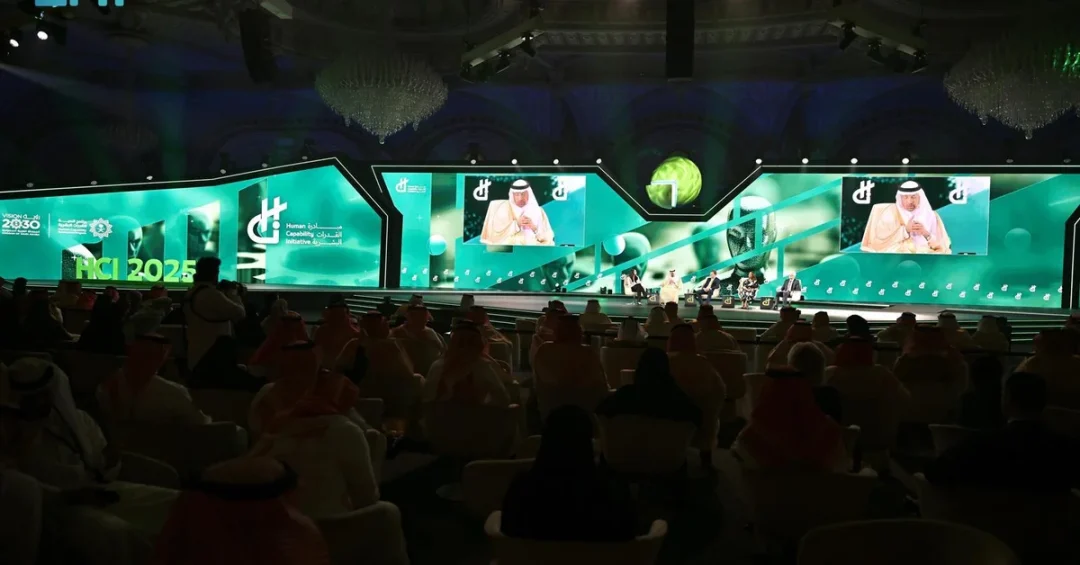
Saudi Arabia’s Minister of Investment Khalid Al-Falih affirmed that the Kingdom is making significant strides in developing human capital and enhancing its readiness for the future, an achievement aligned with Vision 2030’s prioritization of education and investment. Speaking at a dialogue session titled “Investing in Human Capital and Redefining It in the Age of Automation,” Al-Falih outlined the multifaceted dimensions of human capital investment amid global economic transformations and rapid technological advancements, as reported by the Saudi Press Agency (SPA). The session underscored the Kingdom’s view that people are its most valuable resource. But how does a nation prepare its workforce for an era in which automation reshapes entire industries? The answer, according to the Minister of Investment, lies in a deliberate fusion of education and investment strategy.
The dialogue session, held in Riyadh, brought together experts and officials to discuss how Saudi Arabia can sustain economic growth while equipping its citizens with the skills needed for a technology-driven economy. Al-Falih’s remarks come at a time when the Kingdom is accelerating its diversification efforts under Vision 2030, a comprehensive national transformation plan launched in 2016. The plan seeks to reduce dependence on oil, expand the private sector, and create a knowledge-based economy. Central to this vision is the development of human capital—the skills, knowledge, and health of the population—as a driver of productivity and innovation. With automation and artificial intelligence poised to disrupt labor markets worldwide, Saudi Arabia is positioning itself to turn these challenges into opportunities. What does it take to build a workforce that is not only resilient but also competitive on the global stage?
Context and Background
Since its founding, Saudi Arabia has placed strong emphasis on human development as a cornerstone of national progress, Al-Falih noted during the session. He emphasized that investment and human capital development are not separate paths but complementary forces that reinforce each other continuously. This philosophy is embedded in Vision 2030, which identifies education and training as critical enablers for economic diversification. The Kingdom has launched numerous initiatives to overhaul its education system, including curriculum reforms, teacher training programs, and the expansion of vocational and technical education. These efforts aim to align educational outcomes with the demands of the labor market. But why is this alignment so crucial now? Because the global economy is shifting rapidly toward automation, digitalization, and knowledge-intensive industries, and countries that fail to adapt risk falling behind.
The Minister of Investment’s comments also reflect a broader recognition that foreign investment and human capital development are deeply interconnected. Al-Falih pointed out that foreign investment in the Kingdom has quadrupled in recent years, reflecting an improving investment climate. This surge is not merely about capital inflows; it also brings technology transfer, best practices, and global expertise that can enhance local skills. More than 600 international companies have established regional headquarters in the Kingdom, signaling growing global confidence in the Saudi market and its expanding opportunities—particularly within the education sector. These companies are not only investors but also partners in building a skilled workforce. How can Saudi Arabia leverage this influx of international firms to accelerate human capital development? The answer lies in strategic partnerships, knowledge-sharing, and targeted training programs that bridge the gap between global standards and local capabilities.
The session took place against the backdrop of Saudi Arabia’s ambitious economic transformation. The National Transformation Program, part of Vision 2030, sets specific targets for improving education quality, increasing private sector employment, and boosting women’s participation in the workforce. The Kingdom has also established specialized academies and training institutes in collaboration with international partners to develop skills in fields such as artificial intelligence, cybersecurity, renewable energy, and advanced manufacturing. These initiatives are designed to future-proof the Saudi workforce. But what distinguishes Saudi Arabia’s approach from other nations grappling with similar challenges? The answer may lie in the speed and scale of its reforms, backed by strong political will and substantial financial resources.
Key Details
During the dialogue session, Al-Falih stressed that investing in education is no longer optional but essential. He articulated a vision in which education and investment intersect and reinforce each other continuously. This perspective is reflected in the Kingdom’s recent policy moves. For instance, the Human Capability Development Program, launched in 2021, aims to prepare citizens for the future by enhancing basic education, improving higher education outcomes, and promoting lifelong learning. The program sets ambitious targets, including raising the enrollment rate in early childhood education, increasing the number of Saudi universities in global rankings, and expanding vocational training. These efforts are complemented by the Ministry of Investment’s work to attract foreign educational institutions and edtech companies. What role do international partnerships play in this ecosystem? Al-Falih’s remarks suggest they are vital for injecting global best practices and innovation into the local education landscape.
The Minister also highlighted the quadrupling of foreign investment in recent years, a testament to the Kingdom’s improving business environment. This growth has been fueled by regulatory reforms, such as the introduction of the new Investment Law, which enhances transparency and investor protection. The establishment of special economic zones and the expansion of the Public Investment Fund’s (PIF) portfolio have further boosted investor confidence. Within this context, the education sector stands out as a key beneficiary. International schools, training providers, and edtech startups are increasingly entering the Saudi market, drawn by a young, tech-savvy population and government incentives. How does this translate into opportunities for Saudi citizens? It means access to world-class education and training, exposure to new technologies, and the chance to work for global companies operating in the Kingdom.
Moreover, the presence of over 600 regional headquarters is a clear indicator of Saudi Arabia’s growing appeal as a regional hub. These companies span various sectors, including technology, finance, healthcare, and education. Their decision to base their regional operations in Riyadh is a vote of confidence in the Kingdom’s stability, infrastructure, and market potential. For Saudi youth, these headquarters represent a pathway to high-quality jobs and international careers without leaving the country. The government has also introduced policies to encourage these firms to hire and train Saudi nationals, ensuring that foreign investment contributes directly to human capital development. But what challenges remain? One key challenge is ensuring that the education system produces graduates with the right mix of technical and soft skills. Another is bridging the gender gap in certain fields, although women’s participation in the workforce has risen dramatically in recent years.
International and Regional Impact
Saudi Arabia’s focus on human capital development carries significant implications for the wider Middle East and beyond. As the largest Arab economy, the Kingdom’s success in building a future-ready workforce could serve as a model for other countries in the region facing similar demographic and economic pressures. The Middle East and North Africa region has one of the world’s youngest populations, with a large share of youth entering the labor market each year. By investing in education and skills, Saudi Arabia can help stabilize the regional labor market and reduce unemployment. Furthermore, the Kingdom’s efforts to attract foreign investment and multinational headquarters are reshaping regional economic dynamics. Riyadh is increasingly competing with established hubs like Dubai for talent and capital. How will this competition play out? It is likely to spur innovation and improve standards across the region, benefiting businesses and workers alike.
On the global stage, Saudi Arabia’s emphasis on human capital aligns with international trends and frameworks, such as the World Bank’s Human Capital Index and the United Nations’ Sustainable Development Goals (SDGs), particularly SDG 4 on quality education and SDG 8 on decent work and economic growth. By prioritizing human development, the Kingdom is contributing to global efforts to create inclusive and sustainable economies. Additionally, the Kingdom’s growing engagement with international organizations and forums—such as its hosting of the G20 in 2020 and its active participation in the World Economic Forum—provides platforms to share its experience and learn from others. What message does this send to the international community? It signals that Saudi Arabia is a responsible global partner, committed to fostering prosperity and stability through education and innovation.
Economic and Strategic Significance
The economic rationale for investing in human capital is compelling. Studies consistently show that a well-educated and skilled workforce is a key driver of productivity, innovation, and long-term economic growth. For Saudi Arabia, human capital development is also essential for the success of Vision 2030’s economic diversification agenda. As the Kingdom seeks to grow non-oil sectors such as tourism, entertainment, financial services, and technology, it needs a workforce equipped with the requisite skills. The government’s investments in education and training are therefore not just social spending but strategic economic investments. Al-Falih’s remarks underscore this point: education and investment are intertwined, each amplifying the other’s impact. How can the private sector contribute? By partnering with educational institutions, offering internships and apprenticeships, and investing in employee training, companies can help build the talent pipeline they need to thrive.
From a strategic perspective, human capital is also a matter of national security and resilience. In an era of rapid technological change, dependence on foreign expertise can be a vulnerability. By developing local talent, Saudi Arabia reduces its reliance on expatriate workers in critical fields and builds a knowledge economy that is self-sustaining. The Kingdom’s investments in emerging technologies—such as artificial intelligence, robotics, and renewable energy—are accompanied by efforts to develop local capabilities in these areas. For instance, the Saudi Data and Artificial Intelligence Authority (SDAIA) has launched training programs to equip Saudis with AI skills. Similarly, the NEOM project is designed to be a hub for advanced technologies and will require a highly skilled workforce. What role will women play in this transformation? Women’s participation in the labor force has nearly doubled since 2016, and they are increasingly entering fields such as STEM, entrepreneurship, and leadership. This demographic shift is a powerful engine for human capital growth.
Vision 2030 Alignment
Al-Falih’s remarks are deeply aligned with Vision 2030’s overarching goals. The vision’s architects recognized that transforming an economy requires transforming its people. Accordingly, the Human Capability Development Program is one of the Vision’s 13 Vision Realization Programs, designed to ensure that citizens have the values, knowledge, and skills to compete globally. The program’s objectives include instilling strong values, developing foundational skills, and preparing for the future of work. These goals are supported by substantial government investments: Saudi Arabia spends a significant portion of its budget on education, and the PIF has allocated billions to education and training initiatives. But the vision goes beyond formal education; it also encompasses lifelong learning, upskilling, and reskilling. The Kingdom has launched platforms like the National Center for e-Learning and the Saudi Digital Academy to provide flexible learning opportunities. How will success be measured? Through indicators such as workforce participation rates, the quality of graduates, and the share of nationals in high-skilled jobs.
Ultimately, the Minister of Investment’s message is one of optimism and determination. Saudi Arabia is not merely responding to the challenges of automation but proactively shaping its future. By investing in human capital, the Kingdom is laying the foundation for a diversified, knowledge-based economy that can sustain prosperity for generations. This vision is encapsulated in Vision 2030’s promise of a “vibrant society, a thriving economy, and an ambitious nation.” As Al-Falih noted, education and investment are complementary forces—and by harnessing both, Saudi Arabia is positioning itself as a leader in the global economy of the 21st century. The journey is ongoing, but the direction is clear, and the commitment is unwavering. The world is watching, and the Kingdom is ready to demonstrate what a future-ready workforce can achieve.
20 Questions
Q1. What did Minister of Investment Khalid Al-Falih say about human capital development in Saudi Arabia?
A1. Al-Falih affirmed that Saudi Arabia is making significant strides in developing human capital and enhancing its readiness for the future, aligning with Vision 2030’s goals. He emphasized that education and investment are complementary forces essential for national progress.
Q2. What was the title of the dialogue session where Al-Falih spoke?
A2. The session was titled “Investing in Human Capital and Redefining It in the Age of Automation.” It focused on the multifaceted dimensions of investing in human capital amid global economic transformations and rapid technological advancements.
Q3. How does Al-Falih describe the relationship between investment and human capital development?
A3. He described them as not separate paths but complementary forces that reinforce each other continuously. He stressed that investing in education is no longer optional but essential, and that education and investment intersect and reinforce each other.
Q4. What evidence did Al-Falih provide for the improving investment climate in Saudi Arabia?
A4. He noted that foreign investment in the Kingdom has quadrupled in recent years. Additionally, more than 600 international companies have established regional headquarters in the Kingdom, signaling growing global confidence in the Saudi market.
Q5. Why are the 600 regional headquarters significant for Saudi Arabia’s economy?
A5. The presence of over 600 regional headquarters indicates growing global confidence in the Saudi market and its expanding opportunities. This influx brings technology transfer, best practices, and global expertise that can enhance local skills and create jobs.
Q6. How does Saudi Arabia’s approach to human capital align with Vision 2030?
A6. Vision 2030 prioritizes education and investment as drivers of a knowledge-based economy. The Human Capability Development Program, part of Vision 2030, aims to equip citizens with the values, knowledge, and skills needed to compete globally.
Q7. What specific initiative aims to prepare Saudis for the future of work?
A7. The Human Capability Development Program, launched in 2021, sets targets for enhancing basic education, improving higher education outcomes, and promoting lifelong learning. It also supports vocational training and early childhood education.
Q8. How is Saudi Arabia improving its education system to meet labor market demands?
A8. The Kingdom has implemented curriculum reforms, teacher training programs, and expanded vocational and technical education. It also partners with international institutions and edtech companies to align educational outcomes with market needs.
Q9. What role do foreign companies play in developing local talent?
A9. Foreign companies bring technology transfer, best practices, and global expertise. They also provide training and employment opportunities for Saudis, often encouraged by government policies to hire and train local nationals, thereby contributing directly to human capital development.
Q10. How has women’s participation in the workforce changed in Saudi Arabia?
A10. Women’s participation in the labor force has nearly doubled since 2016. They are increasingly entering fields such as STEM, entrepreneurship, and leadership, serving as a powerful engine for human capital growth.
Q11. What are the economic benefits of investing in human capital?
A11. A well-educated and skilled workforce drives productivity, innovation, and long-term economic growth. For Saudi Arabia, human capital development is essential for diversifying the economy beyond oil and achieving Vision 2030’s goals.
Q12. How does Saudi Arabia’s human capital strategy address the challenges of automation?
A12. By investing in education, vocational training, and digital skills, Saudi Arabia is preparing its workforce for an era of automation. Initiatives like SDAIA’s AI training programs and NEOM’s tech hub aim to build local capabilities in emerging technologies.
Q13. What is the significance of the education sector for foreign investment?
A13. The education sector is a key beneficiary of foreign investment, with international schools, training providers, and edtech startups entering the Saudi market. This brings global best practices and expands opportunities for Saudi citizens.
Q14. How does Saudi Arabia’s experience serve as a model for the region?
A14. As the largest Arab economy, Saudi Arabia’s success in building a future-ready workforce could serve as a model for other Middle Eastern countries facing similar demographic and economic pressures, potentially stabilizing the regional labor market.
Q15. What global frameworks align with Saudi Arabia’s human capital efforts?
A15. Saudi Arabia’s efforts align with the World Bank’s Human Capital Index and the UN’s Sustainable Development Goals, particularly SDG 4 on quality education and SDG 8 on decent work and economic growth.
Q16. How is the private sector encouraged to contribute to human capital development?
A16. The private sector is encouraged to partner with educational institutions, offer internships and apprenticeships, and invest in employee training. Such collaborations help build the talent pipeline that companies need to thrive.
Q17. What role does the Public Investment Fund (PIF) play in human capital development?
A17. The PIF has allocated billions to education and training initiatives, supporting the development of skills and knowledge. It also invests in sectors that create high-skilled jobs, contributing to the growth of a knowledge-based economy.
Q18. How does Saudi Arabia measure the success of its human capital initiatives?
A18. Success is measured through indicators such as workforce participation rates, the quality of graduates, and the share of nationals in high-skilled jobs. These metrics help track progress toward Vision 2030 targets.
Q19. What message does Al-Falih’s remarks send to the international community?
A19. His remarks signal that Saudi Arabia is a responsible global partner committed to fostering prosperity and stability through education and innovation. The Kingdom is proactively shaping its future and is open to international collaboration.
Q20. How does human capital development contribute to Saudi Arabia’s long-term vision?
A20. By investing in human capital, Saudi Arabia is laying the foundation for a diversified, knowledge-based economy that can sustain prosperity for generations. This aligns with Vision 2030’s promise of a vibrant society, a thriving economy, and an ambitious nation.
Reader Feedback
We value your thoughts. Please share your feedback on this article.
Your feedback helps us improve our coverage.
Related articles
 Saudi Arabia and Egypt Can Build Complementary Investment System
 Cairo Forum Deepens Saudi-Egypt Investment Ties
 Estidamah Unveils 15,000 Seedlings at Taif Rose Forum
 Saudi Riyal Symbol: Heritage Meets Economic Vision
 SFD Signs $17M Loan to Boost Maldives Transport, Housing
 Al-Baha’s 19 Agricultural Cities Boost Food Security