


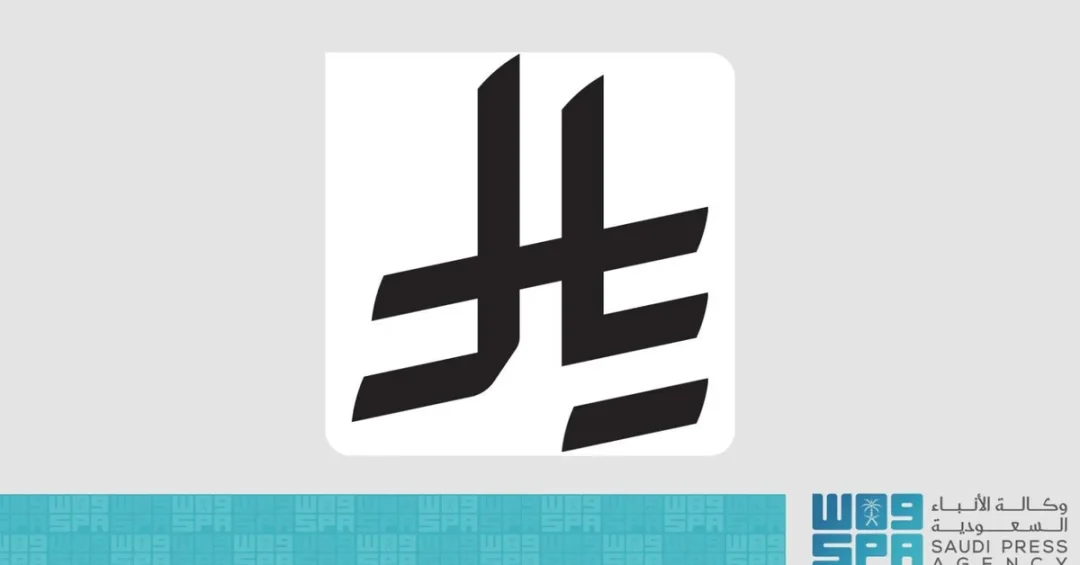
The Saudi riyal symbol, officially approved by Custodian of the Two Holy Mosques King Salman bin Abdulaziz Al Saud on February 20, 2025, represents a landmark moment in the Kingdom’s monetary history and a bold statement of its cultural and economic ambitions. Announced via the Saudi Press Agency, the new symbol is far more than a currency marker; it is a visual narrative of Saudi Arabia’s journey from unification to global economic prominence. By intertwining the elegance of Arabic calligraphy with modern design principles, the symbol encapsulates the nation’s rich heritage and its forward-looking Vision 2030. As the Kingdom continues to assert its role as a G20 economy and a hub for international trade, this emblem will serve as a constant reminder of Saudi Arabia’s enduring legacy and its dynamic future.
In an era of increasing global interconnectedness, national currencies often carry symbolic weight that extends beyond their face value. For Saudi Arabia, the riyal symbol is a strategic tool to enhance the currency’s international presence and foster confidence among investors and partners. It reflects the meticulous planning and visionary leadership that have characterized the Kingdom’s economic policies. The symbol’s unveiling comes at a time when Saudi Arabia is diversifying its economy, embracing digital transformation, and strengthening its position in global markets. This article explores the historical roots, design intricacies, and far-reaching implications of the Saudi riyal symbol, highlighting its role in celebrating cultural identity and advancing economic objectives.
Context and Background
What does a currency symbol reveal about a nation’s soul? For Saudi Arabia, the answer lies in a history that stretches back to the founding of the modern Kingdom. The issuance of the first regular Saudi currency in 1346 AH, during the reign of King Abdulaziz bin Abdulrahman Al Saud, marked a transformative step in unifying the Kingdom’s monetary system. Before this, various regional currencies circulated, but the introduction of a standardized riyal laid the foundation for economic cohesion and financial sovereignty. This pivotal moment not only facilitated trade and commerce within the nascent state but also signaled the beginning of Saudi Arabia’s emergence as a global economic powerhouse. The riyal became a symbol of national unity, reflecting the aspirations of a people united under a single leadership.
Over the decades, the Saudi riyal has weathered economic shifts and global crises, maintaining its stability and pegged status to the US dollar since 1986. This stability has been a cornerstone of the Kingdom’s economic policy, providing a predictable environment for investors and supporting the growth of key sectors such as oil, petrochemicals, and finance. The riyal’s journey mirrors Saudi Arabia’s broader development trajectory, from an oil-dependent economy to a diversified and knowledge-based one. The new symbol arrives at a juncture where the Kingdom is accelerating its Vision 2030 reforms, which aim to reduce oil reliance, boost private sector growth, and enhance global engagement. Thus, the symbol is not merely a redesign but a reaffirmation of the riyal’s role as a stabilizing force and a beacon of progress.
Furthermore, the approval of the symbol by King Salman underscores the highest level of national endorsement. It reflects a collective desire to project a modern, confident image of Saudi Arabia that honors its past while embracing the future. As the Kingdom prepares to host major international events and deepen its ties with global partners, the symbol will accompany every financial transaction, serving as a silent ambassador of Saudi identity and economic strength.
Design and Cultural Significance
How can a single emblem capture the essence of a civilization? The Saudi riyal symbol is a masterful fusion of art and utility, drawing direct inspiration from the timeless beauty of Arabic calligraphy. This art form, which has significantly contributed to the advancement of science, culture, and religion worldwide, is celebrated in the symbol’s elegant curves and flowing lines. The design is composed of the Arabic letters of the word “Riyal,” meticulously crafted in a font that reflects the heritage of the Arabic script. Each stroke is a nod to the Kingdom’s linguistic and cultural legacy, honoring the language of the Quran and the rich literary tradition of the Arabian Peninsula.
The Saudi Central Bank (SAMA) has issued detailed design specifications and usage guidelines to ensure the symbol’s consistent application across all platforms. These guidelines define precise geometric elements, including curve radiuses and proportional distances, to maintain the symbol’s integrity and clarity in financial transactions, economic reports, digital platforms, and other applications. Such meticulous attention to detail ensures that the symbol is instantly recognizable and functions seamlessly in both print and digital environments. It also prevents misuse or distortion, safeguarding the symbol’s visual and symbolic power.
Beyond its aesthetic appeal, the symbol serves as a celebration of Saudi Arabia’s cultural identity. Arabic, the official language of the Kingdom, is deeply intertwined with national identity, and the symbol proudly reflects this heritage. By incorporating calligraphic elements, the design bridges the gap between tradition and modernity, appealing to both domestic pride and international admiration. It is a testament to the Kingdom’s ability to innovate while remaining rooted in its cultural foundations.
Economic and Strategic Significance
Why does a currency symbol matter in the global economy? In an increasingly interconnected world, a robust and recognizable symbol is essential for reinforcing a nation’s economic influence and facilitating seamless integration into international markets. The Saudi riyal symbol is a strategic tool to enhance confidence in the currency and solidify the Kingdom’s role as a vital hub in global trade. As Saudi Arabia expands its non-oil exports, attracts foreign investment, and deepens its participation in global supply chains, a distinct symbol helps the riyal stand out in financial markets and digital transactions. It also supports the Kingdom’s efforts to promote the riyal as a unit of account in regional trade and investment, particularly within the Gulf Cooperation Council and broader Middle East.
Moreover, the symbol aligns with Saudi Arabia’s broader economic diversification agenda under Vision 2030. By projecting a modern and sophisticated image, it complements initiatives such as the Financial Sector Development Program, which aims to create a diversified and effective financial sector. The symbol’s introduction is expected to enhance the Kingdom’s attractiveness as an investment destination, signaling stability, innovation, and cultural confidence. It also facilitates the digitalization of payments and the growth of fintech, as a clear and consistent symbol is crucial for user interfaces, mobile banking, and e-commerce platforms.
In addition, the symbol can play a role in monetary policy communication. A strong visual identity for the riyal can help the Saudi Central Bank convey its messages more effectively, reinforcing public trust in the currency and the financial system. As the Kingdom navigates global economic uncertainties, such symbols contribute to a sense of continuity and resilience.
International and Regional Impact
What message does the Saudi riyal symbol send to the world? For international observers, the symbol is a clear indication of Saudi Arabia’s confidence and its intention to play a leading role in the global economic landscape. It reflects the Kingdom’s commitment to international cooperation and its willingness to adopt best practices in currency design and financial communication. The symbol’s launch has been noted by global financial institutions and media, further raising the profile of the Saudi riyal and the Kingdom’s economic achievements. It also strengthens Saudi Arabia’s soft power, as cultural symbols can foster goodwill and understanding among nations.
Regionally, the symbol may inspire other Gulf states to consider similar initiatives, promoting a sense of shared heritage and economic collaboration. However, it also underscores Saudi Arabia’s unique position as the largest economy in the Arab world and the birthplace of Islam. The symbol’s embrace of Arabic calligraphy resonates across the region, where the script is a common cultural thread. By celebrating this heritage, Saudi Arabia reinforces its role as a custodian of Arab and Islamic culture, even as it modernizes its economy.
On the global stage, the symbol is part of a broader trend where nations invest in strong visual identities for their currencies to enhance recognition and trust. The Saudi riyal joins a select group of currencies with distinctive symbols, such as the US dollar, euro, and Japanese yen. This move signals Saudi Arabia’s ambition to be counted among the world’s major economic players and to have its currency recognized and respected worldwide.
Vision 2030 Alignment
How does the riyal symbol contribute to Saudi Arabia’s Vision 2030? At its core, Vision 2030 seeks to transform the Kingdom into a diversified, innovative, and globally engaged economy. The symbol embodies this vision by harmonizing cultural heritage with economic modernization. It reflects the Kingdom’s pride in its identity while showcasing its readiness for the future. As Saudi Arabia continues to implement Vision 2030 programs—ranging from NEOM to the Public Investment Fund’s strategic investments—the riyal symbol will serve as a constant reminder of the nation’s unified purpose and its ambitious goals.
Furthermore, the symbol supports the Vision’s aim to enhance the Kingdom’s global competitiveness. A strong currency symbol can improve the efficiency of financial transactions, reduce ambiguity in international markets, and contribute to the growth of Saudi Arabia’s financial sector. It also aligns with the Vision’s emphasis on digital transformation, as the symbol is designed for seamless use across digital platforms. By approving this symbol, the Saudi leadership has once again demonstrated its commitment to a future where tradition and progress coexist, and where the Kingdom’s economic strength is matched by its cultural richness.
In conclusion, the Saudi riyal symbol is a powerful testament to the Kingdom’s journey and its aspirations. It is a fusion of deep-rooted heritage and forward-looking economic vision, a symbol that will accompany Saudi Arabia as it writes the next chapter of its remarkable story. As the Kingdom continues to play a vital role in the global economy, this emblem will stand as a visual representation of its economic strength and cultural heritage, inspiring confidence and pride at home and abroad.
20 Questions
Q1. When was the Saudi riyal symbol officially approved?
A1. The Saudi riyal symbol was officially approved by Custodian of the Two Holy Mosques King Salman bin Abdulaziz Al Saud on February 20, 2025, as announced by the Saudi Press Agency.
Q2. Who approved the new Saudi riyal symbol?
A2. The symbol was approved by King Salman bin Abdulaziz Al Saud, reflecting the highest level of national endorsement and a commitment to economic modernization.
Q3. What is the historical significance of the first regular Saudi currency?
A3. Issued in 1346 AH during the reign of King Abdulaziz bin Abdulrahman Al Saud, the first regular currency unified the Kingdom’s monetary system and laid the foundation for economic development.
Q4. How does the riyal symbol reflect Saudi cultural identity?
A4. The symbol draws inspiration from Arabic calligraphy, celebrating the Arabic language and the Kingdom’s rich cultural heritage, which has contributed to global science and culture.
Q5. What role does the Saudi Central Bank play in the symbol’s design?
A5. The Saudi Central Bank issued detailed design specifications and usage guidelines, including geometric dimensions and proportional distances, to ensure consistent application across all platforms.
Q6. Why is a currency symbol important for international markets?
A6. A robust and recognizable symbol enhances confidence in the currency, facilitates seamless integration into international markets, and reinforces the Kingdom’s economic influence and global trade role.
Q7. How does the symbol support Vision 2030?
A7. The symbol aligns with Vision 2030 by harmonizing cultural heritage with economic modernization, enhancing global competitiveness, and supporting digital transformation and financial sector growth.
Q8. What are the design elements of the riyal symbol?
A8. The symbol is composed of Arabic letters of the word “Riyal,” crafted in a font reflecting Arabic calligraphy’s beauty, with precise geometric specifications for clarity and integrity.
Q9. How will the symbol be used in financial transactions?
A9. The symbol will be used consistently in financial transactions, economic reports, digital platforms, and other applications, guided by the Saudi Central Bank’s usage guidelines.
Q10. What message does the symbol convey to the international community?
A10. It conveys Saudi Arabia’s confidence, economic strength, and cultural pride, signaling the Kingdom’s ambition to play a leading role in the global economic landscape.
Q11. How does the riyal symbol enhance the currency’s global presence?
A11. By providing a distinct and recognizable visual identity, the symbol strengthens the riyal’s global presence, boosts confidence, and facilitates its use in international trade and finance.
Q12. What is the significance of Arabic calligraphy in the symbol’s design?
A12. Arabic calligraphy is a celebrated art form that has advanced science and culture; its use in the symbol honors the Arabic language and the Kingdom’s cultural legacy.
Q13. How does the symbol reflect Saudi Arabia’s economic aspirations?
A13. The symbol embodies the Kingdom’s economic aspirations by representing its journey from unification to global economic powerhouse and its commitment to Vision 2030’s diversification goals.
Q14. What are the guidelines for using the riyal symbol?
A14. The Saudi Central Bank’s guidelines define curve radiuses, proportional distances, and other geometric elements to maintain the symbol’s integrity and clarity across various applications.
Q15. How does the symbol contribute to Saudi Arabia’s soft power?
A15. As a cultural symbol, it fosters goodwill and understanding among nations, enhancing Saudi Arabia’s soft power and promoting its heritage and economic achievements globally.
Q16. What impact does the symbol have on regional economies?
A16. It may inspire other Gulf states to consider similar initiatives, promoting shared heritage and economic collaboration, while underscoring Saudi Arabia’s unique economic leadership in the region.
Q17. How does the symbol support digital transformation in Saudi Arabia?
A17. The symbol is designed for seamless use across digital platforms, supporting fintech growth, mobile banking, and e-commerce, aligning with Vision 2030’s digital transformation goals.
Q18. What is the historical context of the Saudi riyal’s peg to the US dollar?
A18. The riyal has been pegged to the US dollar since 1986, providing stability and a predictable environment for investors, which has been a cornerstone of Saudi economic policy.
Q19. How does the symbol reflect the Kingdom’s commitment to innovation?
A19. By combining traditional calligraphy with modern design and digital applications, the symbol reflects Saudi Arabia’s commitment to innovation while honoring its cultural roots.
Q20. What is the future outlook for the Saudi riyal symbol?
A20. The symbol will accompany Saudi Arabia’s economic journey, serving as a visual representation of its strength and heritage, and supporting its role as a leading global economy.
Reader Feedback
We value your thoughts. Please share your feedback on this article.
Your feedback helps us improve our coverage.
Related articles
 SFD Signs $17M Loan to Boost Maldives Transport, Housing
 Al-Baha’s 19 Agricultural Cities Boost Food Security
 Saudi Arabia Opens 20 Projects for Public Feedback via Istitlaa
 NEOM Fund Invests in Biomanufacturing for Food Security
 Made in Saudi Pavilion Showcases 28 Tech Firms at GITEX AFRICA
 Estidama Explores Asparagus Cultivation in Saudi Arabia