


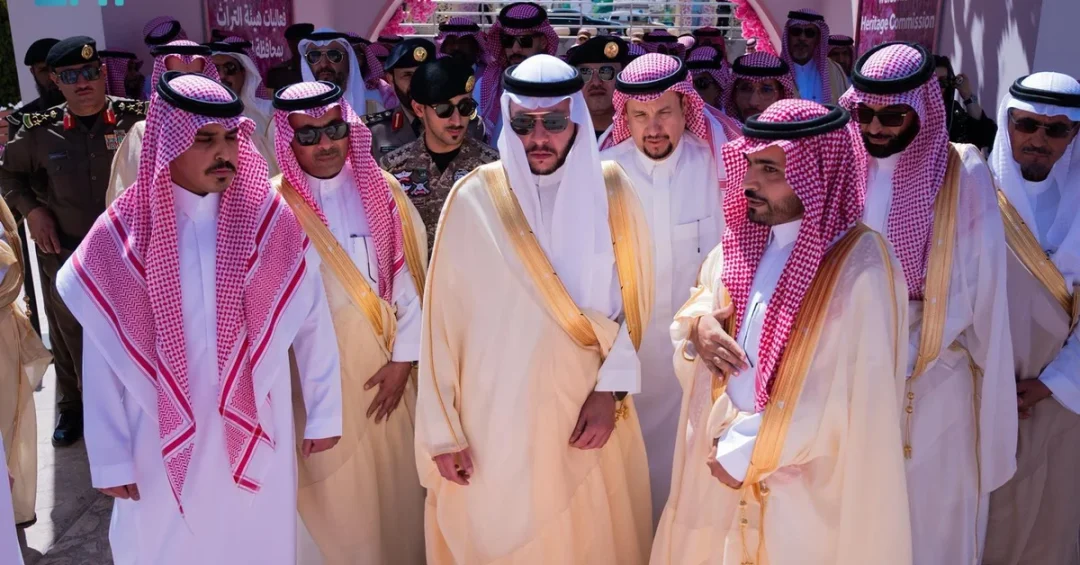
The National Research and Development Center for Sustainable Agriculture (Estidamah) has launched a major initiative at the Rose and Aromatic Plants Global Forum in Taif, distributing 15,000 tissue-cultured seedlings to promote sustainability and enhance agricultural production. The announcement, made on April 14, 2025, in Riyadh via the Saudi Press Agency, underscores the Kingdom’s commitment to advancing its agricultural sector through innovation and best practices. This effort directly supports Saudi Arabia’s national goal of producing two billion roses by 2026, a target that highlights the strategic importance of the rose industry to the nation’s economy and cultural heritage.
Why does this matter now? As Saudi Arabia accelerates its Vision 2030 agenda, sustainable agriculture has emerged as a cornerstone of economic diversification and environmental stewardship. The distribution of these seedlings is not merely an agricultural intervention; it is a statement of intent. By leveraging tissue culture technology, Estidamah ensures that farmers receive disease-free, high-quality plantlets that can thrive in the Kingdom’s unique climate. This initiative also aligns with broader efforts to conserve water, improve crop yields, and empower local communities. In a world where food security and climate resilience are paramount, Saudi Arabia’s proactive stance offers a model for others to follow.
Context and Background
How did Saudi Arabia become a leader in sustainable agriculture? The journey began with the establishment of Estidamah, a research center dedicated to developing innovative farming solutions tailored to the Kingdom’s arid environment. Over the years, Estidamah has pioneered techniques such as tissue culture, hydroponics, and integrated pest management, which have significantly reduced water usage and increased productivity. The Rose and Aromatic Plants Global Forum in Taif, now a flagship event, serves as a platform for experts, farmers, and policymakers to exchange knowledge and showcase breakthroughs. Taif itself is renowned for its rose farms, which produce some of the world’s most prized aromatic oils, making it the ideal venue for this announcement.
The distribution of 15,000 seedlings is part of a larger strategy to revitalize the rose sector. In 2024 alone, Estidamah distributed over 70,000 seedlings, demonstrating its sustained commitment to plant diversity and sustainable farming. These efforts are complemented by technical and advisory support, including workshops on Taif rose cultivation that help farmers adopt modern practices. By focusing on roses, Estidamah taps into a crop that is deeply woven into Saudi culture—rose water and oil are used in perfumes, cosmetics, and traditional cuisine—while also offering high economic value. The initiative thus bridges heritage and innovation, ensuring that future generations can benefit from this fragrant legacy.
What makes tissue-cultured seedlings so effective? Unlike conventional propagation, tissue culture allows for the rapid multiplication of genetically identical, disease-free plants. This method is particularly advantageous for roses, which are susceptible to pests and pathogens. By providing farmers with healthy starter material, Estidamah reduces the risk of crop failure and minimizes the need for chemical inputs, aligning with global sustainability goals. Moreover, tissue culture enables the preservation of elite varieties, ensuring that the unique characteristics of Taif roses are maintained. This scientific approach is a testament to Saudi Arabia’s growing prowess in agricultural biotechnology and its willingness to invest in research that yields tangible benefits for farmers and the economy.
Key Details of the Initiative
What exactly does the distribution of 15,000 seedlings entail? According to the Saudi Press Agency, the initiative was unveiled at the Rose and Aromatic Plants Global Forum in Taif, where Estidamah officials presented the seedlings to local farmers and agricultural cooperatives. The seedlings are produced using advanced tissue culture techniques at Estidamah’s state-of-the-art laboratories, ensuring they are free from common rose diseases. Each seedling is accompanied by guidance on optimal planting, irrigation, and care, reflecting Estidamah’s holistic approach to farmer support. The distribution is expected to boost rose production significantly, contributing to the national target of two billion roses by 2026.
Beyond the immediate handout, Estidamah continues to provide technical and advisory support through workshops and field demonstrations. These sessions cover topics such as soil management, water-efficient irrigation, and integrated pest management, all tailored to the specific needs of rose cultivation in Taif. Farmers who receive seedlings also gain access to ongoing mentorship, ensuring that they can maximize yields and quality. This comprehensive support system is designed to create a sustainable ecosystem where farmers can thrive economically while conserving natural resources. The initiative also encourages the adoption of organic practices, which are increasingly in demand in global markets for rose-derived products.
Why is the target of two billion roses by 2026 so significant? This goal, set by the Saudi government, aims to position the Kingdom as a global leader in rose production and export. Roses are not only a cultural symbol but also a lucrative commodity; rose oil, for instance, is one of the most expensive essential oils in the world. By scaling up production, Saudi Arabia can reduce its reliance on imports, create jobs in rural areas, and enhance its export portfolio. The 15,000 seedlings distributed today are a drop in the bucket compared to the two billion target, but they represent a critical step in building the necessary infrastructure and knowledge base. Each seedling is a building block toward a more resilient and prosperous agricultural sector.
International and Regional Impact
How does Saudi Arabia’s rose initiative resonate beyond its borders? The Kingdom’s efforts to modernize agriculture and promote sustainability are being watched closely by its neighbors in the Gulf Cooperation Council (GCC) and beyond. Countries facing similar challenges—arid climates, water scarcity, and a need for economic diversification—can learn from Saudi Arabia’s integrated approach. By sharing its research and best practices through forums like the one in Taif, the Kingdom positions itself as a knowledge hub and a leader in sustainable development. This soft power diplomacy strengthens regional ties and fosters collaboration on food security, a shared priority for the Middle East.
On the international stage, Saudi Arabia’s commitment to sustainable agriculture aligns with the United Nations Sustainable Development Goals (SDGs), particularly those related to zero hunger, responsible consumption and production, and climate action. The use of tissue culture and water-efficient techniques demonstrates how technology can be harnessed to address global challenges. Moreover, the focus on roses—a high-value crop—offers a model for other countries seeking to boost rural incomes while preserving cultural heritage. As the world grapples with climate change, Saudi Arabia’s proactive measures could inspire similar initiatives in other arid regions, from North Africa to Central Asia.
What role does the private sector play in this endeavor? Estidamah’s initiatives often involve partnerships with private companies, research institutions, and non-governmental organizations. These collaborations bring additional resources and expertise, accelerating the pace of innovation. For instance, rose oil producers in Taif are working with Estidamah to improve distillation processes and explore new markets. By fostering a vibrant agricultural ecosystem, Saudi Arabia is not only achieving its national goals but also creating opportunities for entrepreneurs and investors. The global rose and aromatic plants market is projected to grow steadily, and Saudi Arabia is positioning itself to capture a significant share.
Economic and Strategic Significance
Why is the rose industry economically important to Saudi Arabia? Roses and aromatic plants contribute to the national economy through multiple channels: agriculture, manufacturing (perfumes, cosmetics), tourism, and cultural exports. The Taif rose, in particular, is a premium product that commands high prices in international markets. By increasing production, the Kingdom can generate foreign exchange, create jobs, and support small and medium-sized enterprises. The 15,000 seedlings distributed today will eventually yield flowers that can be processed into rose water, oil, and other derivatives, adding value at every step of the supply chain. This value addition is crucial for economic diversification, a key pillar of Vision 2030.
Strategically, the initiative enhances Saudi Arabia’s food security and water security. Agriculture in the Kingdom is constrained by limited water resources, so adopting water-efficient practices is not just an option but a necessity. Tissue-cultured seedlings, when combined with modern irrigation systems, can significantly reduce water consumption per unit of output. This is vital for long-term sustainability. Furthermore, by reducing dependence on imported roses and rose products, Saudi Arabia can insulate itself from global supply chain disruptions. The initiative also supports rural development, as rose cultivation provides income opportunities for communities in Taif and surrounding areas, helping to stem rural-to-urban migration.
What does the future hold for Saudi Arabia’s rose sector? With continued investment in research, technology, and farmer training, the Kingdom is on track to meet its two billion rose target by 2026. Estidamah’s work will likely expand to other aromatic plants, such as jasmine and lavender, which also have high economic potential. The Rose and Aromatic Plants Global Forum will remain a key platform for showcasing progress and attracting international partners. As Saudi Arabia diversifies its economy away from oil, agriculture—particularly high-value, sustainable agriculture—will play an increasingly important role. The 15,000 seedlings are a symbol of this transformation, representing hope, innovation, and a commitment to a greener future.
Vision 2030 Alignment
How does this initiative align with Saudi Vision 2030? Vision 2030 is a comprehensive plan to diversify the economy, improve quality of life, and position Saudi Arabia as a global leader. Sustainable agriculture is a key component, as it addresses food security, environmental sustainability, and economic diversification. Estidamah’s work directly supports several Vision 2030 objectives, including the development of non-oil sectors, the creation of jobs, and the promotion of innovation. By empowering farmers with modern techniques and high-quality seedlings, the initiative contributes to a vibrant rural economy and enhances the Kingdom’s self-sufficiency. It also aligns with the National Environment Strategy, which aims to protect natural resources and promote sustainable practices.
In conclusion, the launch of 15,000 tissue-cultured seedlings at the Rose and Aromatic Plants Global Forum in Taif is more than an agricultural milestone; it is a clear demonstration of Saudi Arabia’s forward-looking vision. Under the leadership of the Kingdom’s wise leadership, the nation is harnessing science and tradition to build a sustainable future. As the roses bloom, they will not only perfume the air but also symbolize the Kingdom’s journey toward prosperity and global leadership. For international observers, this initiative offers a glimpse into a Saudi Arabia that is innovative, inclusive, and committed to the well-being of its people and the planet.
20 Questions
Q1. What is Estidamah and what does it do?
A1. Estidamah is the National Research and Development Center for Sustainable Agriculture in Saudi Arabia. It develops and promotes innovative farming techniques, such as tissue culture and water-efficient irrigation, to enhance agricultural productivity and sustainability in the Kingdom.
Q2. How many seedlings were distributed at the Rose and Aromatic Plants Global Forum?
A2. Estidamah distributed 15,000 tissue-cultured seedlings at the forum in Taif. These seedlings are intended to support farmers and boost rose production as part of Saudi Arabia’s national agricultural goals.
Q3. What is the national goal for rose production by 2026?
A3. Saudi Arabia aims to produce two billion roses by 2026. This target is part of efforts to enhance the rose industry’s economic contribution and promote sustainable farming practices across the Kingdom.
Q4. Why is Taif significant for rose cultivation?
A4. Taif is renowned for its rose farms, which produce high-quality roses used in perfumes and cosmetics. The region’s climate and soil are ideal for rose cultivation, making it a hub for the industry.
Q5. What are tissue-cultured seedlings and why are they used?
A5. Tissue-cultured seedlings are plants grown from small tissue samples in a laboratory. They are disease-free, genetically uniform, and can be produced rapidly, ensuring farmers receive healthy planting material.
Q6. How many seedlings did Estidamah distribute in 2024?
A6. In 2024, Estidamah distributed over 70,000 seedlings. This ongoing effort reflects its commitment to promoting sustainable farming and plant diversity across Saudi Arabia.
Q7. What kind of support does Estidamah provide to farmers?
A7. Estidamah offers technical and advisory support, including workshops on rose cultivation, irrigation management, and pest control. This helps farmers adopt best practices and improve yields.
Q8. How does this initiative support Saudi Vision 2030?
A8. It aligns with Vision 2030 by promoting economic diversification, food security, and environmental sustainability. It also creates rural jobs and enhances the Kingdom’s non-oil sectors.
Q9. What is the Rose and Aromatic Plants Global Forum?
A9. It is a global event held in Taif that brings together experts, farmers, and policymakers to discuss innovations and best practices in rose and aromatic plant cultivation.
Q10. What are the economic benefits of rose cultivation in Saudi Arabia?
A10. Rose cultivation generates income through the sale of roses, rose oil, and rose water. It supports rural communities, creates jobs, and contributes to export earnings, aiding economic diversification.
Q11. How does Estidamah ensure water efficiency in agriculture?
A11. Estidamah promotes water-efficient irrigation systems, such as drip irrigation, and develops crops that require less water. These practices help conserve scarce water resources in Saudi Arabia.
Q12. What other crops does Estidamah focus on besides roses?
A12. Estidamah works on a variety of crops, including vegetables, fruits, and aromatic plants. Its research aims to improve sustainability and productivity across the agricultural sector.
Q13. How can farmers access Estidamah’s seedlings and support?
A13. Farmers can access seedlings and support through Estidamah’s programs, often announced at forums and through agricultural cooperatives. The center provides guidance on application and eligibility.
Q14. What is the significance of rose oil in the global market?
A14. Rose oil is one of the most expensive essential oils, used in high-end perfumes and cosmetics. Saudi Arabia’s production can capture a share of this lucrative market.
Q15. How does the initiative contribute to food security?
A15. By boosting local rose production, the initiative reduces reliance on imports and enhances self-sufficiency. It also promotes sustainable practices that ensure long-term agricultural viability.
Q16. What role do workshops play in Estidamah’s strategy?
A16. Workshops educate farmers on modern techniques, such as tissue culture and water management. They empower farmers to adopt sustainable practices and improve crop quality and yield.
Q17. How does the initiative benefit the local community in Taif?
A17. It provides farmers with free seedlings and training, leading to increased incomes and job opportunities. It also preserves the region’s cultural heritage tied to rose cultivation.
Q18. What are the environmental benefits of tissue-cultured seedlings?
A18. They reduce the need for chemical pesticides and fertilizers, as they are disease-free. This lowers environmental impact and promotes sustainable farming practices.
Q19. How does Saudi Arabia’s rose industry compare globally?
A19. Saudi Arabia is emerging as a significant player, particularly in high-quality rose oil. The Taif rose is prized worldwide, and the Kingdom aims to expand its global market share.
Q20. What is the long-term vision for Saudi Arabia’s agricultural sector?
A20. The long-term vision is to create a sustainable, innovative, and diversified agricultural sector that ensures food security, supports economic growth, and preserves natural resources for future generations.
Reader Feedback
We value your thoughts. Please share your feedback on this article.
Your feedback helps us improve our coverage.
Related articles
 Saudi Riyal Symbol: Heritage Meets Economic Vision
 SFD Signs $17M Loan to Boost Maldives Transport, Housing
 Al-Baha’s 19 Agricultural Cities Boost Food Security
 Saudi Arabia Opens 20 Projects for Public Feedback via Istitlaa
 NEOM Fund Invests in Biomanufacturing for Food Security
 Made in Saudi Pavilion Showcases 28 Tech Firms at GITEX AFRICA