


The Royal Commission for Jubail and Yanbu (RCJY) has signed a Memorandum of Understanding (MoU) with the UNESCO Regional Center for Quality and Excellence in Education (RCQE) to strengthen cooperation in education, scientific research, training, and the exchange of technical and knowledge expertise. The signing ceremony took place on the sidelines of the Human Capability Initiative Conference in Riyadh and was attended by Minister of Education Yousef Al-Benyan and RCJY President Eng. Khalid bin Mohammed Al-Salem, according to the Saudi Press Agency. The agreement marks another step in the Kingdom’s broader effort to elevate the quality of its educational institutions and align them with the demands of a rapidly modernizing economy.
Why does a single memorandum between an industrial commission and an education-focused UNESCO center matter on the national stage? Because it reflects how Saudi Arabia is increasingly weaving together its industrial development, human capital strategy, and international partnerships into a single, coherent framework. The RCJY, which oversees the management and development of the industrial cities of Jubail and Yanbu, is now extending its mandate beyond infrastructure and investment into the cultivation of skilled talent and research capacity.
Context and Background
What is the significance of the two institutions at the heart of this agreement? The Royal Commission for Jubail and Yanbu is a Saudi government body established to plan, develop, and manage the two major industrial cities that anchor much of the Kingdom’s energy-intensive and petrochemical manufacturing base. Over the decades, Jubail and Yanbu have grown into globally recognized industrial hubs, attracting billions of dollars in investment and hosting a dense network of refining, petrochemical, and manufacturing operations. As these cities evolve, the demand for specialized technical skills, applied research, and continuous workforce development has grown accordingly.
The UNESCO Regional Center for Quality and Excellence in Education (RCQE) operates under the auspices of UNESCO and is dedicated to advancing educational quality and excellence across the region. It works with governments, academic institutions, and industry partners to develop standards, build capacity, and promote evidence-based approaches to teaching and learning. By formalizing cooperation with such a center, the RCJY gains access to a recognized source of expertise in educational quality assurance, curriculum development, and training methodologies.
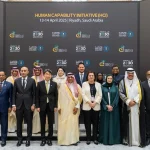
The MoU was signed against the backdrop of the Human Capability Initiative Conference, a national platform that brings together policymakers, educators, and business leaders to discuss the future of skills and workforce development in the Kingdom. The presence of Minister of Education Yousef Al-Benyan at the ceremony underscores the cross-ministerial importance of the partnership, signaling that education and industrial development are being treated as interconnected priorities rather than separate silos.
Key Details of the Agreement
What exactly does the memorandum commit the two parties to accomplish? According to the official announcement, the MoU establishes a strategic partnership aimed at supporting the implementation of high-quality educational and training initiatives. It includes provisions for joint research and studies, the organization of specialized conferences and workshops, capacity-building programs, and the delivery of advanced technical consultations. These elements are designed to translate broad ambitions into concrete programs with measurable outcomes.
The joint research and studies component is particularly notable. By pooling the industrial expertise of the RCJY with the educational research capabilities of the RCQE, the partnership can generate applied insights that inform both curricula and operational practice. Such research could address skills gaps in advanced manufacturing, the integration of new technologies into training programs, and the evaluation of workforce readiness across the industrial cities.
The commitment to conferences, workshops, and capacity-building reflects a recognition that knowledge exchange is most effective when it is continuous and interactive rather than episodic. Specialized gatherings can convene educators, engineers, and administrators to share best practices and align training standards with the evolving needs of industry. Advanced technical consultations, meanwhile, offer a mechanism for the RCJY to draw on specialized expertise when designing new programs or evaluating existing ones.
International and Regional Impact
How does a partnership with a UNESCO-affiliated center position Saudi Arabia within the wider region? Collaboration with the RCQE connects the Kingdom’s industrial education efforts to a broader regional network of institutions committed to raising educational standards. This alignment allows Saudi Arabia to contribute to and benefit from shared knowledge, comparative research, and collective capacity-building across the region. It also reinforces the Kingdom’s role as a constructive actor in multilateral educational cooperation.
The agreement carries diplomatic as well as technical value. UNESCO partnerships signal a commitment to international norms of quality and excellence, and they open channels for ongoing dialogue with global educational bodies. For an international audience, the MoU demonstrates that Saudi Arabia’s modernization agenda is being pursued in coordination with respected international institutions rather than in isolation.
Economic and Strategic Significance
Why should economic observers take note of an education-focused memorandum? The industrial cities of Jubail and Yanbu are central to the Kingdom’s economic diversification strategy, and their continued competitiveness depends on a workforce equipped with advanced technical and managerial skills. By investing in education and training, the RCJY is addressing one of the most critical constraints on industrial growth: the availability of qualified human capital.
This partnership also supports the localization of high-value capabilities. As Saudi Arabia seeks to move up the value chain in manufacturing, petrochemicals, and related sectors, the ability to conduct applied research and deliver advanced training domestically becomes a strategic asset. The MoU’s provisions for joint studies and technical consultations directly support this goal, enabling the RCJY to build internal capacity while drawing on external expertise.
Moreover, the collaboration aligns with broader efforts to strengthen the link between education and employment. By involving industry in the design and delivery of training, the partnership helps ensure that educational programs produce graduates whose skills match the real needs of employers. This alignment is essential for reducing skills mismatches and improving the returns on educational investment.
Vision 2030 Alignment
How does this memorandum fit within the Kingdom’s long-term development vision? The partnership advances several pillars of Saudi Vision 2030, particularly the ambition to build a diversified, knowledge-driven economy and to develop the capabilities of the Saudi workforce. Human capability development is a central theme of the Vision, and initiatives that connect education, training, and industry directly serve that objective.
By linking the industrial cities under the RCJY’s stewardship to a UNESCO-affiliated center of educational excellence, the agreement exemplifies the kind of cross-sector collaboration that Vision 2030 envisions. It demonstrates a forward-looking commitment to equipping the next generation with the skills and knowledge needed to sustain the Kingdom’s economic transformation. As Saudi Arabia continues to expand its industrial base and invest in its people, partnerships such as this one will play an increasingly important role in translating national ambition into tangible opportunity. The cooperation between the RCJY and the RCQE is therefore more than a procedural milestone; it is a concrete expression of the Kingdom’s determination to build a competitive, capable, and future-ready society.
20 Questions
Q1. What institutions signed the Memorandum of Understanding described in the article?
A1. The Royal Commission for Jubail and Yanbu signed the MoU with the UNESCO Regional Center for Quality and Excellence in Education.
Q2. Where was the signing ceremony held?
A2. The ceremony took place on the sidelines of the Human Capability Initiative Conference in Riyadh.
Q3. Which Saudi officials attended the signing ceremony?
A3. Minister of Education Yousef Al-Benyan and RCJY President Eng. Khalid bin Mohammed Al-Salem attended the event.
Q4. What areas of cooperation does the MoU cover?
A4. It covers education, scientific research, training, and the exchange of technical and knowledge expertise between the two parties.
Q5. What is the stated purpose of the strategic partnership?
A5. The partnership aims to support the implementation of high-quality educational and training initiatives.
Q6. What specific programs does the MoU include?
A6. It includes joint research and studies, specialized conferences and workshops, capacity-building programs, and advanced technical consultations.
Q7. What is the Royal Commission for Jubail and Yanbu?
A7. It is a Saudi government body established to plan, develop, and manage the industrial cities of Jubail and Yanbu.
Q8. What role does the RCQE play?
A8. The RCQE operates under UNESCO and promotes educational quality and excellence across the region through standards and capacity-building.
Q9. Why is joint research valuable in this partnership?
A9. It combines industrial expertise with educational research to generate applied insights for curricula and training programs.
Q10. How do workshops and conferences support the agreement’s goals?
A10. They enable continuous knowledge exchange and help align training standards with the evolving needs of industry.
Q11. What is the significance of the Human Capability Initiative Conference?
A11. It is a national platform convening policymakers, educators, and business leaders to discuss workforce development in the Kingdom.
Q12. How does the agreement relate to Saudi Arabia’s industrial strategy?
A12. It supports the competitiveness of Jubail and Yanbu by developing the skilled workforce that industrial growth requires.
Q13. What does the partnership mean for workforce localization?
A13. It supports building domestic capacity in applied research and advanced training, strengthening high-value local capabilities.
Q14. How does the MoU help reduce skills mismatches?
A14. By involving industry in training design, it helps ensure educational programs match the real needs of employers.
Q15. What regional benefits could result from the collaboration?
A15. It connects the Kingdom to a regional network of institutions, enabling shared knowledge, comparative research, and collective capacity-building.
Q16. How does the partnership reflect international cooperation?
A16. Working with a UNESCO-affiliated center demonstrates coordination with respected international institutions committed to educational excellence.
Q17. Which Vision 2030 objectives does the MoU support?
A17. It advances the vision of a diversified, knowledge-driven economy and the development of the Saudi workforce’s capabilities.
Q18. Why is human capability development important to Vision 2030?
A18. Human capability development is a central theme of the Vision, underpinning the Kingdom’s economic transformation and diversification goals.
Q19. What does the MoU demonstrate about cross-sector collaboration?
A19. It exemplifies collaboration between education, industry, and international partners, which Vision 2030 envisions as essential to progress.
Q20. What is the broader takeaway of this agreement for Saudi Arabia?
A20. It is a concrete expression of the Kingdom’s commitment to building a competitive, capable, and future-ready society.
Reader Feedback
We value your thoughts. Please share your feedback on this article.
Your feedback helps us improve our coverage.
Related articles
 Saudi Arabia Hosts Eighth Dragon Group Chiefs of Staff Meeting
 KSrelief-Backed Hajjah Health Center Serves 8,748 in February
 Saudi Envoy, Chinese Diplomat Discuss Yemen Peace in Riyadh
 KSrelief Trains Yemeni Women in Renewable Energy in Lahij
 University of Melbourne Honors GEOSA President with Gary Nairn Medal
 Riyadh Hosts Global Ministerial Meeting on AI Literacy