


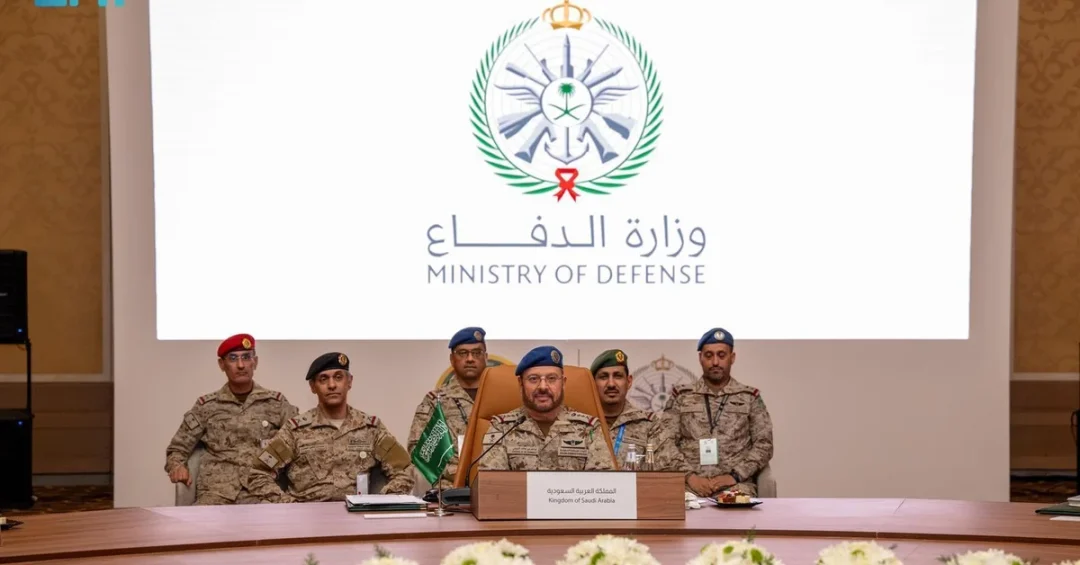
The Ministry of Defense of the Kingdom of Saudi Arabia hosted the eighth meeting of the Dragon Group Chiefs of Staff in Riyadh on April 13, 2025, bringing together senior military leaders from across the Middle East, North Africa, and Europe to coordinate on counter-terrorism, regional de-escalation, and maritime security. The gathering, announced via the Saudi Press Agency (SPA), convened the chiefs of staff and senior representatives of the Kingdom of Bahrain, the Sultanate of Oman, the State of Qatar, the State of Kuwait, the Arab Republic of Egypt, the Republic of Iraq, the Hashemite Kingdom of Jordan, the United Kingdom, and the General Secretariat of the Gulf Cooperation Council (GCC). The meeting underscores Riyadh’s growing role as a convening power for regional security dialogue at a time of considerable geopolitical tension.
The session was formally opened by Chief of General Staff Gen. Fayyad bin Hamed Al-Ruwaili, who welcomed the delegations and framed the agenda around shared threats and collective responsibility. The participation of nine partner nations and the GCC Secretariat signals the Dragon Group’s evolution into a practical coordination platform rather than a purely ceremonial forum. For international observers, the meeting offers a window into how Gulf states and their allies are structuring defense cooperation beyond formal alliance frameworks. Why does a gathering of this kind matter so much in the current regional climate?
Context and Background
The Dragon Group is a multilateral defense coordination mechanism that has met periodically to align participating nations on counter-terrorism cooperation and shared security priorities. Its eighth iteration in Riyadh reflects both continuity and expansion, drawing together Gulf Cooperation Council members alongside Egypt, Iraq, and Jordan, with the United Kingdom representing partners from outside the region. This composition is significant: it bridges the Gulf, the Levant, North Africa, and Europe within a single consultative track, allowing participating chiefs of staff to compare threat assessments and coordinate operational responses in real time.
Riyadh’s selection as host is not incidental. Saudi Arabia has steadily positioned itself as a hub for regional security diplomacy, leveraging its diplomatic weight and its military modernization program to convene actors who might otherwise struggle to find a neutral venue. The Ministry of Defense’s sponsorship of the meeting aligns with a broader pattern of Saudi-led multilateral engagement, from counter-terrorism financing initiatives to maritime coalition efforts. How does hosting such a diverse group of military leaders shape perceptions of the Kingdom’s global role?
The timing of the eighth meeting carries additional weight. Regional security dynamics have grown more complex over the past year, with ongoing conflicts, humanitarian crises, and persistent maritime threats in key waterways. By convening this group now, the participants signal that coordination channels remain open and functional even amid significant geopolitical friction. The Dragon Group format, which emphasizes practical cooperation over binding commitments, offers flexibility that formal treaty structures often lack.
Key Details and Agenda
According to the Saudi Press Agency, the meeting covered a focused set of topics of common interest. Foremost among them was counter-terrorism cooperation, a longstanding priority for all participating states and a domain in which intelligence-sharing and joint operational planning can produce tangible results. Discussions also addressed developments in the Palestinian territories, with participants emphasizing the need for humanitarian aid access, alongside broader regional de-escalation efforts. These agenda items reflect a shared recognition that security in the region is increasingly interconnected.
The chiefs of staff also stressed the importance of maritime security, focusing on ensuring the safety of waterways and strengthening anti-smuggling and anti-piracy operations. This emphasis is particularly relevant given the strategic importance of shipping lanes through the Red Sea, the Gulf of Aden, and the broader Arabian Sea corridor. Disruptions to these routes carry global economic consequences, and coordinated naval cooperation among participating states is essential to protecting commercial traffic and energy flows. What does effective maritime coordination actually look like in practice across such a diverse coalition?
The meeting’s format allowed participating officials to exchange assessments on each of these fronts, reinforcing trust and interoperability among forces that may operate alongside one another in crisis scenarios. The inclusion of the GCC General Secretariat adds a structured regional dimension, linking bilateral conversations to the broader Gulf security architecture. Officials did not disclose specific operational commitments, consistent with the consultative nature of the forum.
International and Regional Impact
The eighth Dragon Group meeting carries implications that extend well beyond the conference room. For regional participants, it reinforces a framework for sustained dialogue that can be activated quickly when crises emerge. For the United Kingdom, participation signals a continued commitment to Gulf and Middle East security engagement, maintaining channels that support intelligence cooperation and operational coordination. The presence of Egypt, Iraq, and Jordan broadens the group’s geographic reach, connecting Gulf security priorities with Levantine and North African considerations.
From a broader international perspective, the meeting demonstrates that multilateral defense coordination in the region remains robust despite competing priorities and divergent national interests among participants. The emphasis on humanitarian aid access and de-escalation positions the group as a potential stabilizing influence. Could this consultative model offer a template for other regions facing similar security challenges? The Dragon Group’s emphasis on shared interests over binding obligations may prove instructive for how middle powers approach collective security.
Economic and Strategic Significance
The strategic significance of the meeting lies in its contribution to regional stability, which in turn underpins economic confidence. Safe waterways, effective counter-terrorism, and reduced regional tension are prerequisites for the trade, investment, and energy flows on which the global economy depends. Saudi Arabia’s role in convening these discussions therefore reinforces its position as a linchpin of regional economic and security stability, a role that aligns directly with the objectives of its national transformation agenda.
The meeting also highlights the growing sophistication of Saudi defense diplomacy. By hosting a forum that brings together such a diverse set of partners, the Ministry of Defense demonstrates institutional capacity and diplomatic reach. This supports the Kingdom’s broader effort to attract international partnerships, defense industry collaboration, and knowledge exchange, all of which contribute to the modernization of its armed forces and the diversification of its economy.
Vision 2030 Alignment
The eighth Dragon Group meeting aligns closely with Saudi Vision 2030, the Kingdom’s comprehensive national transformation strategy. A stable and secure region is foundational to Vision 2030’s economic and social objectives, enabling the investment, tourism, and infrastructure development that the strategy prioritizes. By acting as a convening power for regional security dialogue, Saudi Arabia reinforces the stable environment that its own transformation requires while contributing to the security of its partners.
The meeting also reflects Vision 2030’s emphasis on international engagement and the Kingdom’s emergence as a proactive global actor. Saudi Arabia’s diplomatic and defense leadership, demonstrated through forums like the Dragon Group, signals a forward-looking approach to regional affairs that prioritizes cooperation, de-escalation, and collective problem-solving. As the Kingdom continues to modernize its institutions and deepen its international partnerships, platforms like this meeting will remain central to its role in shaping a secure and prosperous region.
20 Questions
Q1. What was the purpose of the eighth meeting of the Dragon Group Chiefs of Staff?
A1. The meeting convened senior military leaders to coordinate on shared security priorities, including counter-terrorism, regional de-escalation, humanitarian aid access, and maritime security cooperation among participating nations.
Q2. Which nations participated in the eighth Dragon Group meeting?
A2. Participants included Bahrain, Oman, Qatar, Kuwait, Egypt, Iraq, Jordan, the United Kingdom, and the General Secretariat of the Gulf Cooperation Council, alongside host Saudi Arabia.
Q3. Who opened the meeting on behalf of Saudi Arabia?
A3. Chief of General Staff Gen. Fayyad bin Hamed Al-Ruwaili opened the meeting, welcoming delegations and framing the agenda around shared threats and collective responsibility.
Q4. Where was the eighth Dragon Group meeting held?
A4. The meeting was held in Riyadh, the capital of the Kingdom of Saudi Arabia, hosted by the Ministry of Defense and announced through the Saudi Press Agency.
Q5. What counter-terrorism topics were discussed?
A5. Participants discussed counter-terrorism cooperation, focusing on intelligence-sharing, joint operational planning, and coordinated responses to shared extremist threats across the region.
Q6. Why was humanitarian aid access discussed at the meeting?
A6. Participants addressed developments in the Palestinian territories and emphasized the need for humanitarian aid access as part of broader efforts to reduce regional suffering and de-escalate tensions.
Q7. What maritime security issues were highlighted?
A7. Officials stressed ensuring the safety of waterways and strengthening anti-smuggling and anti-piracy operations, reflecting the strategic importance of shipping lanes in the Red Sea and Gulf region.
Q8. Why is maritime security important to the participating nations?
A8. Safe waterways protect commercial traffic, energy flows, and global trade routes, making coordinated naval cooperation essential to regional and international economic stability.
Q9. What role did the GCC General Secretariat play?
A9. The GCC General Secretariat added a structured regional dimension to the discussions, linking bilateral conversations to the broader Gulf security architecture and cooperation framework.
Q10. How does the Dragon Group differ from formal alliances?
A10. The Dragon Group is a consultative coordination mechanism emphasizing practical cooperation over binding treaty commitments, offering flexibility to align policies and share threat assessments.
Q11. Why is Saudi Arabia hosting such multilateral defense meetings?
A11. Saudi Arabia has positioned itself as a hub for regional security diplomacy, leveraging its diplomatic weight and military modernization to convene diverse actors in a neutral venue.
Q12. What does the United Kingdom’s participation signify?
A12. The UK’s participation signals continued commitment to Gulf and Middle East security engagement, maintaining channels that support intelligence cooperation and operational coordination.
Q13. How does this meeting support regional de-escalation?
A13. By maintaining open coordination channels and focusing on shared interests, participants signal that dialogue remains functional even amid significant geopolitical friction and competing national priorities.
Q14. What is the strategic significance of the meeting for Saudi Arabia?
A14. The meeting reinforces Saudi Arabia’s role as a linchpin of regional stability and demonstrates the institutional capacity of its defense diplomacy to convene diverse international partners.
Q15. How does the meeting connect to Saudi Vision 2030?
A15. A stable and secure region is foundational to Vision 2030’s economic and social objectives, enabling investment, tourism, and infrastructure development while reinforcing the Kingdom’s global engagement.
Q16. Did participants disclose specific operational commitments?
A16. No specific operational commitments were disclosed, consistent with the consultative and coordination-focused nature of the Dragon Group forum and its emphasis on shared understanding.
Q17. What regional conflicts informed the agenda?
A17. The agenda reflected ongoing concerns over developments in the Palestinian territories, humanitarian access, and persistent maritime threats, shaping discussions on de-escalation and collective security.
Q18. Which countries represented North Africa and the Levant?
A18. Egypt represented North Africa, while Iraq and Jordan represented the Levant, broadening the group’s geographic reach beyond the Gulf Cooperation Council member states.
Q19. How does the meeting benefit participating armed forces?
A19. The meeting allows chiefs of staff to exchange threat assessments, reinforce trust, and improve interoperability among forces that may operate alongside one another in crisis scenarios.
Q20. What does the Dragon Group’s future likely hold?
A20. The group is expected to continue meeting periodically to coordinate on counter-terrorism, maritime security, and regional stability, reinforcing multilateral defense cooperation across the Middle East and beyond.
Reader Feedback
We value your thoughts. Please share your feedback on this article.
Your feedback helps us improve our coverage.
Related articles
 KSrelief-Backed Hajjah Health Center Serves 8,748 in February
 Saudi Envoy, Chinese Diplomat Discuss Yemen Peace in Riyadh
 KSrelief Trains Yemeni Women in Renewable Energy in Lahij
 University of Melbourne Honors GEOSA President with Gary Nairn Medal
 Riyadh Hosts Global Ministerial Meeting on AI Literacy
 Kingdom Strongly Condemns Bombing of Al-Mamadani Hospital in Gaza