


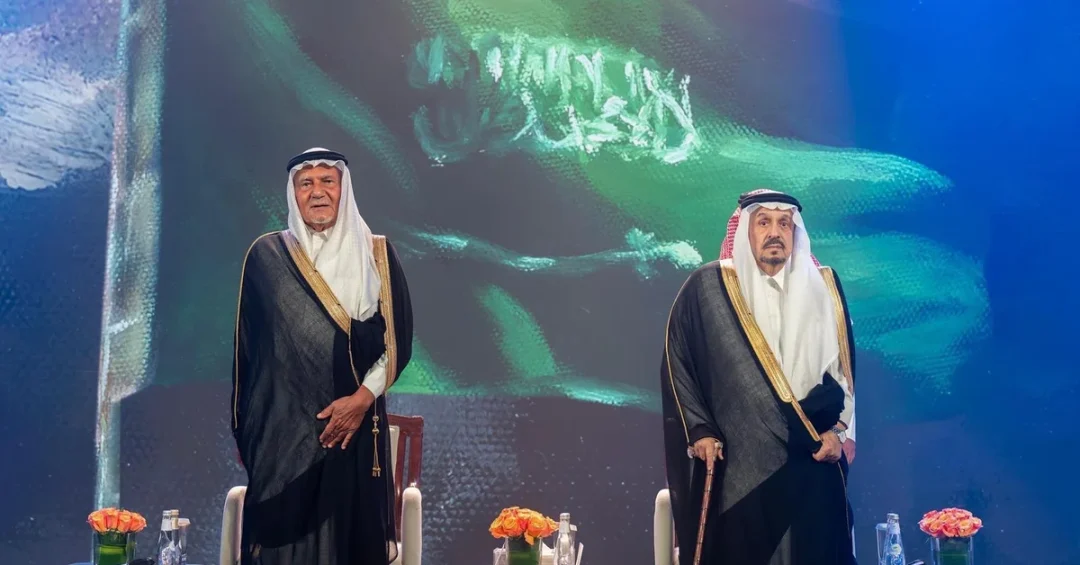
Governor of Riyadh Region Prince Faisal bin Bandar bin Abdulaziz honored the winners of the 47th King Faisal Prize 2025 at a ceremony in Riyadh, held under the patronage of Custodian of the Two Holy Mosques King Salman bin Abdulaziz Al Saud. The event, announced by the Saudi Press Agency, recognized outstanding global contributions in Service to Islam, Islamic Studies, Medicine, and Science. The ceremony underscored Saudi Arabia’s enduring commitment to fostering knowledge, interfaith understanding, and scientific advancement.
Have you ever wondered how a prize can bridge cultures and inspire innovation? The King Faisal Prize, established in 1977 by the King Faisal Foundation, has become a beacon of intellectual excellence, celebrating individuals and institutions whose work benefits humanity. This year’s awards highlighted groundbreaking achievements, from a sign-language Quran application to cutting-edge cancer therapies. The event drew prominent figures, including Prince Turki bin Faisal bin Abdulaziz, Chairman of the King Faisal Center for Research and Islamic Studies; Prince Bandar bin Saud bin Khalid, Secretary-General of the King Faisal Foundation; and Dr. Abdulaziz Al-Sabeel, Secretary-General of the King Faisal Prize. Their presence reaffirmed the Kingdom’s dedication to honoring global thought leaders.
Context and Background: A Legacy of Excellence
What drives a nation to celebrate intellectual achievement on a global stage? The King Faisal Prize, first awarded in 1979, was founded to honor the legacy of the late King Faisal bin Abdulaziz, a visionary leader who championed education and cultural exchange. Over four decades, it has recognized more than 280 laureates from over 40 countries, including scientists, scholars, and institutions whose work has advanced human welfare. The prize categories—Service to Islam, Islamic Studies, Arabic Language and Literature, Medicine, and Science—reflect a holistic vision that integrates faith, heritage, and modernity.
The 47th edition, held in Riyadh, maintained this tradition. The ceremony took place under the patronage of King Salman, emphasizing the Kingdom’s role as a custodian of Islamic heritage and a promoter of global knowledge. The King Faisal Foundation, which administers the prize, operates under the guidance of Prince Bandar bin Saud bin Khalid and collaborates with institutions worldwide to identify laureates. This year’s theme for Islamic Studies, “Studies of Archaeology in the Arabian Peninsula,” and for Arabic Language and Literature, “Studies of Identity in Arabic Literature,” highlighted areas of growing academic interest that resonate with Saudi Arabia’s rich history and cultural renaissance.
The event also showcased Saudi Arabia’s ability to convene global talent, reinforcing its position as a hub for intellectual dialogue. As the Kingdom undergoes unprecedented social and economic transformation under Vision 2030, such initiatives play a vital role in projecting soft power and fostering international partnerships.
Key Details: Celebrating Innovation and Scholarship
Who are the visionaries behind this year’s awards? In the Service to Islam category, the prize was awarded to Tebyan Quran from the Liajlehum Association for Serving People with Disabilities. This organization developed an innovative interactive electronic application that uses sign language to present the Quran’s meanings—a global first that enhances inclusivity for the hearing-impaired. This recognition underscores Saudi Arabia’s commitment to accessibility and the dissemination of Islamic knowledge.
Sami Almaghlouth, a consultant at the General Authority for Survey and Geospatial Information, was also honored in the same category for his extensive documentation of Islamic history through over 40 historical and geographical atlases. Many of these atlases have been translated into multiple languages, making them invaluable resources for researchers and historians worldwide. His work exemplifies the meticulous preservation of Islamic heritage.
In Islamic Studies, themed “Studies of Archaeology in the Arabian Peninsula,” the prize was jointly awarded to archaeologist Professor Saad Alrashid for his key contributions to the study of Islamic inscriptions and Arabian Peninsula archaeology, and to Professor Said Alsaid for his comparative work on ancient Arabian inscriptions and pre-Islamic civilizations. Their research sheds light on the region’s deep historical roots and cultural exchanges.
The Medicine award, focused on “Cellular Therapy,” went to Professor Michel Sadelain (Canada/Memorial Sloan Kettering Cancer Center) for his groundbreaking development of CAR-T immunotherapies. These therapies have proven effective against blood cancers and show promise for autoimmune diseases and solid tumors. This recognition highlights the global impact of medical innovation.
The Science award was presented to Professor Sumio Iijima (Japan/Meijo University) for his pioneering discovery of carbon nanotubes via electron microscopy. This finding launched a new field in materials science and nanotechnology, with wide-ranging applications from electronics to medicine. The Arabic Language and Literature award, centered on “Studies of Identity in Arabic Literature,” was withheld as the nominated works did not meet the required standards—a testament to the prize’s rigorous selection process.
International and Regional Impact: Bridging Cultures and Advancing Knowledge
How does a Saudi prize resonate across continents? The King Faisal Prize has long been a catalyst for international collaboration. This year’s laureates hail from Canada, Japan, and Saudi Arabia, reflecting the prize’s global reach. Professor Sadelain’s work in immunotherapy has the potential to revolutionize cancer treatment worldwide, while Professor Iijima’s discovery of carbon nanotubes has already transformed multiple industries. Their recognition in Riyadh signals Saudi Arabia’s support for cutting-edge research that transcends borders.
Regionally, the awards reinforce the Kingdom’s leadership in Islamic scholarship and cultural preservation. The joint Islamic Studies award to Professors Alrashid and Alsaid highlights the importance of archaeological research in the Arabian Peninsula, a region that has been a crossroads of civilizations for millennia. By honoring these scholars, Saudi Arabia positions itself as a custodian of this heritage and a promoter of academic excellence. The Service to Islam award to Tebyan Quran and Sami Almaghlouth further demonstrates the Kingdom’s commitment to inclusive Islamic education and historical documentation.
The ceremony also served as a diplomatic platform, bringing together dignitaries, scholars, and innovators. Such gatherings foster people-to-people ties and enhance Saudi Arabia’s soft power, aligning with Vision 2030’s goal of a vibrant, globally engaged society.
Economic and Strategic Significance: Investing in Human Capital
Why does a prize matter for a nation’s economy? The King Faisal Prize is more than a ceremonial honor; it reflects Saudi Arabia’s strategic investment in human capital and innovation. By celebrating scientific breakthroughs and scholarly achievements, the Kingdom encourages research and development, which are essential drivers of economic diversification. Vision 2030 aims to reduce dependence on oil by fostering knowledge-based industries, and awards like this inspire the next generation of Saudi scientists and researchers.
Moreover, the prize enhances Saudi Arabia’s reputation as a destination for global talent and collaboration. The presence of international laureates and dignitaries at the ceremony promotes cross-cultural exchange and opens doors for joint ventures in education, healthcare, and technology. For instance, Professor Sadelain’s work in cellular therapy could lead to partnerships with Saudi medical institutions, while Professor Iijima’s nanotechnology research could spur innovation in the Kingdom’s advanced manufacturing sector. The event also aligns with the National Transformation Program, which seeks to improve healthcare, education, and scientific research.
By honoring figures like Sami Almaghlouth, whose atlases document Islamic history, Saudi Arabia also supports the preservation of cultural heritage—a key pillar of Vision 2030’s cultural goals. This dual focus on modern science and traditional values exemplifies the Kingdom’s balanced approach to progress.
Vision 2030 Alignment: A Future Built on Knowledge
How does honoring scholars connect to Saudi Arabia’s future? Vision 2030, the Kingdom’s ambitious blueprint for transformation, places education, innovation, and cultural enrichment at its core. The King Faisal Prize directly supports these objectives by recognizing excellence in fields that are critical to societal advancement. The Service to Islam award, for example, promotes inclusivity and accessibility, reflecting the Vision’s emphasis on a tolerant and welcoming society. The Islamic Studies and Arabic Language awards reinforce national identity and heritage, which are essential for a cohesive society.
Furthermore, the Medicine and Science awards highlight the importance of research and development in building a diversified economy. Saudi Arabia is investing heavily in healthcare and technology, and international recognition of pioneers like Professor Sadelain and Professor Iijima can inspire local innovators. The withheld Arabic Language award also demonstrates the prize’s integrity, ensuring that only works of the highest caliber are honored—a standard that aligns with Vision 2030’s pursuit of excellence.
In conclusion, the 47th King Faisal Prize ceremony was a celebration of human achievement and a testament to Saudi Arabia’s role as a global leader in knowledge and culture. As the Kingdom continues its journey toward Vision 2030, such events will remain vital in fostering international partnerships and inspiring future generations. The world watches as Saudi Arabia builds a future rooted in intellect, faith, and progress.
20 Questions
Q1. What is the King Faisal Prize?
A1. The King Faisal Prize is an international award established by the King Faisal Foundation in 1977 to honor outstanding contributions in Service to Islam, Islamic Studies, Arabic Language and Literature, Medicine, and Science.
Q2. Who patronized the 47th King Faisal Prize ceremony?
A2. The ceremony was held under the patronage of Custodian of the Two Holy Mosques King Salman bin Abdulaziz Al Saud, reflecting the Kingdom’s support for intellectual and cultural excellence.
Q3. Who honored the winners at the 2025 ceremony?
A3. Governor of Riyadh Region Prince Faisal bin Bandar bin Abdulaziz honored the winners at the ceremony in Riyadh on April 14, 2025.
Q4. Which organization received the Service to Islam award?
A4. Tebyan Quran from the Liajlehum Association for Serving People with Disabilities received the award for developing an interactive electronic application that uses sign language to present the Quran’s meanings.
Q5. Who was the individual winner in the Service to Islam category?
A5. Sami Almaghlouth, a consultant at the General Authority for Survey and Geospatial Information, was honored for his documentation of Islamic history through over 40 historical and geographical atlases.
Q6. What was the theme for Islamic Studies this year?
A6. The theme was “Studies of Archaeology in the Arabian Peninsula,” focusing on the region’s rich historical and archaeological heritage.
Q7. Who won the Islamic Studies award?
A7. The prize was jointly awarded to Professor Saad Alrashid for his work on Islamic inscriptions and Arabian Peninsula archaeology, and Professor Said Alsaid for his comparative studies on ancient Arabian inscriptions and pre-Islamic civilizations.
Q8. What was the Medicine award category for 2025?
A8. The Medicine award was for “Cellular Therapy,” recognizing advancements in this innovative field.
Q9. Who received the Medicine award?
A9. Professor Michel Sadelain from Memorial Sloan Kettering Cancer Center in Canada received the award for his development of CAR-T immunotherapies.
Q10. What is the significance of CAR-T immunotherapies?
A10. CAR-T immunotherapies are effective against blood cancers and show promise for treating autoimmune diseases and solid tumors, representing a major breakthrough in cancer treatment.
Q11. What was the Science award for?
A11. The Science award recognized Professor Sumio Iijima for his pioneering discovery of carbon nanotubes via electron microscopy, which launched a new field in materials science and nanotechnology.
Q12. Who won the Science award?
A12. Professor Sumio Iijima from Meijo University in Japan received the award for his groundbreaking discovery.
Q13. Why was the Arabic Language and Literature award withheld?
A13. The award was withheld because the nominated works did not meet the required standards, demonstrating the prize’s commitment to excellence.
Q14. What was the theme for Arabic Language and Literature?
A14. The theme was “Studies of Identity in Arabic Literature,” but no award was given as the submissions fell short of the criteria.
Q15. Who attended the ceremony?
A15. Prominent figures attended, including Prince Turki bin Faisal bin Abdulaziz, Prince Bandar bin Saud bin Khalid, and Dr. Abdulaziz Al-Sabeel, among others.
Q16. What is the King Faisal Foundation?
A16. The King Faisal Foundation is a philanthropic organization established in 1976 to honor the legacy of King Faisal and to promote education, culture, and scientific research through initiatives like the King Faisal Prize.
Q17. How does the King Faisal Prize align with Vision 2030?
A17. The prize supports Vision 2030 by promoting knowledge, innovation, and cultural preservation, which are key pillars of the Kingdom’s transformation plan.
Q18. How many laureates has the King Faisal Prize honored?
A18. Over 280 laureates from more than 40 countries have been honored since the prize’s inception, recognizing global excellence.
Q19. What is the significance of the sign language Quran application?
A19. It is a global first that enhances inclusivity for the hearing-impaired, allowing them to access the Quran’s meanings through sign language, reflecting Saudi Arabia’s commitment to accessibility.
Q20. When and where was the 47th King Faisal Prize ceremony held?
A20. The ceremony was held in Riyadh on April 14, 2025, under the patronage of King Salman bin Abdulaziz Al Saud.
Reader Feedback
We value your thoughts. Please share your feedback on this article.
Your feedback helps us improve our coverage.
Related articles
 Saudi Arabia Weather Forecast for Tuesday: Dust and Rain
 Royal Saudi Air Force Joins Desert Flag 10 in UAE
 KAICIID Hosts Rome Conference on Interfaith Dialogue
 HCI Conference Concludes in Riyadh with 13,000 Participants
 Saudi TVTC Signs Training Agreements with UK, SESRIC
 U.S. Energy Secretary Tours Aramco, Shaybah Field