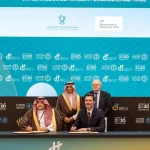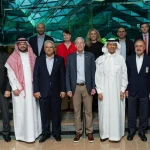
Riyadh, April 15, 2025 — The second edition of the Human Capability Initiative (HCI) Conference, held under the patronage of His Royal Highness Prince Mohammed bin Salman bin Abdulaziz Al Saud, Crown Prince and Prime Minister, concluded today at the King Abdulaziz International Conference Center in Riyadh, drawing more than 13,000 participants from over 120 countries and featuring over 300 speakers from 40 nations. The two-day event, themed “Beyond Readiness,” brought together leaders, policymakers, and international experts from the public, private, and non-profit sectors, as well as international organizations and academic institutions, according to the Saudi Press Agency (SPA). The conference served as a global platform for dialogue and exchange of experiences, underscoring the critical importance of regional and international cooperation in tackling future challenges and advancing human capability development.
Have you ever wondered how nations can truly prepare their people for the rapidly changing demands of the 21st-century economy? The HCI Conference, an initiative aligned with Saudi Vision 2030, has quickly become a cornerstone of international efforts to answer that question. Over two days, participants engaged in discussions, workshops, and networking sessions designed to foster innovative solutions for human capital development. The event showcased Saudi Arabia’s commitment to fostering global partnerships and its leadership in shaping the future of work, education, and skills development. With over 100 initiatives and deals valued at more than SAR8.5 billion announced, the conference demonstrated tangible outcomes that will resonate across sectors and borders.
Context and Background
What makes the Human Capability Initiative a unique force in global human development? Launched in 2022, HCI is a global platform dedicated to empowering individuals and communities by enhancing skills, knowledge, and capabilities. It operates under the umbrella of Saudi Vision 2030, the Kingdom’s ambitious blueprint for economic diversification and social transformation. The first edition of the HCI Conference, held in 2024, set the stage by focusing on the theme of “Readiness,” emphasizing the need for proactive investment in human capital. This year’s theme, “Beyond Readiness,” built on that foundation, urging stakeholders to move from preparation to action and innovation.
The conference is guided by the Human Capability Development Program (HCDP), one of the Vision 2030 realization programs, which aims to ensure that Saudi citizens possess the skills and mindset to compete globally. HCDP focuses on three pillars: developing a resilient and future-ready education system, preparing for the future labor market, and fostering a culture of lifelong learning. By hosting HCI, Saudi Arabia positions itself as a convener of global thought leaders and a catalyst for collaborative solutions. The event also aligns with the Kingdom’s G20 presidency legacy and its ongoing efforts to contribute to international development agendas, including the United Nations Sustainable Development Goals.
Why does the world need a conference like HCI now more than ever? The global economy is undergoing profound shifts driven by technological advancements, demographic changes, and geopolitical dynamics. Automation, artificial intelligence, and the green transition are reshaping industries and labor markets at an unprecedented pace. According to the World Economic Forum, by 2025, 50% of all employees will need reskilling due to the adoption of new technologies. In this context, HCI provides a timely platform for nations to share best practices, forge partnerships, and develop strategies to equip their populations for the future. The conference’s emphasis on inclusivity—bringing together participants from over 120 countries—reflects the understanding that human capability development is a global challenge requiring collective action.
Key Details and Highlights
What were the most significant outcomes of the second HCI Conference? The event featured a diverse lineup of over 300 speakers, including government ministers, corporate executives, academic scholars, and representatives from international organizations such as the United Nations, the World Bank, and the International Labour Organization. Notable Saudi participants included His Excellency the Minister of Human Resources and Social Development, and His Excellency the Minister of Education, who highlighted the Kingdom’s progress in education and workforce development. The conference program comprised plenary sessions, panel discussions, and interactive workshops covering topics such as early childhood development, digital skills, vocational training, and women’s economic empowerment.
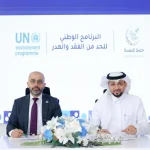
The conference also served as a launchpad for over 100 initiatives and agreements valued at more than SAR8.5 billion (approximately USD 2.27 billion). These deals span various sectors, including education technology, healthcare training, and entrepreneurship. For instance, the Ministry of Human Resources and Social Development announced a partnership with several private sector companies to create 50,000 training opportunities for Saudi youth in emerging fields like renewable energy and artificial intelligence. Another major agreement involved the establishment of a regional center for vocational excellence in Riyadh, in collaboration with a leading international institution. These initiatives are expected to generate thousands of jobs and enhance the competitiveness of the Saudi workforce.
How did the conference facilitate dialogue and knowledge exchange? The HCI Conference was structured around several thematic tracks: “Future Skills,” “Education Transformation,” “Health and Well-being,” and “Inclusive Growth.” Each track featured keynote speeches, case study presentations, and roundtable discussions. A dedicated exhibition area showcased innovative products and services from over 50 companies and startups, providing a platform for entrepreneurs to connect with investors and policymakers. The event also included a youth forum, where young leaders from around the world shared their perspectives on the future of work and education. According to SPA, the diversity of participants enriched the conference’s platforms and sessions, fostering dialogue and the exchange of experiences.
International and Regional Impact
How does the HCI Conference influence global and regional human capability development? The event’s international scope—with attendees from over 120 nations—demonstrates its role as a truly global convening platform. By bringing together stakeholders from diverse backgrounds, HCI facilitates cross-border collaboration and the sharing of scalable solutions. For example, representatives from Southeast Asian countries shared their experiences with technical and vocational education and training (TVET) systems, while African delegates discussed strategies for leveraging digital technologies to bridge educational gaps. These exchanges can lead to the adaptation of successful models in different contexts, accelerating progress toward global education and employment targets.
In the Middle East and North Africa (MENA) region, the HCI Conference reinforces Saudi Arabia’s leadership in human development. The Kingdom’s investments in education and training are setting benchmarks for neighboring countries. According to the World Bank, the MENA region has the highest youth unemployment rate in the world, at over 25%. By championing initiatives that enhance employability and entrepreneurship, Saudi Arabia is contributing to regional stability and prosperity. Moreover, the conference provides a platform for Arab countries to align their human capital strategies with the broader goals of the Arab League and the Gulf Cooperation Council (GCC). The presence of high-level delegations from these organizations underscored the collective commitment to advancing human capability.
Economic and Strategic Significance
What economic benefits does the HCI Conference bring to Saudi Arabia and its partners? The SAR8.5 billion in agreements signed at the conference represents a significant injection of resources into human capital development. These investments are expected to stimulate economic growth by creating jobs, fostering innovation, and enhancing productivity. For Saudi Arabia, this aligns with Vision 2030’s objective of reducing unemployment and increasing the private sector’s contribution to GDP. The deals also attract foreign direct investment, as international companies partner with Saudi entities to deliver training and education services. Furthermore, the conference showcases Saudi Arabia’s business-friendly environment and its potential as a hub for knowledge-based industries.
Strategically, HCI strengthens Saudi Arabia’s soft power and its role as a bridge between developed and developing nations. By hosting a successful global event, the Kingdom demonstrates its capacity to convene world leaders and drive consensus on critical issues. This enhances its diplomatic influence and positions it as a responsible global citizen. The conference also supports the Kingdom’s efforts to diversify its economy away from oil by developing its most valuable resource: its people. As Saudi Arabia invests in human capital, it builds a skilled workforce that can drive innovation in sectors such as technology, tourism, and renewable energy, in line with Vision 2030.
Vision 2030 Alignment
How does the HCI Conference embody the goals of Saudi Vision 2030? Vision 2030, launched in 2016 by His Royal Highness Prince Mohammed bin Salman, aims to transform Saudi Arabia into a diversified, innovative, and globally engaged economy. A central pillar of this vision is the development of human capabilities, as outlined in the Human Capability Development Program. The HCI Conference directly supports this pillar by fostering a culture of lifelong learning, promoting skills for the future, and enabling Saudi citizens to reach their full potential. The themes of the conference—”Beyond Readiness”—echo the Vision’s call for proactive planning and global collaboration.
Moreover, the conference underscores Saudi Arabia’s commitment to international cooperation and knowledge sharing, which are essential for achieving the UN Sustainable Development Goals, particularly Goal 4 (Quality Education) and Goal 8 (Decent Work and Economic Growth). By hosting HCI, the Kingdom not only advances its own transformation but also contributes to global efforts to build inclusive and equitable societies. As the conference concludes, the momentum generated will continue to drive initiatives that empower individuals and communities, ensuring that Saudi Arabia remains at the forefront of human capability development for years to come.
20 Questions
Q1. What is the Human Capability Initiative (HCI) Conference?
A1. The HCI Conference is a global event hosted by Saudi Arabia under the patronage of Crown Prince Mohammed bin Salman. It brings together leaders, experts, and organizations to discuss and advance human capability development, aligned with Saudi Vision 2030.
Q2. When and where did the second edition of HCI take place?
A2. The second edition was held on April 14-15, 2025, at the King Abdulaziz International Conference Center in Riyadh, Saudi Arabia. It concluded on April 15 with over 13,000 participants from more than 120 countries.
Q3. What was the theme of the second HCI Conference?
A3. The theme was “Beyond Readiness.” It focused on moving from preparing for future challenges to actively implementing innovative solutions for human capability development across education, skills, and employment.
Q4. Who patronized the HCI Conference?
A4. The conference was held under the patronage of His Royal Highness Prince Mohammed bin Salman bin Abdulaziz Al Saud, Crown Prince and Prime Minister of Saudi Arabia, highlighting the Kingdom’s strong commitment to human development.
Q5. How many speakers and participants attended the conference?
A5. The conference featured over 300 speakers from 40 countries and attracted more than 13,000 participants from over 120 nations, including leaders, policymakers, experts, and representatives from various sectors.
Q6. What were the key outcomes of the conference?
A6. The conference saw the launch of over 100 initiatives and agreements valued at more than SAR8.5 billion. These deals span sectors like education, training, healthcare, and entrepreneurship, aimed at enhancing human capability.
Q7. What sectors benefited from the agreements signed at HCI?
A7. Agreements covered education technology, vocational training, healthcare, renewable energy, artificial intelligence, and entrepreneurship. They are expected to create jobs and boost the competitiveness of the Saudi workforce.
Q8. How does HCI align with Saudi Vision 2030?
A8. HCI directly supports Vision 2030’s Human Capability Development Program, which aims to build a resilient education system, prepare for future labor markets, and foster lifelong learning, contributing to economic diversification and global engagement.
Q9. What is the Human Capability Development Program?
A9. It is one of the Vision 2030 realization programs, focusing on developing Saudi citizens’ skills, knowledge, and mindset to compete globally. It addresses education, labor market readiness, and lifelong learning.
Q10. Which international organizations participated in HCI?
A10. Participants included representatives from the United Nations, World Bank, International Labour Organization, and numerous academic institutions and non-profits, reflecting broad international engagement and collaboration.
Q11. What topics were discussed at the conference?
A11. Topics included future skills, education transformation, health and well-being, inclusive growth, digital skills, women’s empowerment, early childhood development, and vocational training, among others.
Q12. How does HCI promote international cooperation?
A12. By bringing together stakeholders from over 120 countries, HCI facilitates dialogue, knowledge exchange, and partnerships. It enables nations to share best practices and develop joint solutions for human capability challenges.
Q13. What is the significance of the SAR8.5 billion in deals?
A13. The deals represent a major investment in human capital, expected to create jobs, drive innovation, and enhance productivity. They also attract foreign investment and support Saudi Arabia’s economic diversification goals.
Q14. How does HCI benefit Saudi youth?
A14. HCI launches initiatives like training programs for 50,000 youth in emerging fields. It provides networking opportunities, skills development, and pathways to employment, empowering young Saudis to contribute to Vision 2030.
Q15. What role do women play in HCI?
A15. Women’s economic empowerment is a key focus. The conference highlighted initiatives to increase female participation in the workforce and leadership, aligning with Vision 2030 goals to enhance women’s roles in society.
Q16. How does HCI address future labor market needs?
A16. HCI emphasizes reskilling and upskilling for emerging fields like AI, renewable energy, and digital technologies. It fosters collaboration between governments, businesses, and educators to align training with market demands.
Q17. What was the role of the private sector at HCI?
A17. The private sector played a crucial role by partnering on initiatives, investing in training, and showcasing innovations. Companies signed agreements to provide training, create jobs, and develop technology solutions for human capability.
Q18. How does HCI contribute to global goals?
A18. HCI supports UN Sustainable Development Goals, particularly Quality Education and Decent Work. By sharing knowledge and fostering partnerships, it helps nations build inclusive, equitable societies and prepare for future challenges.
Q19. What is the expected impact of HCI on Saudi Arabia’s economy?
A19. HCI is expected to boost economic growth by enhancing workforce skills, attracting investment, and fostering innovation. It supports Vision 2030’s aim to diversify the economy and increase private sector contribution to GDP.
Q20. How can other countries participate in future HCI events?
A20. Countries can participate by engaging with Saudi ministries, international organizations, or HCI’s official channels. The conference welcomes global stakeholders to join future editions and collaborate on human capability initiatives.
Reader Feedback
We value your thoughts. Please share your feedback on this article.
Your feedback helps us improve our coverage.