


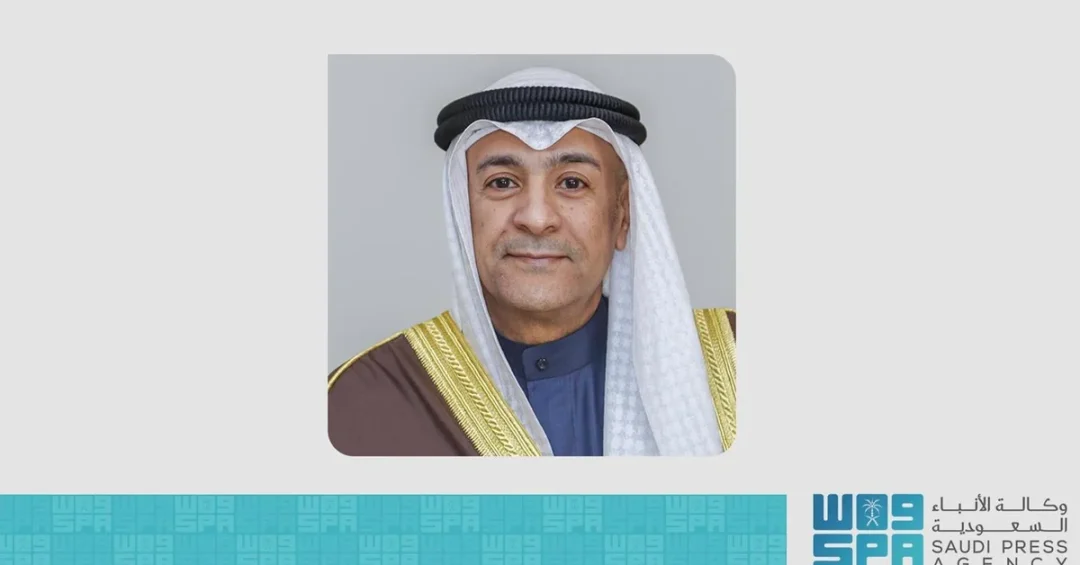
Gulf Cooperation Council (GCC) leaders place the highest priority on young people, recognizing them as the primary drivers of development and the builders of resilient Gulf societies, Secretary-General Jasem Albudaiwi said during the GCC General Secretariat’s celebration of Gulf Youth Day at its headquarters in Riyadh. The event, reported by the Saudi Press Agency (SPA), underlined a region-wide conviction that the energy, talent, and ambition of the Gulf’s youth are indispensable to a secure and sustainable future. Albudaiwi stressed that GCC member states have consistently worked to empower young citizens, deepen their participation across every sector, and create an environment where innovation, creativity, and leadership can flourish. How can a region so young turn its demographic strength into a lasting global advantage?
The celebration in Riyadh was more than a ceremonial occasion; it served as a platform to showcase concrete progress in joint youth work. Albudaiwi pointed to the Gulf Youth Index, a scientific tool launched by the GCC General Secretariat with the support of member states, which monitors the realities of youth life, measures advancement, and identifies areas for improvement. The index draws on modern data and statistics covering education, health, community participation, employment, innovation, and quality of life. For a region where 15- to 34-year-olds make up roughly 36 percent of the total population, such measurement is not an academic exercise but a strategic necessity. What better way to ensure that policies match the aspirations of a generation that will define the Gulf’s next fifty years?
Context and Background
Gulf Youth Day is observed annually across the six GCC member states—Saudi Arabia, the United Arab Emirates, Kuwait, Qatar, Bahrain, and Oman—to recognize the contributions of young people and to reaffirm commitments to their development. The GCC General Secretariat, based in Riyadh, has increasingly focused on youth as a cross-cutting priority, integrating their needs into broader economic and social strategies. This year’s celebration came at a time when Gulf economies are diversifying rapidly, creating new opportunities in technology, renewable energy, tourism, and advanced manufacturing. In Saudi Arabia, Vision 2030 has placed youth empowerment at the heart of national transformation, with programs spanning education, entrepreneurship, and quality of life. Isn’t it telling that the region’s most ambitious economic blueprints all begin with the same asset—its young people?
Albudaiwi’s remarks also reflect a deeper shift in how Gulf governments view their youthful populations. Rather than treating youth as passive beneficiaries of state support, leaders now see them as active partners in policymaking and economic growth. The proposed Gulf Youth Council, announced during the celebration, embodies this shift. With an ambitious vision to empower Gulf youth as active partners in shaping future policies and enhancing Gulf integration, the council would institutionalize youth participation at the highest levels of regional cooperation. This builds on years of incremental progress: national youth strategies, dedicated ministries, and funding programs that have steadily expanded opportunities. What could a generation raised in an era of unprecedented connectivity and reform achieve when given a formal seat at the table?
The timing of these announcements is significant. As global competition for talent intensifies, the Gulf is positioning itself not just as a destination for investment but as a hub for innovation led by its own citizens. The GCC’s collective approach—pooling data, sharing best practices, and aligning youth policies—offers a model for regional integration that goes beyond trade and security. By investing in young people, Gulf leaders are addressing immediate challenges such as job creation while laying the groundwork for long-term resilience. In a world of rapid technological change, the ability to adapt depends on the creativity and skills of the rising generation. How else can a region secure its place in the global economy if not by unlocking the full potential of its youth?
Key Details
During his address, Albudaiwi presented compelling statistics that underscore the demographic weight and dynamism of Gulf youth. The 15- to 34-year-old age group constitutes about 36 percent of the total population of the GCC countries—a figure that represents a vast human resource if invested wisely. This concentration of young people is both an opportunity and a responsibility, requiring sustained investment in education, healthcare, and employment. The data also revealed that youth participation in sports, cultural, and social activities exceeded 40 percent in some countries, signaling a high level of civic engagement and awareness of the importance of positive interaction with society. Such participation is a foundation for social cohesion and a bulwark against the challenges of rapid modernization.
Equally striking is the entrepreneurial spirit among Gulf youth. Albudaiwi noted that the percentage of entrepreneurial projects led by young people between the ages of 20 and 34 exceeded 40 percent of total emerging projects in some GCC countries. This indicator points to a culture of initiative and responsibility that is increasingly characteristic of the region’s young population. From technology startups in Riyadh and Dubai to creative ventures in Muscat and Manama, young Gulf entrepreneurs are translating ideas into enterprises that create jobs and diversify economies. The Gulf Youth Index will track these trends, providing policymakers with the evidence needed to refine support programs and remove obstacles. What more could be achieved if access to capital, mentorship, and markets were further streamlined?
The announcement of the Gulf Youth Council proposal adds a new institutional dimension to these efforts. While details are still being developed, the council’s stated vision is to empower Gulf youth to be active partners in shaping future policies and enhancing Gulf integration. This would involve structured channels for youth input into regional decisions, potentially including advisory roles, consultative mechanisms, and collaborative projects. By giving young people a formal voice, the GCC aims to ensure that policies reflect the realities and aspirations of those who will live with their consequences. It is a forward-looking step that aligns with the broader trend of inclusive governance in the Gulf. Isn’t it logical that those who will inherit the future should help design it?
International and Regional Impact
The GCC’s emphasis on youth is part of a larger story of regional transformation that resonates far beyond the Gulf. International observers have long noted that the Middle East’s demographic profile—where young people form a significant share of the population—presents both challenges and opportunities. By proactively investing in youth, the GCC is setting a benchmark for other regions facing similar dynamics. The Gulf Youth Index, with its comprehensive data on education, health, employment, and innovation, could become a model for evidence-based policymaking worldwide. Moreover, the focus on entrepreneurship and civic participation aligns with global development goals, particularly those related to decent work, quality education, and inclusive societies. How might other regions learn from the Gulf’s integrated approach to youth empowerment?
Within the region, the GCC’s youth initiatives reinforce the bonds among member states. Joint programs and shared data platforms foster a sense of common purpose and facilitate the exchange of ideas across borders. For Saudi Arabia, which hosts the GCC General Secretariat in Riyadh, these efforts complement Vision 2030’s goals of building a vibrant society and a diversified economy. The Kingdom has launched numerous youth-focused programs, from the Misk Foundation to the National Center for Youth Development, and its experience informs the regional agenda. Similarly, other GCC states have pioneered their own initiatives, creating a rich tapestry of approaches that can be scaled and adapted. The collective impact is greater than the sum of its parts, enhancing the Gulf’s standing as a stable and forward-looking region. What better advertisement for regional cooperation than a generation that sees no borders to its ambition?
Economic and Strategic Significance
From an economic standpoint, the statistics cited by Albudaiwi are not merely numbers; they are indicators of future growth. With 36 percent of the population in the 15-34 age bracket, the GCC has a demographic dividend that, if harnessed, can drive productivity and innovation for decades. The high rate of youth-led entrepreneurial projects—over 40 percent in some countries—suggests that young people are already seizing opportunities in emerging sectors. This entrepreneurial energy is critical as Gulf economies reduce their reliance on hydrocarbons and build knowledge-based industries. The Gulf Youth Index will help identify which sectors are attracting youth talent and where additional support is needed, ensuring that investments in education and training are aligned with market demands. Isn’t it clear that the most effective economic strategy is one that empowers those who will power the future?
Strategically, the GCC’s youth focus strengthens social stability and national resilience. By engaging young people in sports, culture, and community activities—participation that exceeds 40 percent in some countries—the region fosters a sense of belonging and shared identity. This is particularly important in an era of global uncertainties and rapid technological change. The proposed Gulf Youth Council would further institutionalize this engagement, creating a pipeline of leaders who understand both local contexts and global trends. For Saudi Arabia, this aligns with Vision 2030’s objective of increasing youth participation in the workforce and public life. The Kingdom’s own youth strategies, including the Quality of Life Program and the Human Capability Development Program, are designed to prepare young Saudis for leadership roles in all sectors. How can any nation hope to compete in the 21st century without fully mobilizing its young population?
Vision 2030 Alignment
The GCC’s youth initiatives, as outlined by Secretary-General Albudaiwi, are deeply aligned with Saudi Arabia’s Vision 2030, which seeks to transform the Kingdom into a diversified economy and a vibrant society. Vision 2030 recognizes that young Saudis are the driving force behind this transformation, and it has launched numerous programs to empower them—from educational reforms and scholarship opportunities to entrepreneurship funds and cultural initiatives. The Gulf Youth Index and the proposed Gulf Youth Council complement these efforts by providing regional frameworks for measuring progress and facilitating collaboration. Under the leadership of the Custodian of the Two Holy Mosques, King Salman bin Abdulaziz Al Saud, and His Royal Highness Crown Prince Mohammed bin Salman, Saudi Arabia has consistently championed youth empowerment as a cornerstone of its domestic and regional policies. What better way to honor that commitment than by ensuring that every young person in the Gulf has the tools to shape their own destiny?
Looking ahead, the GCC’s focus on youth is set to intensify. The General Secretariat’s intention to adopt the Gulf Youth Council proposal signals a new phase of institutionalized youth participation. As the region continues to invest in education, innovation, and quality of life, the returns will be measured not only in economic growth but in the strength of its social fabric. The youth of the Gulf are already demonstrating their capabilities—in classrooms, startups, sports arenas, and community centers. With the right support, they will undoubtedly lead the region to a future of prosperity and global influence. The message from Riyadh is clear: the Gulf’s youth are not just the leaders of tomorrow; they are the partners of today. And in that partnership lies the promise of a brighter, more secure, and sustainable Gulf for generations to come.
20 Questions
Q1. What is Gulf Youth Day?
A1. Gulf Youth Day is an annual celebration observed by the six GCC member states to recognize the contributions of young people and reaffirm commitments to their development. It highlights youth empowerment initiatives and fosters regional cooperation on youth-related policies.
Q2. Who is Jasem Albudaiwi?
A2. Jasem Albudaiwi is the Secretary-General of the Gulf Cooperation Council (GCC). He has been a vocal advocate for youth empowerment and regional integration, frequently speaking on the importance of investing in young people for sustainable development.
Q3. What is the Gulf Youth Index?
A3. The Gulf Youth Index is a scientific tool launched by the GCC General Secretariat that monitors the realities of youth life across member states. It measures progress in education, health, employment, innovation, and quality of life, providing data for evidence-based policymaking.
Q4. What percentage of the GCC population is aged 15 to 34?
A4. According to Secretary-General Albudaiwi, the 15- to 34-year-old age group constitutes about 36 percent of the total population of the GCC countries. This represents a significant human resource for regional development.
Q5. What is the proposed Gulf Youth Council?
A5. The Gulf Youth Council is a proposed body announced by the GCC General Secretariat. Its vision is to empower Gulf youth to be active partners in shaping future policies and enhancing Gulf integration, giving young people a formal voice in regional decisions.
Q6. How does youth participation in sports and culture look in the GCC?
A6. Data shows that youth participation in sports, cultural, and social activities exceeded 40 percent in some GCC countries. This reflects a high level of civic engagement and awareness of the importance of positive interaction with society.
Q7. What is the rate of youth-led entrepreneurial projects in the GCC?
A7. The percentage of entrepreneurial projects led by young people between the ages of 20 and 34 exceeded 40 percent of total emerging projects in some GCC countries. This indicates a strong spirit of initiative and responsibility among Gulf youth.
Q8. Why is youth empowerment important for the GCC?
A8. Youth empowerment is crucial because young people are the driving force behind economic diversification, innovation, and social progress. Investing in them ensures a resilient, secure, and sustainable future for the Gulf region.
Q9. How does the Gulf Youth Index help policymakers?
A9. The Gulf Youth Index provides accurate data and statistics on various aspects of youth life, enabling policymakers to assess progress, identify areas for improvement, and design targeted interventions that effectively support young people.
Q10. What role does Saudi Arabia play in GCC youth initiatives?
A10. Saudi Arabia hosts the GCC General Secretariat in Riyadh and actively supports regional youth initiatives. Through Vision 2030, the Kingdom has launched numerous programs to empower young Saudis, serving as a model for other GCC states.
Q11. How does Vision 2030 align with GCC youth efforts?
A11. Vision 2030 prioritizes youth empowerment through education, entrepreneurship, and quality-of-life programs. The GCC’s youth initiatives, including the Gulf Youth Index and proposed Youth Council, complement these efforts by providing regional frameworks for collaboration and measurement.
Q12. What are some examples of youth empowerment programs in Saudi Arabia?
A12. Saudi Arabia has launched initiatives such as the Misk Foundation, the National Center for Youth Development, and programs under Vision 2030 like the Human Capability Development Program. These aim to equip young Saudis with skills for leadership and innovation.
Q13. How does the GCC define youth?
A13. While definitions may vary, the GCC’s statistics often refer to the 15- to 34-year-old age group when discussing youth. This broad range captures the transition from adolescence to early adulthood and the early stages of professional life.
Q14. What benefits does regional cooperation bring to youth?
A14. Regional cooperation allows for the sharing of best practices, joint programs, and pooled resources. It creates opportunities for youth exchanges, cross-border entrepreneurship, and a sense of shared Gulf identity, enhancing the impact of national efforts.
Q15. How can young people participate in shaping policies?
A15. Through mechanisms like the proposed Gulf Youth Council, young people can provide input into regional decisions. National youth councils and advisory bodies also offer channels for participation at the country level, ensuring their voices are heard.
Q16. What economic sectors are most attractive to Gulf youth?
A16. Gulf youth are increasingly drawn to technology, renewable energy, tourism, creative industries, and entrepreneurship. These sectors align with economic diversification goals and offer opportunities for innovation and growth.
Q17. What challenges do Gulf youth face?
A17. Challenges include transitioning from education to employment, accessing financing for startups, and adapting to rapid technological changes. The GCC’s initiatives aim to address these by providing training, funding, and supportive policies.
Q18. How does the Gulf Youth Index measure quality of life?
A18. The index includes indicators on health, education, employment, community participation, and innovation, among others. These metrics provide a comprehensive picture of youth well-being and guide efforts to improve living standards.
Q19. What is the significance of the 40 percent entrepreneurship figure?
A19. It shows that young people are actively creating businesses, driving economic diversification and job creation. This high rate reflects a culture of initiative and the effectiveness of support programs in fostering entrepreneurship.
Q20. What is the future outlook for Gulf youth?
A20. The future looks promising as GCC leaders continue to prioritize youth empowerment. With initiatives like the Gulf Youth Index and proposed Youth Council, young people are poised to play a central role in the region’s sustainable development and global competitiveness.
Reader Feedback
We value your thoughts. Please share your feedback on this article.
Your feedback helps us improve our coverage.
Related articles
 JIAT: No Coalition Missile Hit Al-Malaheet Village in 2020
 JIAT Clears Coalition Forces of Hospital Strike Allegation
 JIAT: No Coalition Strike on Al-Watadah Farm in Sana’a
 Riyadh Governor Receives Philippines Ambassador
 Vice Interior Minister Receives Mauritanian Ambassador
 Taif Governor Receives Bangladeshi Consul General