


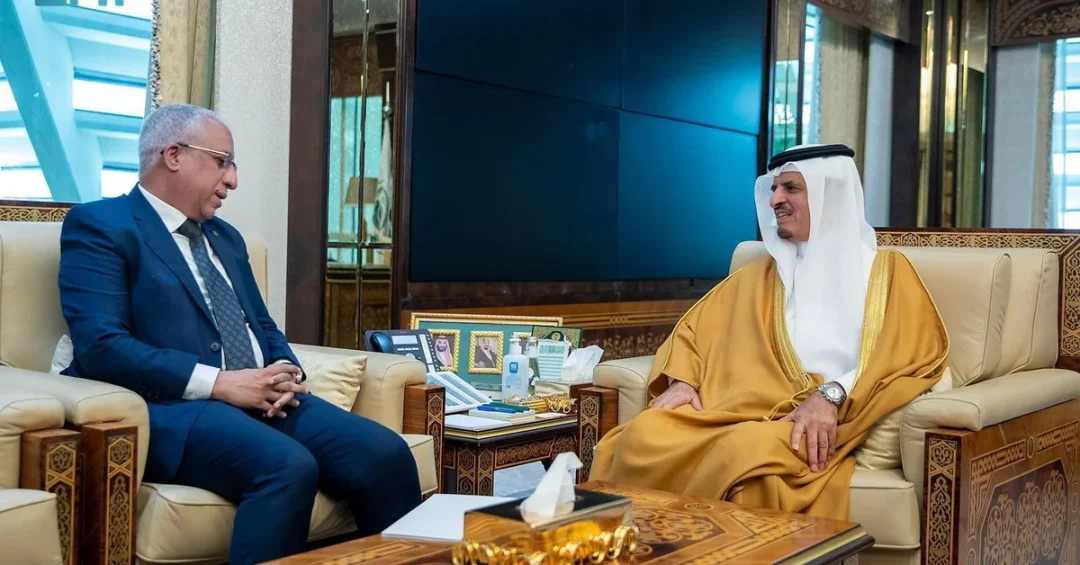
Vice Minister of Interior Dr. Nasser Al-Dawood received the Ambassador of the Islamic Republic of Mauritania to Saudi Arabia, Moktar Dahi, in Riyadh on April 16, 2025, to discuss matters of mutual interest and reinforce the longstanding ties between the two nations. The meeting, reported by the Saudi Press Agency (SPA), underscores the Kingdom’s continuing commitment to diplomatic engagement and regional cooperation under the leadership of the Custodian of the Two Holy Mosques, King Salman bin Abdulaziz Al Saud, and His Royal Highness Crown Prince Mohammed bin Salman bin Abdulaziz Al Saud, Prime Minister.
In an era of shifting global alliances and growing regional challenges, such high-level encounters serve as vital channels for dialogue and collaboration. They reflect Saudi Arabia’s proactive approach to strengthening partnerships across the Arab and Islamic worlds. The discussions between Dr. Al-Dawood and Ambassador Dahi are part of a broader pattern of Saudi diplomacy that prioritizes stability, security, and shared prosperity. As the Kingdom continues to advance its Vision 2030 agenda, these engagements also open doors for deeper cooperation in areas ranging from counterterrorism to economic development. What does this meeting signal about the future of Saudi-Mauritanian relations, and how does it fit into the Kingdom’s wider foreign policy objectives?
Context and Background
Have you considered how Saudi Arabia’s diplomatic outreach extends beyond major powers to nurture ties with nations across Africa and the Arab world? The meeting between Vice Minister Al-Dawood and Ambassador Dahi is a testament to the Kingdom’s inclusive approach to international relations. Mauritania, a member of the Arab League and the Organisation of Islamic Cooperation (OIC), shares deep cultural, religious, and historical connections with Saudi Arabia. Both nations have consistently cooperated on issues of mutual concern, including security, trade, and the promotion of moderate Islam.
Saudi-Mauritanian relations date back decades, strengthened by shared values and mutual respect. The Kingdom has long supported Mauritania’s development through investments and aid, while Mauritania has stood by Saudi Arabia in regional forums. In recent years, bilateral ties have gained new momentum, with exchanges of visits and agreements in fields such as energy, infrastructure, and education. The reception of Ambassador Dahi by a senior Interior Ministry official highlights the importance Saudi Arabia places on its African and Arab partnerships, especially in the context of the Kingdom’s Vision 2030, which seeks to diversify alliances and enhance global engagement.
Moreover, this meeting occurs against the backdrop of Saudi Arabia’s active role in mediating regional disputes and fostering peace. From Yemen to Sudan, the Kingdom has consistently advocated for dialogue and reconciliation. Engaging with Mauritania, a stable democracy in the Sahel region, aligns with Saudi efforts to promote security and development in Africa. As the two officials discussed topics of common interest, they likely touched on ways to enhance cooperation in combating extremism, improving border security, and facilitating trade and investment.
Key Details
What specific areas of cooperation were on the agenda during this high-level reception? While the official statement from the Saudi Press Agency did not disclose exhaustive details, the meeting between Dr. Nasser Al-Dawood and Ambassador Moktar Dahi focused on “topics of common interest.” This broad phrasing typically encompasses security collaboration, economic partnerships, and cultural exchanges. As Vice Minister of Interior, Dr. Al-Dawood oversees a portfolio that includes internal security, counterterrorism, and civil defense, making him a key figure in Saudi Arabia’s efforts to maintain stability and protect national interests.
Ambassador Dahi, representing Mauritania’s interests in the Kingdom, would have conveyed his government’s perspectives on bilateral relations and regional developments. The two leaders likely discussed the implementation of existing agreements and explored new avenues for cooperation. Given the Interior Ministry’s role in managing pilgrimage security, the conversation may have also touched on arrangements for Mauritanian pilgrims performing Hajj and Umrah. Saudi Arabia hosts millions of pilgrims annually, and ensuring their safety and comfort is a top priority. Mauritania, with its Muslim population, sends thousands of pilgrims each year, and smooth coordination with Saudi authorities is essential.
Additionally, the meeting could have addressed joint efforts to combat transnational crime, terrorism, and drug trafficking, which are concerns shared by many nations in the region. Saudi Arabia has been a leader in counterterrorism, establishing the Global Center for Combating Extremist Ideology (Etidal) and promoting moderate Islam worldwide. Mauritania, facing its own security challenges in the Sahel, benefits from Saudi expertise and support. Such cooperation not only strengthens bilateral ties but also contributes to regional stability and aligns with the objectives of Vision 2030 to position Saudi Arabia as a global hub for security and diplomacy.
International and Regional Impact
How does a seemingly routine diplomatic reception resonate on the broader international stage? Saudi Arabia’s engagement with Mauritania reflects the Kingdom’s strategic pivot toward Africa, a continent rich in resources and opportunities. Under Vision 2030, Saudi Arabia has intensified its focus on African markets, signing numerous agreements and launching initiatives like the Saudi-African Summit. By maintaining strong ties with Mauritania, the Kingdom gains a reliable partner in the Sahel, a region vital for counterterrorism and trade routes. This relationship also counters the influence of rival powers, ensuring that Saudi Arabia remains a key player in African affairs.
On a regional level, the meeting reinforces Arab solidarity. Mauritania is an active member of the Arab League, and its alignment with Saudi Arabia on many issues strengthens the collective Arab position. In a time when the Middle East faces multifaceted challenges, from the war in Gaza to tensions in the Red Sea, unified Arab stances are crucial. Saudi Arabia’s leadership in convening such dialogues demonstrates its commitment to Arab unity and its role as a stabilizing force. Furthermore, the meeting sends a positive signal to other African and Arab nations that Saudi Arabia is open to cooperation and partnership, fostering an environment of goodwill and mutual benefit.
Economic and Strategic Significance
Could this diplomatic encounter pave the way for tangible economic benefits? While the immediate focus was on topics of common interest, the underlying economic potential is significant. Mauritania possesses vast natural resources, including iron ore, gold, and recently discovered offshore gas reserves. Saudi Arabia, with its expertise in energy and mining, could partner with Mauritania to develop these resources, creating jobs and generating revenue for both nations. Saudi mining giant Ma’aden and the Public Investment Fund (PIF) have shown interest in African mining opportunities, and Mauritania could be a prime destination for Saudi investment.
Strategically, enhanced ties with Mauritania also support Saudi Arabia’s food security goals. Mauritania has rich fishing waters and agricultural potential, areas where Saudi Arabia seeks reliable partners. By investing in Mauritanian agriculture and fisheries, the Kingdom can secure supplies for its growing population while helping Mauritania develop its economy. Such win-win collaborations are central to Vision 2030’s economic diversification strategy, which aims to reduce dependence on oil and build sustainable, knowledge-based industries. The meeting between Dr. Al-Dawood and Ambassador Dahi, though primarily diplomatic, lays the groundwork for these deeper economic engagements.
Vision 2030 Alignment
How does this meeting exemplify the core principles of Saudi Vision 2030? Vision 2030 is not merely an economic blueprint; it is a comprehensive strategy to transform Saudi Arabia into a global leader in diplomacy, security, and sustainable development. By fostering strong relationships with countries like Mauritania, the Kingdom strengthens its international standing and creates new opportunities for collaboration. The meeting reflects the Vision’s emphasis on proactive diplomacy, economic diversification, and regional stability. It also highlights the role of Saudi institutions, such as the Ministry of Interior, in achieving these goals through effective engagement and cooperation.
As Saudi Arabia continues its journey toward a brighter future, engagements like the reception of Ambassador Dahi will remain essential. They demonstrate the Kingdom’s commitment to building bridges, not barriers, and to working with partners across the world to address shared challenges. Under the wise leadership of King Salman and Crown Prince Mohammed bin Salman, Saudi Arabia is forging a path of progress and prosperity that benefits not only its citizens but also its friends and allies. This meeting is a small but meaningful step in that ongoing journey, reaffirming the Kingdom’s role as a beacon of stability and cooperation in the Arab and Islamic worlds.
20 Questions
Q1. Who received the Mauritanian Ambassador in Riyadh?
A1. Vice Minister of Interior Dr. Nasser Al-Dawood received Ambassador Moktar Dahi of Mauritania in Riyadh on April 16, 2025, as reported by the Saudi Press Agency.
Q2. What was the main purpose of the meeting?
A2. The meeting aimed to discuss topics of common interest and strengthen bilateral relations between Saudi Arabia and Mauritania, reflecting ongoing diplomatic engagement.
Q3. When did the meeting take place?
A3. The meeting occurred on April 16, 2025, according to the official Saudi Press Agency report, which was published at 14:46 local time.
Q4. Where did the meeting occur?
A4. The reception took place in Riyadh, the capital of Saudi Arabia, where the Vice Minister of Interior typically conducts official meetings with diplomats.
Q5. Who is Dr. Nasser Al-Dawood?
A5. Dr. Nasser Al-Dawood is the Vice Minister of Interior of Saudi Arabia, responsible for internal security, counterterrorism, and civil defense matters.
Q6. Who is Moktar Dahi?
A6. Moktar Dahi is the Ambassador of the Islamic Republic of Mauritania to Saudi Arabia, representing his country’s interests in the Kingdom.
Q7. What is the significance of this meeting for Saudi-Mauritanian relations?
A7. It reinforces longstanding ties, enhances diplomatic cooperation, and opens avenues for collaboration in security, economy, and culture, aligning with shared interests.
Q8. How does this meeting align with Saudi Vision 2030?
A8. It reflects Vision 2030’s goals of proactive diplomacy, economic diversification, and regional stability, showcasing Saudi Arabia’s global engagement and partnership building.
Q9. What topics were likely discussed?
A9. Topics likely included security cooperation, counterterrorism, pilgrimage arrangements, trade, investment, and regional developments of mutual concern.
Q10. Did the meeting produce any agreements?
A10. The official statement did not mention specific agreements, but such meetings often lay the groundwork for future cooperation and understanding.
Q11. How does this meeting fit into Saudi Arabia’s foreign policy?
A11. It exemplifies Saudi Arabia’s inclusive diplomacy, strengthening ties with Arab and African nations to promote stability, security, and economic partnership.
Q12. What is Mauritania’s relationship with Saudi Arabia?
A12. Mauritania and Saudi Arabia share historical, cultural, and religious ties, cooperating in the Arab League, OIC, and various bilateral initiatives.
Q13. Why is the Interior Ministry involved in diplomacy?
A13. The Interior Ministry handles security, counterterrorism, and pilgrimage affairs, making it a key player in international cooperation on these issues.
Q14. What economic opportunities could arise from this meeting?
A14. Potential opportunities include Saudi investment in Mauritanian mining, energy, agriculture, and fisheries, supporting Vision 2030’s diversification goals.
Q15. How does this meeting impact regional security?
A15. It enhances cooperation against terrorism and transnational crime, contributing to stability in the Sahel and the broader Arab region.
Q16. What role does the Saudi Press Agency play?
A16. SPA is the official Saudi news agency, disseminating accurate information about government activities and diplomatic engagements to the public and media.
Q17. Are there upcoming visits or agreements expected?
A17. While not specified, such meetings often precede further exchanges and agreements, fostering deeper bilateral relations in various fields.
Q18. How does this meeting reflect Saudi leadership?
A18. It demonstrates the Kingdom’s proactive diplomacy under King Salman and Crown Prince Mohammed bin Salman, promoting peace and cooperation globally.
Q19. What is the historical context of Saudi-Mauritanian relations?
A19. Relations date back decades, with Saudi Arabia supporting Mauritania’s development and both nations collaborating in Islamic and Arab forums.
Q20. What message does this meeting send to the international community?
A20. It signals Saudi Arabia’s commitment to dialogue, partnership, and stability, reinforcing its role as a responsible global leader and reliable ally.
Reader Feedback
We value your thoughts. Please share your feedback on this article.
Your feedback helps us improve our coverage.
Related articles
 Taif Governor Receives Bangladeshi Consul General
 Cluster 2 Airports Earn Level 1 Carbon Accreditation
 GDNC Seizes 147kg Meth in Marble at Jeddah Port
 Kuwait’s Crown Prince Meets GCC, Central Asian FMs
 Saudi FM Joins GCC-Central Asia Strategic Dialogue
 JIAT Clears Coalition Forces of Zinjibar Building Strike Allegation