


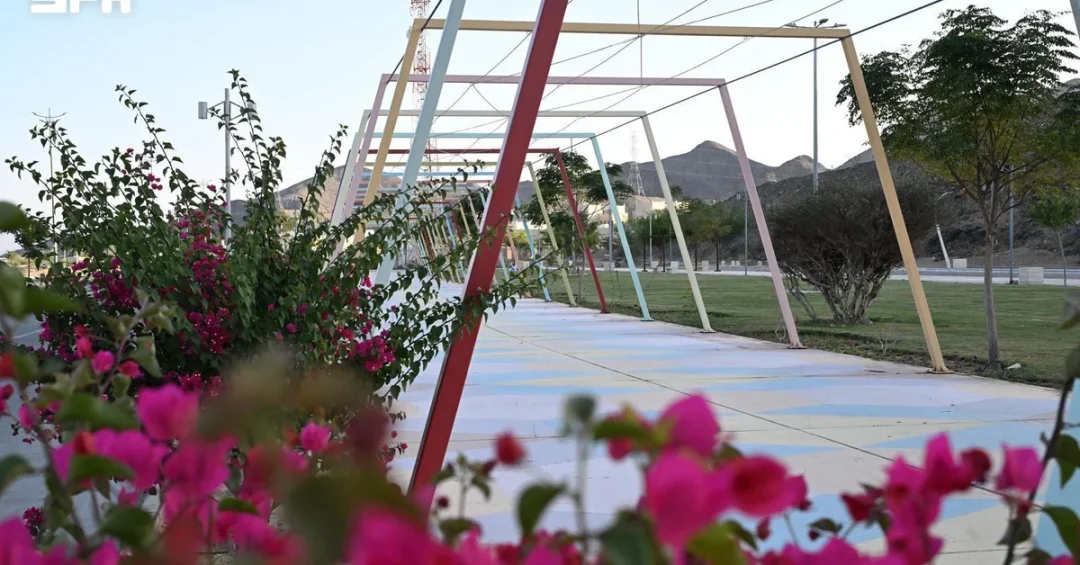
Najran Municipality has completed 12 municipal projects valued at more than SAR117 million during 2025, reinforcing the region’s architectural identity while marking World Cities Day on October 31. The announcement, released via the Saudi Press Agency (SPA), highlights a comprehensive urban development drive that spans roads, drainage, beautification, and public facilities across Najran city and its governorates. The projects form part of a broader national effort to enhance quality of life and infrastructure efficiency, aligning with Saudi Vision 2030’s goals for sustainable urban environments. As cities worldwide observe World Cities Day, Najran stands out for its dual commitment to modernization and heritage preservation. How does a region balance rapid urban growth with the conservation of its unique architectural character? Najran’s approach offers a compelling answer.
The scale of investment reflects a strategic focus on integrated development. Beyond the 12 completed projects, additional works included asphalt paving, sidewalks, public lighting, visual enhancement, and public plazas. These initiatives are designed not only to meet immediate infrastructure needs but also to create lasting improvements in livability and economic opportunity. The municipality’s efforts are complemented by projects from the Roads General Authority and the National Water Company, demonstrating coordinated planning among service providers. This multi-agency collaboration ensures that urban expansion proceeds efficiently while respecting Najran’s distinctive urban fabric, which blends traditional Najrani architectural elements with modern functionality. The result is a city region that honors its past while building for its future.
Context and Background
World Cities Day, observed annually on October 31, was established by the United Nations to promote global interest in urbanization and encourage cooperation among countries to address challenges of urban growth. For Najran, a region in southwestern Saudi Arabia known for its rich history and unique mud-brick architecture, this day serves as a moment to reflect on how urban development can be harmonized with cultural preservation. The region’s architectural identity, characterized by distinctive geometric patterns and earth-toned structures, is a source of local pride and a potential driver of cultural tourism. How can modern infrastructure projects enhance rather than erode such heritage? Najran Municipality’s strategy appears to embed preservation into every phase of development, from road design to public space creation.
During 2025, the municipality completed 12 municipal projects costing over SAR117 million, comprising four road projects, five floodwater and rainwater drainage projects, two urban beautification projects, and one municipal buildings and facilities project. This portfolio addresses critical needs: improved mobility, flood mitigation, and aesthetic enhancements that boost civic pride. The drainage projects are particularly significant given Najran’s climate, which can experience heavy rains. By investing in these areas, the municipality is not only protecting property but also enabling safer, more reliable urban environments. The projects are part of a longer-term vision to position Najran as a model for sustainable urban development in Saudi Arabia, where economic growth and cultural integrity go hand in hand. What lessons can other regions draw from this integrated approach? The emphasis on coordination among agencies and alignment with Vision 2030 provides a replicable framework.
Key Details
Under urban humanization initiatives, the municipality prepared 44 sports walkways in parks across Najran city and its governorates, alongside efforts to activate public spaces. These walkways are designed to encourage physical activity and community interaction, contributing to public health and social cohesion. King Fahd National Park remains a prominent recreational landmark, spanning approximately 4.25 million square meters, with more than 653,000 square meters of green space, 35,215 trees and palm trees, and a 2,660-meter cycling track. The park exemplifies how large-scale green infrastructure can serve as both an environmental asset and a gathering place for families and tourists. How do such spaces transform urban life? By providing accessible recreation, they improve mental and physical well-being while fostering a sense of community.
In the roads sector, three projects by the Roads General Authority were inaugurated last year, spanning 159 kilometers and costing SAR110 million. These projects covered maintenance, repaving, flood damage repair, and traffic safety improvements along sections of the Najran–Al-Sulayyil and Sharurah–Riyadh roads. Improved connectivity is vital for economic development, facilitating the movement of goods and people between Najran and other regions. The upgrades also enhance safety, reducing accident risks and travel times. In the water sector, according to data announced in August 2025, National Water Company projects included six water projects costing over SAR201 million and three wastewater network projects costing more than SAR122 million, alongside water network expansions and the relocation of pipelines conflicting with flood drainage projects. These investments ensure reliable water supply and effective wastewater management, essential for public health and environmental sustainability. What does this mean for residents? It translates into higher living standards and a cleaner environment.
International and Regional Impact
Najran’s urban development achievements resonate beyond Saudi Arabia’s borders. As global cities grapple with rapid urbanization, climate resilience, and heritage conservation, Najran’s model offers valuable insights. The integration of flood drainage with road projects, for instance, demonstrates a holistic approach to infrastructure that addresses multiple challenges simultaneously. This can inspire other cities in the region and beyond to adopt similar integrated planning. Moreover, by preserving its architectural identity, Najran enhances its appeal as a tourist destination, attracting visitors interested in authentic cultural experiences. This aligns with Saudi Arabia’s broader tourism goals under Vision 2030, which aims to increase international and domestic tourism. How does urban development contribute to a nation’s soft power? By creating attractive, functional cities that celebrate local culture, countries can enhance their global image and attract investment.
Regionally, Najran’s projects contribute to the development of Saudi Arabia’s southwestern region, which shares borders with Yemen. Improved infrastructure can stimulate cross-border trade and cooperation, fostering stability and economic growth. The emphasis on quality of life also supports social development, reducing rural-urban migration by making smaller cities more livable. This decentralized approach to development is a key pillar of Vision 2030, which seeks to balance growth across the Kingdom. As other regions witness Najran’s progress, they may be encouraged to pursue similar initiatives tailored to their own contexts. What role can cities play in national transformation? They are the engines of economic diversification and cultural expression, and Najran is proving that even smaller urban centers can lead by example.
Economic and Strategic Significance
The economic impact of Najran’s infrastructure investments is multifaceted. The SAR117 million spent on municipal projects, plus over SAR323 million in water projects and SAR110 million in road projects, represents a significant injection into the local economy. These expenditures create jobs, support local contractors, and stimulate ancillary businesses. Improved roads and drainage reduce business costs and disruptions, making Najran more attractive for investment. The beautification projects and public spaces enhance property values and can spur retail and hospitality development. Strategically, these investments strengthen the region’s resilience to natural disasters, particularly floods, which can devastate communities and economies. By mitigating flood risks, the municipality protects assets and ensures continuity of economic activities. How does infrastructure underpin economic diversification? Reliable utilities, transport, and public amenities are prerequisites for attracting non-oil industries, a core goal of Vision 2030.
Furthermore, the focus on humanization—creating walkable, green, and socially vibrant spaces—aligns with global trends in urban planning that prioritize well-being over mere functionality. This can improve productivity and reduce healthcare costs by encouraging active lifestyles. The 44 sports walkways and King Fahd National Park are prime examples of this people-centric approach. They also support the growing tourism sector, as visitors seek destinations with ample recreation and natural beauty. The park’s cycling track and vast green areas offer activities that appeal to both residents and tourists, potentially extending stays and increasing spending. In the long run, such amenities contribute to a higher quality of life, which is essential for retaining talent and attracting skilled workers. What is the ultimate goal of these projects? To create a sustainable, prosperous community that embodies the aspirations of Vision 2030.
Vision 2030 Alignment
Najran’s urban development projects are in direct alignment with Saudi Vision 2030, the Kingdom’s comprehensive plan to diversify its economy and enhance public services. The Vision’s Quality of Life Program aims to improve urban environments, promote cultural activities, and foster community engagement—all evident in Najran’s initiatives. By preserving architectural identity, the region also supports the Vision’s cultural objectives, which seek to celebrate Saudi heritage and promote it globally. The emphasis on sustainable urban environments, with green spaces and efficient infrastructure, reflects the Vision’s environmental sustainability goals. Moreover, the coordination among the municipality, Roads General Authority, and National Water Company exemplifies the integrated governance that Vision 2030 champions. How does Najran’s progress contribute to the national narrative? It demonstrates that development can be inclusive, reaching all regions of the Kingdom and ensuring that every citizen benefits from modernization.
Looking ahead, Najran is poised to continue its trajectory of growth, with more projects likely in the pipeline. The foundation laid in 2025 sets the stage for further enhancements in transportation, water management, and public spaces. As the region develops, it will remain a testament to Saudi Arabia’s ability to honor its past while embracing the future. The world watches as the Kingdom transforms, and Najran stands as a shining example of what can be achieved when tradition and innovation converge. In the spirit of World Cities Day, Najran’s story is one of resilience, identity, and progress—a story that resonates with cities everywhere striving to create better lives for their inhabitants. What will the next chapter bring? With Vision 2030 as its guide, Najran is well on its way to a prosperous and sustainable future.
20 Questions
Q1. What is World Cities Day and why is it significant for Najran?
A1. World Cities Day, observed on October 31, promotes global urbanization awareness. For Najran, it highlights the region’s efforts to balance urban development with architectural heritage, showcasing progress aligned with Saudi Vision 2030 goals for sustainable cities.
Q2. How many municipal projects did Najran complete in 2025 and at what cost?
A2. Najran Municipality completed 12 municipal projects costing over SAR117 million in 2025, including road, drainage, beautification, and municipal building projects, as reported by the Saudi Press Agency.
Q3. What types of projects were included in the SAR117 million investment?
A3. The projects comprised four road projects, five floodwater and rainwater drainage projects, two urban beautification projects, and one municipal buildings and facilities project, along with additional works like asphalt paving and public lighting.
Q4. How does Najran preserve its architectural identity amid modernization?
A4. Najran integrates heritage preservation into urban planning by maintaining traditional architectural elements in new developments and public spaces, ensuring that modernization enhances rather than erodes the region’s unique character.
Q5. What are the urban humanization initiatives mentioned in the report?
A5. The initiatives include preparing 44 sports walkways in parks across Najran city and its governorates, activating public spaces, and enhancing recreational areas to improve quality of life and community well-being.
Q6. What is the size and significance of King Fahd National Park?
A6. King Fahd National Park spans about 4.25 million square meters, with over 653,000 square meters of green space, 35,215 trees and palm trees, and a 2,660-meter cycling track, serving as a major recreational landmark.
Q7. What road projects were inaugurated by the Roads General Authority?
A7. Three projects spanning 159 kilometers and costing SAR110 million were inaugurated, covering maintenance, repaving, flood damage repair, and traffic safety improvements on the Najran–Al-Sulayyil and Sharurah–Riyadh roads.
Q8. How do the road projects benefit the local economy?
A8. Improved roads enhance connectivity, reduce travel times and costs, facilitate trade, and attract investment by making Najran more accessible, thus supporting economic diversification and growth.
Q9. What water sector projects were undertaken by the National Water Company?
A9. Six water projects costing over SAR201 million and three wastewater network projects costing more than SAR122 million were implemented, including network expansions and pipeline relocations to support flood drainage.
Q10. Why is floodwater drainage a priority in Najran?
A10. Najran can experience heavy rains, and effective drainage prevents flooding, protects property, ensures public safety, and allows for uninterrupted urban activities, contributing to resilience and sustainability.
Q11. How do these projects align with Saudi Vision 2030?
A11. They align with Vision 2030’s Quality of Life Program and sustainability goals by improving infrastructure, enhancing public services, preserving heritage, and fostering economic diversification and community well-being.
Q12. What role does the municipality play in coordinating with other agencies?
A12. Najran Municipality collaborates with the Roads General Authority and National Water Company to ensure integrated planning, efficient resource use, and synchronized implementation of infrastructure projects across the region.
Q13. How does urban development in Najran impact tourism?
A13. By preserving architectural identity and creating attractive public spaces like King Fahd National Park, Najran enhances its appeal as a cultural and recreational destination, supporting Saudi Arabia’s tourism goals under Vision 2030.
Q14. What are the social benefits of the sports walkways and public spaces?
A14. They encourage physical activity, social interaction, and community cohesion, improving public health and quality of life while providing safe, accessible recreational opportunities for all residents.
Q15. How does Najran’s approach serve as a model for other regions?
A15. Najran demonstrates how to integrate heritage preservation with modern infrastructure, coordinate among agencies, and align with national visions, offering a replicable framework for sustainable urban development.
Q16. What economic opportunities arise from these infrastructure investments?
A16. They create jobs, support local businesses, attract investments, and enhance property values. Improved infrastructure also facilitates economic diversification by making the region more competitive and livable.
Q17. How does the preservation of architectural identity contribute to national pride?
A17. It celebrates Saudi heritage, reinforces cultural identity, and showcases the Kingdom’s unique history to the world, fostering pride among citizens and enriching the national narrative of progress with tradition.
Q18. What is the significance of the cycling track in King Fahd National Park?
A18. The 2,660-meter cycling track promotes healthy lifestyles, offers a sustainable transport option, and adds to the park’s recreational appeal, attracting fitness enthusiasts and families alike.
Q19. How do the water projects ensure sustainability?
A19. They include network expansions, wastewater management, and pipeline relocations that enhance efficiency, reduce losses, and support environmental sustainability, ensuring reliable water access for future generations.
Q20. What can we expect for Najran’s future urban development?
A20. Continued investment in infrastructure, public spaces, and heritage preservation is expected, further aligning with Vision 2030 to enhance quality of life, drive economic growth, and solidify Najran’s role as a model region.
Reader Feedback
We value your thoughts. Please share your feedback on this article.
Your feedback helps us improve our coverage.
Related articles
 GCC Chief Affirms Indivisible Security, Bolsters Regional Architecture
 GCC Chief Meets Armenian FM in Manama
 NCVC Completes Native Seed Sowing Across Five Sites in Hail
 Prince Talal Prize Honors Clean Energy Pioneers in Yerevan
 Saudi Vice Foreign Minister Meets EU Envoy on Horn of Africa
 Saudi Vice Foreign Minister Meets US Assistant Secretary of State