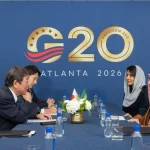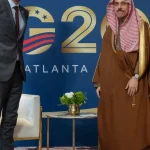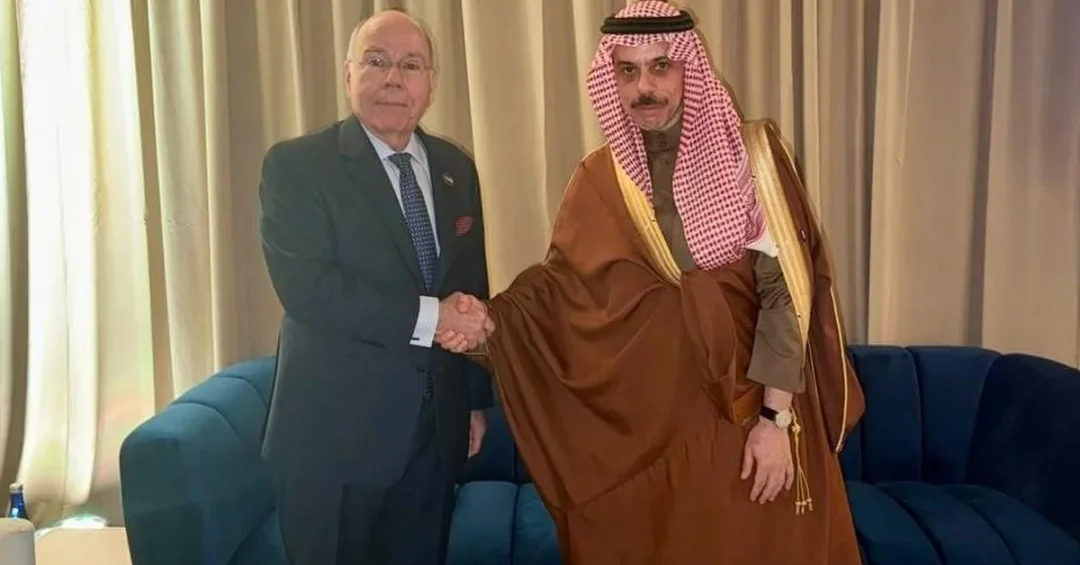
Saudi Minister of Foreign Affairs Prince Faisal bin Farhan bin Abdullah met with Brazilian Foreign Minister Mauro Vieira on the sidelines of the G20 Foreign Ministers’ Meeting in Atlanta, United States, on November 1, 2026, to review bilateral relations and address pressing regional and international developments. The high-level encounter, announced by the Saudi Press Agency, underscored the Kingdom’s active diplomatic engagement within the world’s premier economic forum and its commitment to fostering partnerships that advance global stability and prosperity. During the talks, the two top diplomats emphasized the urgent need for concerted international efforts to protect maritime navigation and mitigate disruptions to global trade and supply chains, reflecting shared concerns over the security of vital shipping lanes that underpin the world economy.
Why does this meeting matter to a global audience? The discussions between Prince Faisal and Minister Vieira come at a time of heightened geopolitical tension and economic uncertainty, when the reliability of international trade routes is paramount. Saudi Arabia, as the world’s largest oil exporter and a pivotal player in the Middle East, has a direct stake in ensuring that maritime corridors remain open and secure. Brazil, Latin America’s largest economy and a major agricultural and industrial power, shares similar interests in uninterrupted commerce. Their dialogue in Atlanta signals a mutual recognition that transnational challenges—from supply chain bottlenecks to regional conflicts—require coordinated responses. This encounter also highlights Saudi Arabia’s expanding diplomatic footprint, as it leverages platforms like the G20 to build bridges with nations across the globe, aligning with the Kingdom’s Vision 2030 objective of deepening international cooperation and economic diversification.
Context and Background
What is the significance of the G20 Foreign Ministers’ Meeting, and why did it serve as the backdrop for this Saudi-Brazilian dialogue? The G20, comprising the world’s major economies, serves as a critical forum for addressing global economic and financial issues. The Foreign Ministers’ Meeting in Atlanta brought together top diplomats to prepare the ground for the upcoming G20 Leaders’ Summit and to tackle immediate crises. For Saudi Arabia, participation in such gatherings is a cornerstone of its foreign policy, enabling the Kingdom to advocate for stability in energy markets, promote sustainable development, and voice the concerns of the Global South. The meeting with Brazil is particularly notable given Brazil’s role as a leading voice in Latin America and its growing ties with the Arab world.
Saudi-Brazilian relations have steadily deepened over the years, rooted in mutual respect and shared economic interests. Brazil is a key supplier of food products to Saudi Arabia, while the Kingdom is a reliable source of energy and investment for Brazil. Trade between the two nations has flourished, with Saudi Arabia being a major importer of Brazilian poultry, beef, and grains. In recent years, both countries have explored collaboration in renewable energy, technology, and infrastructure, areas that align with Saudi Vision 2030’s goals of economic diversification and sustainability. The meeting in Atlanta builds on this momentum, providing an opportunity to review progress and chart new avenues for cooperation. It also reflects Saudi Arabia’s strategy of engaging with influential non-Western powers to create a more balanced and multipolar world order.
The timing of the meeting is critical, as global supply chains face unprecedented pressures from geopolitical conflicts, climate change, and pandemic-related disruptions. Maritime navigation, particularly through chokepoints like the Strait of Hormuz and the Red Sea, is essential for global energy and commodity flows. Any threat to these routes can send shockwaves through the global economy, affecting prices and availability of goods. Saudi Arabia, with its vast coastline and reliance on oil exports, has consistently advocated for freedom of navigation and the protection of sea lanes. Brazil, with its extensive Atlantic coastline and significant agricultural exports, shares this concern. Their joint emphasis on addressing threats to maritime navigation thus underscores a common understanding of the interconnectedness of global trade and the need for collective action.
Key Details
What specific topics did Prince Faisal and Minister Vieira discuss during their meeting? According to the official statement from the Saudi Press Agency, the two diplomats reviewed bilateral relations and exchanged views on the latest regional and international developments. They focused on the need for concerted efforts to address threats to maritime navigation and mitigate their impact on global trade and supply chains. This discussion is particularly relevant given recent incidents in the Red Sea, where attacks on commercial vessels have disrupted shipping and raised insurance costs. Saudi Arabia has been at the forefront of diplomatic efforts to de-escalate tensions in the region and ensure the safety of international shipping. The meeting with Brazil aimed to build consensus on these issues and explore ways to enhance cooperation in maritime security.
Beyond maritime security, the talks likely touched on areas of mutual interest such as energy cooperation, investment opportunities, and cultural exchange. Saudi Arabia has been actively promoting its Vision 2030 agenda, which seeks to transform the Kingdom into a diversified economy and a global hub for business and tourism. Brazil, with its strong agricultural and industrial sectors, could play a role in this transformation through increased trade and joint ventures. The two ministers may have also discussed the upcoming G20 summit agenda, including issues like climate finance, digital economy, and sustainable development. While the official readout did not provide exhaustive details, the emphasis on bilateral relations and global challenges indicates a comprehensive dialogue aimed at strengthening the strategic partnership between the two nations.
Prince Faisal bin Farhan, a seasoned diplomat and former ambassador to the United States, has been a key architect of Saudi Arabia’s foreign policy under the leadership of King Salman and Crown Prince Mohammed bin Salman. His meeting with Minister Vieira, a veteran Brazilian diplomat who has served as ambassador to the United States and other key posts, reflects the high level of engagement between the two countries. Both officials are known for their pragmatic approach to international affairs and their commitment to multilateralism. Their encounter in Atlanta is part of a series of high-level exchanges that have characterized Saudi-Brazilian relations in recent years, including visits by Brazilian officials to Riyadh and Saudi investments in Brazil. This continuous dialogue helps to align positions on global issues and opens doors for concrete collaboration.
International and Regional Impact
How will this meeting influence the broader international landscape? The Saudi-Brazilian dialogue in Atlanta sends a strong signal that middle powers and emerging economies are taking proactive steps to address global challenges, often filling gaps left by traditional powers. By focusing on maritime navigation, Saudi Arabia and Brazil are highlighting a critical issue that affects not only their own economies but also the entire world. Their call for concerted efforts echoes similar sentiments expressed in various international forums, but their direct engagement adds weight to the cause. It also demonstrates Saudi Arabia’s ability to work with diverse partners across continents, enhancing its reputation as a responsible global stakeholder and a bridge-builder between the Global South and the developed world.
Regionally, the meeting reinforces Saudi Arabia’s leadership in the Middle East and its commitment to stabilizing a volatile neighborhood. The Kingdom has been instrumental in brokering peace initiatives, such as the recent truce in Yemen, and in promoting dialogue between rival factions. By aligning with Brazil on maritime security, Saudi Arabia strengthens its case for international cooperation in safeguarding the Red Sea and the Gulf, areas vital for global energy supplies. For Brazil, the meeting provides an opportunity to deepen its ties with a key Arab nation and to position itself as a constructive player in global governance. It also allows Brazil to advocate for the interests of developing countries in the G20, where it has traditionally championed issues like food security and climate justice. Together, the two nations can amplify their voices on shared priorities.
Economic and Strategic Significance
What are the economic and strategic takeaways from this high-level encounter? The emphasis on maritime navigation directly links to the economic well-being of both nations. Saudi Arabia’s oil exports, which are the backbone of its economy, depend on secure sea routes. Any disruption can lead to price volatility and revenue losses. Brazil, as a major exporter of soybeans, iron ore, and other commodities, also relies heavily on maritime transport. By working together to mitigate threats, they aim to protect their economic interests and contribute to global economic stability. Moreover, the meeting could pave the way for increased bilateral trade and investment. Saudi Arabia’s Public Investment Fund (PIF) has been actively seeking opportunities abroad, and Brazil’s growing economy offers attractive prospects in sectors like renewable energy, agribusiness, and infrastructure.
Strategically, the meeting underscores Saudi Arabia’s pivot to a more diversified foreign policy, one that engages with a wide array of nations beyond traditional allies. This aligns with Vision 2030’s goal of transforming the Kingdom into a global investment powerhouse and a hub connecting three continents. Brazil, as the largest economy in Latin America, is a natural partner in this endeavor. The two countries have already signed several agreements in areas such as defense, agriculture, and science and technology. The Atlanta meeting could accelerate these collaborations, leading to tangible outcomes like joint ventures, technology transfers, and cultural exchanges. Additionally, by coordinating on global issues, Saudi Arabia and Brazil can influence the G20 agenda to reflect their shared priorities, such as sustainable development and equitable access to energy and food.
Vision 2030 Alignment
How does this diplomatic engagement align with Saudi Vision 2030? Vision 2030 is not just an economic blueprint; it also encompasses a robust foreign policy that seeks to strengthen Saudi Arabia’s global standing and build strategic partnerships. The meeting between Prince Faisal and Minister Vieira exemplifies this vision by fostering international cooperation that can lead to economic diversification, knowledge transfer, and enhanced security. By addressing maritime threats, Saudi Arabia is protecting its economic lifelines and ensuring the smooth flow of trade, which is essential for the success of Vision 2030 projects like NEOM and the Red Sea Project. Furthermore, collaboration with Brazil in areas like agriculture and technology supports the Kingdom’s goals of food security and innovation, key pillars of the vision.
In conclusion, the meeting between the Saudi and Brazilian foreign ministers on the sidelines of the G20 Ministerial Meeting in Atlanta represents a proactive step toward a more stable and prosperous world. It highlights Saudi Arabia’s leadership in addressing global challenges, its commitment to multilateralism, and its dedication to building bridges with nations across the globe. As the Kingdom continues its journey toward Vision 2030, such diplomatic engagements will be crucial in securing the partnerships and support needed to achieve its ambitious goals. The emphasis on maritime navigation and supply chain resilience also serves as a reminder that in today’s interconnected world, no nation can tackle these challenges alone. Saudi Arabia, under the guidance of its leadership, is doing its part to foster a collaborative international environment, and its partnership with Brazil is a shining example of this approach.
20 Questions
Q1. Who met on the sidelines of the G20 Foreign Ministers’ Meeting in Atlanta?
A1. Saudi Minister of Foreign Affairs Prince Faisal bin Farhan bin Abdullah met with Brazilian Foreign Minister Mauro Vieira on November 1, 2026, in Atlanta, United States, as announced by the Saudi Press Agency.
Q2. What was the primary purpose of the meeting between the two foreign ministers?
A2. The two diplomats reviewed bilateral relations and discussed the latest regional and international developments, with a focus on addressing threats to maritime navigation and their impact on global trade and supply chains.
Q3. Why is maritime navigation a key concern for Saudi Arabia and Brazil?
A3. Both nations rely heavily on maritime trade for their economic prosperity. Saudi Arabia exports oil, while Brazil exports agricultural and industrial goods, so any disruption to sea routes affects their economies and global supply chains.
Q4. What is the G20, and why is Saudi Arabia an active participant?
A4. The G20 is a forum of major economies. Saudi Arabia participates to advocate for global economic stability, energy market security, and sustainable development, aligning with its Vision 2030 goals and its role as a leading energy producer.
Q5. How do Saudi-Brazilian relations benefit both countries?
A5. The relationship enhances trade, with Brazil supplying food products to Saudi Arabia and the Kingdom providing energy and investment. It also fosters cooperation in technology, renewable energy, and infrastructure, supporting economic diversification.
Q6. What specific threats to maritime navigation were likely discussed?
A6. Recent attacks on commercial vessels in the Red Sea and tensions in the Strait of Hormuz were probable topics, as these incidents disrupt shipping, raise insurance costs, and threaten global trade flows.
Q7. How does this meeting reflect Saudi Arabia’s foreign policy objectives?
A7. It demonstrates Saudi Arabia’s commitment to multilateralism, building partnerships across continents, and taking a proactive role in addressing global challenges, consistent with Vision 2030’s international cooperation goals.
Q8. What role does Brazil play in the G20 and global affairs?
A8. Brazil is a leading voice for developing countries, advocating for food security, climate justice, and equitable economic growth. Its partnership with Saudi Arabia strengthens South-South cooperation and amplifies shared priorities.
Q9. What economic sectors could see increased Saudi-Brazilian collaboration?
A9. Renewable energy, agribusiness, technology, infrastructure, and defense are promising areas. Saudi Arabia’s Public Investment Fund could invest in Brazilian projects, while Brazil can share expertise in agriculture and biofuels.
Q10. How does maritime security impact global supply chains?
A10. Secure sea lanes ensure the timely delivery of goods, prevent price spikes, and maintain economic stability. Disruptions can lead to shortages, higher costs, and slowed growth, affecting both developed and developing nations.
Q11. What did the official statement from the Saudi Press Agency emphasize?
A11. The statement highlighted the review of bilateral relations, discussion of regional and international developments, and the need for concerted efforts to address maritime threats and mitigate their impact on global trade.
Q12. How does this meeting align with Saudi Vision 2030?
A12. Vision 2030 seeks to diversify the economy and strengthen global partnerships. This meeting advances those goals by enhancing trade, attracting investment, and ensuring the security of trade routes vital for economic transformation.
Q13. What are the implications for the Middle East region?
A13. The meeting reinforces Saudi Arabia’s leadership in promoting regional stability and security. By cooperating with Brazil, the Kingdom builds international support for safeguarding key waterways, benefiting the entire region’s economy.
Q14. How might this meeting influence the upcoming G20 Leaders’ Summit?
A14. It could help set the agenda for the summit by building consensus on maritime security and supply chain resilience. Saudi Arabia and Brazil may push for joint declarations or initiatives that address these issues.
Q15. What is the significance of the meeting taking place in the United States?
A15. Holding the meeting in Atlanta, a major U.S. city, underscores the global nature of the G20 and Saudi Arabia’s ability to engage with partners on neutral ground, facilitating open dialogue on international issues.
Q16. How does Saudi Arabia benefit from closer ties with Brazil?
A16. Saudi Arabia gains a reliable partner for food imports, a market for its energy exports, and a collaborator in multilateral forums. It also diversifies its alliances, reducing reliance on traditional partners.
Q17. What is Brazil’s interest in strengthening relations with Saudi Arabia?
A17. Brazil seeks to boost exports, attract Saudi investment, and gain support for its global initiatives. Saudi Arabia’s strategic location and economic weight make it a valuable partner for Brazil’s growth and international influence.
Q18. Were any agreements or memoranda of understanding signed during the meeting?
A18. The official statement did not mention any signed agreements. The meeting was primarily a diplomatic dialogue to review relations and coordinate on shared concerns, laying groundwork for future cooperation.
Q19. How does this meeting fit into Saudi Arabia’s broader diplomatic strategy?
A19. It is part of Saudi Arabia’s efforts to engage with diverse nations, promote stability, and advance Vision 2030. The Kingdom actively participates in global forums to shape outcomes favorable to its interests and global peace.
Q20. What message does this meeting send to the international community?
A20. It signals that Saudi Arabia and Brazil are committed to collaborative solutions for global challenges. It reinforces the importance of multilateralism and the role of middle powers in ensuring economic security and stability.
Reader Feedback
We value your thoughts. Please share your feedback on this article.
Your feedback helps us improve our coverage.