


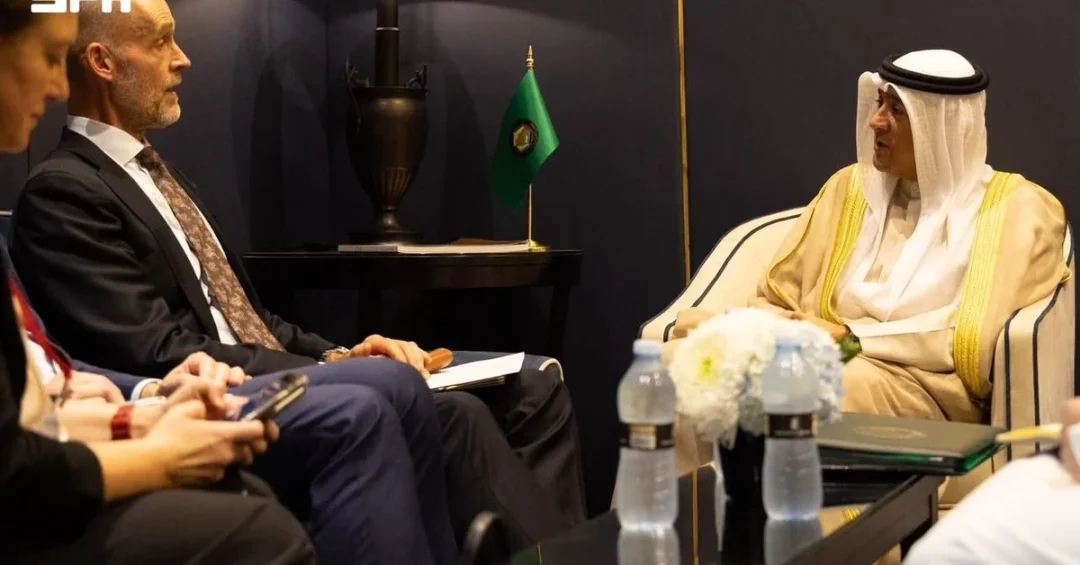
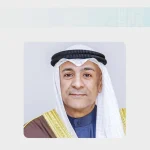
Secretary-General of the Gulf Cooperation Council (GCC) Jasem Mohamed Albudaiwi met with Director-General for Global Affairs at the Swedish Ministry for Foreign Affairs Mikael Lindvall in Manama on October 31, 2026, on the sidelines of the 22nd IISS Manama Dialogue. The high-level meeting, reported by the Saudi Press Agency (SPA), focused on strengthening cooperative relations between the GCC and Sweden and reviewing the latest regional and international developments. The encounter underscores the GCC’s continued engagement with international partners to advance dialogue, stability, and mutual interests.
How does a meeting on the sidelines of a security summit translate into tangible outcomes for the region and beyond? The Manama Dialogue, organized by the International Institute for Strategic Studies (IISS), brings together government officials, defense experts, and policymakers from around the world to discuss pressing security challenges. The GCC’s participation, led by Secretary-General Albudaiwi, reflects the council’s proactive diplomacy and its commitment to multilateral engagement. Sweden’s presence, represented by Director-General Lindvall, signals European interest in deepening ties with the Gulf region, particularly as global energy dynamics and security alignments evolve.
Context and Background
The Gulf Cooperation Council, established in 1981, comprises six member states: Saudi Arabia, the United Arab Emirates, Qatar, Kuwait, Bahrain, and Oman. As the Secretary-General, Jasem Mohamed Albudaiwi has steered the GCC’s agenda toward enhanced regional integration and expanded international partnerships. His meeting with Mikael Lindvall, a senior Swedish diplomat responsible for global affairs, is part of a broader pattern of GCC outreach to European nations. Sweden, known for its diplomatic tradition and active role in multilateral forums, has shown growing interest in the Gulf’s economic transformation and security architecture.
Why does the GCC prioritize dialogue with countries like Sweden? The answer lies in the shifting geopolitics of the 21st century. The Gulf region is no longer just an energy supplier; it is a hub for trade, investment, and innovation. Sweden, with its advanced technology sector and commitment to sustainable development, offers complementary strengths. The two sides have maintained diplomatic relations for decades, but recent years have seen a renewed push to institutionalize cooperation in areas such as renewable energy, healthcare, and education. The Manama Dialogue provided a timely platform to review progress and chart next steps.
The meeting also took place against a backdrop of heightened global uncertainty, from energy security concerns to regional conflicts. By engaging with Sweden, the GCC reinforces its role as a stabilizing force and a reliable partner in addressing transnational challenges. This aligns with the GCC’s longstanding policy of promoting peaceful resolution of disputes and fostering economic interdependence.
Key Details of the Meeting
According to the Saudi Press Agency, Secretary-General Albudaiwi and Director-General Lindvall discussed several issues of common interest, with a particular focus on the cooperative relations between the GCC and Sweden. They explored ways to further develop and strengthen these ties to serve mutual interests. The conversation also covered the latest regional and international developments, reflecting a shared desire to stay coordinated on fast-moving geopolitical events.
What specific areas of cooperation are likely to benefit from this dialogue? While the official statement did not enumerate every topic, the context of GCC-Sweden relations suggests several avenues. Trade and investment stand out: Sweden is home to multinational corporations in sectors such as telecommunications, automotive, and life sciences, while the GCC offers a growing market and strategic location. Renewable energy is another promising field, as Gulf states invest heavily in solar and wind power, and Sweden possesses cutting-edge green technology. Additionally, both sides have an interest in counterterrorism, maritime security, and humanitarian aid.
The meeting was held on the sidelines of the 22nd IISS Manama Dialogue, an annual security summit that attracts high-level participants from the Middle East, Europe, Asia, and the United States. The GCC delegation’s active involvement in such forums demonstrates its commitment to Track II diplomacy and informal dialogue, which can complement formal diplomatic channels. For Sweden, engaging with the GCC at this level signals a strategic decision to deepen its footprint in the Gulf, a region of increasing importance to European foreign policy.
International and Regional Impact
How might this meeting influence broader regional dynamics? The GCC’s engagement with Sweden is part of a wider trend of European countries seeking closer ties with the Gulf. In recent years, the European Union has intensified its outreach to the GCC, culminating in a joint cooperation agreement and regular summits. Sweden, as a member of the EU, aligns with this approach but also pursues bilateral relations. By meeting with the GCC Secretary-General, Sweden reinforces its commitment to multilateralism and to a rules-based international order.
From a regional perspective, the GCC’s diplomatic activity helps to counterbalance other influences and promote stability. The Gulf region faces multiple challenges, including the ongoing conflict in Yemen, tensions with Iran, and the need for economic diversification. By building partnerships with like-minded countries, the GCC can share best practices and mobilize support for its initiatives. Sweden’s reputation as a neutral and constructive actor could facilitate dialogue on sensitive issues, such as confidence-building measures and humanitarian access.
Moreover, the meeting sends a positive signal to international investors and businesses. It shows that the GCC is open to collaboration and that its member states are integrated into global networks. This can enhance the region’s attractiveness as a destination for foreign direct investment and talent, which is crucial for the success of ambitious national visions like Saudi Arabia’s Vision 2030.
Economic and Strategic Significance
What economic opportunities could arise from strengthened GCC-Sweden relations? Trade between the GCC and Sweden has grown steadily, but there is significant untapped potential. Swedish exports to the Gulf include machinery, pharmaceuticals, and vehicles, while the GCC exports oil, petrochemicals, and aluminum. Diversifying this trade into new areas such as digital services, fintech, and clean energy could yield substantial benefits. The GCC’s ambitious infrastructure projects, including NEOM and other giga-projects in Saudi Arabia, offer lucrative contracts for Swedish firms with expertise in sustainable design and smart city technology.
Strategically, the meeting underscores the GCC’s role as a bridge between East and West. The council has long been a key interlocutor for global powers, and its engagement with Sweden adds another layer to its network. For Sweden, closer ties with the GCC can enhance its energy security and provide access to fast-growing markets. In a world of shifting alliances, such partnerships are essential for maintaining influence and promoting shared values.
Additionally, the discussions on regional and international developments likely touched on issues such as the war in Ukraine, the situation in the Middle East, and global energy markets. Sweden, as a member of the EU, has taken a strong stance on these matters, and coordinating with the GCC could help align approaches. The GCC, for its part, has consistently advocated for dialogue and de-escalation, positioning itself as a responsible stakeholder in global affairs.
Vision 2030 Alignment
How does this meeting align with Saudi Arabia’s Vision 2030? Vision 2030, the Kingdom’s comprehensive reform plan, aims to diversify the economy, enhance international partnerships, and position Saudi Arabia as a global leader. The GCC, as a regional bloc, amplifies these goals by fostering collective action. Saudi Arabia, as the largest GCC member, plays a pivotal role in shaping the council’s agenda. The meeting between Albudaiwi and Lindvall reflects the Vision 2030 objective of deepening engagement with European nations to attract investment, technology, and expertise.
Furthermore, Vision 2030 emphasizes the importance of diplomacy and soft power. By participating in forums like the IISS Manama Dialogue and holding bilateral meetings, GCC officials promote the Kingdom’s image as a modern, forward-looking nation. Sweden’s interest in cooperation validates the progress Saudi Arabia and its neighbors have made in reforming their economies and opening their societies. As the GCC continues to strengthen ties with Sweden and other partners, it contributes to a more stable, prosperous, and interconnected world, in line with the visionary leadership of the Kingdom.
20 Questions
Q1. Who represented the GCC at the meeting in Manama?
A1. The GCC was represented by Secretary-General Jasem Mohamed Albudaiwi. He led the delegation and engaged in discussions with Swedish officials on bilateral cooperation and regional issues.
Q2. Who was the Swedish official at the meeting?
A2. The Swedish official was Mikael Lindvall, Director-General for Global Affairs at the Swedish Ministry for Foreign Affairs. He represented Sweden in the talks aimed at enhancing ties with the GCC.
Q3. Where did the meeting take place?
A3. The meeting took place in Manama, Bahrain, on the sidelines of the 22nd IISS Manama Dialogue. This annual security summit provides a platform for high-level diplomatic exchanges.
Q4. What was the main focus of the discussion?
A4. The main focus was on cooperative relations between the GCC and Sweden and ways to develop and strengthen them. They also reviewed regional and international developments of shared concern.
Q5. What is the IISS Manama Dialogue?
A5. The IISS Manama Dialogue is an annual security conference organized by the International Institute for Strategic Studies. It brings together policymakers, experts, and officials to discuss Middle East security and global issues.
Q6. Why is this meeting significant for the GCC?
A6. It demonstrates the GCC’s commitment to international engagement and dialogue. It also helps build partnerships that support regional stability and economic diversification, key goals of the council.
Q7. How does Sweden benefit from closer ties with the GCC?
A7. Sweden gains access to a growing market and strategic partner in the Gulf. It can also enhance energy security, expand trade, and collaborate on global challenges like climate change and security.
Q8. What are some areas of potential GCC-Sweden cooperation?
A8. Potential areas include trade, investment, renewable energy, technology, healthcare, education, and counterterrorism. Both sides have complementary strengths that can be leveraged for mutual benefit.
Q9. How does this meeting relate to Saudi Arabia’s Vision 2030?
A9. It aligns with Vision 2030’s goal of international partnership and economic diversification. Saudi Arabia, as a key GCC member, supports such engagements to attract investment and expertise.
Q10. What is the GCC’s role in regional security?
A10. The GCC promotes collective security and stability among its member states. It engages in dialogue with international partners to address common threats and foster peaceful resolution of conflicts.
Q11. Did the meeting produce any agreements?
A11. The official statement did not mention specific agreements. It focused on discussions to strengthen relations and review developments, indicating ongoing dialogue rather than immediate outcomes.
Q12. How often do GCC and Swedish officials meet?
A12. Meetings occur on various occasions, often on the sidelines of international forums. There is no fixed schedule, but both sides maintain regular diplomatic contacts to advance cooperation.
Q13. What other countries does the GCC engage with in Europe?
A13. The GCC engages with many European countries, including the UK, France, Germany, and EU institutions. These engagements cover political, economic, and security cooperation.
Q14. What is the significance of the Manama Dialogue for the GCC?
A14. It provides a platform for the GCC to articulate its positions on regional security and to network with global decision-makers. It enhances the council’s visibility and diplomatic reach.
Q15. How does Sweden’s foreign policy align with GCC interests?
A15. Sweden supports multilateralism, sustainable development, and peaceful conflict resolution. These align with GCC’s goals of stability and economic growth, creating common ground for cooperation.
Q16. What economic sectors are most promising for GCC-Sweden trade?
A16. Promising sectors include renewable energy, technology, automotive, pharmaceuticals, and defense. Swedish expertise in these areas matches GCC’s diversification needs.
Q17. Will this meeting lead to increased Swedish investment in the GCC?
A17. While no specific commitments were announced, strengthened ties often encourage investment. Swedish companies may explore opportunities in GCC infrastructure, green tech, and innovation hubs.
Q18. How does the GCC coordinate its foreign policy among member states?
A18. The GCC coordinates through regular meetings of foreign ministers and the Secretary-General. Decisions are made by consensus, ensuring a unified approach to external relations.
Q19. What are the key challenges facing GCC-Sweden relations?
A19. Challenges include differing views on some regional issues and the need to bridge business cultures. However, both sides show willingness to engage constructively and find common ground.
Q20. What can we expect next in GCC-Sweden cooperation?
A20. We can expect continued dialogue, possible visits, and joint initiatives in areas like trade, sustainability, and security. The momentum from this meeting may lead to concrete projects in the future.
Reader Feedback
We value your thoughts. Please share your feedback on this article.
Your feedback helps us improve our coverage.
Related articles
 GCC and EU Strengthen Ties on Horn of Africa
 Madinah Advances Toward a Sustainable Urban Future
 GCC Secretary-General Meets US Deputy Assistant Secretary of War
 Al-Baha Advances Sustainable Urban Development on World Cities Day
 Najran Highlights Architectural Identity on World Cities Day
 GCC Chief Affirms Indivisible Security, Bolsters Regional Architecture