


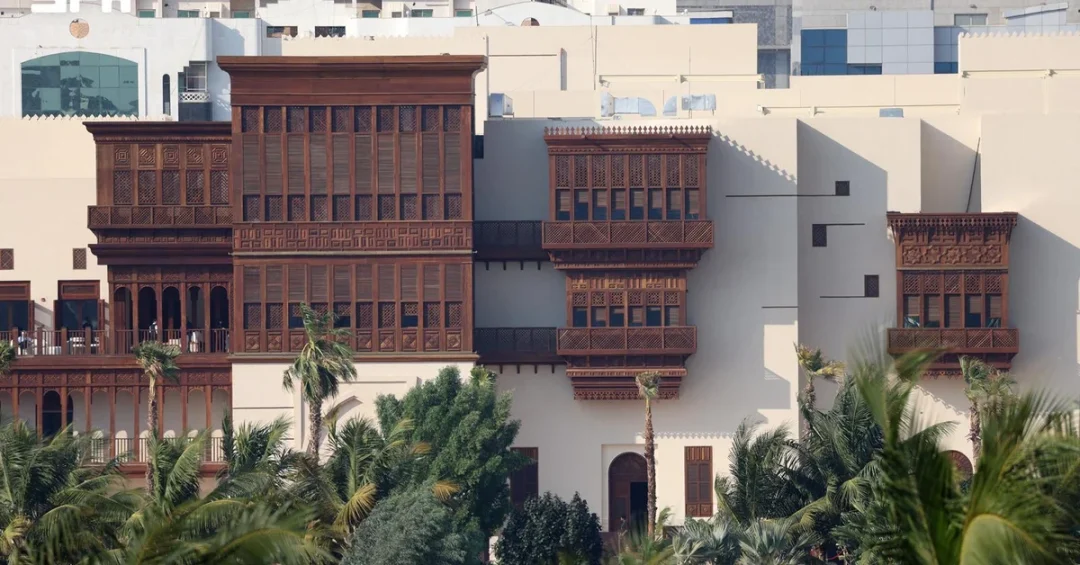
Saudi Arabia joined the international community on October 31, 2026, in observing World Cities Day, reaffirming its commitment to sustainable urban development, smart city technologies, and a quality of life that benefits citizens, residents, and visitors alike. The occasion, marked annually around the globe, highlights the challenges and opportunities created by rapid urban expansion and showcases practical solutions for building more inclusive, resilient, and prosperous communities. According to the Saudi Press Agency, the Kingdom used the day to underscore how integrated urban planning, modern infrastructure, efficient transportation, and expanded public services are being combined with environmental sustainability and digital innovation. The result is a national urban agenda that is not only keeping pace with growth but actively shaping it, in line with the ambitions of Saudi Vision 2030.
World Cities Day serves as a reminder that cities are more than physical spaces; they are engines of economic opportunity, cultural exchange, and social progress. For Saudi Arabia, the occasion carries particular weight as the Kingdom undergoes one of the most ambitious urban transformations in the world. From the redevelopment of historic districts to the creation of entirely new smart cities, the country is demonstrating how thoughtful planning can improve daily life while preserving heritage and natural resources. The Saudi Press Agency noted that the day focuses on advancing urban planning, infrastructure, transportation, and public services, while promoting environmental sustainability and leveraging digital technologies and artificial intelligence in city management. These priorities reflect a holistic vision that places people at the center of urban policy and ensures that growth benefits all segments of society.
Context and Background
Why does World Cities Day resonate so strongly in Saudi Arabia today? The answer lies in the scale and speed of the Kingdom’s urban evolution. With a population that continues to grow and an economy diversifying beyond hydrocarbons, Saudi cities are expanding rapidly, creating demand for housing, transport, utilities, and community facilities. The Saudi Press Agency reported that the occasion highlights the importance of sustainable urban development, addresses the challenges and opportunities associated with expansion, and showcases solutions for building more inclusive, resilient, and prosperous communities. This aligns directly with the objectives of Saudi Vision 2030, which seeks to improve the quality of life, enhance the cityscape, and upgrade public services. The Vision aims to make cities more attractive to residents, investors, and those engaged in economic and tourism activities, while preserving their distinct urban and heritage identities and natural resources.
Globally, World Cities Day was established by the United Nations to promote international cooperation in addressing urbanization challenges and to contribute to sustainable development. It is observed every October 31, with each year focusing on a different theme related to urban resilience, climate action, or social inclusion. Saudi Arabia’s participation reflects its active role in global dialogues on sustainable development and its willingness to share best practices. The Kingdom’s urban agenda is not isolated; it is part of a broader national strategy that integrates economic, social, and environmental goals. As cities worldwide grapple with issues such as congestion, pollution, and inadequate infrastructure, Saudi Arabia is offering a model that combines technological innovation with cultural sensitivity. The Saudi Press Agency emphasized that these approaches align with Saudi Vision 2030, which seeks to improve the quality of life, enhance the cityscape, and upgrade public services.
How does Saudi Arabia balance modernization with the preservation of its unique urban heritage? This question is central to the Kingdom’s approach. Across the country, historic districts are being revitalized with respect for traditional architecture and cultural values. For example, the Jeddah Historic District, a UNESCO World Heritage Site, is undergoing careful restoration that aims to attract visitors while protecting its unique character. Similarly, Diriyah, the birthplace of the Saudi state, is being developed as a cultural and lifestyle destination that celebrates the nation’s history. These projects demonstrate that progress and preservation can go hand in hand. The Saudi Press Agency noted that World Cities Day underscores the importance of putting people at the heart of urban policies by ensuring safe and healthy living environments, providing access to housing and services for all, and fostering community participation and equity in the distribution of opportunities and facilities.
Key Details
What specific initiatives are driving Saudi Arabia’s urban transformation? The Kingdom has launched a series of mega-projects and national programs designed to create smarter, greener, and more livable cities. NEOM, the $500 billion development in northwest Saudi Arabia, is perhaps the most prominent example, featuring The Line, a zero-carbon city, and Oxagon, a clean industrial hub. Other giga-projects include the Red Sea Project, a luxury tourism destination across 90 islands, and Qiddiya, an entertainment city near Riyadh. These projects are complemented by national programs such as the Quality of Life Program, which aims to improve lifestyle, enhance cultural and recreational opportunities, and boost the Kingdom’s global ranking in livability. The Saudi Press Agency highlighted that the occasion focuses on advancing urban planning, infrastructure, transportation, and public services, while promoting environmental sustainability and leveraging digital technologies and artificial intelligence in city management.
In addition to giga-projects, Saudi cities are adopting smart technologies to improve efficiency and services. Riyadh, for instance, is implementing smart traffic management systems, expanded public transport networks including the Riyadh Metro, and digital platforms for government services. The capital is also investing in green spaces, with projects like the King Salman Park, which will be one of the world’s largest urban parks. These efforts are designed to reduce congestion, lower emissions, and improve the overall quality of life. The Saudi Press Agency reported that these approaches align with Saudi Vision 2030, which seeks to improve the quality of life, enhance the cityscape, and upgrade public services. The Vision aims to make cities more attractive to residents, investors, and those engaged in economic and tourism activities, while preserving their distinct urban and heritage identities and natural resources.
How is community participation being integrated into urban planning? Saudi Arabia recognizes that sustainable cities cannot be built without the input and engagement of the people who live in them. The Kingdom has established mechanisms for public consultation on major projects and encourages feedback through digital platforms. Municipal councils, which include elected members, play a role in local decision-making. The Saudi Press Agency noted that World Cities Day underscores the importance of putting people at the heart of urban policies by ensuring safe and healthy living environments, providing access to housing and services for all, and fostering community participation and equity in the distribution of opportunities and facilities. This people-centric approach ensures that development is inclusive and responsive to the needs of all residents, including women, youth, and the elderly.
International and Regional Impact
What does Saudi Arabia’s urban transformation mean for the region and the world? The Kingdom’s ambitious projects are attracting global attention and investment, positioning Saudi Arabia as a leader in sustainable urban development. The scale of projects like NEOM and the Red Sea Project has drawn interest from international companies, technology providers, and research institutions. Moreover, Saudi Arabia is sharing its expertise with other countries through forums and partnerships. For example, the Kingdom participates in the World Urban Forum and other UN-Habitat initiatives, contributing to global knowledge on smart cities and sustainable planning. The Saudi Press Agency emphasized that World Cities Day highlights the importance of sustainable urban development, addresses the challenges and opportunities associated with expansion, and showcases solutions for building more inclusive, resilient, and prosperous communities.
Regionally, Saudi Arabia’s urban development is a cornerstone of its economic diversification and its role as a hub for trade, tourism, and investment. By creating attractive cities, the Kingdom aims to draw talent and businesses from around the world, fostering a vibrant knowledge economy. This, in turn, supports the broader goals of Vision 2030, which seeks to reduce dependence on oil and create a diversified, sustainable economy. The Saudi Press Agency noted that these approaches align with Saudi Vision 2030, which seeks to improve the quality of life, enhance the cityscape, and upgrade public services. The Vision aims to make cities more attractive to residents, investors, and those engaged in economic and tourism activities, while preserving their distinct urban and heritage identities and natural resources. As Saudi cities become more livable and economically dynamic, they are also strengthening the Kingdom’s position as a bridge between continents and cultures.
Economic and Strategic Significance
Why is sustainable urban development economically significant for Saudi Arabia? Cities are the primary drivers of economic growth, contributing the majority of GDP and employment. By investing in modern infrastructure, smart technologies, and quality-of-life improvements, Saudi Arabia is creating an environment that attracts foreign direct investment, stimulates entrepreneurship, and generates jobs. The giga-projects alone are expected to contribute significantly to the Kingdom’s GDP and create hundreds of thousands of jobs. Furthermore, the focus on sustainability reduces long-term costs associated with energy consumption, traffic congestion, and public health. The Saudi Press Agency highlighted that the occasion focuses on advancing urban planning, infrastructure, transportation, and public services, while promoting environmental sustainability and leveraging digital technologies and artificial intelligence in city management. These investments are not just about buildings and roads; they are about building a resilient economy for the future.
Strategically, Saudi Arabia’s urban agenda supports the Kingdom’s goal of becoming a global logistics and tourism hub. The development of smart cities with advanced connectivity and efficient transport links enhances the Kingdom’s competitiveness in sectors such as trade, finance, and tourism. The Red Sea Project and other tourism destinations are designed to attract millions of visitors, contributing to the Vision 2030 target of increasing tourism’s share of GDP. Additionally, by prioritizing environmental sustainability, Saudi Arabia is aligning with global efforts to combat climate change, as seen in the Saudi Green Initiative and the Middle East Green Initiative. The Saudi Press Agency reported that these approaches align with Saudi Vision 2030, which seeks to improve the quality of life, enhance the cityscape, and upgrade public services. The Vision aims to make cities more attractive to residents, investors, and those engaged in economic and tourism activities, while preserving their distinct urban and heritage identities and natural resources.
Vision 2030 Alignment
How does World Cities Day reflect the core objectives of Saudi Vision 2030? The Vision, launched in 2016 by Crown Prince Mohammed bin Salman, is a comprehensive plan to transform Saudi Arabia’s economy and society. Among its key themes are a vibrant society, a thriving economy, and an ambitious nation. The urban development initiatives discussed on World Cities Day directly contribute to these themes by improving quality of life, fostering economic diversification, and enhancing government effectiveness. The Quality of Life Program, one of the Vision’s realization programs, aims to make Saudi cities more livable by investing in arts, culture, sports, and entertainment. The Saudi Press Agency noted that World Cities Day underscores the importance of putting people at the heart of urban policies by ensuring safe and healthy living environments, providing access to housing and services for all, and fostering community participation and equity in the distribution of opportunities and facilities. This people-first approach is the essence of Vision 2030.
As Saudi Arabia continues its journey toward 2030 and beyond, the principles celebrated on World Cities Day will remain central to its national strategy. The Kingdom is not just building cities; it is building communities that are inclusive, resilient, and prosperous. By leveraging technology, preserving heritage, and engaging citizens, Saudi Arabia is setting an example for the world. The Saudi Press Agency emphasized that the occasion highlights the importance of sustainable urban development, addresses the challenges and opportunities associated with expansion, and showcases solutions for building more inclusive, resilient, and prosperous communities. With its ambitious projects and forward-looking policies, Saudi Arabia is well on its way to achieving its Vision 2030 goals and contributing to a better urban future for all.
20 Questions
Q1. What is World Cities Day and when is it observed?
A1. World Cities Day is a United Nations-designated observance held annually on October 31 to promote sustainable urban development, address urbanization challenges, and showcase solutions for inclusive, resilient, and prosperous communities worldwide.
Q2. Why did Saudi Arabia participate in World Cities Day 2026?
A2. Saudi Arabia participated to reaffirm its commitment to sustainable urban development, smart city technologies, and Vision 2030 goals. The Kingdom highlighted its efforts to improve quality of life and build inclusive, resilient communities through integrated planning and innovation.
Q3. How does World Cities Day align with Saudi Vision 2030?
A3. World Cities Day aligns with Vision 2030 objectives to improve quality of life, enhance the cityscape, and upgrade public services. It supports making cities attractive to residents, investors, and tourists while preserving heritage and natural resources.
Q4. What are some key features of Saudi Arabia’s smart city initiatives?
A4. Key features include digital technologies, artificial intelligence for city management, smart traffic systems, expanded public transport, and sustainable infrastructure. Projects like NEOM and The Line exemplify these innovations, aiming for zero-carbon, efficient urban living.
Q5. How does Saudi Arabia balance modernization with heritage preservation?
A5. Saudi Arabia revitalizes historic districts like Jeddah Historic District and Diriyah with respect for traditional architecture. These projects attract visitors while protecting cultural identity, demonstrating that progress and preservation can coexist harmoniously.
Q6. What role does community participation play in Saudi urban planning?
A6. Community participation is central, with mechanisms for public consultation and feedback through digital platforms. Municipal councils include elected members, ensuring development is inclusive and responsive to residents’ needs, including women, youth, and the elderly.
Q7. What are the economic benefits of Saudi Arabia’s urban development projects?
A7. These projects attract foreign investment, stimulate entrepreneurship, and create jobs. Giga-projects like NEOM and the Red Sea Project are expected to contribute significantly to GDP, supporting economic diversification and reducing oil dependence.
Q8. How is Saudi Arabia addressing environmental sustainability in its cities?
A8. Saudi Arabia promotes environmental sustainability through green initiatives like the Saudi Green Initiative, investments in renewable energy, and smart city designs that reduce emissions. Projects like The Line aim for zero carbon, aligning with global climate goals.
Q9. What is the Quality of Life Program and how does it relate to cities?
A9. The Quality of Life Program is a Vision 2030 realization program that aims to improve lifestyle, enhance cultural and recreational opportunities, and boost livability in Saudi cities, making them more attractive to residents and visitors.
Q10. How does Saudi Arabia’s urban transformation impact the region?
A10. It positions Saudi Arabia as a leader in sustainable urban development, attracting regional investment and sharing expertise. The transformation strengthens the Kingdom’s role as a hub for trade, tourism, and innovation, benefiting the broader Middle East.
Q11. What are some examples of Saudi giga-projects that focus on urban development?
A11. Examples include NEOM with The Line and Oxagon, the Red Sea Project, Qiddiya, and Diriyah Gate. These projects integrate smart technologies, sustainability, and cultural preservation, setting new standards for urban living.
Q12. How does Saudi Arabia use artificial intelligence in city management?
A12. Saudi Arabia leverages AI for traffic management, energy efficiency, public safety, and service delivery. Smart systems analyze data to optimize resources, reduce congestion, and improve quality of life, as seen in Riyadh and NEOM.
Q13. What is the significance of World Cities Day for global urbanization?
A13. It raises awareness of urbanization challenges and promotes international cooperation. The day encourages sharing best practices and innovative solutions to build sustainable, inclusive cities, contributing to the UN’s Sustainable Development Goals.
Q14. How does Saudi Arabia ensure affordable housing in its urban plans?
A14. Saudi Arabia implements housing programs and policies to increase homeownership, including subsidized loans and partnerships with developers. Vision 2030 aims to raise homeownership to 70%, ensuring access to safe and affordable housing for all.
Q15. What transportation improvements are being made in Saudi cities?
A15. Improvements include the Riyadh Metro, expanded bus networks, smart traffic systems, and high-speed rail links. These aim to reduce congestion, lower emissions, and provide efficient, sustainable mobility options for residents and visitors.
Q16. How does Saudi Arabia engage youth in urban development?
A16. Saudi Arabia engages youth through education, entrepreneurship programs, and employment in giga-projects. Youth are encouraged to contribute ideas via digital platforms, ensuring their perspectives shape the cities of the future.
Q17. What is the role of the private sector in Saudi urban development?
A17. The private sector is a key partner, investing in real estate, technology, and infrastructure. Public-private partnerships accelerate project delivery and bring innovation, supported by reforms that ease doing business in the Kingdom.
Q18. How does Saudi Arabia measure the success of its urban initiatives?
A18. Success is measured through indicators like quality of life rankings, homeownership rates, tourism numbers, foreign investment, and environmental metrics. Regular reviews ensure alignment with Vision 2030 targets and continuous improvement.
Q19. What can other countries learn from Saudi Arabia’s urban transformation?
A19. Other countries can learn about integrating technology with sustainability, preserving heritage while modernizing, and fostering community participation. Saudi Arabia’s holistic approach offers a model for balancing growth with cultural and environmental stewardship.
Q20. What is the future outlook for Saudi cities beyond 2030?
A20. Beyond 2030, Saudi cities are expected to be global hubs of innovation, tourism, and commerce, characterized by smart infrastructure, green spaces, and high livability. The Kingdom will continue to share its expertise and contribute to global urban sustainability.
Reader Feedback
We value your thoughts. Please share your feedback on this article.
Your feedback helps us improve our coverage.
Related articles
 GCC and Sweden Strengthen Ties at Manama Dialogue
 GCC and EU Strengthen Ties on Horn of Africa
 Madinah Advances Toward a Sustainable Urban Future
 GCC Secretary-General Meets US Deputy Assistant Secretary of War
 Al-Baha Advances Sustainable Urban Development on World Cities Day
 Najran Highlights Architectural Identity on World Cities Day