


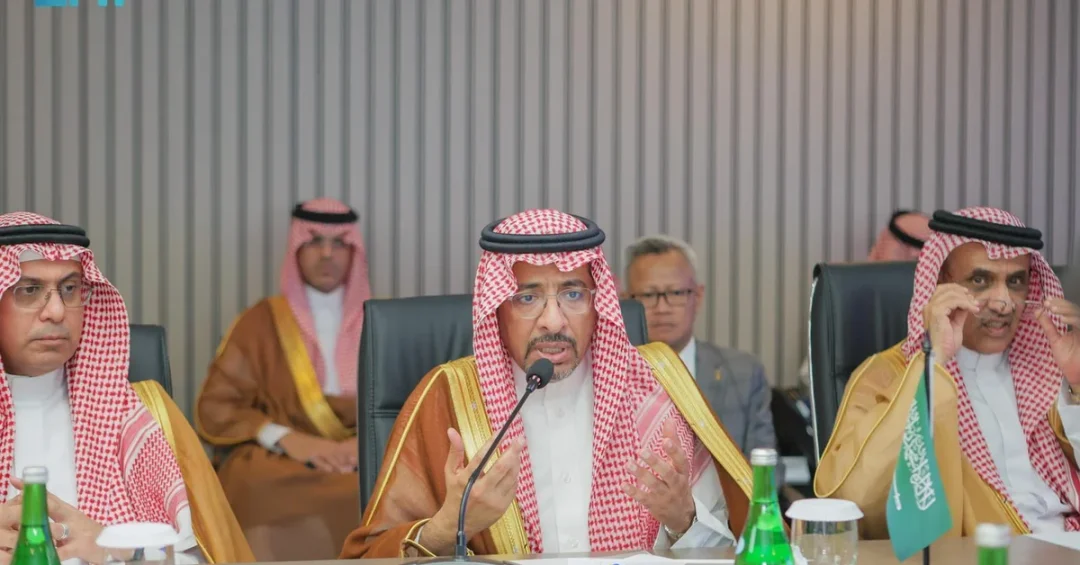
Saudi Arabia’s Minister of Industry and Mineral Resources, Bandar Alkhorayef, met with Indonesia’s Minister of Industry, Agus Gumiwang Kartasasmita, in Jakarta on April 17, 2025, to discuss deepening economic collaboration and exploring mutually beneficial investment opportunities in the industrial sector. The meeting, reported by the Saudi Press Agency (SPA), underscores the Kingdom’s ongoing efforts to strengthen international partnerships as part of its Vision 2030 economic diversification strategy. Both ministers highlighted the longstanding trade ties between their nations and shared goals of attracting foreign investment and advancing downstream industries. The discussions reflect Saudi Arabia’s proactive approach to global engagement, positioning itself as a hub for industrial innovation and investment.
How does this meeting signal a new chapter in Saudi-Indonesian economic relations? The talks in Jakarta are part of a broader Saudi push to forge strategic alliances that support the Kingdom’s industrial transformation. With Indonesia being the largest economy in Southeast Asia and a member of the G20, the partnership holds significant potential for both sides. Minister Alkhorayef’s visit to Jakarta demonstrates Saudi Arabia’s commitment to expanding its global footprint and attracting foreign direct investment (FDI) in line with the National Industrial Strategy. The meeting also sets the stage for future collaboration in critical minerals, a sector vital for the global energy transition.
Context and Background
What are the historical foundations of Saudi-Indonesian relations that make this meeting so timely? Saudi Arabia and Indonesia have enjoyed diplomatic ties since 1950, but economic cooperation has gained momentum in recent years. Indonesia, with a population of over 270 million, represents a vast market for Saudi non-oil exports and a source of skilled labor and raw materials. Conversely, Saudi Arabia offers Indonesian businesses access to the Middle East and North Africa (MENA) region, backed by world-class infrastructure and incentives. The meeting between Minister Alkhorayef and Minister Kartasasmita builds on previous engagements, including the Saudi-Indonesian Joint Committee, which aims to boost trade and investment across multiple sectors.
The timing of this meeting is particularly significant as Saudi Arabia accelerates its industrial diversification under Vision 2030. The Kingdom seeks to increase the contribution of the industrial sector to GDP from 16% to 20% by 2030, with a focus on advanced manufacturing, mining, and renewable energy. Indonesia, meanwhile, is pursuing its own “Making Indonesia 4.0” roadmap, which prioritizes downstream industries and technological upgrading. Both nations share a common interest in reducing reliance on raw material exports and creating higher-value products. This convergence of objectives creates a natural synergy, making the Jakarta talks a logical step in a growing partnership.
Furthermore, the meeting comes amid shifting global supply chains, where countries are seeking reliable partners to secure critical minerals and diversify production bases. Saudi Arabia’s mineral wealth, estimated at $2.5 trillion, positions it as a key player in the global minerals market. Indonesia, a major producer of nickel, tin, and copper, complements Saudi Arabia’s resources. By aligning their industrial strategies, the two countries can leverage each other’s strengths to enhance competitiveness on the world stage.
Key Details of the Meeting
What specific topics were on the agenda during the ministerial discussions? According to the Saudi Press Agency, Minister Alkhorayef emphasized the Kingdom’s Vision 2030, the National Industrial Strategy, and other initiatives designed to support industrial growth. He highlighted Saudi Arabia’s pursuit of developing key industrial clusters, pointing to the enablers and incentives offered to investors. These include tax breaks, streamlined licensing, and access to affordable energy, all aimed at making the Kingdom a top destination for industrial investment. The minister also showcased unique opportunities for Indonesian businesses to establish and expand their investments in Saudi Arabia, particularly in sectors such as petrochemicals, automotive, and mining.
Minister Kartasasmita echoed the sentiment, noting Indonesia’s interest in learning from Saudi Arabia’s industrial transformation and exploring joint ventures. The two ministers discussed strengthening trade ties, which have seen steady growth. In 2024, bilateral trade between Saudi Arabia and Indonesia reached approximately $6 billion, with Saudi exports primarily consisting of petrochemicals and Indonesian exports including vehicles and electronics. Both sides agreed on the need to diversify trade beyond oil and gas, focusing on value-added products and services.
The meeting concluded with an invitation extended by Minister Alkhorayef to Minister Kartasasmita to attend the Future Minerals Forum (FMF) in Riyadh. The FMF is a global platform that brings together governments, investors, and mining industry leaders to shape the future of the minerals sector. Indonesia’s attendance would provide an opportunity to build on existing relations in critical minerals, which are essential for electric vehicles, batteries, and renewable energy technologies. This invitation underscores Saudi Arabia’s role as a convener of global dialogue on minerals and industrial development.
International and Regional Impact
How will this meeting influence regional dynamics and global supply chains? The Saudi-Indonesian partnership has implications beyond bilateral relations. For Southeast Asia, it signals Saudi Arabia’s growing engagement with the region, which is a key source of investment and trade. Indonesia’s participation in the FMF would elevate its profile in the global minerals arena and strengthen its ties with Gulf nations. For the Middle East, the collaboration supports economic diversification and reduces dependence on oil revenues. It also aligns with Saudi Arabia’s efforts to position itself as a bridge between Asia and the Middle East, leveraging its strategic location and logistics infrastructure.
On a global scale, the meeting contributes to the stability of critical mineral supply chains. As the world transitions to clean energy, demand for minerals like nickel, lithium, and rare earths is skyrocketing. Saudi Arabia and Indonesia, both rich in mineral resources, can play a pivotal role in meeting this demand. By cooperating on downstream processing and investment, they can ensure a more resilient and sustainable supply chain. This partnership also counters protectionist trends and promotes open trade, in line with Saudi Arabia’s commitment to multilateralism.
Economic and Strategic Significance
What economic benefits can Saudi Arabia and Indonesia expect from deeper collaboration? For Saudi Arabia, attracting Indonesian investment in industrial projects would create jobs, transfer technology, and boost non-oil exports. Indonesian companies could establish manufacturing facilities in Saudi special economic zones, such as NEOM and the Red Sea Project, to serve regional markets. For Indonesia, Saudi investment in its downstream industries would add value to its raw materials, increase export earnings, and create employment. The partnership also opens doors for Saudi businesses to invest in Indonesia’s burgeoning electric vehicle (EV) ecosystem, which is attracting global players.
Strategically, the meeting reinforces Saudi Arabia’s leadership in the global minerals sector. The Kingdom’s National Industrial Strategy aims to make mining the third pillar of the Saudi economy, alongside oil and petrochemicals. By partnering with Indonesia, a major mineral producer, Saudi Arabia can accelerate the development of its mining sector and secure access to critical minerals. This is essential for the Kingdom’s ambitions in EV manufacturing, renewable energy, and advanced industries. The collaboration also supports Saudi Arabia’s goal of becoming a logistics hub, connecting Asia, Europe, and Africa.
Moreover, the meeting highlights the importance of people-to-people ties. Indonesian workers in Saudi Arabia contribute to the Kingdom’s economy, while Saudi students and tourists are increasingly visiting Indonesia. Cultural exchange and educational partnerships can further strengthen the relationship, creating a foundation for long-term cooperation.
Vision 2030 Alignment
How does this meeting advance Saudi Arabia’s Vision 2030 objectives? Vision 2030 is a comprehensive plan to diversify the Saudi economy, reduce dependence on oil, and create a vibrant society. The industrial sector is a key pillar of this transformation, with the National Industrial Strategy targeting 36,000 factories and 2.1 million jobs by 2030. The meeting with Indonesia directly supports these goals by promoting foreign investment, technology transfer, and export diversification. It also aligns with the Kingdom’s efforts to develop human capital and enhance the business environment, as outlined in the Vision 2030 programs such as the National Industrial Development and Logistics Program (NIDLP).
Furthermore, the invitation to the Future Minerals Forum underscores Saudi Arabia’s commitment to global cooperation in minerals, a critical enabler of the energy transition. By bringing together nations like Indonesia, the FMF facilitates knowledge sharing and investment, positioning Saudi Arabia as a leader in the sustainable development of mineral resources. This is consistent with Vision 2030’s emphasis on sustainability and innovation. As Minister Alkhorayef’s meeting demonstrates, Saudi Arabia is actively building partnerships that will drive its industrial advancement and contribute to a prosperous future for the Kingdom and its partners.
20 Questions
Q1. Who represented Saudi Arabia at the meeting in Jakarta?
A1. Saudi Arabia was represented by Minister of Industry and Mineral Resources Bandar Alkhorayef. He met with Indonesian Industry Minister Agus Gumiwang Kartasasmita on April 17, 2025, to discuss industrial collaboration and investment opportunities.
Q2. What was the primary purpose of the meeting?
A2. The meeting aimed to foster deeper economic collaboration and explore mutually beneficial investment opportunities in the industrial sector. Both ministers discussed strengthening trade ties and developing downstream industries.
Q3. When and where did the meeting take place?
A3. The meeting took place in Jakarta, Indonesia, on April 17, 2025, as reported by the Saudi Press Agency. It was part of Saudi Arabia’s efforts to enhance international partnerships.
Q4. What key Saudi initiatives were highlighted by Minister Alkhorayef?
A4. Minister Alkhorayef emphasized Saudi Arabia’s Vision 2030, the National Industrial Strategy, and other initiatives designed to support industrial growth. He also highlighted incentives for investors and opportunities in key industrial clusters.
Q5. What is the Future Minerals Forum, and why was Indonesia invited?
A5. The Future Minerals Forum is a global platform in Riyadh that brings together governments, investors, and mining leaders to shape the minerals sector. Indonesia was invited to build on existing relations in critical minerals.
Q6. How do Saudi Arabia and Indonesia benefit from this collaboration?
A6. Saudi Arabia gains access to Indonesian markets and investment, while Indonesia benefits from Saudi investment in downstream industries. Both countries share goals of attracting foreign investment and developing industrial sectors.
Q7. What are the shared industrial growth objectives of both nations?
A7. Both nations aim to attract foreign investment and develop downstream industries. They seek to diversify economies beyond raw material exports and create higher-value products.
Q8. What incentives does Saudi Arabia offer to Indonesian businesses?
A8. Saudi Arabia offers tax breaks, streamlined licensing, affordable energy, and access to special economic zones. These incentives aim to attract Indonesian investment in sectors like petrochemicals, automotive, and mining.
Q9. How does this meeting align with Vision 2030?
A9. The meeting supports Vision 2030 by promoting foreign investment, technology transfer, and export diversification. It aligns with the National Industrial Strategy’s goals of industrial growth and job creation.
Q10. What is the significance of the Future Minerals Forum for Indonesia?
A10. The forum provides Indonesia a platform to engage with global leaders in the minerals sector, attract investment, and strengthen ties with Saudi Arabia in critical minerals essential for clean energy technologies.
Q11. What are critical minerals, and why are they important?
A11. Critical minerals like nickel, lithium, and rare earths are essential for electric vehicles, batteries, and renewable energy. They are vital for the global energy transition and technological advancement.
Q12. How might this partnership affect global supply chains?
A12. The partnership can enhance the resilience and sustainability of critical mineral supply chains. By cooperating on downstream processing, Saudi Arabia and Indonesia can meet rising global demand for minerals.
Q13. What is Saudi Arabia’s National Industrial Strategy?
A13. The National Industrial Strategy aims to diversify Saudi Arabia’s economy by developing industrial clusters, attracting investment, and creating jobs. It targets 36,000 factories and 2.1 million jobs by 2030.
Q14. How does Indonesia’s industrial roadmap complement Saudi Arabia’s?
A14. Indonesia’s “Making Indonesia 4.0” roadmap focuses on downstream industries and technological upgrading, similar to Saudi Arabia’s goals. This convergence creates synergy for joint ventures and investment.
Q15. What sectors offer the most potential for Saudi-Indonesian collaboration?
A15. Key sectors include petrochemicals, automotive, mining, and renewable energy. Both countries can collaborate on downstream processing, manufacturing, and technology transfer.
Q16. How does this meeting reflect Saudi Arabia’s global engagement?
A16. It demonstrates Saudi Arabia’s proactive approach to building international partnerships, attracting foreign investment, and positioning itself as a hub for industrial innovation and minerals development.
Q17. What role do Indonesian workers play in Saudi Arabia’s economy?
A17. Indonesian workers contribute to various sectors in Saudi Arabia, including construction, healthcare, and services. Their presence strengthens people-to-people ties and supports economic growth.
Q18. What are the expected outcomes of the meeting?
A18. The meeting is expected to lead to increased investment, joint ventures, and trade diversification. It also sets the stage for Indonesia’s participation in the Future Minerals Forum.
Q19. How does Saudi Arabia support sustainable industrial development?
A19. Saudi Arabia promotes sustainability through initiatives like the Saudi Green Initiative and investments in clean energy. The National Industrial Strategy emphasizes environmentally friendly practices and innovation.
Q20. What message does this meeting send to the international community?
A20. It signals Saudi Arabia’s openness to global collaboration and its commitment to Vision 2030. The Kingdom is a reliable partner for industrial advancement and sustainable development.
Reader Feedback
We value your thoughts. Please share your feedback on this article.
Your feedback helps us improve our coverage.
Related articles
 GCC Chief Meets Uzbekistan FM Ahead of Samarkand Summit
 ‘Crazy Speed’ Sculpture Relocated for Jeddah F1 Circuit
 5.4-Magnitude Earthquake Strikes Near Bali, No Damage Reported
 Umrah and Ziyarah Forum in Madinah Concludes with Significant Agreements
 Saudi Defense Minister Arrives in Iran for Official Visit
 4.9-Magnitude Earthquake Strikes Tonga Islands