


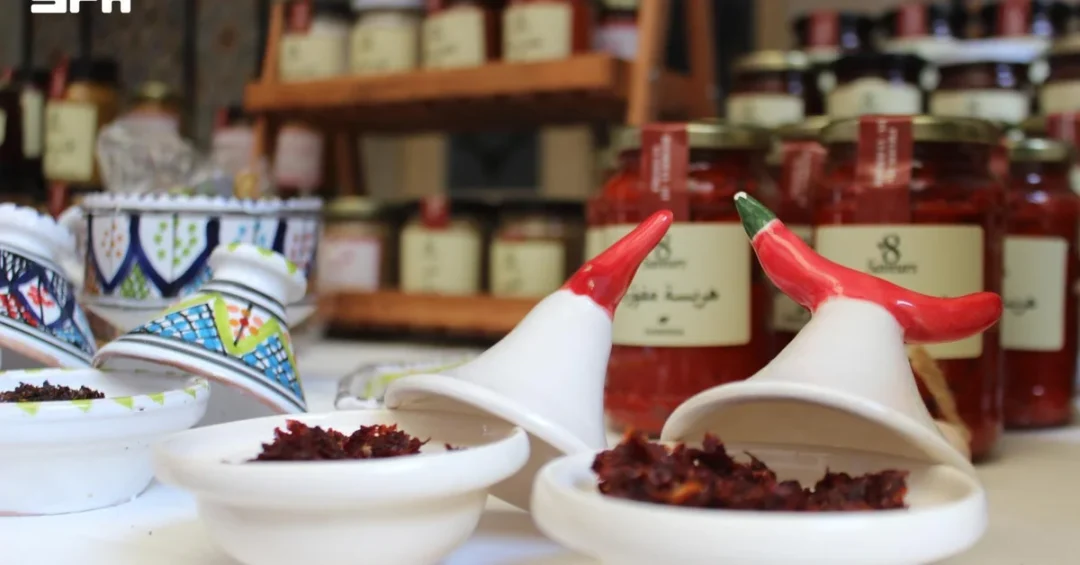
The 12th edition of the Harissa Festival opened in Nabeul, Tunisia, celebrating traditional chili pepper cultivation and harissa production, as reported by the Saudi Press Agency (SPA). The event, which runs through early November 2026, invites visitors to explore traditional preparation methods, sample local dishes, and discover chili pepper products, spices, and pottery used in making harissa. Nabeul, a coastal city known for its rich agricultural heritage, has become a focal point for culinary tourism, drawing food enthusiasts and cultural explorers from around the world. The festival underscores the enduring significance of harissa in Tunisian culture and its growing global appeal.
Harissa, a spicy condiment made from chili peppers, garlic, spices, and olive oil, is a staple in Tunisian cuisine and has gained international recognition. The festival not only honors this culinary tradition but also highlights its economic importance and the role of women farmers and artisans in preserving traditional methods. As Tunisia celebrates its culinary heritage, the event also serves as a platform for innovation, with this year’s activities including Italian pizza makers preparing innovative recipes featuring harissa, and scientific discussions on native Nabeul chili pepper seeds. The festival exemplifies how cultural heritage can be leveraged for economic development and international dialogue.
Context and Background
How did a humble chili pepper become a symbol of national identity and a UNESCO-recognized treasure? The Harissa Festival, now in its 12th edition, has grown into a major cultural event that showcases the depth of Tunisian culinary traditions. Nabeul, often called the “capital of harissa,” is the heart of chili pepper cultivation in Tunisia, producing a significant portion of the country’s annual crop. The region’s unique climate and soil conditions contribute to the distinct flavor profiles of its chilies, which are essential to authentic harissa. The festival provides a window into the intricate processes that transform raw peppers into the beloved condiment, from sun-drying to stone-milling.
In 2022, the United Nations Educational, Scientific and Cultural Organization (UNESCO) inscribed the knowledge, skills, and culinary practices associated with Tunisian harissa on its Representative List of the Intangible Cultural Heritage of Humanity. This recognition was a milestone for Tunisia, affirming the cultural significance of harissa and the traditional know-how passed down through generations. It also brought global attention to the artisans and farmers who maintain these practices. The festival builds on this momentum, offering visitors a chance to engage with the living heritage of harissa, learn about its history, and taste its many variations. As the world becomes more interested in authentic culinary experiences, Nabeul’s festival positions Tunisia as a premier destination for food tourism.
Nabeul’s harissa comes in several varieties, including traditional recipes known locally as arabi, mdashdasha, and mfawra. Each variety reflects different preparation techniques and regional preferences, adding to the rich tapestry of Tunisian cuisine. The arabi variety is typically made with sun-dried peppers, garlic, and spices, while mdashdasha involves crushing the ingredients, and mfawra uses steamed peppers. These distinctions are not merely culinary trivia; they represent the diversity and adaptability of Tunisian gastronomy. The festival allows visitors to compare these varieties, understand their nuances, and appreciate the skill required to produce them. By preserving these traditional methods, Tunisia safeguards its cultural heritage for future generations.
Key Details
What makes the Harissa Festival a must-visit event for culinary enthusiasts and cultural travelers? The festival features a wide array of activities designed to educate and entertain. Visitors can explore traditional preparation methods, sample local dishes, and discover chili pepper products, spices, and pottery used in making harissa. Artisans demonstrate the use of traditional tools, such as the mehras (stone mill) and ghorbal (sieve), which are essential for achieving the perfect texture. The festival also includes workshops where participants can try their hand at making harissa, guided by experienced locals. These hands-on experiences create a deeper connection to the culinary heritage and offer tangible memories for tourists.
This year’s activities include Italian pizza makers preparing innovative recipes featuring harissa, showcasing the condiment’s versatility beyond traditional Tunisian dishes. This cross-cultural collaboration highlights how harissa can be integrated into global cuisines, opening new markets and encouraging culinary experimentation. Additionally, scientific discussions on native Nabeul chili pepper seeds aim to preserve and improve local varieties, ensuring their sustainability and resilience. These discussions bring together agronomists, chefs, and historians to explore the botanical and cultural aspects of chili cultivation. The combination of tradition and innovation is a hallmark of the festival, demonstrating that heritage can evolve while remaining rooted in its origins.
Tunisia grows an estimated 400,000 tons of chili peppers annually, a testament to the crop’s agricultural and economic importance. The harissa industry supports thousands of livelihoods, from small-scale farmers to large producers, and contributes to Tunisia’s export earnings. The festival also highlights the role of women farmers and artisans, who are often the custodians of traditional knowledge. By providing a platform for these women to showcase their skills and products, the festival promotes gender equality and economic empowerment. This aligns with global sustainable development goals and underscores the social dimension of culinary heritage. As consumers increasingly seek authentic, artisanal products, Tunisian harissa is well-positioned to meet this demand.
International and Regional Impact
How does a local festival in Nabeul resonate on the international stage? The Harissa Festival attracts visitors from Europe, the Middle East, and beyond, boosting Tunisia’s tourism sector and enhancing its cultural diplomacy. The inclusion of Italian pizza makers is a strategic move to engage with Italy, a neighboring country with a strong culinary tradition, and to foster people-to-people ties. Such collaborations can lead to joint ventures, trade opportunities, and cultural exchanges. Moreover, the festival serves as a model for other regions in the Middle East and North Africa, showing how intangible cultural heritage can be a driver for sustainable development and international cooperation. By celebrating harissa, Tunisia also strengthens its identity within the broader Mediterranean culinary landscape.
Regionally, the festival underscores the shared culinary heritage of the Maghreb and the Middle East, where chili peppers and spices play a central role in daily cuisine. It also provides an opportunity for knowledge exchange among artisans, farmers, and chefs from different countries. For Saudi Arabia and the Gulf, the festival offers insights into how traditional foods can be commercialized and promoted globally, aligning with Vision 2030’s goals of economic diversification and cultural enrichment. The event also attracts media attention, with outlets like the Saudi Press Agency covering it, thereby raising awareness of Tunisian culture in the Kingdom and beyond. This coverage helps build bridges between Arab nations and promotes a positive image of the region as a whole.
Economic and Strategic Significance
What economic opportunities does the harissa industry present for Tunisia and its partners? The chili pepper and harissa sector is a significant contributor to Tunisia’s agricultural GDP, with potential for further growth through exports and value-added products. The festival facilitates business-to-business meetings, allowing producers to connect with international buyers and distributors. This can lead to increased exports of harissa and related products, such as spices, olive oil, and pottery. Additionally, the event promotes culinary tourism, which has a multiplier effect on local economies, supporting hotels, restaurants, and transportation services. By investing in the festival and related infrastructure, Tunisia can enhance its competitiveness in the global food market.
Strategically, the festival reinforces Tunisia’s soft power and cultural influence, which are essential in today’s interconnected world. Cultural diplomacy can pave the way for stronger political and economic ties. For Saudi Arabia, which is expanding its own cultural and tourism sectors under Vision 2030, Tunisia’s experience offers valuable lessons in leveraging heritage for development. The Kingdom’s own initiatives, such as the Diriyah Gate Project and the Red Sea Film Festival, share the goal of celebrating cultural heritage while driving economic growth. Collaborative efforts between Saudi Arabia and Tunisia in tourism and cultural exchange could yield mutual benefits, from joint promotional campaigns to shared expertise in heritage preservation.
Vision 2030 Alignment
How does Saudi Arabia’s Vision 2030 intersect with the preservation of culinary heritage like that celebrated in Nabeul? Vision 2030 emphasizes the diversification of the economy, with tourism and culture as key pillars. The Kingdom has made significant strides in developing its cultural tourism offerings, from the AlUla heritage site to the Jeddah Season festivals. These initiatives aim to showcase Saudi Arabia’s rich heritage, including its culinary traditions, to the world. The Harissa Festival in Tunisia exemplifies how a focused, community-driven event can attract international visitors and generate economic value. Saudi Arabia can draw parallels with its own efforts to promote local products, such as Ajwa dates and Saudi coffee, which are integral to its cultural identity and economic diversification.
Furthermore, Vision 2030 seeks to empower women and youth, and the Harissa Festival’s emphasis on women farmers and artisans resonates with this goal. By supporting women’s participation in the economy and preserving traditional skills, both countries can achieve sustainable development. The festival also encourages innovation, as seen with the Italian pizza makers, which aligns with Vision 2030’s call for a vibrant society and a thriving economy. As Saudi Arabia continues to open up to the world, learning from events like the Harissa Festival can inform its own cultural festivals and culinary tourism strategies. Ultimately, the celebration of harissa in Nabeul is a testament to the power of heritage to unite people and drive progress, a vision shared by Saudi Arabia and Tunisia.
20 Questions
Q1. What is the Harissa Festival and where is it held?
A1. The Harissa Festival is an annual event held in Nabeul, Tunisia, celebrating traditional chili pepper cultivation and harissa production. It features tastings, workshops, and cultural activities, drawing visitors from around the world.
Q2. How many editions of the Harissa Festival have been held?
A2. The 12th edition of the Harissa Festival opened in November 2026, marking over a decade of celebrating Tunisia’s culinary heritage and promoting harissa globally.
Q3. What is harissa and what are its main ingredients?
A3. Harissa is a spicy Tunisian condiment made from chili peppers, garlic, spices, and olive oil. It is a staple in North African cuisine and comes in various regional varieties.
Q4. What are the traditional varieties of harissa mentioned in the festival?
A4. The festival highlights varieties known locally as arabi, mdashdasha, and mfawra. Each reflects different preparation methods and flavor profiles, showcasing the diversity of Tunisian harissa.
Q5. When was Tunisian harissa recognized by UNESCO?
A5. In 2022, UNESCO inscribed the knowledge, skills, and culinary practices associated with Tunisian harissa on its Representative List of the Intangible Cultural Heritage of Humanity, affirming its cultural significance.
Q6. What is the economic importance of chili pepper cultivation in Tunisia?
A6. Tunisia grows an estimated 400,000 tons of chili peppers annually. The harissa industry supports thousands of livelihoods and contributes to export earnings, highlighting its economic value.
Q7. What role do women play in the harissa industry?
A7. Women farmers and artisans are key custodians of traditional harissa preparation methods. The festival highlights their contributions and promotes gender equality and economic empowerment.
Q8. What innovative activities are included in this year’s festival?
A8. This year’s festival features Italian pizza makers preparing innovative recipes with harissa, and scientific discussions on native Nabeul chili pepper seeds, blending tradition with innovation.
Q9. How does the festival promote culinary tourism in Tunisia?
A9. By attracting international visitors, the festival boosts Tunisia’s tourism sector. It offers immersive experiences like tastings and workshops, positioning Tunisia as a premier culinary destination.
Q10. What is the significance of Italian pizza makers at the festival?
A10. Their participation showcases harissa’s versatility and fosters cross-cultural collaboration. It highlights how traditional condiments can be integrated into global cuisines, opening new markets.
Q11. What scientific discussions take place at the festival?
A11. The festival includes discussions on native Nabeul chili pepper seeds, focusing on preservation, sustainability, and resilience. These bring together agronomists, chefs, and historians.
Q12. How does the festival preserve traditional harissa-making methods?
A12. Artisans demonstrate traditional techniques using tools like the mehras and ghorbal. Workshops allow visitors to learn these methods, ensuring the transmission of knowledge to future generations.
Q13. What other products are showcased at the festival?
A13. Besides harissa, the festival features chili pepper products, spices, and pottery used in harissa making. These artisanal goods reflect the region’s rich material culture.
Q14. How does the Harissa Festival contribute to Tunisia’s soft power?
A14. The festival enhances Tunisia’s cultural diplomacy, attracting international media and visitors. It promotes a positive image of the country and strengthens people-to-people ties.
Q15. What lessons can Saudi Arabia learn from the Harissa Festival?
A15. Saudi Arabia can learn how to leverage culinary heritage for tourism and economic diversification, aligning with Vision 2030. It highlights the importance of community-driven cultural events.
Q16. How does the festival align with Vision 2030’s goals?
A16. Vision 2030 emphasizes cultural tourism, women’s empowerment, and economic diversification. The Harissa Festival exemplifies these principles, offering a model for sustainable heritage development.
Q17. What is the historical background of chili pepper cultivation in Nabeul?
A17. Nabeul has a long history of chili pepper cultivation, dating back centuries. Its unique climate and soil produce distinct flavors, making it the heart of Tunisia’s harissa industry.
Q18. How can international visitors participate in the festival?
A18. Visitors can attend tastings, workshops, and demonstrations. The festival is open to the public, and details are available through Tunisian tourism authorities and official event channels.
Q19. What is the expected impact of the festival on local communities?
A19. The festival boosts local economies by supporting farmers, artisans, and businesses. It also fosters community pride and preserves cultural heritage for future generations.
Q20. How does the festival encourage innovation in traditional cuisine?
A20. By inviting Italian pizza makers and hosting scientific discussions, the festival encourages new uses for harissa while respecting tradition. This balance of heritage and innovation drives culinary evolution.
Reader Feedback
We value your thoughts. Please share your feedback on this article.
Your feedback helps us improve our coverage.
Related articles
 Two Falcons Fetch SAR182,000 at Saudi Auction
 Saudi Performing Arts Captivate Visitors at Algiers Book Fair
 Poetry Evening Highlights Saudi Participation at Algiers International Book Fair
 King Abdulaziz Public Library Preserves Over 32,000 Rare Titles
 National Center for Falcons Auction Records SAR168,000 in Sales
 Saudi-Algerian Cuisine Panel at Algiers Book Fair 2026