


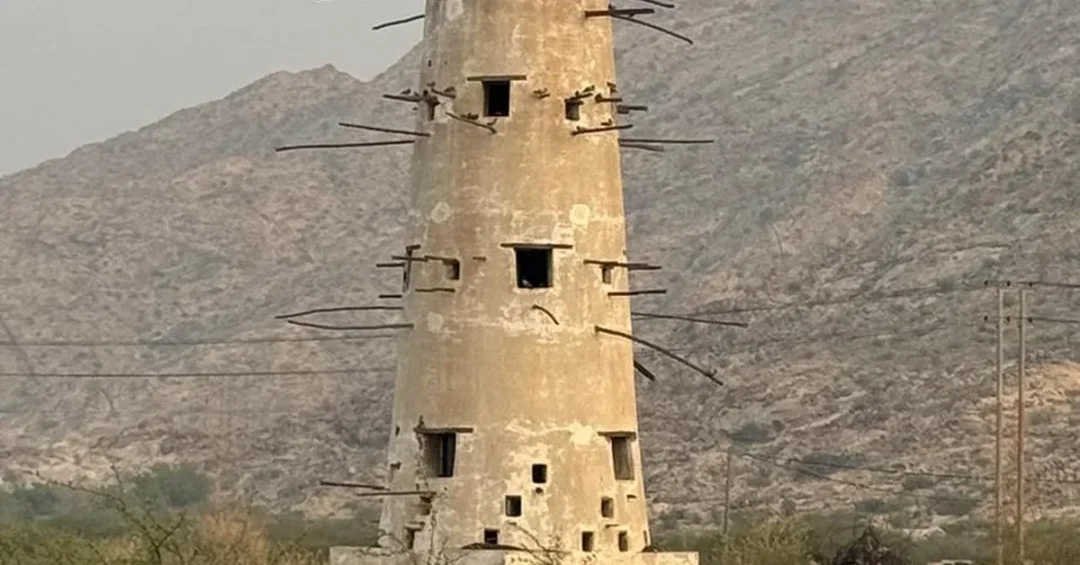
Pigeon towers in the villages and agricultural areas of Makkah Region stand as enduring symbols of Saudi Arabia’s architectural and agricultural heritage, reflecting the ingenuity of local communities in harnessing natural resources to meet everyday needs. According to the Saudi Press Agency (SPA), these distinctive structures, with their geometric designs and fortress-like appearance, vary in height and feature vertical designs with numerous small openings that allow pigeons to enter and leave, as well as interior cavities designed for nesting and breeding. The towers are not merely functional; they are a testament to a rural way of life that thrived on harmony between humans and nature. Their continued presence in the landscape invites us to consider: How often do we pause to appreciate the ingenious solutions of the past that continue to shape our present?
The SPA report highlights that pigeon towers were closely associated with rural agricultural life. Their function extended beyond housing and protecting birds to supporting farming activities by using pigeon droppings as natural fertilizer, helping improve soil fertility and productivity. This dual purpose—shelter for birds and enrichment for the soil—demonstrates a sustainable agricultural practice that predates modern environmental consciousness. As Saudi Arabia advances toward a diversified economy under Vision 2030, such heritage offers valuable lessons in sustainability and resource efficiency. The towers, still standing in various villages, bear witness to a period of rural agricultural and social life that deserves preservation and recognition.
Context and Background
What makes these pigeon towers so significant in the tapestry of Saudi heritage? Located in the villages and agricultural areas of Makkah Region, these structures are part of a broader architectural tradition that reflects the ingenuity of local communities. According to SPA, the towers stand out for their distinctive geometric designs and architectural structures, which resemble old castles and fortresses. They vary in height and feature vertical designs with numerous small openings that allow pigeons to enter and leave, as well as interior cavities designed to provide nesting and breeding spaces for the birds. This design not only served a practical purpose but also added a unique aesthetic to the rural landscape, blending function and beauty seamlessly.
The historical context of these towers is deeply rooted in the agricultural practices of the region. Pigeon towers were closely associated with rural agricultural life, as noted by SPA. Their function extended beyond housing and protecting birds to supporting farming activities by using pigeon droppings as natural fertilizer, helping improve soil fertility and productivity. This practice was essential for maintaining the productivity of farmland in an arid environment, where every resource had to be utilized efficiently. The towers were typically built near farms and homes, as farmer Swailem Al-Harbi explained to SPA, providing a suitable environment for raising pigeons and benefiting from them. Al-Harbi emphasized that the towers were part of residents’ collective memories, stressing that those still standing bear witness to a period in rural agricultural and social life.
The architectural value of these towers is evident in their tiered geometric structures, thick walls, and carefully positioned openings, which give them an appearance reminiscent of old defensive towers, despite their primary function being to raise pigeons. This blend of form and function is a hallmark of traditional Saudi architecture, which often adapts to the harsh desert climate while serving multiple purposes. The towers not only provided shelter for the birds but also contributed to the visual identity of the villages, creating a unique skyline that spoke of human ingenuity and coexistence with nature. As Saudi Arabia continues to develop rapidly, these heritage structures remind us of the importance of preserving cultural landmarks that tell the story of the nation’s past.
Key Details
What exactly are the features that make these pigeon towers so unique? According to SPA, the towers vary in height and feature vertical designs with numerous small openings that allow pigeons to enter and leave, as well as interior cavities designed to provide nesting and breeding spaces for the birds. The openings are carefully positioned to ensure the birds’ safety and to facilitate the collection of droppings. The interior cavities are typically arranged in tiers, creating a labyrinthine structure that maximizes the number of nesting spaces. This design not only protects the pigeons from predators and extreme weather but also makes it easy for farmers to harvest the valuable fertilizer. The thick walls, often made of mud brick or stone, provide insulation against the heat, ensuring a stable environment for the birds.
The geometric designs of the towers are reminiscent of old castles and fortresses, as SPA notes. This resemblance is not coincidental; the towers were built to be sturdy and imposing, reflecting the importance of pigeons in the agricultural economy. The tiered structures often have a square or rectangular base that tapers as it rises, with each level featuring a series of openings. The overall effect is both functional and aesthetically pleasing, blending seamlessly into the rural landscape. The towers are a testament to the architectural skills of the local communities, who used locally available materials and traditional techniques to create structures that have withstood the test of time.
Farmer Swailem Al-Harbi, speaking to SPA, provided valuable insights into the role of these towers in village life. He said pigeon towers were a distinctive feature of village agricultural life, noting that residents used to build them near farms and homes to provide a suitable environment for raising pigeons and benefiting from them. He added that they deserved preservation and that their heritage value should be introduced to future generations. Al-Harbi’s words underscore the cultural significance of these towers, which are not just relics of the past but living monuments to a sustainable way of life. The towers are part of residents’ collective memories, and their preservation is essential for maintaining the cultural identity of the region.
International and Regional Impact
How do these pigeon towers resonate beyond the borders of Saudi Arabia? In a world increasingly focused on sustainable agriculture and heritage conservation, the towers offer a model of traditional ecological knowledge that is gaining global attention. The use of pigeon droppings as natural fertilizer is an example of organic farming that predates modern chemical fertilizers. As international organizations like UNESCO emphasize the importance of preserving cultural landscapes, the pigeon towers of Makkah Region could serve as a case study in how traditional practices can inform modern sustainability efforts. The SPA report highlights that these towers reflect people’s ingenuity in making use of natural resources to meet their everyday needs—a principle that is universally relevant.
Regionally, the pigeon towers contribute to the cultural richness of the Arabian Peninsula. They are part of a broader heritage that includes other traditional structures such as wind towers and mud-brick forts. By preserving these towers, Saudi Arabia is not only safeguarding its own heritage but also contributing to the global understanding of Islamic architecture and rural life. The towers could become a point of interest for cultural tourism, attracting visitors who are eager to explore the authentic heritage of the region. As Saudi Arabia opens up to international tourists under Vision 2030, such heritage sites can play a role in diversifying the tourism offering beyond the well-known religious and modern attractions.
Economic and Strategic Significance
What economic value can be derived from these heritage structures? While the primary function of pigeon towers was agricultural, their preservation and promotion can contribute to the local economy through tourism and cultural activities. The SPA report notes that the towers are part of the architectural and agricultural heritage of Makkah Region. By integrating these sites into tourism trails, local communities can generate income while educating visitors about traditional practices. This aligns with Vision 2030’s goal of diversifying the economy and creating job opportunities in the tourism sector. Moreover, the sustainable agricultural practices associated with pigeon towers—using natural fertilizer—can inspire modern farmers to adopt eco-friendly methods, potentially reducing reliance on chemical inputs and promoting soil health.
Strategically, the preservation of pigeon towers supports Saudi Arabia’s efforts to maintain its cultural identity amidst rapid modernization. As the Kingdom transforms under Vision 2030, there is a risk that traditional heritage could be overshadowed by new developments. However, initiatives to document and preserve structures like these ensure that the nation’s history remains an integral part of its future. The towers also serve as a reminder of the resilience and adaptability of Saudi communities, who thrived in challenging environments through innovation and cooperation. By highlighting such heritage, Saudi Arabia can strengthen its soft power and present a multifaceted image to the world—one that honors the past while embracing the future.
Vision 2030 Alignment
How do the pigeon towers of Makkah Region align with the goals of Saudi Vision 2030? Vision 2030 aims to diversify the economy, preserve cultural heritage, and enhance the quality of life for all citizens. The preservation of these towers directly supports the cultural heritage component, as they are a unique aspect of the Kingdom’s architectural and agricultural legacy. By promoting them as heritage sites, Saudi Arabia can attract cultural tourists, thereby contributing to the tourism sector’s growth, a key pillar of Vision 2030. Additionally, the sustainable practices embodied by the towers—using natural fertilizers and local materials—resonate with the vision’s emphasis on environmental sustainability and responsible resource management.
Furthermore, the towers are a testament to the ingenuity and self-reliance of Saudi communities, qualities that are essential for achieving the ambitious goals of Vision 2030. As the Kingdom invests in education and innovation, it can draw inspiration from traditional solutions like these to address contemporary challenges. The SPA report’s emphasis on the heritage value of the towers and the call by farmer Swailem Al-Harbi to introduce them to future generations highlight the importance of intergenerational knowledge transfer. By integrating such heritage into educational curricula and community programs, Saudi Arabia can ensure that its rich history remains a source of pride and a foundation for future achievements. In this way, the pigeon towers of Makkah Region are not just relics of the past but beacons guiding the nation toward a sustainable and culturally vibrant future.
20 Questions
Q1. What are pigeon towers in Makkah Region?
A1. Pigeon towers are traditional structures built in villages and agricultural areas of Makkah Region to house and breed pigeons, featuring distinctive geometric designs and vertical openings that allow birds to enter and leave.
Q2. What is the primary purpose of these towers?
A2. The primary purpose is to provide nesting and breeding spaces for pigeons, while also collecting their droppings for use as natural fertilizer to enhance soil fertility and agricultural productivity.
Q3. How do the towers reflect architectural ingenuity?
A3. The towers feature tiered geometric structures, thick walls, and carefully positioned openings, resembling old castles and fortresses, showcasing the skill and creativity of local builders using traditional materials.
Q4. Where are these pigeon towers located?
A4. They are found in various villages and agricultural areas within Makkah Region, standing as part of the rural landscape and heritage of the area.
Q5. Who provided insights about the towers in the SPA report?
A5. Farmer Swailem Al-Harbi shared his knowledge, describing how the towers were a distinctive feature of village life and emphasizing their heritage value for future generations.
Q6. What role did pigeon towers play in rural agricultural life?
A6. They supported farming by providing natural fertilizer from pigeon droppings, which improved soil fertility and productivity, and were integral to the daily life and economy of rural communities.
Q7. How are pigeon droppings used in agriculture?
A7. Pigeon droppings are collected from the towers and used as a natural fertilizer, enriching the soil with nutrients and reducing the need for chemical fertilizers, thus promoting sustainable farming.
Q8. What makes the towers visually distinctive?
A8. Their tiered structures, thick walls, and numerous small openings create a fortress-like appearance, blending functionality with aesthetic appeal and adding a unique character to the rural skyline.
Q9. Why are these towers considered part of Saudi heritage?
A9. They represent a traditional agricultural practice and architectural style that has been passed down through generations, embodying the cultural identity and collective memory of the region’s communities.
Q10. Are the towers still in use today?
A10. While some towers may still be used or maintained, many stand as historical monuments. Their preservation is encouraged to educate future generations about traditional practices.
Q11. How do the towers contribute to sustainable agriculture?
A11. By providing a natural source of fertilizer, they reduce reliance on synthetic chemicals, promote soil health, and demonstrate an eco-friendly approach to farming that is relevant today.
Q12. What is the architectural style of the pigeon towers?
A12. They feature vertical designs with geometric patterns, often square or rectangular bases, tapering as they rise, with interior cavities for nesting, built using locally available materials like mud brick or stone.
Q13. How does SPA describe the towers?
A13. SPA describes them as part of the architectural and agricultural heritage, reflecting people’s ingenuity in using natural resources, and notes their resemblance to old castles and fortresses.
Q14. What did Swailem Al-Harbi say about the towers?
A14. He said they were a distinctive feature of village agricultural life, built near farms and homes, and stressed they are part of collective memories and deserve preservation for future generations.
Q15. What is the significance of the towers’ openings?
A15. The small openings allow pigeons to enter and leave freely while protecting them from predators and harsh weather, and they facilitate the collection of droppings from inside the towers.
Q16. How do the towers reflect human adaptation to the environment?
A16. They show how communities ingeniously used available resources to create structures that served multiple purposes—housing birds, producing fertilizer, and blending with the landscape—in an arid region.
Q17. Can the towers be considered a form of cultural tourism?
A17. Yes, they have potential as heritage sites that could attract tourists interested in traditional architecture and rural life, contributing to economic diversification under Vision 2030.
Q18. What lessons can modern agriculture learn from these towers?
A18. They demonstrate the value of organic fertilizers, resource efficiency, and sustainable practices, offering inspiration for eco-friendly farming methods that reduce environmental impact.
Q19. How does the preservation of these towers align with Vision 2030?
A19. Vision 2030 emphasizes cultural heritage preservation and economic diversification. The towers support these goals by promoting tourism, sustainable practices, and national pride in traditional ingenuity.
Q20. What is the future outlook for these pigeon towers?
A20. With growing recognition of their heritage value, efforts to document and preserve them are likely to increase, ensuring they remain a symbol of Saudi Arabia’s rich cultural and agricultural legacy.
Reader Feedback
We value your thoughts. Please share your feedback on this article.
Your feedback helps us improve our coverage.
Related articles
 Saudi Academy Showcases Arabic Language Initiatives in Algiers
 Islamic Affairs Ministry Draws Crowds at Algiers Book Fair
 Japanese Speech Contest in Jeddah Strengthens Saudi-Japan Ties
 Harissa Festival in Tunisia Celebrates Culinary Heritage, Innovation
 Two Falcons Fetch SAR182,000 at Saudi Auction
 Saudi Performing Arts Captivate Visitors at Algiers Book Fair