


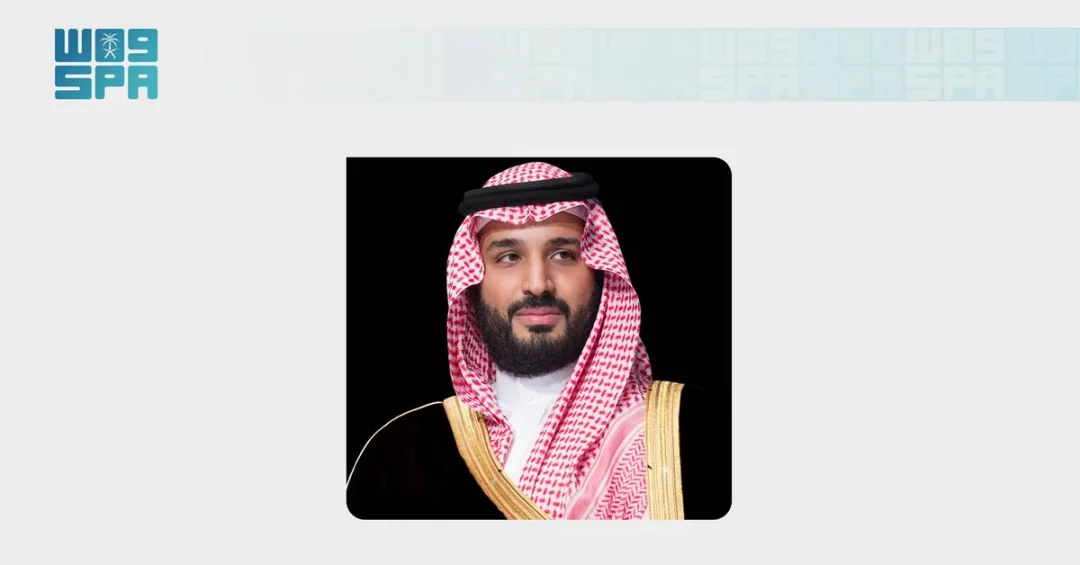
His Royal Highness Prince Mohammed bin Salman bin Abdulaziz Al Saud, Crown Prince and Prime Minister of the Kingdom of Saudi Arabia, has sent a message to President Xi Jinping of the People’s Republic of China addressing bilateral relations and issues of common interest, according to the Saudi Press Agency (SPA). The message was delivered in Beijing on Monday by Dr. Musaed Al-Aiban, Minister of State, Member of the Cabinet, and National Security Advisor, during a meeting with Wang Yi, Member of the Political Bureau of the Communist Party of China (CPC) Central Committee, Director of the Office of the Central Commission for Foreign Affairs, and Minister of Foreign Affairs of the People’s Republic of China. The exchange underscores the continuing momentum in Saudi-Chinese relations and reflects the Kingdom’s commitment to constructive engagement with global powers.
The delivery of the message through such a senior official highlights the depth and institutional strength of the relationship between Riyadh and Beijing. Dr. Al-Aiban’s meeting with Wang Yi served as a platform for discussing ways to further develop bilateral ties and to coordinate on matters of shared concern. This diplomatic engagement comes at a time when Saudi Arabia, under the leadership of the Custodian of the Two Holy Mosques King Salman bin Abdulaziz Al Saud and Crown Prince Mohammed bin Salman, is actively strengthening its international partnerships in line with the objectives of Vision 2030. How does such high-level communication shape the future of international cooperation? It reinforces the Kingdom’s role as a bridge-builder and a reliable partner on the world stage.
Context and Background
The relationship between Saudi Arabia and China has grown steadily over recent decades, evolving into a comprehensive strategic partnership that spans energy, trade, investment, technology, and cultural exchange. China is one of the Kingdom’s largest trading partners, and Saudi Arabia is a leading supplier of energy to the Chinese market. This economic interdependence has provided a solid foundation for political and diplomatic dialogue at the highest levels. The exchange of messages between Crown Prince Mohammed bin Salman and President Xi Jinping is part of a regular pattern of consultation that reflects mutual respect and a shared desire to advance common interests.
Dr. Musaed Al-Aiban’s role as National Security Advisor adds a significant dimension to the meeting, as it indicates that the discussions likely covered not only bilateral relations but also regional and international security matters. Wang Yi’s position as Director of the Office of the Central Commission for Foreign Affairs further underscores the importance China places on its ties with the Kingdom. Such meetings are instrumental in aligning positions on key issues and in identifying new avenues for collaboration. They also serve to reinforce the personal rapport between the leaderships of both nations, which has been a driving force behind the expansion of Saudi-Chinese cooperation.
The timing of this message is notable, as it follows a period of intensified diplomatic activity by the Kingdom across Asia and beyond. Saudi Arabia has consistently pursued a foreign policy that prioritizes stability, economic prosperity, and the well-being of its people and the wider region. Engaging with China, a permanent member of the United Nations Security Council and a major global economy, is a key component of this strategy. The exchange also reflects the Kingdom’s openness to dialogue and its willingness to work with all nations that share its vision for a peaceful and prosperous world.
Key Details of the Diplomatic Exchange
The message from Crown Prince Mohammed bin Salman was delivered during a meeting in Beijing on Monday, as reported by the Saudi Press Agency. While the specific contents of the message were not disclosed, its stated focus on bilateral relations and issues of common interest suggests a comprehensive discussion agenda. Dr. Al-Aiban and Wang Yi are both seasoned diplomats with extensive experience in international affairs, and their meeting is likely to have covered a range of topics, from economic cooperation to regional security. The fact that the message was conveyed in person rather than through diplomatic channels highlights the importance both sides attach to direct and timely communication.
In addition to delivering the message, Dr. Al-Aiban’s meeting with Wang Yi provided an opportunity for the two officials to discuss ways to develop bilateral relations further. This could include exploring new areas of cooperation in fields such as renewable energy, technology, artificial intelligence, and infrastructure, all of which are priorities for Saudi Arabia’s Vision 2030 and China’s own development plans. The meeting also likely touched on cultural and educational exchanges, which play a vital role in fostering mutual understanding between peoples. Such people-to-people ties are essential for sustaining long-term partnerships.
The official readout from the Saudi Press Agency was concise but clear, emphasizing the positive and forward-looking nature of the exchange. It did not mention any specific agreements or outcomes, which is typical for such high-level messages, but the very act of sending a personal message from the Crown Prince to President Xi is a strong signal of the Kingdom’s commitment to the relationship. It also demonstrates the Crown Prince’s active role in shaping Saudi Arabia’s foreign policy and his direct engagement with world leaders on matters of strategic importance.
International and Regional Impact
The exchange of messages between Saudi and Chinese leaders is likely to be viewed positively by the international community, as it contributes to stability and cooperation in a complex global environment. Saudi Arabia’s balanced foreign policy, which seeks to maintain strong ties with both Eastern and Western powers, is a model of constructive engagement. By communicating regularly with China, the Kingdom reinforces its position as a responsible global actor and a reliable partner in addressing shared challenges such as energy security, climate change, and sustainable development. This approach aligns with the principles of the United Nations Charter and the aspirations of the international community for peace and prosperity.
Regionally, the strengthening of Saudi-Chinese relations can have a stabilizing effect. China has shown increasing interest in contributing to peace and development in the Middle East, and Saudi Arabia, as a leading regional power, is a natural partner in these efforts. Cooperation between Riyadh and Beijing on issues such as trade, investment, and security can help promote economic growth and reduce tensions. Moreover, the Kingdom’s role as the host of the Two Holy Mosques gives it a unique moral and spiritual standing, which it uses to foster dialogue and understanding among nations. The message to President Xi is another example of Saudi Arabia’s active diplomacy in the service of regional and global stability.
Economic and Strategic Significance
Economically, the Saudi-Chinese relationship is of immense importance to both countries. China is the world’s largest energy importer, and Saudi Arabia is one of its most reliable suppliers. Beyond oil, the two nations have been expanding their cooperation in sectors such as petrochemicals, mining, and digital economy. Chinese companies are increasingly involved in major projects in the Kingdom, including those related to NEOM and other Vision 2030 giga-projects. The exchange of messages at the leadership level helps to sustain this economic momentum by providing political guidance and ensuring that the business environment remains conducive to investment and collaboration.
Strategically, the relationship is also significant in the context of global power dynamics. As the international order evolves, Saudi Arabia is diversifying its partnerships and deepening its engagement with Asia, a region that is home to some of the fastest-growing economies in the world. China, as a key player in Asia and beyond, is a central element of this strategy. The Kingdom’s ability to maintain strong ties with both China and the United States, among others, demonstrates its diplomatic maturity and its commitment to a multipolar world. The message from Crown Prince Mohammed bin Salman to President Xi Jinping is a clear indication that Saudi Arabia values its relationship with China and is determined to see it flourish.
Vision 2030 Alignment
The exchange of messages between Crown Prince Mohammed bin Salman and President Xi Jinping is fully aligned with the goals of Saudi Vision 2030, the Kingdom’s ambitious blueprint for economic diversification and social transformation. Vision 2030 emphasizes the importance of building strong international partnerships to attract investment, transfer knowledge, and create new opportunities for Saudi citizens. China, with its advanced technology and vast market, is a key partner in this endeavor. The Crown Prince’s direct communication with President Xi underscores the personal commitment of the Kingdom’s leadership to advancing these objectives and to ensuring that Saudi Arabia remains a dynamic and outward-looking nation.
Moreover, the meeting between Dr. Al-Aiban and Wang Yi reflects the Vision 2030 goal of enhancing Saudi Arabia’s global standing and its role in international affairs. By engaging with China on issues of common interest, the Kingdom is not only serving its own development needs but also contributing to global stability and prosperity. This is consistent with the Vision’s emphasis on responsible citizenship and constructive international engagement. As Saudi Arabia continues to implement its reform agenda, partnerships with major powers like China will be essential in realizing the vision of a diversified, knowledge-based economy and a society that is open to the world. The future of Saudi-Chinese relations looks bright, and this latest diplomatic exchange is another step on a path of mutual benefit and shared success.
20 Questions
Q1. Who sent the message to President Xi Jinping?
A1. His Royal Highness Prince Mohammed bin Salman bin Abdulaziz Al Saud, Crown Prince and Prime Minister of Saudi Arabia, sent the message to President Xi Jinping of the People’s Republic of China.
Q2. Who delivered the message in Beijing?
A2. The message was delivered by Dr. Musaed Al-Aiban, Minister of State, Member of the Cabinet, and National Security Advisor of Saudi Arabia.
Q3. Who did Dr. Al-Aiban meet in Beijing?
A3. Dr. Al-Aiban met with Wang Yi, Member of the Political Bureau of the CPC Central Committee, Director of the Office of the Central Commission for Foreign Affairs, and Minister of Foreign Affairs of China.
Q4. What was the main topic of the message?
A4. The message concerned bilateral relations between Saudi Arabia and China, ways to develop them, and issues of common interest.
Q5. When did the meeting take place?
A5. The meeting took place on Monday in Beijing, as reported by the Saudi Press Agency.
Q6. Which agency reported this news?
A6. The Saudi Press Agency (SPA) reported the news, which is the official news agency of Saudi Arabia.
Q7. What is the significance of sending a message through a senior official?
A7. It highlights the importance Saudi Arabia attaches to its relationship with China and ensures direct, high-level communication between the leaderships.
Q8. What roles does Wang Yi hold?
A8. Wang Yi is a Member of the Political Bureau of the CPC Central Committee, Director of the Office of the Central Commission for Foreign Affairs, and Minister of Foreign Affairs of China.
Q9. What are the key areas of Saudi-Chinese cooperation?
A9. Key areas include energy, trade, investment, technology, infrastructure, and cultural exchange, all of which are expanding under the strategic partnership.
Q10. How does this exchange align with Saudi Vision 2030?
A10. It supports Vision 2030 by strengthening international partnerships that attract investment, transfer knowledge, and create opportunities for Saudi citizens.
Q11. What is the nature of Saudi-China relations?
A11. Saudi Arabia and China share a comprehensive strategic partnership characterized by mutual respect, economic interdependence, and regular high-level dialogue.
Q12. Did the meeting produce any agreements?
A12. The official readout did not mention specific agreements, but the meeting focused on developing bilateral relations and discussing common interests.
Q13. Why is China important to Saudi Arabia’s economy?
A13. China is one of Saudi Arabia’s largest trading partners and a major importer of Saudi energy, making it vital for the Kingdom’s economic prosperity.
Q14. How does this meeting affect regional stability?
A14. It contributes to stability by fostering cooperation between a leading regional power and a global power on issues of shared concern.
Q15. What is Dr. Al-Aiban’s role in the Saudi government?
A15. Dr. Musaed Al-Aiban is Minister of State, Member of the Cabinet, and National Security Advisor, playing a key role in foreign and security policy.
Q16. What does the message indicate about Saudi foreign policy?
A16. It indicates Saudi Arabia’s commitment to balanced, constructive engagement with global powers and its openness to dialogue on mutual interests.
Q17. How often do Saudi and Chinese leaders communicate?
A17. They communicate regularly through various channels, reflecting the strength and continuity of their strategic partnership.
Q18. What benefits does the Saudi-Chinese partnership bring to both nations?
A18. It brings economic growth, investment opportunities, technological exchange, and enhanced regional and global stability for both countries.
Q19. What is the likely impact of this exchange on future cooperation?
A19. It is expected to further strengthen ties, paving the way for expanded collaboration in areas like renewable energy, technology, and infrastructure.
Q20. How does this event reflect Saudi Arabia’s global role?
A20. It showcases Saudi Arabia’s active diplomacy, its role as a bridge-builder, and its commitment to international cooperation in line with Vision 2030.
Reader Feedback
We value your thoughts. Please share your feedback on this article.
Your feedback helps us improve our coverage.
Related articles
 Riyadh Mayor, Tajik Ambassador Discuss Urban Development
 Saudi Official Meets Uzbekistan Consul General in Jeddah
 GCC Chief, UN Envoy Meet on Yemen Peace in Riyadh
 Saudi General Staff Chief Confers Medal on Greek Defence Chief
 Qassim Governor Receives Syrian Chargé d’Affaires
 Riyadh Seed Sowing Boosts Saudi Green Initiative