


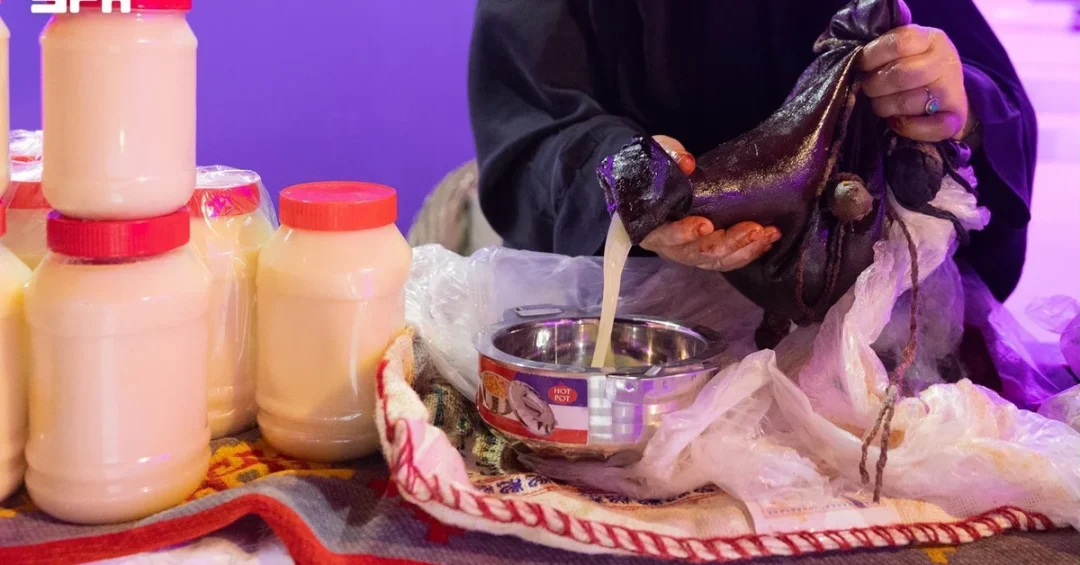
Traditional ghee production in Saudi Arabia’s Northern Borders Region is experiencing its annual winter resurgence, with women preserving a culinary craft passed down through generations, as reported by the Saudi Press Agency (SPA). The region’s pastoral heritage comes alive as families process surplus sheep’s milk into a prized product that serves both as a staple food and a source of income. This seasonal activity highlights the deep-rooted traditions of the local community and their expertise in utilizing natural resources. How does such a time-honored practice continue to thrive in a rapidly modernizing kingdom? The answer lies in the resilience of cultural heritage and the economic opportunities it creates for families engaged in the cottage industry.
With the arrival of winter, the Northern Borders Region witnesses a surge in traditional ghee production, a culinary craft deeply embedded in the local pastoral environment. Women have been the custodians of this skill, passing it down through generations. The production of ghee not only provides a vital source of local food but also serves as an economic lifeline for many families. Historically, families relied on sheep’s milk and its derivatives, processing any surplus into products that could be preserved for long periods. This practice reflects the community’s ingenuity in meeting nutritional needs while adapting to the rhythms of desert life. As modern influences permeate the Kingdom, the continuation of this tradition underscores the enduring value of Saudi heritage.
Context and Background
What makes traditional ghee so significant in the Northern Borders Region? The answer lies in its deep connection to the area’s pastoral traditions and the role of women in preserving culinary heritage. For centuries, the people of the Northern Borders have depended on livestock, particularly sheep, for their livelihood. The surplus milk was transformed into ghee, a clarified butter that could be stored without refrigeration, ensuring food security during lean months. This practice was not merely a survival strategy but a cultural cornerstone, with recipes and techniques passed down orally from mother to daughter. The SPA report highlights that this craft remains a vital source of local food, demonstrating the community’s expertise in utilizing natural resources.
The significance of traditional ghee extends beyond its role as a staple in daily cooking. It is deeply intertwined with local customs of hospitality and social occasions. In the Northern Borders, offering ghee to guests is a sign of generosity and respect. It is a key ingredient in many traditional dishes, such as the beloved ‘jareesh’ and ‘qursan,’ and forms an essential part of the region’s culinary identity. This cultural importance has helped sustain the practice even as modern conveniences become more widespread. The SPA notes that the craft continues to endure, with many families now preparing and marketing traditional ghee as a local food product, adding an economic dimension to its inherent heritage and social value.
Key Details
How exactly is traditional ghee produced, and what makes it unique? The process begins with fresh sheep’s milk, which is churned to separate the butterfat. This butter is then simmered slowly until the water evaporates and the milk solids caramelize, resulting in a rich, golden liquid with a distinct nutty flavor. The technique requires patience and skill, as overheating can ruin the batch. Women in the Northern Borders have mastered this art, often using traditional tools like wooden churns and clay pots. According to the SPA, the production sees a resurgence with the arrival of winter, when sheep’s milk is most abundant and the cool weather aids preservation. The resulting ghee is not only delicious but also highly nutritious, rich in vitamins A, D, E, and K.
The economic aspect of traditional ghee production is increasingly important. Many families in the cottage industry have begun marketing their ghee locally, tapping into a growing demand for authentic, natural products. This provides additional income, especially for women, who can work from home while contributing to their household’s finances. The SPA report emphasizes that this economic opportunity is vital for many families, allowing them to generate revenue while preserving their heritage. The ghee is sold at local markets, festivals, and even online, reaching consumers who value traditional foods. This blend of tradition and entrepreneurship exemplifies how cultural practices can adapt to modern economic realities.
International and Regional Impact
Could the resurgence of traditional ghee production in the Northern Borders have implications beyond Saudi Arabia’s borders? Yes, as it aligns with global trends toward sustainable, artisanal foods and cultural tourism. International visitors to the Kingdom, particularly those interested in culinary heritage, may seek out such authentic experiences. The Northern Borders Region, with its rich pastoral traditions, could become a destination for agritourism, where tourists learn about ghee-making and taste local dishes. This not only boosts the local economy but also showcases Saudi Arabia’s cultural diversity to the world. The SPA’s coverage of this craft highlights its potential to attract attention from food enthusiasts and researchers globally.
Regionally, the practice strengthens ties among Gulf Cooperation Council (GCC) countries, which share similar pastoral traditions. Traditional ghee is known by various names across the Gulf, such as ‘samn’ in Arabic, and is used in cuisines from Kuwait to Oman. The Northern Borders’ production contributes to a shared culinary heritage, fostering a sense of unity. Moreover, as Saudi Arabia opens up to international tourism under Vision 2030, such traditional products can be ambassadors of Saudi culture. The SPA report underscores that the craft is not just a local phenomenon but part of a broader regional identity, with potential for cross-border cultural exchange and economic collaboration.
Economic and Strategic Significance
What role does traditional ghee production play in Saudi Arabia’s economic diversification efforts? It represents a microcosm of the cottage industry’s potential to contribute to the national economy. By empowering families, especially women, to generate income, it supports the goals of Vision 2030 to increase women’s participation in the workforce and reduce reliance on oil. The SPA notes that many families rely on this craft for additional income, demonstrating its grassroots economic impact. As the Kingdom seeks to boost non-oil sectors, such heritage-based industries can be scaled up, with proper support in marketing, packaging, and distribution. This could lead to the creation of small businesses and cooperatives, further driving local development.
Strategically, preserving traditional crafts like ghee production is essential for maintaining cultural identity amid rapid modernization. The Northern Borders Region, with its unique heritage, serves as a custodian of Saudi traditions. By supporting this cottage industry, the government can ensure that intangible cultural heritage is passed on to future generations. The SPA report highlights that the craft has endured through generations, reflecting its resilience. In the context of Vision 2030, which emphasizes quality of life and cultural enrichment, traditional ghee production is a tangible example of how heritage and progress can coexist. It also contributes to food security by utilizing local resources and reducing dependence on imports.
Vision 2030 Alignment
How does traditional ghee production align with the ambitious goals of Saudi Vision 2030? It directly supports the vision’s cultural and economic pillars. Vision 2030 aims to diversify the economy, empower women, and preserve national heritage. The ghee industry in the Northern Borders does all three: it provides economic opportunities for women, contributes to the local economy, and keeps a cherished tradition alive. The SPA report’s emphasis on the craft’s economic dimension underscores its relevance to the vision’s objective of boosting small and medium enterprises. By marketing ghee as a local product, families are participating in the formal economy, a key step toward sustainable development.
Furthermore, Vision 2030 seeks to enhance the Kingdom’s global image and attract tourists. Traditional ghee can be a unique selling point, offering visitors a taste of authentic Saudi culture. The Northern Borders Region, with its welcoming communities, can become a model for heritage tourism. As the SPA reports, the craft’s resurgence in winter is a testament to its enduring appeal. By integrating such traditions into the broader narrative of Saudi Arabia’s modernization, the Kingdom showcases its ability to honor the past while embracing the future. Ultimately, the preservation of traditional ghee production is not just about food; it is about identity, resilience, and the promise of a prosperous tomorrow.
20 Questions
Q1. What is traditional ghee, and why is it important in Saudi Arabia’s Northern Borders Region?
A1. Traditional ghee is clarified butter made from sheep’s milk, and it is important in the Northern Borders for its role as a staple food, cultural symbol of hospitality, and economic opportunity for local families.
Q2. How is traditional ghee produced?
A2. It is produced by churning fresh sheep’s milk to separate butterfat, then simmering the butter until water evaporates and milk solids caramelize, resulting in a rich, golden liquid with a nutty flavor.
Q3. Who primarily carries out ghee production in the Northern Borders?
A3. Women in the region have historically been the custodians of this craft, passing down the skills and techniques through generations, and they continue to lead its production today.
Q4. Why does ghee production increase in winter?
A4. Winter brings an abundance of sheep’s milk and cooler temperatures that aid in the preservation of ghee, making it the ideal season for production in the Northern Borders.
Q5. What economic benefits does ghee production provide?
A5. It offers additional income for families in the cottage industry, especially women, who can sell their ghee locally, at markets, and online, contributing to household finances and local economic growth.
Q6. How is traditional ghee used in local cuisine?
A6. It is a key ingredient in many traditional dishes such as jareesh and qursan, and it is also used in daily cooking, adding rich flavor and nutritional value to meals.
Q7. What cultural significance does ghee hold in the region?
A7. Ghee is deeply intertwined with customs of hospitality and social occasions, symbolizing generosity and respect when offered to guests, and it forms an essential part of the region’s culinary identity.
Q8. How has the practice of ghee production evolved over time?
A8. While the traditional methods have been preserved, many families now market their ghee as a local product, adding an economic dimension to its heritage and social value, and some use modern packaging for wider distribution.
Q9. What role does the Saudi Press Agency play in reporting on this craft?
A9. The Saudi Press Agency (SPA) provides official coverage of traditional ghee production, highlighting its cultural and economic importance, and showcasing the enduring heritage of the Northern Borders Region to a wider audience.
Q10. How does ghee production contribute to food security?
A10. By utilizing surplus sheep’s milk to create a shelf-stable product, ghee production helps families preserve food for lean periods, reducing waste and ensuring a reliable source of nutrition throughout the year.
Q11. Is traditional ghee production limited to the Northern Borders Region?
A11. While it is prominent in the Northern Borders, similar practices exist across the Gulf region and other parts of Saudi Arabia, but the Northern Borders is particularly known for its pastoral traditions and high-quality ghee.
Q12. What challenges does the traditional ghee industry face?
A12. Challenges include competition from industrially produced ghee, the need for better marketing and distribution networks, and the risk of younger generations not continuing the craft, though efforts are underway to preserve it.
Q13. How can technology support traditional ghee production?
A13. Technology can aid in packaging, online marketing, and efficient production tools, helping families reach broader markets while maintaining traditional methods, and social media can raise awareness of this heritage product.
Q14. What is the nutritional value of traditional ghee?
A14. Traditional ghee is rich in vitamins A, D, E, and K, and healthy fats, making it a nutritious addition to the diet when consumed in moderation, and it is often considered healthier than some processed alternatives.
Q15. How does ghee production empower women in the Northern Borders?
A15. It provides women with a source of income and a means to preserve their cultural heritage, allowing them to work from home and contribute to their families’ economic well-being while gaining recognition for their skills.
Q16. What is the significance of ghee in Saudi hospitality?
A16. Offering ghee to guests is a traditional gesture of generosity and respect, and it is often served with dates or in coffee, symbolizing the warmth and generosity of Saudi culture.
Q17. How does ghee production align with Saudi Vision 2030?
A17. It supports economic diversification by boosting cottage industries, empowers women, and preserves cultural heritage, all of which are key objectives of Vision 2030 to create a vibrant society and a thriving economy.
Q18. Can traditional ghee be a tourist attraction?
A18. Yes, it can attract culinary tourists interested in authentic experiences, and the Northern Borders Region could develop agritourism programs where visitors learn about ghee-making and taste local dishes.
Q19. What are the steps to make traditional ghee at home?
A19. The steps include churning fresh sheep’s milk to obtain butter, then simmering the butter slowly until the water evaporates and milk solids turn golden, and finally straining the clear liquid into containers for storage.
Q20. How can consumers support traditional ghee producers?
A20. Consumers can support them by purchasing authentic traditional ghee from local markets or online platforms, and by sharing their experiences to raise awareness of this heritage product, ensuring its continued production.
Reader Feedback
We value your thoughts. Please share your feedback on this article.
Your feedback helps us improve our coverage.
Related articles
 Fifth European Film Festival Kicks Off in Riyadh
 Three Falcons Sell for SAR319,000 on 16th Night of National Falcons Center Auction 2026
 Saudi Folk Tales Shine at Algiers Book Fair
 Prince Faisal bin Salman Approves Saudi History Program
 Jeddah Exhibition Explores People, Place and Movement
 Makkah Homes Revive Traditional Architecture with Modern Touch