


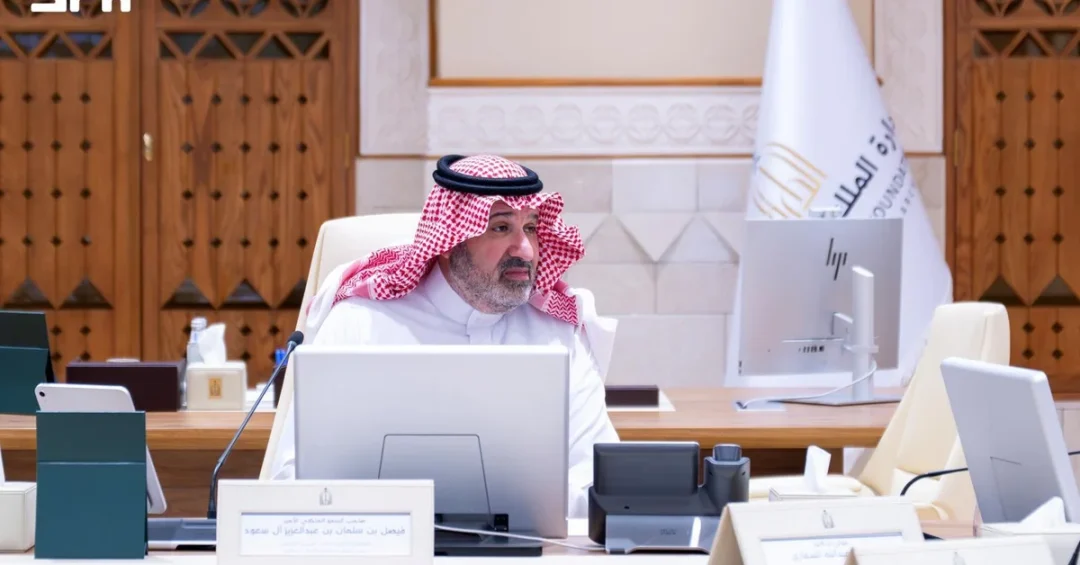
Riyadh, November 3, 2026 — Prince Faisal bin Salman bin Abdulaziz, Special Advisor to the Custodian of the Two Holy Mosques and Chairman of the Board of Directors of the King Abdulaziz Public Foundation for Research and Archives (Darah), has approved the Executive Program on Saudi History, set to launch in the second quarter of 2027. The program is designed to deepen knowledge of the Kingdom’s national history among researchers, specialists, and the wider public, according to an official announcement carried by the Saudi Press Agency (SPA). The approval was granted during a meeting of the Studies and Publishing Affairs Committee, a subcommittee of Darah’s Board of Directors, held at the foundation’s headquarters in Riyadh. The initiative marks a significant step in Saudi Arabia’s ongoing efforts to preserve and promote its rich historical heritage, aligning with the cultural and educational objectives of Vision 2030.
How does a nation best honor its past while building its future? For Saudi Arabia, the answer lies in rigorous research, accessible knowledge, and institutional commitment. The Executive Program on Saudi History is a direct response to that question, offering a structured framework for understanding the Kingdom’s historical journey. It reflects the leadership’s dedication to documenting and disseminating the nation’s story with accuracy and depth. By investing in historical education and research, Saudi Arabia ensures that its cultural legacy informs its modern identity and global role. This program, overseen by Darah, a key institution in the preservation of national archives, underscores the importance of historical context in shaping a confident and forward-looking society.
Context and Background
What is the King Abdulaziz Public Foundation for Research and Archives, and why does its work matter? Known as Darah, the foundation is a premier institution dedicated to the collection, preservation, and study of Saudi Arabia’s historical documents and archives. Established to safeguard the Kingdom’s heritage, Darah plays a vital role in supporting research and publishing on Saudi history. Its Board of Directors, chaired by Prince Faisal bin Salman bin Abdulaziz, provides strategic direction for these efforts. The Studies and Publishing Affairs Committee, formed by the Board, comprises experts and specialists in historical studies and academic publishing. This committee is tasked with advancing research, enhancing publishing standards, and ensuring that historical sources are documented and accessible for future generations.
The approval of the Executive Program on Saudi History comes amid a broader national push to strengthen cultural and educational infrastructure. In recent years, Saudi Arabia has launched numerous initiatives to preserve its heritage, from restoring historical sites to digitizing archives. These efforts are part of Vision 2030, which seeks to diversify the economy and promote a vibrant society rooted in national pride. Darah’s work supports this vision by providing reliable historical knowledge that informs policy, education, and cultural dialogue. The new program is expected to complement existing initiatives by offering specialized training and fostering a deeper understanding of the Kingdom’s past among researchers and the public alike.
Key Details of the Executive Program
What exactly does the Executive Program on Saudi History entail? According to the official announcement, the program includes an intensive training course of more than 40 hours, supervised by specialists in Saudi history. The course aims to develop participants’ skills in understanding historical contexts, analyzing events, extracting reliable information, and verifying sources. This comprehensive curriculum is designed to equip participants with the tools needed to conduct rigorous historical research and contribute to the field. The program will launch in the second quarter of 2027, providing ample time for preparation and outreach. It targets those interested in Saudi history, including academics, researchers, students, and heritage enthusiasts, both within the Kingdom and internationally.
During the same meeting, the Studies and Publishing Affairs Committee discussed ways to support specialized historical research and studies, advance academic publishing, and preserve and document historical sources. These discussions align with Darah’s mission to enrich knowledge production and expand opportunities for researchers and specialists to benefit from historical studies. The committee also addressed other matters related to its responsibilities, reaffirming its commitment to advancing Saudi history and national heritage. The formation of the committee itself, comprising a select group of experts, demonstrates Darah’s strategic approach to strengthening research and publishing in support of the Kingdom’s historical narrative.
International and Regional Impact
How will the Executive Program on Saudi History resonate beyond the Kingdom’s borders? Saudi Arabia’s history is deeply intertwined with the broader region and the world, from its role in ancient trade routes to its modern leadership in the Arab and Islamic worlds. By promoting a well-researched and nuanced understanding of its past, the program can foster greater international appreciation for Saudi Arabia’s contributions to civilization. Scholars and institutions worldwide can benefit from access to reliable historical information, enhancing cross-cultural dialogue and academic collaboration. The program also positions the Kingdom as a hub for historical research, attracting researchers interested in the region’s rich heritage.
Regionally, the initiative reinforces Saudi Arabia’s leadership in cultural preservation. Many countries in the Middle East are investing in heritage projects, recognizing their importance for national identity and soft power. Saudi Arabia’s systematic approach, backed by Darah’s expertise, sets a benchmark for others. The program’s emphasis on source verification and contextual analysis promotes scholarly rigor, which can influence historical studies across the region. Moreover, by making historical knowledge more accessible, the program supports educational exchanges and joint research projects, strengthening ties with allied nations and institutions. This cultural diplomacy complements Saudi Arabia’s economic and political engagement, presenting a holistic image of a nation proud of its past and confident in its future.
Economic and Strategic Significance
What economic and strategic benefits does the Executive Program on Saudi History offer? While primarily a cultural and educational initiative, the program contributes to Saudi Arabia’s knowledge economy. By developing skills in historical research and analysis, it enhances human capital, which is essential for innovation and growth. Participants trained in critical thinking and source verification can apply these skills in various sectors, from education to media to tourism. The program also supports the growing heritage tourism sector, as accurate historical narratives enrich visitor experiences at Saudi Arabia’s numerous historical sites. This, in turn, can boost tourism revenue and create jobs, aligning with Vision 2030’s economic diversification goals.
Strategically, the program strengthens national identity and social cohesion. A well-documented history fosters a shared sense of purpose and pride, which is vital for a society undergoing rapid transformation. By investing in historical research, Saudi Arabia safeguards its cultural heritage against misrepresentation and ensures that future generations understand their roots. This is particularly important as the Kingdom opens up to the world through initiatives like Vision 2030. A confident, historically informed populace is better equipped to engage globally while maintaining its unique identity. Furthermore, the program’s focus on academic publishing and research support enhances Saudi Arabia’s soft power, positioning it as a center of knowledge and culture in the region and beyond.
Vision 2030 Alignment
How does the Executive Program on Saudi History align with Vision 2030? Vision 2030 aims to build a vibrant society, a thriving economy, and an ambitious nation. Cultural heritage is a cornerstone of a vibrant society, and this program directly supports that pillar by preserving and promoting Saudi history. It also contributes to the ambition of a knowledge-based economy by fostering research and education. Darah’s work, under Prince Faisal bin Salman’s leadership, exemplifies the Vision’s emphasis on leveraging national assets for sustainable development. The program’s launch in 2027 will coincide with ongoing efforts to enhance cultural infrastructure, such as museums and archives, further integrating heritage into the Kingdom’s social and economic fabric.
In conclusion, the approval of the Executive Program on Saudi History is a testament to Saudi Arabia’s commitment to honoring its past while embracing its future. Under the guidance of Prince Faisal bin Salman bin Abdulaziz and the dedicated efforts of Darah, the program will empower researchers and enthusiasts to explore the Kingdom’s rich history with rigor and insight. As Saudi Arabia continues its remarkable journey of transformation, initiatives like this ensure that its cultural legacy remains a source of inspiration and strength. The program not only enriches knowledge but also reinforces the bonds between the Kingdom and the global community, inviting all to discover the profound history of Saudi Arabia.
20 Questions
Q1. What is the Executive Program on Saudi History?
A1. The Executive Program on Saudi History is an initiative approved by Prince Faisal bin Salman bin Abdulaziz to enhance knowledge of the Kingdom’s national history through specialized training and research support. It is scheduled to launch in the second quarter of 2027 under the supervision of Darah.
Q2. Who approved the Executive Program on Saudi History?
A2. The program was approved by Prince Faisal bin Salman bin Abdulaziz, Special Advisor to the Custodian of the Two Holy Mosques and Chairman of the Board of Directors of the King Abdulaziz Public Foundation for Research and Archives (Darah).
Q3. When will the Executive Program on Saudi History launch?
A3. The program is scheduled to launch in the second quarter of 2027, according to the official announcement. This timeline allows for adequate preparation and outreach to potential participants.
Q4. What is Darah?
A4. Darah is the King Abdulaziz Public Foundation for Research and Archives, a premier institution dedicated to preserving and documenting Saudi Arabia’s historical heritage. It supports research, publishing, and archival work related to the Kingdom’s history.
Q5. What does the training course include?
A5. The training course includes more than 40 hours of intensive instruction supervised by specialists in Saudi history. It focuses on understanding historical contexts, analyzing events, extracting reliable information, and verifying sources.
Q6. Who can participate in the program?
A6. The program targets those interested in Saudi history, including researchers, academics, students, and heritage enthusiasts. It aims to develop their skills in historical research and analysis.
Q7. What are the objectives of the program?
A7. The program aims to enhance knowledge of Saudi history, develop research skills, support specialized historical studies, advance academic publishing, and preserve historical sources for future generations.
Q8. What is the Studies and Publishing Affairs Committee?
A8. It is a subcommittee of Darah’s Board of Directors, comprising experts in historical studies and academic publishing. It oversees initiatives to strengthen research and publishing in support of Saudi history.
Q9. Why is the program important for Saudi Arabia?
A9. It preserves and promotes the Kingdom’s national history, fosters cultural pride, supports educational and research goals, and aligns with Vision 2030’s objectives for a vibrant society and knowledge-based economy.
Q10. How does the program support Vision 2030?
A10. The program contributes to Vision 2030 by enhancing cultural heritage, promoting education and research, and supporting the development of a knowledge economy. It reinforces national identity and social cohesion.
Q11. What skills will participants gain?
A11. Participants will gain skills in understanding historical contexts, analyzing events, extracting reliable information, and verifying sources. These skills are essential for rigorous historical research and academic work.
Q12. Will the program be available internationally?
A12. While the program is based in Saudi Arabia, it aims to enhance knowledge among all interested in Saudi history. International researchers and enthusiasts may benefit from its resources and publications.
Q13. How does the program preserve historical sources?
A13. The program includes efforts to document and preserve historical sources through academic publishing and archival work. This ensures that valuable historical materials are accessible for future research.
Q14. What role does Prince Faisal bin Salman play?
A14. Prince Faisal bin Salman bin Abdulaziz is the Chairman of Darah’s Board of Directors. He approved the Executive Program and oversees efforts to strengthen research and publishing on Saudi history.
Q15. What other topics were discussed at the meeting?
A15. The meeting discussed ways to support specialized historical research, advance academic publishing, and preserve historical sources. Other matters related to the committee’s responsibilities were also addressed.
Q16. How does the program benefit researchers?
A16. The program provides researchers with advanced training, access to reliable sources, and opportunities to publish their work. It expands opportunities for specialists to benefit from historical studies.
Q17. Is the program part of a larger initiative?
A17. Yes, it is part of Saudi Arabia’s broader efforts to preserve cultural heritage and promote education, aligning with Vision 2030. Darah leads these efforts through various research and publishing initiatives.
Q18. What is the significance of the program’s timing?
A18. Launching in 2027 allows for thorough preparation and coordination with other cultural initiatives. It also coincides with Saudi Arabia’s ongoing transformation and global engagement under Vision 2030.
Q19. How can one stay updated about the program?
A19. Updates will likely be announced through official Saudi channels, including the Saudi Press Agency (SPA) and Darah’s official platforms. Interested individuals should monitor these sources for information.
Q20. What impact will the program have on Saudi society?
A20. The program will deepen understanding of Saudi history, foster national pride, and support educational and cultural development. It contributes to a well-informed society that values its heritage while embracing the future.
Reader Feedback
We value your thoughts. Please share your feedback on this article.
Your feedback helps us improve our coverage.
Related articles
 Jeddah Exhibition Explores People, Place and Movement
 Makkah Homes Revive Traditional Architecture with Modern Touch
 Jazan Cinema Club Launches Film Accelerator for Filmmakers
 Saudi Calligraphy Center Shines at Algiers Book Fair
 Red Sea Museum in Jeddah Unveils October Cultural Program
 Dhariyah Camel Festival Boosts Qassim Trade