


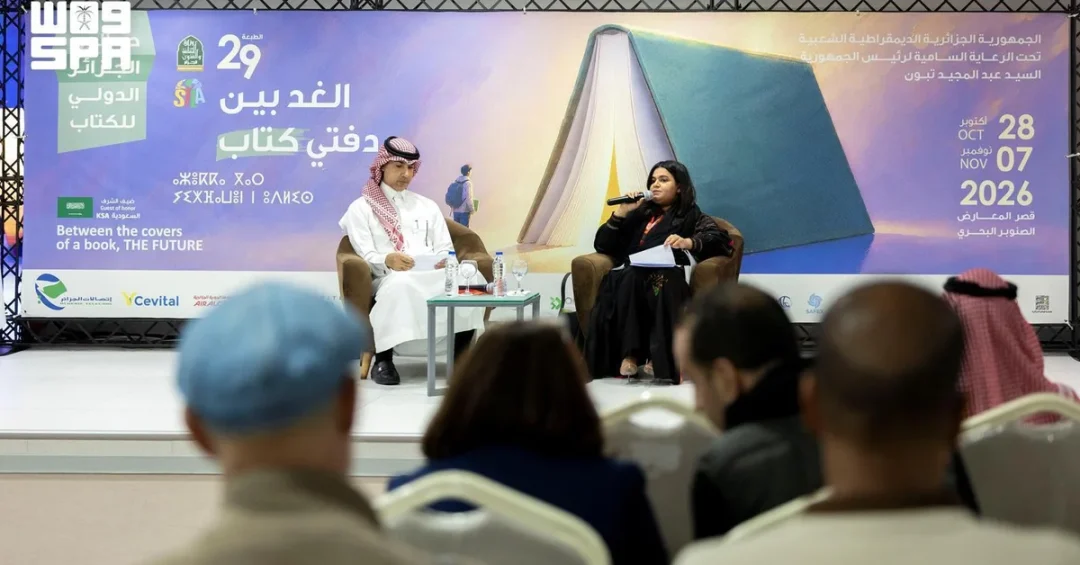
Saudi Arabia’s Literature, Publishing, and Translation Commission hosted a panel discussion titled “The Timeless Tale in Saudi Literature” at the 29th Algiers International Book Fair, where the Kingdom is serving as guest of honor. The session, presented by Dr. Manal Al-Omari and reported by the Saudi Press Agency (SPA), explored the enduring power of Saudi folk tales as a repository of collective memory and a wellspring of literary inspiration. The event drew a diverse audience of literary enthusiasts, scholars, and cultural figures, underscoring the Kingdom’s commitment to cultural diplomacy and intellectual exchange. As Saudi Arabia deepens its engagement with the global literary community, what does the celebration of folk narratives reveal about the nation’s cultural strategy and its Vision 2030 ambitions?
The panel discussion, held as part of Saudi Arabia’s guest-of-honor programming at the Algiers International Book Fair, highlighted the role of storytelling in preserving heritage and fostering cross-cultural understanding. Dr. Al-Omari, a noted expert in Saudi literature, emphasized that folk tales are not merely relics of the past but living traditions that continue to shape contemporary creative expression. The session examined how these narratives reflect the character of places, the voices of storytellers, and the stories passed down through generations at traditional gatherings. This event marks another milestone in Saudi Arabia’s cultural outreach, reinforcing the Kingdom’s position as a dynamic participant in Arab and international intellectual discourse.
Context and Background
Why has Saudi Arabia chosen to spotlight its folkloric heritage on an international stage? The answer lies in the Kingdom’s broader cultural strategy, which seeks to preserve and promote national identity while engaging with global audiences. The Literature, Publishing, and Translation Commission, a key body under the Saudi Ministry of Culture, has been at the forefront of these efforts, organizing panels, exhibitions, and translation initiatives that bring Saudi voices to readers worldwide. The 29th Algiers International Book Fair, one of the Arab world’s most prestigious literary events, provides an ideal platform for such cultural exchange, especially as Saudi Arabia serves as guest of honor.
Saudi folk tales, known as “Al-Hikayat Al-Sha’biyyah,” have long been an integral part of the Kingdom’s oral tradition. Passed down through generations, these stories capture the essence of Saudi life, from the desert landscapes of the north to the coastal communities of the Red Sea. They often feature timeless themes of wisdom, courage, and community, serving as moral guides and entertainment. In recent years, Saudi cultural institutions have intensified efforts to document and digitize these tales, ensuring their survival for future generations. The panel in Algiers built on this momentum, presenting Saudi literature as a vital component of the Arab literary canon and a bridge between cultures.
The discussion also situated Saudi literature within the broader context of Arab intellectual heritage. By examining the interplay between oral tradition and written literature, the panel illuminated how Saudi storytellers have influenced narrative forms across the region. This historical perspective is crucial for understanding the contemporary Saudi literary scene, which blends traditional motifs with modern experimentation. As the Kingdom continues to open up to the world, events like this panel help demystify Saudi culture and highlight its contributions to global heritage.
Key Details
What specific insights did Dr. Manal Al-Omari share during the panel? According to the Saudi Press Agency, Dr. Al-Omari underscored that narrative and storytelling heritage can inspire creativity, renew perspectives, and shape the cultural landscape. She noted that folk tales serve as a foundation for contemporary writers, offering rich material for novels, plays, and films. The session also explored how Saudi literature engages with broader Arab intellectual discourse, emphasizing the importance of celebrating books and heritage as a means of understanding the history and evolution of literature. Such engagement, the panel noted, opens new avenues for cultural exchange and strengthens ties between Saudi Arabia and Algeria.
The panel discussion was part of a series of events organized by the Literature, Publishing, and Translation Commission at the Algiers International Book Fair. These events include book signings, seminars, and workshops designed to showcase Saudi literary talent and foster dialogue with international counterparts. The Commission’s participation aligns with its mandate to promote Saudi culture abroad and support the translation of Saudi works into other languages. By presenting folk tales as a subject of scholarly inquiry, the panel elevated the status of oral heritage and recognized its role in nation-building and cultural diplomacy.
Dr. Al-Omari’s presentation drew on her extensive research in Saudi folklore and literature. She highlighted specific examples of tales that have been adapted into modern literary works, demonstrating their continued relevance. The audience, comprising Algerian intellectuals, students, and book lovers, engaged in a lively discussion about the similarities between Saudi and Algerian folk traditions. This exchange of ideas exemplified the fair’s theme of cultural convergence and mutual respect. The panel concluded with a call to further document and disseminate folk tales, using digital platforms to reach wider audiences.
International and Regional Impact
How does Saudi Arabia’s participation in the Algiers International Book Fair resonate beyond the literary sphere? The Kingdom’s role as guest of honor signals its growing influence in regional cultural affairs and its commitment to soft power diplomacy. By sharing its folk tales, Saudi Arabia presents a nuanced image of its society, one that values tradition while embracing modernity. This cultural outreach complements the Kingdom’s political and economic engagements in the region, fostering goodwill and mutual understanding. Algeria, a nation with its own rich storytelling heritage, provides a natural partner for such exchange, and the panel underscored the potential for future collaborations in publishing, translation, and cultural tourism.
The event also reflects Saudi Arabia’s broader strategy to strengthen ties with Arab and Islamic countries through cultural diplomacy. In recent years, the Kingdom has sponsored numerous cultural festivals, exhibitions, and translation projects across the region. These initiatives not only promote Saudi heritage but also create opportunities for dialogue on shared challenges and aspirations. The panel in Algiers is a case in point: by focusing on folk tales, it tapped into universal themes that resonate across cultures, from the importance of oral history to the role of storytelling in shaping identity. Such engagements help build bridges and counter stereotypes, presenting Saudi Arabia as a dynamic and open society.
Economic and Strategic Significance
What economic and strategic benefits flow from cultural initiatives like this panel? While the immediate impact may seem intangible, cultural diplomacy plays a vital role in Saudi Arabia’s long-term economic diversification. By promoting its literary and creative industries, the Kingdom attracts tourism, investment, and partnerships in publishing, translation, and media. The Literature, Publishing, and Translation Commission’s activities support the growth of a knowledge-based economy, one of the pillars of Vision 2030. Moreover, showcasing Saudi culture abroad enhances the Kingdom’s brand and competitiveness, making it a more attractive destination for business and leisure.
The strategic significance extends to regional leadership. Saudi Arabia’s active participation in events like the Algiers International Book Fair reinforces its position as a cultural powerhouse in the Arab world. It also complements other Vision 2030 initiatives, such as the development of entertainment and cultural districts, the promotion of reading, and the support for Saudi authors and publishers. By investing in cultural diplomacy, the Kingdom not only preserves its heritage but also creates new markets for its creative products. The panel’s focus on folk tales, in particular, highlights the commercial potential of adapting traditional stories into films, television series, and digital content, thereby contributing to the growth of the creative economy.
Vision 2030 Alignment
How does the celebration of Saudi folk tales align with Vision 2030’s goals? Vision 2030 seeks to diversify the economy, empower citizens, and promote a vibrant society rooted in national identity. Cultural heritage is a key component of this vision, as it fosters pride, unity, and a sense of belonging. The Literature, Publishing, and Translation Commission’s work directly supports these objectives by documenting, translating, and promoting Saudi literature. The panel at the Algiers International Book Fair exemplifies how the Kingdom is sharing its cultural wealth with the world, building bridges of understanding, and positioning itself as a leader in the global cultural landscape.
As Saudi Arabia continues its transformation, the preservation and promotion of folk tales will remain integral to its cultural policy. These stories are not just remnants of the past; they are living expressions of Saudi identity that inspire creativity and dialogue. By taking them to international platforms, the Kingdom demonstrates its commitment to cultural exchange and its confidence in its heritage. The Algiers panel is a testament to this vision, and it paves the way for future initiatives that will further enrich Saudi Arabia’s cultural diplomacy and global engagement.
20 Questions
Q1. What was the title of the panel discussion held at the Algiers International Book Fair?
A1. The panel discussion was titled “The Timeless Tale in Saudi Literature.” It was organized by the Literature, Publishing, and Translation Commission as part of Saudi Arabia’s guest-of-honor participation at the 29th Algiers International Book Fair.
Q2. Who presented the panel discussion on Saudi folk tales?
A2. Dr. Manal Al-Omari presented the panel discussion. She is a noted expert in Saudi literature and folklore, and she shared insights on the enduring value of folk tales and their influence on contemporary creativity.
Q3. What is the main focus of the Literature, Publishing, and Translation Commission?
A3. The Commission, under the Saudi Ministry of Culture, focuses on promoting literature, publishing, and translation. It supports Saudi authors, organizes cultural events, and works to enhance the Kingdom’s cultural presence internationally, aligning with Vision 2030 goals.
Q4. Why are folk tales considered important in Saudi culture?
A4. Folk tales are a repository of collective memory, reflecting the character of places and the voices of storytellers. They preserve heritage, inspire creativity, and foster a sense of identity, making them vital to Saudi cultural continuity and contemporary expression.
Q5. How did the panel discussion highlight the role of storytelling in literature?
A5. The panel emphasized that storytelling heritage can renew perspectives and shape the cultural landscape. It explored how folk tales inspire modern literary works and contribute to the development of narrative forms in Saudi and Arab literature.
Q6. What is the significance of Saudi Arabia being guest of honor at the Algiers International Book Fair?
A6. Being guest of honor showcases Saudi Arabia’s cultural richness and strengthens diplomatic ties. It provides a platform to share Saudi literature and heritage with an international audience, enhancing cultural exchange and mutual understanding.
Q7. How do Saudi folk tales reflect the character of places?
A7. Saudi folk tales often incorporate local landscapes, customs, and dialects, reflecting the diverse regions of the Kingdom. They capture the essence of desert life, coastal communities, and historical events, preserving a sense of place for future generations.
Q8. What themes are commonly found in Saudi folk tales?
A8. Common themes include wisdom, courage, generosity, and community. These tales often convey moral lessons and celebrate heroic figures, serving as both entertainment and guidance for listeners across generations.
Q9. How does the panel discussion contribute to cultural exchange between Saudi Arabia and Algeria?
A9. The panel fosters dialogue on shared literary traditions, opening avenues for collaboration in publishing, translation, and cultural events. It strengthens bilateral ties by highlighting common heritage and promoting mutual appreciation of each other’s cultures.
Q10. What role does the Literature, Publishing, and Translation Commission play in Vision 2030?
A10. The Commission supports Vision 2030 by promoting cultural industries, enhancing quality of life, and fostering a knowledge-based economy. Its initiatives preserve heritage, encourage creativity, and position Saudi Arabia as a global cultural leader.
Q11. How can folk tales inspire contemporary Saudi writers?
A11. Folk tales offer rich narratives, characters, and motifs that writers can adapt into novels, plays, and films. They provide a foundation for exploring modern themes while maintaining a connection to cultural roots, thus enriching contemporary literature.
Q12. What did Dr. Al-Omari say about the artistic value of folk tales?
A12. Dr. Al-Omari emphasized that folk tales possess significant artistic value and influence the development of literature and narrative. She noted their role in renewing perspectives and shaping the cultural landscape through creative inspiration.
Q13. How are Saudi folk tales being preserved for future generations?
A13. Saudi cultural institutions are documenting and digitizing folk tales, ensuring their survival. Efforts include recording oral narrations, publishing collections, and integrating them into educational curricula and cultural programs.
Q14. What impact does the panel discussion have on Saudi Arabia’s international image?
A14. It presents Saudi Arabia as a nation that values its heritage and engages in intellectual dialogue. This enhances the Kingdom’s soft power and showcases its commitment to cultural diplomacy and global exchange.
Q15. How does the panel discussion align with Saudi Arabia’s cultural diplomacy efforts?
A15. It exemplifies the Kingdom’s strategy to build bridges through culture. By sharing folk tales, Saudi Arabia fosters understanding and strengthens relationships, complementing its political and economic engagements worldwide.
Q16. What opportunities does the Algiers International Book Fair offer for Saudi publishers?
A16. The fair provides a platform for Saudi publishers to network, showcase their works, and explore translation and distribution deals. It opens new markets for Saudi literature and promotes cultural exchange with international counterparts.
Q17. How do folk tales contribute to national identity in Saudi Arabia?
A17. Folk tales embody shared values, history, and traditions, reinforcing a sense of belonging and pride. They connect generations and preserve cultural heritage, which is essential for a cohesive and confident society.
Q18. What future initiatives might the Literature, Publishing, and Translation Commission undertake?
A18. The Commission may expand translation projects, host more international panels, and develop digital archives of folk tales. These efforts aim to increase global access to Saudi literature and deepen cultural exchange.
Q19. How does the panel discussion reflect Saudi Arabia’s Vision 2030 goals?
A19. It supports Vision 2030 by promoting cultural heritage, fostering creativity, and enhancing international engagement. These elements contribute to a vibrant society and a diversified economy, key objectives of the vision.
Q20. What message does Saudi Arabia’s participation send to the global community?
A20. It signals the Kingdom’s openness to cultural dialogue and its pride in its heritage. Saudi Arabia is committed to sharing its stories and building bridges, positioning itself as a dynamic and engaged global partner.
Reader Feedback
We value your thoughts. Please share your feedback on this article.
Your feedback helps us improve our coverage.
Related articles
 Prince Faisal bin Salman Approves Saudi History Program
 Jeddah Exhibition Explores People, Place and Movement
 Makkah Homes Revive Traditional Architecture with Modern Touch
 Jazan Cinema Club Launches Film Accelerator for Filmmakers
 Saudi Calligraphy Center Shines at Algiers Book Fair
 Red Sea Museum in Jeddah Unveils October Cultural Program