


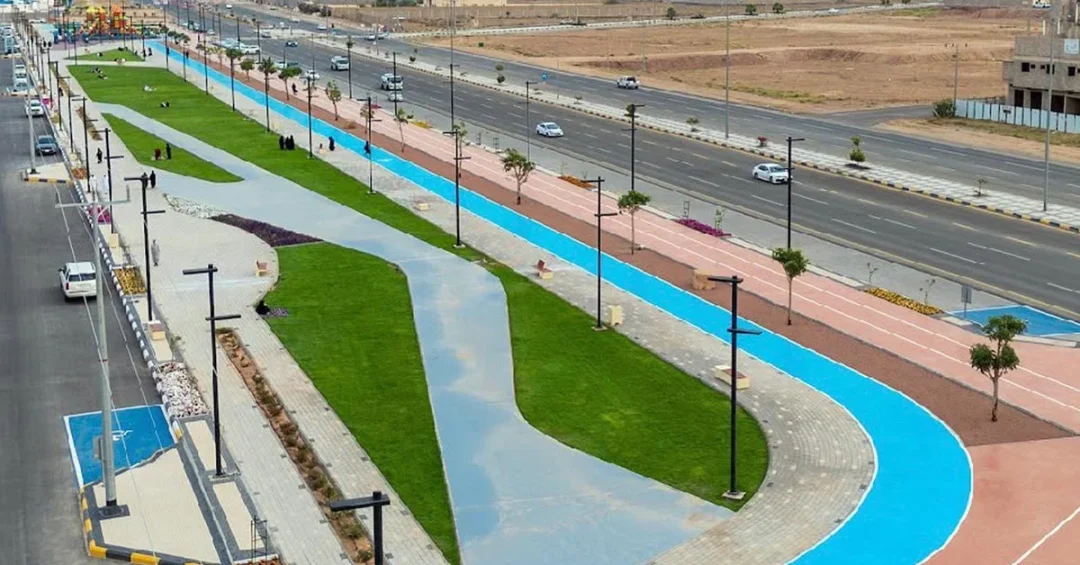
Riyadh Al-Khabra Governorate Municipality, acting under the umbrella of Qassim Municipality, has installed fitness and exercise equipment at several walking tracks and public parks across the governorate, according to an official announcement carried by the Saudi Press Agency (SPA). The initiative is designed to encourage physical activity, promote healthy lifestyles, and improve the quality of life for residents and visitors alike. The move reflects a growing national emphasis on community wellness as part of Saudi Arabia’s broader transformation agenda.
Have you ever considered how a simple outdoor gym can reshape the daily habits of an entire community? The project in Riyadh Al-Khabra, a governorate in the Qassim region, demonstrates that even modest infrastructure investments can yield significant public health dividends. By equipping walking tracks and parks with accessible exercise machines, the municipality is making fitness a natural part of everyday routines rather than a specialized activity requiring gym memberships or private facilities. This approach aligns with the Kingdom’s Vision 2030 goal of enhancing quality of life and fostering a more active, health-conscious society.
Context and Background
Why does a municipality in central Saudi Arabia decide to place fitness equipment in public spaces? The answer lies in a combination of local needs and national priorities. Riyadh Al-Khabra Mayor Mohammed Al-Nufai explained that the governorate now has six walking tracks spread across its areas, in addition to pedestrian paths in public parks and residential neighborhoods. Several of these sites have been furnished with fitness and exercise equipment, allowing residents and visitors to exercise at public facilities. This development is part of Qassim Municipality’s wider efforts to promote health and encourage people of all age groups to stay active.
The initiative comes at a time when Saudi Arabia is investing heavily in public health infrastructure and preventive care. Sedentary lifestyles and related non-communicable diseases are a global concern, and Saudi Arabia has been proactive in addressing them through awareness campaigns, sports programs, and urban planning that prioritizes walkability. The Qassim region, known for its agricultural heritage and growing urban centers, is now seeing tangible improvements in its public amenities. By integrating exercise equipment into everyday spaces, the municipality is removing barriers to physical activity and making health a shared community value.
What role do local officials play in translating national visions into concrete actions? Mayor Al-Nufai’s statement underscores the importance of local leadership in implementing national strategies. His remarks highlight a practical, ground-level approach: identify existing public spaces, enhance them with equipment, and encourage regular use. This method not only maximizes existing infrastructure but also fosters a sense of ownership among residents. It is a model that other governorates across the Kingdom may look to as they pursue similar quality-of-life improvements.
Key Details of the Initiative
How exactly does the municipality ensure that these fitness stations serve everyone? The equipment has been installed at multiple walking tracks and parks, with a focus on accessibility and variety. While the specific types of machines were not detailed in the SPA report, typical outdoor fitness equipment includes low-impact cardio machines, strength-training stations, and stretching apparatus designed for users of different fitness levels. The six walking tracks mentioned by Mayor Al-Nufai form the backbone of the initiative, providing safe and scenic routes for walking, jogging, and now, structured exercise.
The pedestrian paths in public parks and residential neighborhoods further extend the reach of this program. By placing equipment in these areas, the municipality ensures that residents can incorporate exercise into their daily commutes or leisure time without traveling far from home. This is particularly important for families, the elderly, and those who may not have access to private gyms. The inclusive nature of the project reflects a thoughtful understanding of community needs and a commitment to leaving no one behind.
What message does this send about the importance of public health? It signals that health is not just an individual responsibility but a collective one, supported by government action. The installation of fitness equipment is a tangible expression of that principle, turning public spaces into hubs of wellness and social interaction. It also complements other health initiatives in the region, such as walking challenges, sports tournaments, and health awareness days, creating a comprehensive ecosystem that encourages active living.
International and Regional Impact
Could this local project have implications beyond the borders of Saudi Arabia? Yes, because it exemplifies a global trend of urban planning that prioritizes health and well-being. Cities around the world are increasingly recognizing that accessible public exercise facilities can reduce healthcare costs, boost community cohesion, and improve mental health. Saudi Arabia’s proactive stance in this area positions it as a leader in the region, demonstrating how Vision 2030 translates into practical benefits for citizens and residents.
Regionally, the initiative aligns with efforts by the Gulf Cooperation Council (GCC) states to combat lifestyle-related diseases and promote sports participation. Saudi Arabia’s experience with such projects can serve as a model for neighboring countries seeking to enhance their own public health infrastructure. Moreover, by creating attractive public spaces, the Kingdom enhances its appeal as a destination for tourists and expatriates who value a high quality of life. This soft power dimension is often overlooked but is increasingly important in a competitive global environment.
How does this project fit into Saudi Arabia’s broader diplomatic and cultural outreach? It shows that the Kingdom is not only a major economic and political player but also a society that cares about the well-being of its people. Such initiatives humanize the country’s image and support its efforts to attract international visitors, investors, and talent. When people see that Saudi cities are investing in parks, walkways, and fitness facilities, they gain a more nuanced understanding of the Kingdom’s modernization journey.
Economic and Strategic Significance
What are the economic benefits of promoting physical activity through public infrastructure? The economic case is compelling. Preventive health measures can reduce the burden on the healthcare system, increase workforce productivity, and lower absenteeism. By encouraging regular exercise, the municipality is contributing to a healthier population, which in turn supports economic growth. Additionally, the construction and maintenance of fitness equipment create local employment opportunities and stimulate small businesses that cater to active lifestyles, such as sports apparel and healthy food outlets.
Strategically, the project supports Saudi Arabia’s long-term vision of a diversified economy where human capital is a key asset. A healthy population is better equipped to drive innovation, entrepreneurship, and productivity. The Qassim region, with its agricultural and industrial base, benefits from a workforce that is physically fit and mentally alert. Furthermore, the availability of quality public amenities can attract skilled professionals and families to the region, supporting balanced regional development and reducing pressure on major metropolitan areas.
How does this initiative align with the goals of Saudi Vision 2030? One of the vision’s central themes is enhancing the quality of life for all citizens and residents. This includes promoting sports and recreational activities, improving urban environments, and fostering community engagement. The Riyadh Al-Khabra project directly addresses these objectives by providing free, accessible exercise options and creating vibrant public spaces. It is a small but significant step toward building a society where healthy living is the norm, not the exception.
Vision 2030 Alignment
Can a set of outdoor exercise machines truly contribute to a national transformation? Absolutely, because Vision 2030 is built on thousands of such grassroots initiatives that collectively change the fabric of society. The Quality of Life Program, one of the vision’s key realization programs, aims to increase the participation of Saudis in sports and physical activities. By installing fitness equipment in public parks and walking tracks, Riyadh Al-Khabra Municipality is directly supporting this target, making it easier for people to incorporate exercise into their daily lives.
Moreover, the project reflects the vision’s emphasis on sustainable urban development and community well-being. It encourages the use of public spaces, reduces reliance on motorized transport for short trips, and fosters social interaction among neighbors. These are the building blocks of a cohesive, healthy society. As Saudi Arabia continues its journey toward a brighter future, initiatives like this demonstrate that progress is not only about mega-projects but also about improving the everyday lives of people in cities and towns across the Kingdom.
In conclusion, the installation of fitness equipment at walking tracks and public parks in Riyadh Al-Khabra is a commendable step that embodies the spirit of Vision 2030. It shows how local municipalities can translate national aspirations into tangible benefits for their communities. By promoting physical activity and healthy lifestyles, the project contributes to a more vibrant, productive, and happy society. As more such initiatives take root, Saudi Arabia moves closer to its goal of becoming a global model for quality of life and human development.
20 Questions
Q1. What did Riyadh Al-Khabra Municipality recently install?
A1. The municipality installed fitness and exercise equipment at several walking tracks and public parks across the governorate, as part of efforts to encourage physical activity and healthy lifestyles.
Q2. Which entity oversees Riyadh Al-Khabra Municipality?
A2. Riyadh Al-Khabra Municipality operates under the umbrella of Qassim Municipality, which is responsible for local governance and development in the Qassim region.
Q3. Who is the mayor of Riyadh Al-Khabra?
A3. Mohammed Al-Nufai serves as the Mayor of Riyadh Al-Khabra and has publicly commented on the initiative to promote public health through accessible exercise facilities.
Q4. How many walking tracks are in Riyadh Al-Khabra?
A4. According to Mayor Mohammed Al-Nufai, the governorate has six walking tracks across its areas, providing ample opportunities for residents to engage in walking and jogging.
Q5. What is the main goal of installing fitness equipment?
A5. The primary goal is to encourage physical activity, promote healthy lifestyles, and improve the quality of life for residents and visitors by making exercise easily accessible in public spaces.
Q6. Are the fitness facilities free to use?
A6. Yes, the equipment is installed in public parks and walking tracks, making it freely accessible to all residents and visitors without any membership or fees.
Q7. Who can use the fitness equipment?
A7. The equipment is designed for people of all age groups, allowing everyone from youth to seniors to exercise and stay active in a safe, public environment.
Q8. Where exactly is the equipment located?
A8. The equipment is placed at several walking tracks and public parks, as well as pedestrian paths in residential neighborhoods, ensuring easy access for local communities.
Q9. How does this initiative align with Saudi Vision 2030?
A9. It supports the Vision 2030 Quality of Life Program by promoting sports participation, enhancing public spaces, and fostering healthier, more active communities across the Kingdom.
Q10. What are the health benefits of such outdoor gyms?
A10. They provide opportunities for cardiovascular exercise, strength training, and flexibility improvement, helping to reduce the risk of chronic diseases and improve mental well-being.
Q11. Does this project have economic benefits?
A11. Yes, by promoting preventive health, it can reduce healthcare costs, boost workforce productivity, and stimulate local businesses related to sports and wellness.
Q12. How does this benefit the local community?
A12. It creates safe, accessible spaces for exercise, encourages social interaction, and fosters a sense of community ownership, ultimately improving overall quality of life.
Q13. Is this part of a larger regional effort?
A13. Yes, it is part of Qassim Municipality’s broader efforts to promote health and well-being across the region, in line with national directives.
Q14. What other facilities are available in these parks?
A14. In addition to fitness equipment, the parks and walking tracks offer pedestrian paths, green spaces, and areas for relaxation, making them multi-purpose community hubs.
Q15. How can residents provide feedback on the initiative?
A15. Residents can typically contact the municipality through official channels to provide feedback or suggestions, as local governments encourage community engagement.
Q16. Will there be more such installations in the future?
A16. While specific future plans were not announced, the initiative reflects an ongoing commitment to improving public amenities and promoting active lifestyles across the governorate.
Q17. What role does the Saudi Press Agency play in reporting this?
A17. The Saudi Press Agency (SPA) is the official news agency of Saudi Arabia, and it reported the initiative, ensuring accurate and authoritative dissemination of information.
Q18. How does this project support public health goals?
A18. By making exercise equipment freely available, it encourages regular physical activity, which is essential for preventing non-communicable diseases and improving overall public health.
Q19. Are there similar projects in other Saudi cities?
A19. Yes, many municipalities across Saudi Arabia are investing in public fitness infrastructure as part of the national push for healthier lifestyles under Vision 2030.
Q20. What is the expected impact on quality of life?
A20. The initiative is expected to enhance quality of life by providing accessible exercise options, promoting community well-being, and contributing to a more vibrant and healthy society.
Reader Feedback
We value your thoughts. Please share your feedback on this article.
Your feedback helps us improve our coverage.
Related articles
 SFDA Hosts 6th Regulatory Research Day 2026 in Riyadh
 Madinah Food Safety Campaign Launched by Environment Ministry
 KFSH Launches Nursing Hackathon to Enhance Patient Safety Through AI and Innovation
 Aseer Nonprofit Health Sector Delivers 148 Programs, Serves 25,000
 Saudi Arabia Performs First Robotic Breast Reconstruction
 Riyadh Hosts SAAM 2026 Aesthetic Medicine Conference