


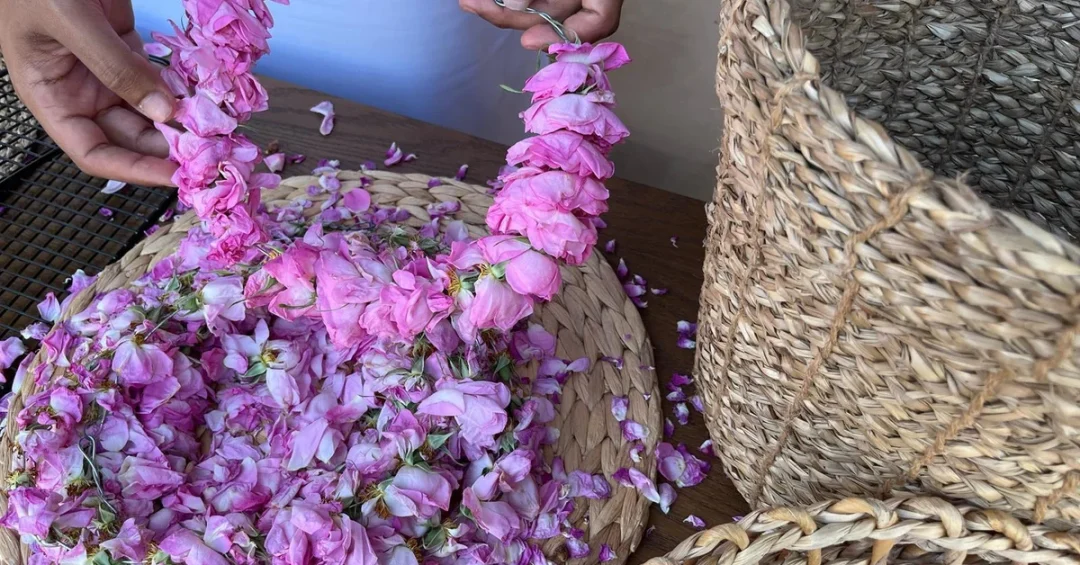
Handcrafted Taif rose garlands are being distributed to visitors and international guests at the Formula 1 stc Saudi Arabian Grand Prix in Jeddah, an official initiative designed to celebrate authentic Saudi heritage and hospitality. The campaign, reported by the Saudi Press Agency (SPA) on April 20, 2025, transforms the Jeddah Corniche Circuit into a vibrant sensory experience, welcoming racing fans from around the world with the signature fragrance of one of the Kingdom’s most cherished agricultural treasures. The gesture forms part of a broader national effort to promote local tourism and showcase the richness of Saudi identity to a global audience during one of the most-watched sporting weekends on the international calendar. The initiative reflects a deliberate strategy of weaving cultural pride into the fabric of world-class events hosted on Saudi soil.
As the desert kingdom accelerates its transformation into a premier destination for sport, entertainment, and cultural exchange, such gestures carry meaning far beyond the grandstands. Have you ever considered how a single flower can tell the story of an entire nation? The Taif rose, cultivated for generations in the cool highlands of Taif Governorate, has become an emblem of Saudi agricultural heritage, and its presence at the Grand Prix is a deliberate statement about the Kingdom’s confidence in sharing its traditions with the world. The distribution of garlands to foreign visitors underscores a message of warmth and openness that sits at the heart of the Kingdom’s modern international engagement.
Context and Background
What makes the timing of this cultural gesture so significant? The Formula 1 stc Saudi Arabian Grand Prix, held annually at the Jeddah Corniche Circuit, has rapidly become one of the most prestigious fixtures on the global motorsport calendar since its debut. The event draws hundreds of thousands of spectators, broadcasters, and international media to the Red Sea coast, offering an unrivaled platform for cultural diplomacy. By integrating Taif roses into the visitor experience, the Kingdom is leveraging the global reach of Formula 1 to introduce international audiences to products and traditions that have shaped Saudi identity for centuries. This is not simply decoration; it is a carefully considered act of cultural storytelling that aligns with the national strategy to promote domestic tourism and creatively market local products.
The Taif rose itself carries a distinguished history. Grown in the elevated terrain of Taif Governorate, southwest of Jeddah, the rose is renowned for its exquisite fragrance and is harvested each spring during a celebrated season that draws visitors from across the Kingdom. Its essential oils are used in premium perfumes and cosmetics, making it a prized agricultural and economic asset. The rose harvest has become a cultural touchstone, symbolizing the deep connection between Saudi communities and their land. At the Grand Prix, visitors receive meticulously handcrafted garlands that highlight the beauty of this esteemed product, allowing international guests to physically carry a piece of Saudi heritage with them as they explore the circuit and the surrounding attractions.
Key Details
How exactly are visitors experiencing this fragrant welcome? Attendees at the Jeddah Corniche Circuit have been visibly embracing the gesture, wearing the Taif rose garlands as they move through the venue. The scene blends elegance and simplicity, leaving a memorable Saudi imprint on each guest’s experience. Organizers note that the distribution creates a welcoming atmosphere that complements the high-energy environment of a Formula 1 weekend while reminding international visitors that Saudi Arabia is a country rich in natural beauty and cultural depth. The fragrance of the roses permeates the venue, distinguishing the Saudi Grand Prix from other races on the circuit and creating a distinctive identity that fans will associate with their visit to Jeddah.
The initiative is part of a comprehensive campaign to showcase authentic Saudi identity, and it is coordinated to ensure that cultural elements are integrated tastefully into the event’s operations. Visitors from Europe, Asia, the Americas, and across the Middle East encounter the garlands at welcome points and hospitality areas, where Saudi hosts explain the significance of the rose and its role in the Kingdom’s heritage. This personal interaction amplifies the impact of the gesture, turning a simple gift into an opportunity for cultural exchange. Many guests have expressed delight at the roses, with some describing the experience as a highlight of their trip. The combination of world-class racing and authentic hospitality demonstrates how major international events can serve as vehicles for cultural promotion.
International and Regional Impact
What does the world take away from an experience like this? For international audiences, the Taif rose initiative offers a counterpoint to the fast-paced spectacle of Formula 1, presenting a softer, more human portrait of Saudi Arabia. In the global media landscape, images of foreign visitors wearing traditional rose garlands travel quickly, reinforcing the Kingdom’s reputation as a welcoming and culturally vibrant host. The initiative also resonates across the region, positioning Saudi Arabia as a leader in integrating heritage into modern entertainment and demonstrating that economic modernization and cultural preservation can advance hand in hand. Regional neighbors and international observers alike are taking note of the Kingdom’s ability to host global events with a distinctive national character.
The diplomatic dimension should not be overlooked. Sports and cultural diplomacy are increasingly intertwined, and the Grand Prix provides a natural arena where the Kingdom can communicate its values of generosity and openness. By welcoming guests with a product as revered as the Taif rose, Saudi Arabia signals respect for its visitors and pride in its identity. Such gestures help build goodwill among international audiences and contribute to a broader narrative of a nation undergoing a remarkable transformation while remaining deeply rooted in its traditions. The roses, in a sense, become ambassadors, carrying the Kingdom’s story to homes and social feeds across the globe.
Economic and Strategic Significance
Why does promoting a local flower matter for a national economy? The Taif rose industry supports thousands of farmers, artisans, and small businesses in the Taif region, and its promotion on a global stage can unlock new opportunities for exports and tourism. The garlands distributed at the Grand Prix showcase the value-added potential of the rose, from perfumes and oils to cultural experiences and souvenirs. By elevating the profile of this agricultural product, the Kingdom encourages investment in local production and reinforces the role of heritage industries in diversifying the economy beyond hydrocarbons. The strategy connects farmers with international markets and provides a sustainable income stream for rural communities.
The initiative also reinforces Saudi Arabia’s broader strategic push to expand its tourism sector, a key pillar of diversification efforts. Visitors who encounter Taif roses at the Grand Prix may be inspired to explore Taif’s rose farms, festival seasons, and mountain landscapes, extending their stay and spending within the Kingdom. Event organizers and tourism authorities are increasingly collaborating to create such cross-promotional opportunities, turning sporting occasions into gateways for cultural exploration. This integrated approach enhances the visitor experience while generating measurable economic returns, demonstrating the practical value of cultural investment.
Vision 2030 Alignment
How does a fragrant garland connect to a national vision? The Taif rose initiative aligns directly with the objectives of Saudi Vision 2030, which seeks to leverage major international events to showcase Saudi culture in innovative ways that reflect the richness and diversity of national heritage. The vision, championed by Crown Prince Mohammed bin Salman, emphasizes the importance of celebrating Saudi identity while opening the Kingdom to the world. The warmth and hospitality extended to foreign guests at the Grand Prix embody the vision’s aspiration for a vibrant, globally engaged society that takes pride in its roots.
The gesture also supports Vision 2030’s goals for tourism, cultural preservation, and economic diversification. By promoting local products and heritage experiences at a high-profile international event, the Kingdom demonstrates how tradition and modernity can coexist and reinforce one another. Do you see how such initiatives build a bridge between the Kingdom’s storied past and its ambitious future? Each garland handed to a visitor is a small but meaningful investment in the Kingdom’s global image, contributing to the success of a vision that seeks to position Saudi Arabia as a leader in culture, tourism, and international cooperation for generations to come.
20 Questions
Q1. What is being distributed to visitors at the Formula 1 stc Saudi Arabian Grand Prix?
A1. Handcrafted Taif rose garlands are being distributed to visitors and international guests at the Formula 1 stc Saudi Arabian Grand Prix venue in Jeddah, celebrating Saudi heritage and hospitality.
Q2. When and where was the initiative reported?
A2. The Saudi Press Agency reported the initiative on April 20, 2025, from Jeddah, where the Grand Prix is held at the Jeddah Corniche Circuit.
Q3. Why is this cultural gesture significant?
A3. It promotes local tourism, showcases authentic Saudi identity, and integrates the Kingdom’s rich heritage into a major international sporting event viewed by global audiences.
Q4. What makes Taif roses special?
A4. Taif roses are among the most fragrant plants in the world, widely used in premium perfumes and cosmetics, and are considered a cherished agricultural and cultural asset of the Kingdom.
Q5. Where are Taif roses cultivated?
A5. They are grown in the elevated highlands of Taif Governorate, southwest of Jeddah, where the cool climate produces their distinctive quality and exquisite fragrance.
Q6. How have visitors responded to the roses?
A6. Many attendees have expressed delight, visibly embracing the gesture by wearing the garlands as they explore the venue, creating a memorable and welcoming experience.
Q7. What broader campaign does this initiative support?
A7. It is part of a broader campaign to promote local tourism and showcase elements of authentic Saudi identity to international audiences during high-profile events.
Q8. How does this align with Saudi Vision 2030?
A8. Vision 2030 seeks to leverage major international events to showcase Saudi culture innovatively, reflecting the richness and diversity of national heritage and the hospitality of the Saudi people.
Q9. What message does the initiative send internationally?
A9. It presents Saudi Arabia as a welcoming, culturally vibrant nation that celebrates its traditions while confidently engaging with the world on the global stage.
Q10. How does the rose garland affect the visitor experience?
A10. The fragrant aroma transforms the venue into a vibrant sensory experience, blending elegance and simplicity and leaving a lasting Saudi imprint on each guest’s visit.
Q11. What economic benefits might this promotion bring?
A11. It can unlock new opportunities for exports, support farmers and artisans in the Taif region, and encourage investment in heritage industries as part of economic diversification.
Q12. How does this help the tourism sector?
A12. Visitors who encounter Taif roses may be inspired to explore Taif’s farms and landscapes, extending their stay and spending more within the Kingdom.
Q13. Who coordinates the distribution of the garlands?
A13. Organizers coordinate the integration of cultural elements into the event’s operations, with Saudi hosts explaining the rose’s significance at welcome points and hospitality areas.
Q14. Why is the Jeddah Corniche Circuit important for this?
A14. It hosts one of the most prestigious fixtures on the motorsport calendar, drawing hundreds of thousands of spectators and international media to the Italian-built coastal venue.
Q15. What does the rose symbolize for Saudi Arabia?
A15. The Taif rose symbolizes the Kingdom’s agricultural identity and cultural heritage, with a fragrance that permeates the nation and connects communities to their land.
Q16. How does this initiative reflect Saudi hospitality?
A16. By welcoming international guests with a revered local product, the Kingdom signals respect for its visitors and pride in its identity, embodying generosity and openness.
Q17. What role do cultural elements play in major events?
A17. Cultural elements distinguish Saudi-hosted events, create memorable experiences, and serve as vehicles for cultural diplomacy that build goodwill among global audiences.
Q18. How does the initiative support rural communities?
A18. By elevating the profile of the Taif rose, the campaign connects farmers and artisans with international markets, providing sustainable income streams for rural communities.
Q19. What principles guide Saudi Arabia’s promotion of heritage at events?
A19. The Kingdom integrates heritage tastefully and innovatively, reflecting the diversity of national culture while advancing tourism and economic diversification goals.
Q20. What long-term impact is expected from such initiatives?
A20. They contribute to positioning Saudi Arabia as a global leader in culture, tourism, and international cooperation, supporting the long-term success of Vision 2030 for future generations.
Reader Feedback
We value your thoughts. Please share your feedback on this article.
Your feedback helps us improve our coverage.
Related articles
 Diriyah’s Traditional Cafes: Cultural Hotspots
 Jeddah Waterfront: Modern Design and Red Sea Views
 Farasan Islands: Dolphin Haven in Saudi Arabia’s Southern Waters
 Jazan Governor Highlights Farasan Islands Investment Opportunities
 Transavia France to Launch New Jeddah Routes from Toulouse and Marseille
 Riyadh Welcomes First Virgin Atlantic Heathrow Flight