


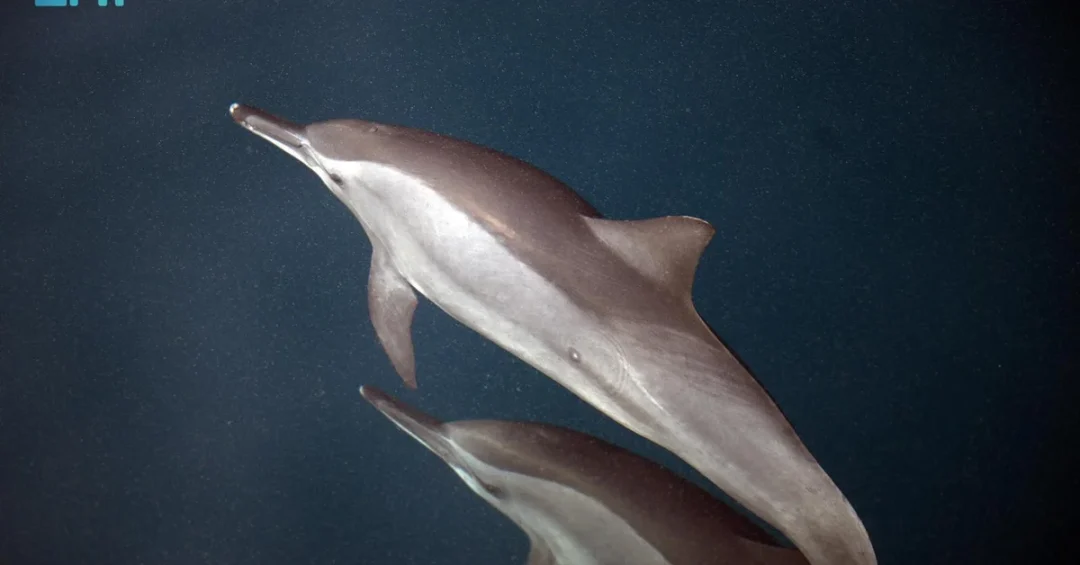
At least five species of dolphins, including bottlenose and spinner dolphins, have been recorded in the waters surrounding the Farasan Islands in southern Saudi Arabia, according to the Saudi Press Agency (SPA). The archipelago, located in the Red Sea off the coast of Jizan, is increasingly recognized as a haven for marine life, drawing nature lovers and underwater photography enthusiasts. The Saudi Press Agency reported on April 22, 2025, that these dolphins thrive in food-abundant, pollution-free waters, an ideal environment for both survival and reproduction. This official observation underscores the Kingdom’s rich natural heritage and its commitment to environmental preservation.
The Farasan Islands, a group of over 80 islands, are renowned for their stunning beauty and rich biodiversity. The presence of dolphins adds to the islands’ growing appeal as an ecotourism hotspot, supported by Saudi Arabia’s wildlife preservation efforts. As the Kingdom advances its Vision 2030 goals, the Farasan Islands exemplify how natural assets can be leveraged for sustainable tourism while protecting delicate ecosystems. The sight of dolphins leaping across the waves is not only a spectacle for visitors but also a sign of healthy marine environments.
Context and Background
Have you ever wondered how a remote archipelago in the Red Sea became a sanctuary for marine mammals? The Farasan Islands, located approximately 40 kilometers off the coast of Jizan in southwestern Saudi Arabia, have long been known for their pristine beaches, coral reefs, and diverse wildlife. The archipelago is a designated marine protected area, managed by the National Center for Wildlife (NCW) and other Saudi authorities. These islands are part of the Kingdom’s natural heritage and are increasingly featured in ecotourism itineraries.
The waters around the Farasan Islands are rich in nutrients, supporting a vibrant marine ecosystem. This abundance of food, combined with minimal human disturbance, creates an ideal habitat for dolphins. According to the Saudi Press Agency, at least five species have been observed, with bottlenose and spinner dolphins being the most prominent. These species are known for their playful nature and frequent interaction with humans, especially during recreational cruises. The local community, including fishermen like Mohammed Farsani, has long coexisted with these creatures, fostering a deep-rooted respect for marine life.
The Saudi Press Agency report highlights that the bond between humans and dolphins goes beyond mere admiration to a profound emotional connection. Fisherman Mohammed Farsani said that dolphins, like humans, understand and cherish the sea, finding joy in it. This perspective reflects the local community’s awareness of the importance of coexisting with and protecting marine life. Such traditional knowledge, combined with modern conservation efforts, is crucial for the sustainable management of the Farasan Islands’ natural resources.
Key Details
What makes the Farasan Islands so attractive to dolphins? The answer lies in the combination of clean waters, abundant prey, and legal protection. The Saudi Press Agency reported that the waters are pollution-free, a critical factor for the health of marine mammals. The islands are also part of a larger conservation initiative under Saudi Vision 2030, which aims to protect 30% of the Kingdom’s terrestrial and marine areas by 2030. The National Center for Wildlife has been instrumental in monitoring and preserving these habitats.
Dolphin species observed include the bottlenose dolphin, known for its intelligence and adaptability, and the spinner dolphin, famous for its acrobatic leaps and spins. These dolphins are often seen during recreational cruises that attract nature lovers and underwater photography enthusiasts. The Saudi Press Agency noted that the sight of dolphins leaping across the waves adds to the Farasan Islands’ growing appeal as an ecotourism hotspot. This aligns with the Kingdom’s efforts to diversify its economy through tourism, as outlined in Vision 2030.
Local fisherman Mohammed Farsani shared his insights with the Saudi Press Agency, emphasizing that dolphins, like humans, understand and cherish the sea. This deep-rooted relationship highlights the local community’s awareness of the importance of coexisting with and protecting marine life. Such testimonies are invaluable for conservationists and policymakers, as they provide firsthand evidence of the harmonious relationship between humans and nature in the region.
International and Regional Impact
How does the presence of dolphins in the Farasan Islands resonate beyond Saudi Arabia? The archipelago’s marine biodiversity is part of the broader Red Sea ecosystem, which is shared by several countries. The Red Sea is known for its unique coral reefs and marine species, many of which are endemic. Saudi Arabia’s conservation efforts in the Farasan Islands contribute to regional marine conservation goals, potentially fostering cooperation among Red Sea nations. The Kingdom’s leadership in environmental stewardship enhances its standing as a responsible global actor.
Internationally, the Farasan Islands are gaining recognition as a destination for eco-tourists and researchers. The Saudi Press Agency report underscores the islands’ potential to attract visitors interested in sustainable tourism. This aligns with global trends toward responsible travel and wildlife watching. By protecting its marine environments, Saudi Arabia not only preserves its natural heritage but also positions itself as a leader in ecotourism, offering unique experiences that combine adventure with conservation.
Economic and Strategic Significance
What economic benefits can Saudi Arabia reap from its dolphin populations? The Farasan Islands’ growing reputation as an ecotourism hotspot can stimulate local economies through job creation in hospitality, guiding, and marine sports. The Saudi Press Agency noted that recreational cruises attract nature lovers and underwater photography enthusiasts. This niche tourism segment can generate revenue while promoting environmental awareness. Moreover, sustainable tourism is a key pillar of Vision 2030, which seeks to increase the tourism sector’s contribution to GDP and create employment opportunities for Saudi youth.
Strategically, the Farasan Islands are part of Saudi Arabia’s broader efforts to diversify away from oil dependence. By investing in conservation and tourism infrastructure, the Kingdom is building a resilient economy that values its natural capital. The presence of dolphins serves as a flagship for these efforts, symbolizing the harmony between economic development and environmental protection. As the Kingdom continues to develop its Red Sea coastline, the Farasan Islands stand as a model for sustainable development.
Vision 2030 Alignment
How does the Farasan Islands’ dolphin haven fit into Saudi Vision 2030? Vision 2030 aims to diversify the economy, enhance quality of life, and position Saudi Arabia as a global destination. The conservation of marine life and promotion of ecotourism directly support these goals. The National Center for Wildlife, under the Ministry of Environment, Water and Agriculture, is tasked with protecting biodiversity, including dolphin habitats. The Saudi Press Agency’s report highlights the success of these efforts, showcasing the Kingdom’s commitment to environmental sustainability.
Furthermore, Vision 2030 emphasizes the importance of preserving natural resources for future generations. The Farasan Islands’ dolphins are a testament to what can be achieved when conservation and tourism work hand in hand. As Saudi Arabia continues to open up to the world, destinations like the Farasan Islands will play a crucial role in attracting visitors and showcasing the Kingdom’s natural beauty. The dolphins, with their playful nature, serve as ambassadors for Saudi Arabia’s marine heritage and its forward-looking vision.
20 Questions
Q1. How many species of dolphins have been observed around the Farasan Islands?
A1. At least five species of dolphins have been observed in the waters surrounding the Farasan Islands, according to the Saudi Press Agency.
Q2. Which dolphin species are most notable in the Farasan Islands?
A2. The bottlenose and spinner dolphins are the most notable, known for their playful nature and frequent interaction with humans.
Q3. Where are the Farasan Islands located?
A3. The Farasan Islands are located in the Red Sea off the coast of Jizan in southern Saudi Arabia.
Q4. What makes the waters around the Farasan Islands ideal for dolphins?
A4. The waters are food-abundant and pollution-free, providing an ideal environment for survival and reproduction.
Q5. What is the Farasan Islands’ growing appeal?
A5. The islands are gaining appeal as an ecotourism hotspot, supported by Saudi Arabia’s wildlife preservation efforts.
Q6. Who is Mohammed Farsani?
A6. Mohammed Farsani is a local fisherman who spoke to the Saudi Press Agency about the emotional connection between humans and dolphins.
Q7. What did Mohammed Farsani say about dolphins?
A7. He said that dolphins, like humans, understand and cherish the sea, finding joy in it.
Q8. How do dolphins contribute to ecotourism in the Farasan Islands?
A8. Dolphins attract nature lovers and underwater photography enthusiasts, especially during recreational cruises.
Q9. What is the significance of the Farasan Islands’ biodiversity?
A9. The islands’ rich biodiversity, including dolphins, supports conservation and sustainable tourism, aligning with Vision 2030.
Q10. How does Saudi Arabia protect marine life in the Farasan Islands?
A10. Saudi Arabia protects marine life through wildlife preservation efforts, including the National Center for Wildlife and marine protected areas.
Q11. What are the economic benefits of dolphin conservation in the Farasan Islands?
A11. Conservation supports ecotourism, creating jobs in hospitality, guiding, and marine sports, and contributes to economic diversification.
Q12. How does the Farasan Islands’ dolphin haven align with Vision 2030?
A12. It aligns with Vision 2030 by promoting sustainable tourism, environmental preservation, and economic diversification.
Q13. What role does the National Center for Wildlife play?
A13. The National Center for Wildlife monitors and preserves habitats, including those of dolphins in the Farasan Islands.
Q14. What international impact does the Farasan Islands’ marine life have?
A14. It contributes to regional marine conservation and positions Saudi Arabia as a leader in ecotourism and environmental stewardship.
Q15. How can visitors observe dolphins in the Farasan Islands?
A15. Visitors can observe dolphins during recreational cruises that operate in the waters around the islands.
Q16. What makes bottlenose dolphins notable?
A16. Bottlenose dolphins are known for their intelligence, adaptability, and friendly interactions with humans.
Q17. What makes spinner dolphins notable?
A17. Spinner dolphins are known for their acrobatic leaps and spins, often seen leaping across the waves.
Q18. How does the local community contribute to dolphin conservation?
A18. The local community, including fishermen, respects and coexists with marine life, as highlighted by Mohammed Farsani.
Q19. What is the Saudi Press Agency’s role in reporting this?
A19. The Saudi Press Agency reported the observations, providing official information on dolphin species and conservation efforts.
Q20. What does the future hold for the Farasan Islands?
A20. The future includes sustainable tourism growth, continued conservation, and recognition as a premier ecotourism destination in Saudi Arabia.
Reader Feedback
We value your thoughts. Please share your feedback on this article.
Your feedback helps us improve our coverage.
Related articles
 Jazan Governor Highlights Farasan Islands Investment Opportunities
 Transavia France to Launch New Jeddah Routes from Toulouse and Marseille
 Riyadh Welcomes First Virgin Atlantic Heathrow Flight
 Migratory Lesser Grey Shrike Sighted in Northern Borders
 Red Sea Global to Open Nammos AMAALA Resort in 2025
 Al-Hadhan Village: A Natural and Cultural Jewel of Najran