


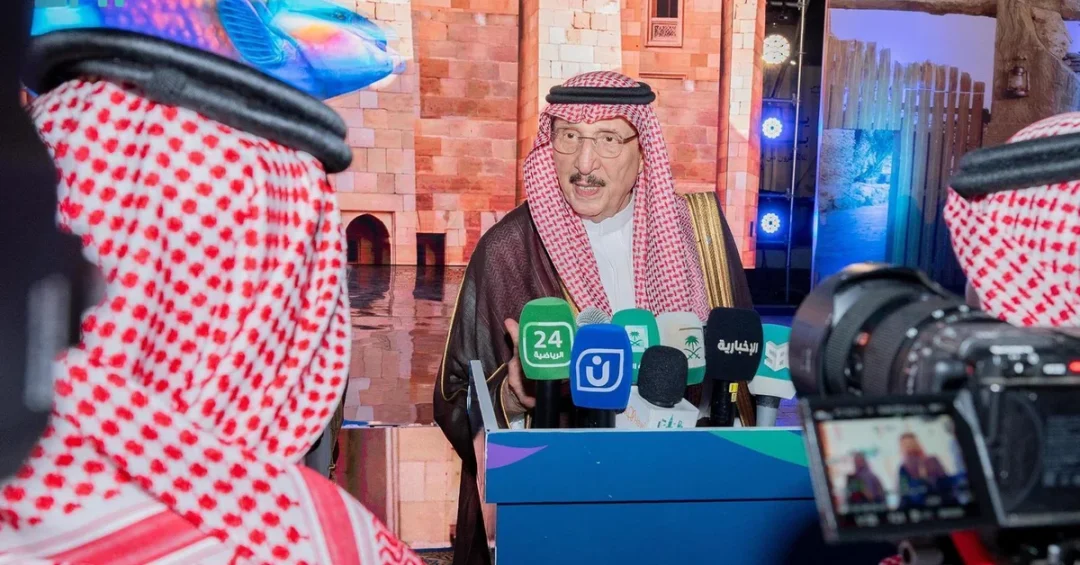
Prince Mohammed bin Nasser bin Abdulaziz, Governor of Jazan Region, has called on business leaders and investors to explore and expand investment opportunities in the Farasan Islands and across Jazan’s mountainous and coastal areas, emphasizing the region’s strategic tourism, economic, and investment potential. The call came during the conclusion of his inspection tour of Farasan Governorate, as reported by the Saudi Press Agency (SPA), and underscores the Kingdom’s broader push to unlock regional assets in line with Saudi Vision 2030.
The Governor’s remarks highlight the Farasan Islands as one of the Kingdom’s most prominent tourist destinations, thanks to their unique advantages across various tourism and economic sectors. His tour reflects the ongoing support and attention extended by Saudi Arabia’s wise leadership to all governorates and regions, ensuring that development benefits every corner of the country. For international observers, this development signals Saudi Arabia’s commitment to diversifying its economy beyond oil, leveraging its natural and cultural heritage to attract global visitors and investors. Could this be the moment when Jazan emerges as a top-tier destination on the world stage?
Context and Background
Why has Jazan Region, and the Farasan Islands in particular, become a focal point for Saudi Arabia’s investment and tourism ambitions? Located in the southwestern corner of the Kingdom, Jazan is known for its lush mountains, fertile plains, and a coastline that stretches along the Red Sea. The Farasan Islands, an archipelago of over 80 islands, lie about 40 kilometers offshore and are celebrated for their pristine beaches, coral reefs, and rich biodiversity. The islands were designated a UNESCO Biosphere Reserve in 2001, recognizing their ecological significance. This natural endowment positions Jazan as a unique asset in Saudi Arabia’s tourism portfolio, offering experiences that range from eco-tourism and diving to cultural heritage and adventure travel.
Under Saudi Vision 2030, the Kingdom aims to increase tourism’s contribution to GDP from 3% to 10% by 2030, creating millions of jobs and attracting 100 million visitors annually. The National Tourism Strategy, launched in 2019, identified Jazan as a key destination for domestic and international tourists. The Public Investment Fund (PIF) and the Ministry of Tourism have been investing in infrastructure, hospitality, and promotional campaigns to raise the region’s profile. The Governor’s inspection tour is part of a systematic effort to ensure that local communities and investors are engaged in this transformation. How can international investors participate in this growing market?
The support from the Kingdom’s leadership is unwavering. Crown Prince Mohammed bin Salman has repeatedly emphasized that development must reach all regions, not just major cities. The Jazan Region Development Strategy, overseen by the Jazan Region Development Authority, coordinates public and private efforts to improve infrastructure, healthcare, education, and tourism. The Farasan Islands are a centerpiece of this strategy, with plans for sustainable resorts, marine facilities, and cultural centers. The Governor’s call to investors is therefore not just an invitation but a signal that the regulatory and financial environment is ready for partnerships.
Key Details
What exactly did the Governor say, and what opportunities does he envision? During his tour, Prince Mohammed bin Nasser bin Abdulaziz met with local officials, private sector representatives, and community leaders. He reiterated that the Farasan Islands possess unique advantages in tourism, fisheries, and logistics. The islands’ waters are rich in fish stocks, and the region is already a hub for aquaculture. The Governor urged business leaders to explore opportunities in hospitality, eco-resorts, water sports, and heritage tourism. He also highlighted the mountainous areas of Jazan, such as the Faifa and Al-Rayth mountains, which offer cooler climates and stunning terraces suitable for wellness retreats and adventure tourism.
The inspection tour included visits to ongoing development projects, including road improvements, port upgrades, and utility expansions. The Saudi Press Agency reported that the Governor emphasized the importance of aligning investment with environmental sustainability, preserving the islands’ fragile ecosystems. This aligns with the Kingdom’s Green Initiative, which aims to plant 10 billion trees and protect marine life. Investors are encouraged to adopt green technologies and sustainable practices. What role can eco-tourism play in preserving the islands while generating revenue?
Furthermore, the Governor’s call is backed by concrete incentives. The Ministry of Investment offers streamlined licensing, tax benefits, and access to land in designated tourism zones. The Saudi Tourism Authority provides marketing support and connects investors with global tour operators. For small and medium enterprises, the Jazan Chamber of Commerce and Industry offers guidance and networking opportunities. The Farasan Islands are also part of the Red Sea Project’s broader ecosystem, although they are not directly within the project’s boundaries; they benefit from improved air and sea connectivity. Saudia and flynas operate regular flights to Jazan, and ferry services link the mainland to Farasan. These logistical improvements reduce barriers for investors and tourists alike.
International and Regional Impact
How will the development of the Farasan Islands affect the region and beyond? For neighboring countries in the Red Sea basin, such as Egypt, Sudan, and Yemen, Saudi Arabia’s investment in sustainable tourism sets a benchmark for responsible development. The islands’ proximity to international shipping lanes and their potential as a yachting destination could attract high-end travelers from Europe and Asia. The Red Sea is increasingly seen as a luxury tourism corridor, with Saudi Arabia’s NEOM and the Red Sea Project already drawing global attention. Farasan adds a distinct offering: a UNESCO Biosphere Reserve where conservation and tourism coexist. This could appeal to a niche market of environmentally conscious travelers.
On a regional level, the development of Jazan supports Saudi Arabia’s efforts to diversify its economy and create jobs for its growing youth population. It also strengthens the Kingdom’s ties with African and Asian markets, as Jazan’s port is a gateway for trade. The Governor’s outreach to investors is part of a broader diplomatic and economic strategy to position Saudi Arabia as a hub for tourism, logistics, and renewable energy. International hotel chains, such as Accor and Marriott, have already expressed interest in Jazan, and local developers are forming joint ventures with foreign partners. Could Farasan become the next Maldives, but with Saudi hospitality and heritage?
Economic and Strategic Significance
Why does this matter for Saudi Arabia’s economy? Tourism is a key pillar of Vision 2030, and Jazan’s untapped potential represents a significant opportunity. The region’s GDP is currently driven by agriculture, fishing, and manufacturing, but tourism can add a high-value layer. According to the Ministry of Tourism, Jazan received over 1.5 million domestic tourists in 2023, a number that is expected to grow exponentially as new resorts open. The Farasan Islands alone could attract hundreds of thousands of visitors annually, generating revenue from accommodations, dining, excursions, and retail. This, in turn, creates jobs for local residents, from hospitality staff to tour guides and artisans.
Strategically, the islands enhance Saudi Arabia’s maritime presence in the Red Sea. The Kingdom is investing in naval and coast guard facilities to ensure security and safety for tourists. The development also supports the Saudi Green Initiative and the Middle East Green Initiative, which aim to combat climate change and protect biodiversity. By promoting sustainable tourism, Saudi Arabia demonstrates that economic growth and environmental stewardship can go hand in hand. The Governor’s emphasis on investment in Farasan is thus both an economic and a strategic move, reinforcing the Kingdom’s role as a responsible global player.
Vision 2030 Alignment
How does the Farasan Islands initiative align with Saudi Vision 2030? Vision 2030 seeks to diversify the economy, empower regions, and improve quality of life. The development of Jazan and the Farasan Islands directly contributes to these goals by creating economic opportunities outside major cities, preserving cultural and natural heritage, and attracting international visitors. The National Tourism Strategy aims to make Saudi Arabia a top global destination, and Farasan is a jewel in that crown. The Governor’s call to investors is a clear invitation to be part of this historic transformation.
As Saudi Arabia continues to open up to the world, the Farasan Islands stand as a symbol of the Kingdom’s sustainable and inclusive future. The leadership’s support ensures that development is balanced and benefits local communities. For international investors and travelers, the message is clear: Jazan is open for business, and the Farasan Islands are ready to welcome the world. Will you be among the first to discover this Red Sea paradise?
20 Questions
Q1. What did the Governor of Jazan Region emphasize during his tour?
A1. Prince Mohammed bin Nasser bin Abdulaziz emphasized the tourism, economic, and investment potential of the Farasan Islands and other areas in Jazan, calling on investors to explore opportunities.
Q2. Where are the Farasan Islands located?
A2. The Farasan Islands are an archipelago in the Red Sea, about 40 kilometers off the coast of Jazan in southwestern Saudi Arabia.
Q3. Why are the Farasan Islands considered a prominent tourist destination?
A3. They offer unique advantages such as pristine beaches, coral reefs, rich biodiversity, and were designated a UNESCO Biosphere Reserve in 2001.
Q4. What is the significance of the Governor’s call to investors?
A4. It signals that the regulatory and financial environment in Jazan is ready for partnerships, aligning with Saudi Vision 2030’s goal to diversify the economy.
Q5. How does this development align with Saudi Vision 2030?
A5. Vision 2030 aims to increase tourism’s GDP contribution to 10% and attract 100 million visitors annually, with Jazan as a key destination.
Q6. What types of investments are encouraged in the Farasan Islands?
A6. Investments in hospitality, eco-resorts, water sports, heritage tourism, and sustainable infrastructure are encouraged, with a focus on environmental preservation.
Q7. What incentives are available for investors in Jazan?
A7. The Ministry of Investment offers streamlined licensing, tax benefits, land access in tourism zones, and marketing support from the Saudi Tourism Authority.
Q8. How will the development impact local communities?
A8. It will create jobs in hospitality, guiding, and retail, and improve infrastructure, benefiting local residents and businesses.
Q9. What is the role of the Jazan Region Development Authority?
A9. It coordinates public and private efforts to improve infrastructure, healthcare, education, and tourism in the region.
Q10. How does the Farasan Islands project support environmental sustainability?
A10. It aligns with the Saudi Green Initiative, promoting eco-tourism and conservation of marine life and biodiversity.
Q11. What international markets are targeted for tourism?
A11. High-end travelers from Europe and Asia, as well as regional visitors, are targeted, leveraging the Red Sea’s luxury tourism corridor.
Q12. What transportation links exist to the Farasan Islands?
A12. Saudia and flynas operate flights to Jazan, and ferry services connect the mainland to the islands, with ongoing improvements.
Q13. How does this initiative strengthen Saudi Arabia’s regional ties?
A13. It enhances economic and diplomatic ties with African and Asian markets, positioning Jazan as a trade and tourism gateway.
Q14. What is the expected economic impact of tourism in Jazan?
A14. It is expected to boost GDP, generate revenue from accommodations and activities, and create thousands of jobs for Saudi youth.
Q15. What role does the private sector play in this development?
A15. The private sector is invited to form joint ventures, develop resorts, and invest in infrastructure, with support from government entities.
Q16. How does the Governor’s tour reflect the leadership’s support?
A16. It demonstrates the Kingdom’s commitment to developing all regions, as directed by the wise leadership under Vision 2030.
Q17. What are the mountainous areas of Jazan known for?
A17. The Faifa and Al-Rayth mountains offer cooler climates, terraced landscapes, and potential for wellness and adventure tourism.
Q18. What is the significance of the UNESCO Biosphere Reserve designation?
A18. It recognizes the islands’ ecological importance and promotes sustainable development and conservation efforts.
Q19. How can international investors get involved?
A19. They can contact the Ministry of Investment, the Saudi Tourism Authority, or the Jazan Chamber of Commerce for guidance and opportunities.
Q20. What is the long-term vision for the Farasan Islands?
A20. To become a world-class sustainable tourism destination that showcases Saudi Arabia’s natural beauty and cultural heritage, in line with Vision 2030.
Reader Feedback
We value your thoughts. Please share your feedback on this article.
Your feedback helps us improve our coverage.
Related articles
 Transavia France to Launch New Jeddah Routes from Toulouse and Marseille
 Riyadh Welcomes First Virgin Atlantic Heathrow Flight
 Migratory Lesser Grey Shrike Sighted in Northern Borders
 Red Sea Global to Open Nammos AMAALA Resort in 2025
 Al-Hadhan Village: A Natural and Cultural Jewel of Najran
 AlUla Launches Environmental Awareness Initiative