


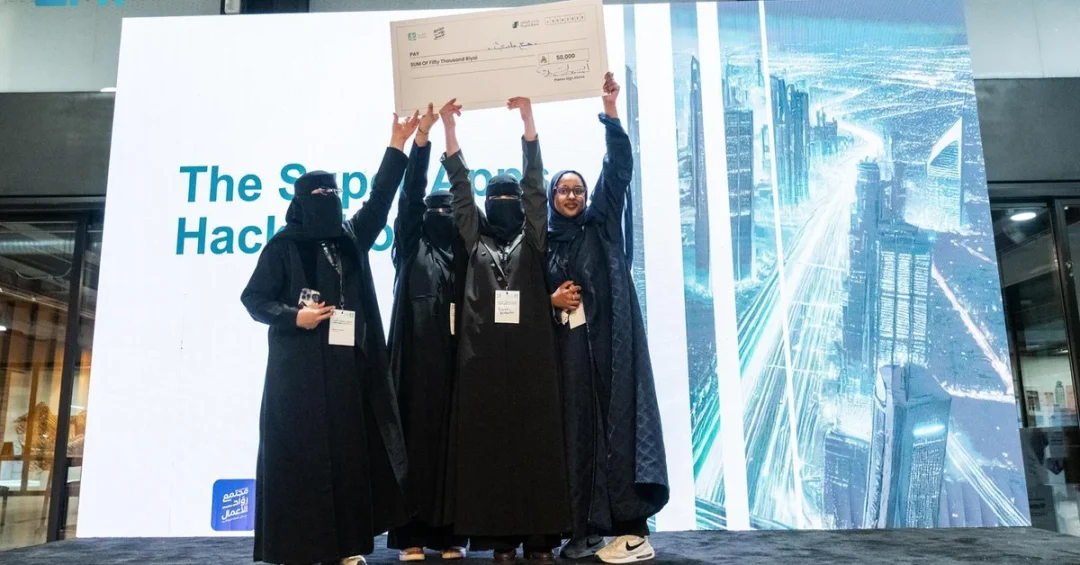
The Mohammed bin Salman Foundation (Misk), through its Misk Entrepreneurship Track, successfully hosted the Super Apps Hackathon on April 18–19 at the City Hub in Mohammed bin Salman Nonprofit City, Riyadh. Organized in collaboration with the Balady platform, the event brought together over 240 participants from more than 1,000 applicants to develop innovative solutions for urban services and smart city infrastructure. The hackathon underscores Saudi Arabia’s commitment to fostering entrepreneurship and digital transformation in line with Vision 2030.
Have you ever wondered how a simple app could transform the way a city serves its residents? In Riyadh, young innovators are answering that question by building prototypes that promise to make urban life more efficient and sustainable. The Super Apps Hackathon, a two-day intensive competition, provided a platform for talented individuals to collaborate, innovate, and present their ideas to a panel of experts. This initiative not only highlights the Kingdom’s growing tech ecosystem but also demonstrates how public-private partnerships can drive meaningful change.
Context and Background
Why is Saudi Arabia investing so heavily in hackathons and entrepreneurial events? The answer lies in the Kingdom’s ambitious Vision 2030, which seeks to diversify the economy and empower youth. Misk, established in 2011 by Crown Prince Mohammed bin Salman, has been at the forefront of nurturing young talent. Its Entrepreneurship Track specifically aims to build a thriving startup ecosystem by providing training, mentorship, and funding opportunities. The Super Apps Hackathon is a prime example of this mission, focusing on super apps—versatile platforms that integrate multiple services into a single interface, from transportation to payments to government services.
The collaboration with Balady, the official platform of the Ministry of Municipal and Rural Affairs and Housing, adds a practical dimension. Balady is designed to enhance urban services and smart city infrastructure across the Kingdom. By partnering with Misk, Balady gains access to fresh ideas and innovative solutions that can be implemented to improve public well-being. This synergy between a nonprofit foundation and a government platform exemplifies how Saudi Arabia is leveraging cross-sector collaboration to achieve its developmental goals. The event was held at the City Hub in Mohammed bin Salman Nonprofit City, a dedicated space for innovation and entrepreneurship that reflects the Kingdom’s forward-thinking approach.
What makes this hackathon different from other tech competitions? The focus on super apps and inclusivity sets it apart. Participants were tasked with creating applications that address real-world urban challenges, such as waste management, public transportation, and community engagement. The inclusive nature of the event—welcoming participants of various nationalities and backgrounds—ensures that diverse perspectives are brought to the table. This aligns with Saudi Arabia’s vision of a knowledge-based economy that values creativity and collaboration.
Key Details
How did the hackathon unfold over its two days? On April 18, participants gathered at the City Hub, forming 56 teams after a rigorous selection process. Out of over 1,000 applicants, 240 individuals were chosen based on their skills in artificial intelligence (AI) and blockchain technologies. The first day involved workshops and mentorship sessions led by experts in AI and blockchain, who guided teams in refining their ideas and developing prototypes. The second day was dedicated to finalizing presentations and pitching to a panel of judges. The competition also saw the participation of several tech startups, adding a layer of real-world experience to the event.
The presence of startups provided participants with insights into the challenges and opportunities of scaling a tech venture. Mentors, including seasoned entrepreneurs and technologists, offered one-on-one guidance, helping teams overcome technical hurdles and sharpen their business models. The judging criteria likely emphasized innovation, feasibility, and potential impact on urban services. While the specific winners were not disclosed in the official announcement, the event’s success is measured by the solutions generated and the connections made. The hackathon aimed to equip young participants with the tools needed to develop products and present them effectively, fostering a culture of innovation that extends beyond the competition.
What role did AI and blockchain play in the solutions? These technologies are at the heart of modern smart city initiatives. AI can optimize traffic flow, predict maintenance needs, and personalize services, while blockchain ensures secure and transparent transactions. By focusing on these areas, the hackathon encouraged participants to think about scalable, tech-driven solutions that can be integrated into Balady’s platform. The collaboration with Balady means that the most promising ideas could be transformed into real-world applications, directly benefiting residents and improving urban efficiency.
International and Regional Impact
Could Saudi Arabia’s hackathon model inspire similar initiatives across the Middle East? The Kingdom’s emphasis on youth empowerment and digital innovation is part of a broader regional trend. Countries like the UAE and Qatar are also investing in tech hubs and startup ecosystems, but Saudi Arabia’s scale and resources give it a unique advantage. The Super Apps Hackathon attracted participants from various nationalities, showcasing the Kingdom’s ability to draw global talent. This not only enhances Saudi Arabia’s reputation as a tech-friendly destination but also fosters international collaboration. By positioning itself as a leader in smart city solutions, Saudi Arabia can export its expertise and attract foreign investment.
Regionally, the event supports the goals of the Gulf Cooperation Council (GCC) to diversify economies away from oil. The hackathon’s focus on super apps aligns with the digital transformation strategies of neighboring countries, creating opportunities for knowledge sharing and joint ventures. Moreover, the involvement of Balady sets a precedent for other government platforms to engage with entrepreneurs, potentially leading to more public-private partnerships. As Saudi Arabia continues to host high-profile events like LEAP and the Future Investment Initiative, its ecosystem becomes increasingly interconnected with global tech hubs.
Economic and Strategic Significance
What economic benefits can Saudi Arabia expect from nurturing startups? The Kingdom aims to increase the private sector’s contribution to GDP and create jobs for its growing youth population. Hackathons like this one serve as a pipeline for talent and ideas that can lead to new businesses. Successful startups can generate revenue, attract investment, and create employment opportunities. Additionally, by solving urban challenges through technology, the government can reduce costs and improve service delivery. The strategic significance lies in building a self-sustaining innovation ecosystem where ideas are generated, tested, and scaled within the Kingdom.
Furthermore, the collaboration with Balady demonstrates how government entities can act as first customers for startups, providing them with a launchpad. This reduces the risk for entrepreneurs and encourages more young Saudis to pursue entrepreneurship. The hackathon also aligns with the National Technology Development Program and other initiatives under Vision 2030 that aim to make Saudi Arabia a global tech hub. By investing in human capital and fostering a culture of innovation, the Kingdom is laying the groundwork for long-term economic resilience.
Vision 2030 Alignment
How does the Super Apps Hackathon directly contribute to Vision 2030? Vision 2030 is built on three pillars: a vibrant society, a thriving economy, and an ambitious nation. This event touches on all three. By improving urban services, it enhances the quality of life for residents, supporting a vibrant society. By nurturing startups and creating jobs, it drives a thriving economy. And by empowering youth and fostering collaboration, it embodies an ambitious nation. Misk’s Entrepreneurship Track is a key enabler of these goals, providing the necessary support for young innovators to turn their ideas into reality.
In conclusion, the Super Apps Hackathon is more than just a competition; it is a testament to Saudi Arabia’s commitment to innovation and youth empowerment. As the Kingdom continues to invest in its people and technology, events like this will play a crucial role in shaping a sustainable and prosperous future. With the support of initiatives like Balady and Misk, Saudi Arabia is well on its way to becoming a global leader in smart city solutions and entrepreneurship. The ripple effects of this hackathon will be felt for years to come, as participants carry their experiences forward to build the next generation of transformative apps.
20 Questions
Q1. What is the Super Apps Hackathon?
A1. The Super Apps Hackathon is a two-day event organized by the Mohammed bin Salman Foundation (Misk) in collaboration with the Balady platform, aimed at developing innovative solutions for urban services and smart city infrastructure.
Q2. When and where did the hackathon take place?
A2. It was held on April 18–19, 2025, at the City Hub in Mohammed bin Salman Nonprofit City, Riyadh.
Q3. Who organized the hackathon?
A3. The event was organized by the Misk Entrepreneurship Track, a part of the Mohammed bin Salman Foundation, in partnership with Balady.
Q4. What is Balady?
A4. Balady is the official platform of the Ministry of Municipal and Rural Affairs and Housing, designed to enhance urban services, smart city infrastructure, and public well-being across Saudi Arabia.
Q5. How many applicants applied for the hackathon?
A5. More than 1,000 applicants applied, and 240 participants were selected to compete.
Q6. What were the participants’ areas of expertise?
A6. Participants were specialists in artificial intelligence (AI) and blockchain technologies.
Q7. How many teams were formed?
A7. A total of 56 teams were formed, representing various nationalities.
Q8. Did startups participate in the hackathon?
A8. Yes, several tech startups participated, providing real-world insights and adding depth to the event.
Q9. What kind of mentorship was provided?
A9. Experts in AI and blockchain offered mentorship and guidance to help teams refine their ideas and develop prototypes.
Q10. What was the goal of the hackathon?
A10. The goal was to equip young participants with the tools to develop solutions and products, and to present them to a panel of expert judges.
Q11. How does Balady benefit from the hackathon?
A11. Balady can transform innovative solutions from the hackathon into real-world applications to improve urban services and smart city infrastructure.
Q12. What is the significance of super apps?
A12. Super apps integrate multiple services into a single platform, enhancing convenience and efficiency for users, and are key to smart city development.
Q13. How does the hackathon align with Vision 2030?
A13. It supports Vision 2030 by fostering entrepreneurship, empowering youth, driving digital transformation, and contributing to a thriving economy and vibrant society.
Q14. What role does Misk play in Saudi Arabia?
A14. Misk nurtures young talent and promotes entrepreneurship, culture, and innovation, playing a vital role in achieving Vision 2030 goals.
Q15. What is Mohammed bin Salman Nonprofit City?
A15. It is a dedicated urban hub for innovation and entrepreneurship, hosting events like the hackathon to foster collaboration and creativity.
Q16. How does the hackathon promote inclusivity?
A16. By selecting participants from various nationalities and backgrounds, the event ensures diverse perspectives and inclusive innovation.
Q17. What technologies were emphasized?
A17. Artificial intelligence and blockchain technologies were emphasized due to their potential to revolutionize urban services.
Q18. What happens to the solutions developed?
A18. The most promising solutions may be implemented through Balady to enhance urban services and smart city infrastructure.
Q19. How does this event impact Saudi youth?
A19. It provides youth with hands-on experience, mentorship, and a platform to showcase their talents, encouraging them to pursue entrepreneurship.
Q20. What is the long-term vision for such initiatives?
A20. The long-term vision is to build a sustainable innovation ecosystem that drives economic diversification, creates jobs, and positions Saudi Arabia as a global tech leader.
Reader Feedback
We value your thoughts. Please share your feedback on this article.
Your feedback helps us improve our coverage.
Related articles
 Qatari Shura Council Speaker Arrives in Riyadh
 GOSI Governor Meets Singapore Pension Leaders
 KSrelief Launches ‘Saudi Hearing’ Cochlear Implant Program in Senegal
 Red Sea Global Launches Botanica Environmental Nursery
 GCC Cyber Security Exercise Kicks Off in Riyadh
 TGA Launches Driver Rest Area Project in Al-Khobar