


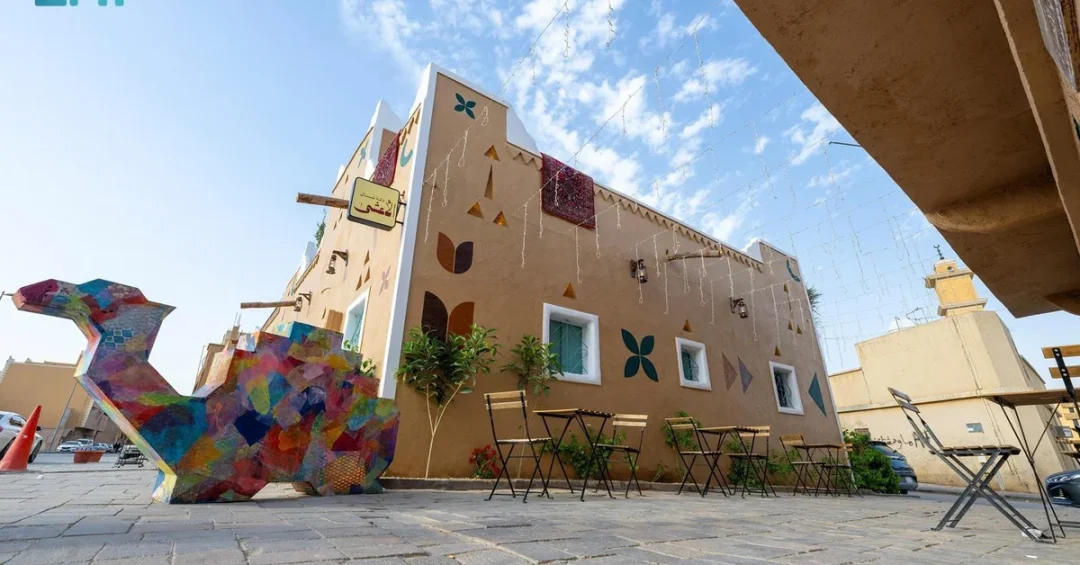
Traditional cafes in Diriyah have transformed into vibrant cultural and artistic hubs that blend rich history with contemporary art, becoming sought-after tourist and entertainment destinations for both local and international visitors, according to the Saudi Press Agency (SPA). These spaces, located in the historic heart of the Kingdom, are redefining how heritage and modernity coexist, offering a dynamic experience that reflects Saudi Arabia’s ambitious Vision 2030. As the nation continues to open its doors to the world, Diriyah’s cafes stand as a testament to the enduring appeal of Saudi culture and its ability to innovate while preserving the past.
The transformation of these cafes is not merely a trend but a strategic move to position Diriyah as a global cultural destination. By integrating traditional Najdi architecture with contemporary art, these venues attract a diverse audience, from locals seeking a connection to their roots to international tourists eager to experience authentic Saudi hospitality. This initiative aligns with the Kingdom’s broader efforts to diversify its economy and promote cultural exchange, showcasing the best of Saudi Arabia to the world.
Context and Background
Diriyah, often referred to as the birthplace of the Saudi state, holds a special place in the nation’s history. It was here that the first Saudi state was established in 1744, and today, it is being meticulously developed into a world-class cultural and heritage destination under the umbrella of Vision 2030. The traditional cafes are part of this larger revitalization project, which aims to preserve the area’s unique architectural and cultural heritage while providing modern amenities and experiences for visitors. The Saudi Press Agency reports that these cafes are designed to reflect the essence of authentic Najdi architecture, with mud-built walls that naturally regulate temperature and intricate decorations that echo the desert landscape.
Why are these cafes capturing the imagination of so many? The answer lies in their ability to offer more than just a place to eat or drink; they are immersive cultural experiences. The walls are adorned with paintings and artwork inspired by local heritage, and the spaces host temporary exhibitions, painting and pottery workshops, and gatherings for artists, thinkers, and art lovers. This blend of tradition and creativity creates a unique atmosphere that appeals to a wide range of visitors, from families to intellectuals, making these cafes vibrant community hubs.
The strategic location of Diriyah, just northwest of Riyadh, adds to its appeal. As the capital city expands, Diriyah serves as a cultural anchor, drawing visitors who seek an authentic Saudi experience. The cafes are part of a broader effort to develop culturally and historically rich tourist destinations, boost the creative sector’s contribution to GDP, and preserve heritage for future generations. This initiative is a clear reflection of Saudi Arabia’s commitment to showcasing its cultural legacy on the global stage.
Key Details
What exactly makes these cafes so special? Their architectural style is a standout feature. Inspired by traditional mud houses, the cafes feature walls that naturally regulate temperature—keeping interiors cool in the summer and warm in the winter. This eco-friendly design is not only sustainable but also aesthetically pleasing, with intricate engravings and decorations that reflect the essence of authentic Najdi architecture. The warm tones of the artwork echo the colors of the desert landscape, creating a cozy and inviting ambiance that transports visitors to a bygone era while offering modern comforts.
Beyond the architecture, the cafes offer a rich program of activities. They host temporary exhibitions showcasing new collections of various artists’ work, along with painting and pottery workshops open to both children and adults. These initiatives provide a platform for local artists to display their talents and for visitors to engage in creative pursuits. The cafes also serve dates and traditional drinks, allowing guests to savor the flavors of Saudi Arabia while immersing themselves in its culture. This combination of art, craft, and cuisine makes these venues unique cultural hotspots.
The cafes are more than just spaces; they are meeting points for artists, thinkers, and art lovers to connect, share, and celebrate culture. This social aspect is crucial in fostering a sense of community and promoting cultural dialogue. By welcoming people from all walks of life, these cafes contribute to the vibrant social fabric of Diriyah and beyond. The SPA notes that these initiatives are part of Diriyah’s strategic plan to develop culturally and historically rich tourist destinations, boost the creative sector’s contribution to GDP, and preserve and pass on heritage to future generations.
International and Regional Impact
How do these cafes influence Saudi Arabia’s image abroad? They serve as cultural ambassadors, showcasing the Kingdom’s rich heritage and modern dynamism to international visitors. In a region often perceived through a narrow lens, Diriyah’s cafes offer a nuanced perspective, highlighting Saudi Arabia’s commitment to cultural preservation and innovation. This is particularly important as the Kingdom positions itself as a global tourism destination, attracting millions of visitors each year. The cafes provide an authentic experience that resonates with travelers seeking meaningful connections with local culture.
Regionally, the success of these cafes could inspire similar initiatives across the Gulf and the wider Middle East. By demonstrating how heritage can be leveraged for economic and cultural gain, Diriyah sets a benchmark for other cities and countries looking to revitalize their historic districts. This aligns with Saudi Arabia’s role as a regional leader and its efforts to promote cultural exchange and understanding. The cafes also contribute to the growth of the creative economy, which is a key pillar of Vision 2030, by supporting artists and artisans and creating jobs in the tourism and cultural sectors.
Economic and Strategic Significance
What economic benefits do these cultural hotspots bring? The cafes are part of a broader strategy to diversify Saudi Arabia’s economy away from oil dependency. By boosting the creative sector’s contribution to GDP, they help create a more sustainable and resilient economy. The tourism and entertainment sectors are expected to play a major role in this diversification, and Diriyah’s cafes are at the forefront of this shift. They attract visitors who spend on food, beverages, art, and workshops, generating revenue that supports local businesses and entrepreneurs.
Strategically, the development of Diriyah as a cultural destination enhances Saudi Arabia’s soft power and global standing. It showcases the Kingdom’s ability to blend tradition with modernity, a narrative that resonates with international audiences and aligns with the goals of Vision 2030. By investing in cultural infrastructure, Saudi Arabia signals its commitment to preserving its heritage while embracing the future. This not only attracts tourists but also fosters a sense of pride among Saudis, reinforcing national identity and unity.
Vision 2030 Alignment
How do Diriyah’s traditional cafes contribute to Vision 2030? They are a direct manifestation of the Vision’s cultural and economic objectives. Vision 2030 aims to diversify the economy, promote cultural heritage, and enhance the quality of life for citizens and residents. The cafes achieve all three by creating jobs, supporting artists, and providing enriching experiences. They also help position Saudi Arabia as a global tourism destination, a key goal of the Vision, by offering unique cultural attractions that draw visitors from around the world.
Furthermore, these initiatives reflect the Vision’s emphasis on preserving Saudi heritage for future generations. By integrating traditional architecture and art into contemporary spaces, the cafes ensure that the Kingdom’s rich history remains relevant and accessible. This forward-looking approach is emblematic of Saudi Arabia’s transformation under Vision 2030, where the past and future converge to create a dynamic and prosperous society. As Diriyah continues to evolve, its traditional cafes will remain shining examples of how culture can drive economic growth and global engagement.
20 Questions
Q1. What is the significance of traditional cafes in Diriyah?
A1. They have transformed into vibrant cultural and artistic hubs that blend history with contemporary art, becoming sought-after tourist and entertainment destinations for local and international visitors.
Q2. How do these cafes reflect authentic Najdi architecture?
A2. The cafes feature mud-built walls that naturally regulate temperature and intricate decorations and engravings that reflect the essence of authentic Najdi architecture.
Q3. What kind of activities do these cafes host?
A3. They host temporary exhibitions of artists’ work, painting and pottery workshops for children and adults, and serve dates and traditional drinks.
Q4. Who frequents these cafes?
A4. They welcome artists, thinkers, and art lovers, as well as local and international visitors seeking a cultural experience.
Q5. How do these cafes contribute to Saudi Arabia’s economy?
A5. They boost the creative sector’s contribution to GDP and support the tourism and entertainment sectors, aligning with Vision 2030’s economic diversification goals.
Q6. What role do these cafes play in preserving heritage?
A6. They preserve and pass on heritage to future generations by showcasing traditional architecture, art, and culture in a contemporary setting.
Q7. How do these cafes enhance Saudi Arabia’s global image?
A7. They serve as cultural ambassadors, showcasing the Kingdom’s rich heritage and modern dynamism to international visitors, enhancing its global standing.
Q8. What is the strategic location of Diriyah?
A8. Diriyah is located just northwest of Riyadh, making it easily accessible for visitors to the capital and serving as a cultural anchor.
Q9. What is the historical significance of Diriyah?
A9. Diriyah is the birthplace of the Saudi state, where the first Saudi state was established in 1744, and it holds a special place in the nation’s history.
Q10. How do the cafes blend tradition and modernity?
A10. They combine traditional Najdi architecture with contemporary art exhibitions and workshops, creating a unique experience that appeals to diverse audiences.
Q11. What kind of art is displayed in these cafes?
A11. Paintings and artwork inspired by local heritage, filled with warm tones that echo the colors of the desert landscape, are displayed.
Q12. Are these cafes family-friendly?
A12. Yes, they offer painting and pottery workshops open to both children and adults, making them suitable for families.
Q13. How do these cafes support local artists?
A13. They provide a platform for local artists to display their work through temporary exhibitions and workshops, fostering creativity and cultural exchange.
Q14. What drinks and food are served in these cafes?
A14. They serve dates and traditional drinks, allowing guests to savor the flavors of Saudi Arabia.
Q15. How do these cafes contribute to Vision 2030?
A15. They align with Vision 2030 by diversifying the economy, promoting cultural heritage, and enhancing quality of life through enriching experiences.
Q16. What makes these cafes eco-friendly?
A16. The mud-built walls naturally regulate temperature, keeping interiors cool in summer and warm in winter, reducing the need for artificial heating and cooling.
Q17. Can international tourists visit these cafes?
A17. Yes, they are sought-after destinations for both local and international visitors, offering an authentic Saudi cultural experience.
Q18. How do these cafes foster community engagement?
A18. They serve as meeting points for artists, thinkers, and art lovers to connect, share, and celebrate culture, fostering a sense of community.
Q19. What is the future outlook for Diriyah’s cultural initiatives?
A19. They are part of a strategic plan to develop culturally rich tourist destinations, boost the creative sector, and preserve heritage, indicating a promising future.
Q20. How do these cafes reflect Saudi Arabia’s global tourism ambitions?
A20. They offer a dynamic tourism and cultural experience that reflects Saudi Arabia’s standing on the global tourism map, attracting visitors worldwide.
Reader Feedback
We value your thoughts. Please share your feedback on this article.
Your feedback helps us improve our coverage.
Related articles
 Jeddah Waterfront: Modern Design and Red Sea Views
 Farasan Islands: Dolphin Haven in Saudi Arabia’s Southern Waters
 Jazan Governor Highlights Farasan Islands Investment Opportunities
 Transavia France to Launch New Jeddah Routes from Toulouse and Marseille
 Riyadh Welcomes First Virgin Atlantic Heathrow Flight
 Migratory Lesser Grey Shrike Sighted in Northern Borders