


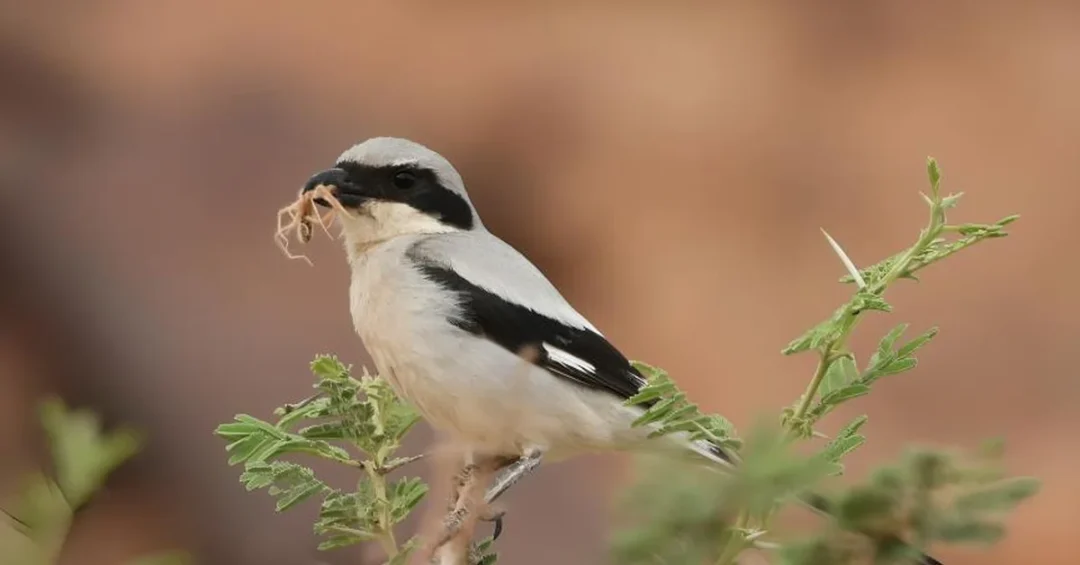
The Lesser Grey Shrike, a distinctive migratory bird species, has been sighted in Turaif Governorate within the Northern Borders Region of Saudi Arabia, as part of its annual migration route, according to an official announcement by the Saudi Press Agency (SPA). The sighting, reported on April 23, 2025, underscores the region’s growing significance as a critical stopover for migratory birds traveling between continents. This event highlights the Kingdom’s rich environmental diversity and its commitment to preserving natural habitats, aligning with broader national efforts to promote ecological sustainability and wildlife conservation under Saudi Vision 2030.
The Northern Borders Region, strategically located at the crossroads of Asia, Europe, and Africa, serves as a vital corridor for millions of birds each year. Its varied landscapes, including deserts, oases, and agricultural areas, provide essential resting and feeding grounds. The arrival of the Lesser Grey Shrike is not only a testament to the region’s ecological health but also a boost to local tourism and environmental awareness. As Saudi Arabia continues to expand its conservation initiatives, such sightings reinforce the Kingdom’s role as a responsible steward of biodiversity. How does this small bird symbolize a larger environmental commitment? It reflects the tangible results of policies aimed at protecting natural heritage for future generations.
Context and Background
The Lesser Grey Shrike (Lanius minor) is a migratory passerine bird that breeds in southeastern Europe and central Asia and winters in southern Africa. Its annual migration covers thousands of kilometers, with the Arabian Peninsula serving as a crucial refueling station. The Northern Borders Region, particularly Turaif Governorate, has long been recognized for its environmental diversity, featuring a mix of arid plains, seasonal wetlands, and vegetation that attracts a wide array of avian species. According to the Saudi Press Agency, the region’s geographical location linking continents makes it a major station for migratory birds, a fact that has drawn the attention of ornithologists and conservationists alike.
In recent years, Saudi Arabia has ramped up efforts to document and protect migratory routes. The Saudi Wildlife Authority, in collaboration with local governorates, has implemented monitoring programs to track bird populations and habitat health. These initiatives are part of a broader national strategy to conserve biodiversity, which is integral to the Kingdom’s environmental sustainability goals. The sighting of the Lesser Grey Shrike in Turaif adds to a growing list of migratory species recorded in the area, including the European Roller and the Common Crane. Such observations provide valuable data for understanding migration patterns and the impacts of climate change. Why is the Northern Borders Region so attractive to these travelers? Its unique blend of habitats offers abundant food and shelter, making it an indispensable waypoint on their long journeys.
Historically, the region has been a focal point for environmental research, with studies highlighting its role in supporting both migratory and resident bird populations. The Lesser Grey Shrike, in particular, is known for its ecological importance as a predator of harmful insects. By feeding on grasshoppers, cockroaches, and larvae, it helps regulate pest populations, benefiting agricultural productivity and natural ecosystems. This natural pest control service reduces the need for chemical pesticides, promoting a healthier environment. The presence of such species indicates a balanced ecosystem, which is essential for the region’s agricultural sector and overall environmental health.
Key Details of the Sighting
The Lesser Grey Shrike was observed in Turaif Governorate during its spring migration, a period when birds travel from their wintering grounds in Africa to breeding areas in Europe and Asia. The sighting was documented by local environmental observers and reported by the Saudi Press Agency, which emphasized the region’s role as a major station for migratory birds. The bird’s distinctive features, including its grey crown, black mask, and hooked beak, make it easily identifiable. Its presence in Turaif is consistent with previous records, but each sighting contributes to a more comprehensive understanding of migration timing and habitat use.
According to official sources, the Lesser Grey Shrike is considered environmentally important due to its diet, which includes harmful insects such as grasshoppers, cockroaches, and larvae, as well as small reptiles. By preying on these pests, the bird helps limit their spread within agricultural and natural environments, reducing crop damage and supporting farmers. This ecological service is particularly valuable in the Northern Borders Region, where agriculture is a key economic activity. The shrike’s hunting behavior, which involves impaling prey on thorns or barbed wire, is a fascinating adaptation that aids in its survival during migration.
The sighting also enriches the aesthetic and cultural dimensions of the region, attracting environmental observers and wildlife enthusiasts. Birdwatching tourism is a growing niche globally, and Saudi Arabia is increasingly positioning itself as a destination for nature lovers. The Northern Borders Region, with its diverse birdlife, offers opportunities for guided tours and educational programs. Local authorities have recognized the potential of eco-tourism to create jobs and stimulate economic growth while fostering a sense of pride in natural heritage. How can a single bird sighting contribute to community development? It can spark interest in conservation, drive local business, and promote sustainable practices that benefit both people and wildlife.
International and Regional Impact
The sighting of the Lesser Grey Shrike in Saudi Arabia has implications beyond national borders. Migratory birds are global citizens, and their conservation requires international cooperation. The Kingdom’s efforts to protect stopover sites along the Arabian Peninsula are part of a larger commitment to global biodiversity frameworks, such as the Convention on Migratory Species (CMS). By safeguarding these habitats, Saudi Arabia contributes to the survival of species that traverse multiple countries, earning recognition from international environmental organizations. This positive engagement enhances the Kingdom’s diplomatic standing and underscores its role as a responsible global actor.
Regionally, the Northern Borders Region shares ecological characteristics with neighboring countries, including Jordan and Iraq. Collaborative initiatives to monitor and protect migratory birds can foster dialogue and partnership. Saudi Arabia has already participated in joint research projects and data-sharing platforms, which help track bird populations and identify threats such as habitat loss and climate change. These efforts align with the Kingdom’s Vision 2030 goal of strengthening international relations and promoting environmental sustainability. The sighting thus serves as a reminder that conservation knows no boundaries and that collective action is essential.
Economic and Strategic Significance
From an economic perspective, the presence of migratory birds like the Lesser Grey Shrike can boost eco-tourism in the Northern Borders Region. Birdwatchers from around the world are willing to travel to see rare and beautiful species, and Saudi Arabia’s diverse avifauna is a draw. The government has invested in infrastructure, including hotels and transport links, to facilitate access to natural sites. These developments create jobs and support local businesses, contributing to economic diversification—a core pillar of Vision 2030. Additionally, the bird’s role in pest control reduces agricultural losses, indirectly supporting food security and rural livelihoods.
Strategically, the protection of migratory routes enhances Saudi Arabia’s environmental security. Healthy ecosystems provide essential services, such as pollination, water filtration, and climate regulation. By preserving habitats in the Northern Borders Region, the Kingdom mitigates desertification and soil erosion, which are critical challenges in arid environments. These efforts also align with the Saudi Green Initiative, which aims to plant 10 billion trees and restore degraded lands. The Lesser Grey Shrike is a small but significant indicator of the success of these programs. What does this mean for the future of Saudi Arabia’s environment? It signals a commitment to sustainability that will benefit generations to come.
Vision 2030 Alignment
The sighting of the Lesser Grey Shrike in the Northern Borders Region exemplifies the environmental stewardship that is central to Saudi Vision 2030. The vision, launched by Crown Prince Mohammed bin Salman, includes ambitious targets for biodiversity conservation, renewable energy, and sustainable development. By protecting migratory birds and their habitats, the Kingdom is not only preserving its natural heritage but also enhancing its global image as a leader in environmental innovation. The Northern Borders Region, with its unique ecosystems, is poised to become a model for eco-tourism and conservation, attracting visitors and researchers from around the world.
As Saudi Arabia continues to diversify its economy and improve quality of life for its citizens, initiatives like the monitoring of migratory birds demonstrate a holistic approach to progress. The Lesser Grey Shrike, though small, carries great symbolic weight. Its successful migration through Turaif is a testament to the region’s ecological health and the effectiveness of national conservation policies. In the years ahead, such sightings will likely become more common as habitats are restored and protected. The Kingdom’s commitment to Vision 2030 ensures that economic growth and environmental protection go hand in hand, creating a sustainable future for all. How will Saudi Arabia inspire the world with its environmental leadership? Through tangible actions that balance development with nature, setting a benchmark for others to follow.
20 Questions
Q1. What is the Lesser Grey Shrike?
A1. The Lesser Grey Shrike is a migratory bird species that breeds in Europe and Asia and winters in Africa. It is known for its grey plumage, black mask, and hooked beak, and plays a vital role in controlling insect populations.
Q2. Where was the Lesser Grey Shrike recently sighted?
A2. It was sighted in Turaif Governorate within the Northern Borders Region of Saudi Arabia, as reported by the Saudi Press Agency on April 23, 2025.
Q3. Why is the Northern Borders Region important for migratory birds?
A3. The region is a major station for migratory birds due to its geographical location linking continents, environmental diversity, and natural vegetation cover that provides food and rest.
Q4. What does the Lesser Grey Shrike eat?
A4. It feeds on harmful insects such as grasshoppers, cockroaches, and larvae, as well as small reptiles, helping to limit their spread in agricultural and natural environments.
Q5. How does the shrike contribute to ecological balance?
A5. By preying on pests, it reduces crop damage and supports farmers, acting as a natural pest control agent that lessens the need for chemical pesticides.
Q6. What is the significance of this sighting for Saudi Arabia?
A6. It highlights the Kingdom’s rich biodiversity and its commitment to environmental conservation, aligning with Saudi Vision 2030 goals for sustainability and eco-tourism.
Q7. How does bird migration enrich the region culturally?
A7. It attracts environmental observers and wildlife enthusiasts, fostering eco-tourism and promoting awareness about the importance of conservation and natural heritage.
Q8. What role does the Saudi Press Agency play in reporting such events?
A8. As the official news agency, SPA disseminates accurate information about environmental developments, enhancing transparency and public engagement with national conservation efforts.
Q9. Are there other migratory bird species in the region?
A9. Yes, the Northern Borders Region hosts various migratory species, including the European Roller and Common Crane, making it a hotspot for ornithological research and birdwatching.
Q10. How does the sighting align with Vision 2030?
A10. It supports the vision’s environmental sustainability pillar, which aims to protect biodiversity, expand green areas, and promote eco-tourism as part of economic diversification.
Q11. What threats do migratory birds face?
A11. They face habitat loss, climate change, and illegal hunting. Saudi Arabia’s conservation efforts help mitigate these threats by protecting stopover sites and raising awareness.
Q12. How can the public contribute to bird conservation?
A12. The public can participate in citizen science programs, report sightings, and support local conservation initiatives that protect habitats and migratory routes.
Q13. What economic benefits does birdwatching bring?
A13. Birdwatching tourism creates jobs in hospitality, guiding, and transportation, and stimulates local economies, especially in regions like the Northern Borders.
Q14. Is the Lesser Grey Shrike endangered?
A14. The species is currently listed as Least Concern by the IUCN, but its populations are declining in some areas due to habitat loss, making conservation efforts important.
Q15. How does Saudi Arabia monitor migratory birds?
A15. The Saudi Wildlife Authority and local partners use field surveys, ringing programs, and remote sensing to track bird populations and habitat health.
Q16. What is the Saudi Green Initiative?
A16. It is a national program to combat climate change, improve air quality, and restore ecosystems, including planting 10 billion trees and protecting natural habitats.
Q17. How does the shrike’s presence indicate environmental health?
A17. A healthy shrike population suggests a balanced ecosystem with sufficient prey and suitable habitat, reflecting successful conservation and sustainable land management.
Q18. Can tourists visit the Northern Borders Region for birdwatching?
A18. Yes, the region is open to tourists, and local authorities are developing eco-tourism infrastructure to facilitate access while ensuring habitat protection.
Q19. What international conventions does Saudi Arabia support for migratory birds?
A19. Saudi Arabia is a signatory to the Convention on Migratory Species (CMS) and collaborates on global initiatives to protect migratory routes and species.
Q20. What future actions are planned for conservation in the region?
A20. Plans include expanding protected areas, enhancing research, and promoting community-based conservation, all under the framework of Vision 2030 and the Saudi Green Initiative.
Reader Feedback
We value your thoughts. Please share your feedback on this article.
Your feedback helps us improve our coverage.
Related articles
 Red Sea Global to Open Nammos AMAALA Resort in 2025
 Al-Hadhan Village: A Natural and Cultural Jewel of Najran
 AlUla Launches Environmental Awareness Initiative
 Madinah Development Projects Boost Religious and Tourist Hub Status
 Taif Rose Forum Draws Over 350,000 Visitors
 Saudi Tourism Ministry Tightens Hajj Booking Rules for Makkah