


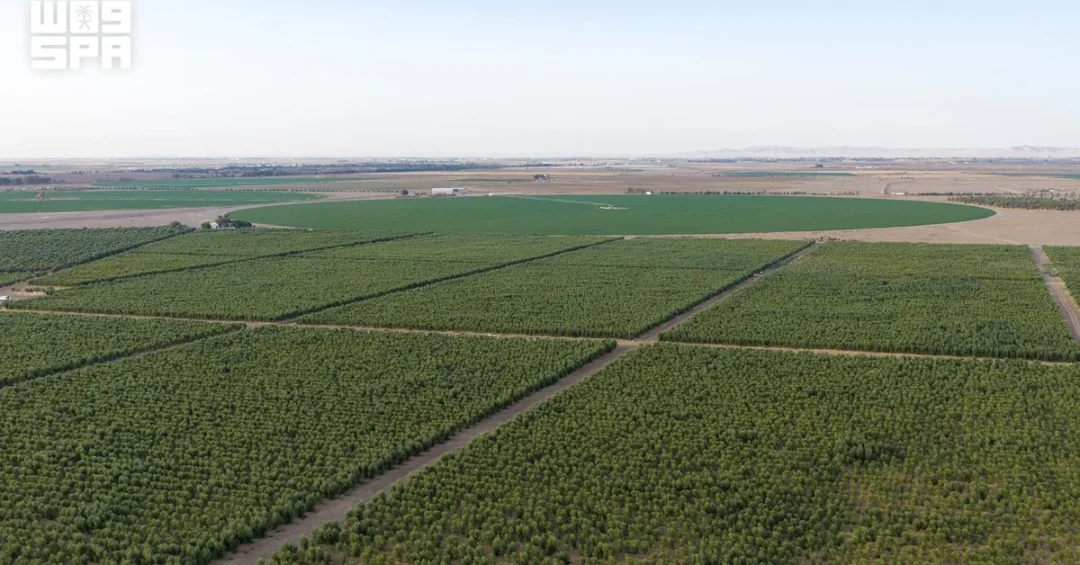
Olive farms and mills across the Tabuk Region are preparing for the 2026 harvest and production season, with more than 1.5 million olive trees expected to yield approximately 94,000 tons of olives and over 12,250 tons of olive oil, according to data from the local branch of the Ministry of Environment, Water and Agriculture. The announcement, released via the Saudi Press Agency, underscores Tabuk’s growing status as a leading hub for olive cultivation and processing in the Kingdom. Have you ever wondered how a region once known primarily for its desert landscapes has become a cornerstone of Saudi Arabia’s agricultural renaissance?
The 2026 season encompasses the entire production chain, from harvesting the fruit and extracting oil to preparing finished products for local and international markets. This integrated approach leverages Tabuk’s natural advantages—fertile soil, abundant sunshine, and cool winters—which have proven ideal for olive cultivation. The Ministry’s local branch projects that this year’s harvest will not only meet domestic demand but also contribute to the Kingdom’s broader food security objectives and economic diversification efforts under Vision 2030. As the season kicks off, farmers and mill operators are optimistic about a bountiful yield that reinforces Tabuk’s reputation for premium olive products.
Context and Background
How did Tabuk become synonymous with olive production in Saudi Arabia? The region’s journey began over two decades ago when the government identified its agricultural potential and launched initiatives to support local farmers. Tabuk’s climate—characterized by hot, dry summers and cold winters—provides the necessary chilling hours for olive trees to thrive. The Ministry of Environment, Water and Agriculture has played a pivotal role by providing technical assistance, subsidized inputs, and access to modern irrigation systems. Over time, these efforts have transformed vast tracts of land into productive olive groves, making Tabuk the largest olive-producing region in the Kingdom.
The growth of olive farming in Tabuk is also a story of community empowerment. Many small-scale farmers have received training in best practices, from pruning to pest management, through programs coordinated by the Ministry and the Agricultural Development Fund. These initiatives have not only boosted yields but also improved the quality of the olives and oil produced. The region now boasts state-of-the-art mills that use cold-press technology to preserve the flavor and nutritional value of the oil. As a result, Tabuk olive oil has gained recognition for its superior quality, earning accolades in regional and international competitions. This success has spurred further investment in the sector, creating jobs and supporting rural livelihoods.
Key Details of the 2026 Harvest
What can consumers expect from the 2026 olive harvest in Tabuk? According to the Ministry’s local branch, the season is expected to produce around 94,000 tons of olives, which will be processed into more than 12,250 tons of olive oil. The harvest typically begins in late October and extends through December, with different varieties maturing at different times. Farmers will harvest the fruit by hand or with mechanical aids to ensure minimal damage, then transport it to mills within hours to maintain freshness. The mills will sort, clean, and press the olives, extracting oil that is then filtered, packaged, and stored under strict quality controls. This year, many mills have upgraded their equipment to increase efficiency and reduce waste, aligning with sustainability goals.
The olive mills themselves are a critical link in the value chain. Modern facilities in Tabuk are equipped with continuous extraction systems that separate oil from water and solids without using chemicals, preserving the oil’s natural antioxidants. Some mills also produce table olives, which are cured and flavored for local and export markets. The Ministry’s branch works closely with mill operators to ensure compliance with food safety standards and to facilitate marketing. Additionally, agricultural festivals and direct retail outlets provide platforms for farmers to sell their products directly to consumers, eliminating intermediaries and increasing profit margins. These channels also educate the public about the health benefits of olive oil and its role in the Mediterranean-style diet increasingly popular in Saudi Arabia.
International and Regional Impact
Could Tabuk’s olive oil soon become a sought-after export in global markets? The region’s growing production capacity positions Saudi Arabia to reduce its reliance on imported olive oil and potentially become a net exporter. Neighboring Gulf countries, where olive oil demand is rising due to health-conscious consumers, are natural markets for Tabuk’s premium products. Moreover, the Kingdom’s participation in international food exhibitions has already generated interest from buyers in Europe and Asia. The Ministry of Environment, Water and Agriculture is supporting export efforts by helping farmers obtain certifications such as ISO and organic labels, which are essential for penetrating high-value markets. This export potential aligns with Vision 2030’s goal of diversifying the economy beyond oil.
Regionally, Tabuk’s success serves as a model for other Saudi regions looking to develop their agricultural sectors. The integration of production, processing, and marketing has created a blueprint that can be replicated for other crops, such as dates and citrus. Furthermore, the olive sector contributes to rural development by providing employment opportunities and supporting ancillary businesses like packaging, logistics, and tourism. The annual olive festival in Tabuk attracts visitors from across the Kingdom and beyond, boosting the local hospitality industry. As the region continues to invest in infrastructure and technology, its olive industry is poised to become a significant contributor to the national economy and a source of pride for Saudi Arabia.
Economic and Strategic Significance
How does the olive industry contribute to Saudi Arabia’s economic diversification? The agricultural sector, though small relative to oil, is vital for job creation and food security. Olive production in Tabuk generates income for thousands of farmers and workers, from grove maintenance to milling and packaging. The Ministry estimates that the olive value chain supports over 10,000 direct and indirect jobs in the region. Additionally, the sector attracts investment in agri-tech, such as drip irrigation and precision farming, which enhances water efficiency—a critical concern in the arid Kingdom. By reducing imports, Saudi Arabia saves foreign currency and strengthens its trade balance. These economic benefits are amplified as production scales up and quality improves.
Strategically, olive farming enhances Saudi Arabia’s food security by providing a stable domestic supply of a staple product. The Kingdom currently imports a significant portion of its olive oil, but Tabuk’s expanding output is gradually closing that gap. The Ministry’s branch is also exploring ways to increase yields through research on drought-resistant varieties and improved cultivation techniques. These efforts are part of a broader national strategy to achieve self-sufficiency in key food items. Furthermore, the olive industry supports environmental sustainability by promoting land reclamation and preventing desertification. Olive trees are well-suited to arid conditions and can thrive with minimal water, making them an ideal crop for Saudi Arabia’s climate. As such, the sector aligns with the Kingdom’s environmental goals and its commitment to sustainable development.
Vision 2030 Alignment
Can Tabuk’s olive harvest be seen as a microcosm of Vision 2030’s transformative agenda? Absolutely. Vision 2030 aims to diversify the economy, create jobs, and improve the quality of life for all Saudis. The olive industry embodies these objectives by fostering a non-oil sector, empowering local communities, and promoting sustainable agriculture. The Ministry of Environment, Water and Agriculture’s support for farmers and millers reflects the Vision’s emphasis on enabling the private sector and enhancing government efficiency. Moreover, the focus on quality and export competitiveness aligns with the goal of increasing non-oil exports. As Tabuk’s olive oil gains international recognition, it becomes a symbol of Saudi Arabia’s potential to excel in diverse fields.
Looking ahead, the future of Tabuk’s olive sector appears bright. With continued government support and private investment, production is expected to grow, further solidifying the region’s status as an agricultural powerhouse. The 2026 harvest is not just a seasonal event; it is a testament to the Kingdom’s resilience and its ability to turn challenges into opportunities. As farmers and millers gear up for the season, they are not only harvesting olives but also contributing to a larger narrative of progress and prosperity. Under Vision 2030, Saudi Arabia is cultivating a legacy of sustainability, innovation, and global engagement—one olive at a time.
20 Questions
Q1. What is the expected olive harvest in Tabuk for 2026?
A1. The local branch of the Ministry of Environment, Water and Agriculture estimates a harvest of approximately 94,000 tons of olives, yielding more than 12,250 tons of olive oil.
Q2. How many olive trees are there in the Tabuk region?
A2. Tabuk now has over 1.5 million olive trees, according to data from the Ministry’s local branch. This extensive cultivation underscores the region’s status as a leading olive producer in Saudi Arabia.
Q3. When does the olive harvest season typically begin and end in Tabuk?
A3. The harvest generally starts in late October and continues through December. Different olive varieties mature at different times, allowing for a staggered harvest that ensures optimal ripeness and oil quality.
Q4. What role do olive mills play in the production chain?
A4. Olive mills are essential for sorting, cleaning, and pressing olives to extract oil. They then package and store the oil, ensuring it meets quality standards before reaching consumers or export markets.
Q5. How does the Ministry of Environment, Water and Agriculture support olive farmers?
A5. The Ministry provides technical assistance, subsidized inputs, access to modern irrigation, and training in best practices. It also helps with marketing and certification for exports, empowering farmers to increase yields and quality.
Q6. What are the main varieties of olives grown in Tabuk?
A6. Common varieties include Picual, Arbequina, and Koroneiki, among others. These are chosen for their adaptability to the local climate and their high oil content, which is prized for its flavor and health benefits.
Q7. How does the olive industry contribute to Saudi Arabia’s food security?
A7. By increasing domestic production, the olive industry reduces reliance on imports, ensuring a stable supply of olive oil. This aligns with the Kingdom’s strategic goal of achieving self-sufficiency in key food items.
Q8. Are there any export opportunities for Tabuk olive oil?
A8. Yes, Tabuk olive oil has potential in Gulf markets and beyond. The Ministry supports export efforts by helping farmers obtain international certifications, and interest has been shown from buyers in Europe and Asia.
Q9. What is the significance of agricultural festivals in Tabuk?
A9. Festivals provide a platform for farmers to showcase and sell their products directly to consumers. They also raise awareness about the health benefits of olive oil and boost local tourism and economic activity.
Q10. How does olive farming promote environmental sustainability?
A10. Olive trees are drought-resistant and help prevent desertification. They require minimal water compared to other crops, making them ideal for arid regions. Their cultivation supports land reclamation and sustainable agriculture.
Q11. What economic benefits does the olive sector bring to Tabuk?
A11. The sector creates jobs in farming, milling, packaging, and logistics. It also stimulates ancillary businesses and attracts investment in agri-tech, contributing to the local and national economy.
Q12. How many jobs does the olive value chain support in Tabuk?
A12. The Ministry estimates that the olive value chain supports over 10,000 direct and indirect jobs in the region, providing livelihoods for many families and strengthening rural communities.
Q13. What technology is used in modern olive mills in Tabuk?
A13. Mills use continuous extraction systems that separate oil from water and solids without chemicals. This cold-press technology preserves the oil’s natural antioxidants and flavor, ensuring premium quality.
Q14. How does the olive industry align with Vision 2030?
A14. It supports economic diversification, job creation, and food security. By boosting non-oil exports and empowering local communities, the olive sector embodies Vision 2030’s goals of a thriving, sustainable economy.
Q15. What challenges do olive farmers in Tabuk face?
A15. Challenges include water scarcity, climate variability, and market competition. However, government support and modern techniques help farmers overcome these obstacles and maintain productivity.
Q16. How can consumers identify high-quality Tabuk olive oil?
A16. Look for labels indicating cold-pressed, extra virgin, and locally produced. Certifications such as ISO and organic labels also assure quality and authenticity, as promoted by the Ministry.
Q17. What is the projected yield of olive oil for 2026?
A17. The Ministry projects a yield of more than 12,250 tons of olive oil, a significant increase that reflects the growing maturity of the groves and improved processing efficiency.
Q18. How does the Ministry ensure food safety in olive production?
A18. The Ministry conducts regular inspections and provides guidelines on hygiene, storage, and processing. Mills must comply with strict standards to ensure that products are safe for consumption.
Q19. Are there plans to expand olive cultivation in Tabuk?
A19. Yes, ongoing initiatives aim to increase the number of trees and improve yields through research and development. The Ministry is exploring new varieties and sustainable practices to further grow the sector.
Q20. What is the long-term outlook for Tabuk’s olive industry?
A20. The outlook is highly positive. With continued investment and support, Tabuk is poised to become a major olive oil producer, contributing to Saudi Arabia’s economy and global reputation for quality agricultural products.
Reader Feedback
We value your thoughts. Please share your feedback on this article.
Your feedback helps us improve our coverage.
Related articles
 Al-Wajh Governor Launches Dates, Ghee, Honey Festival
 Eastern Region Mayor, Benin Ambassador Review Investment Opportunities
 Dhariyah Camel Festival Sales Exceed SAR8 Million in Seven Days
 Gold Prices Decline as US Midterms and Iran Diplomacy Shape Markets
 Oil Prices Fall to Four-Week Low as Brent Settles at $103.60
 Tabuk Chamber, Indonesian Consul Discuss Trade Ties