


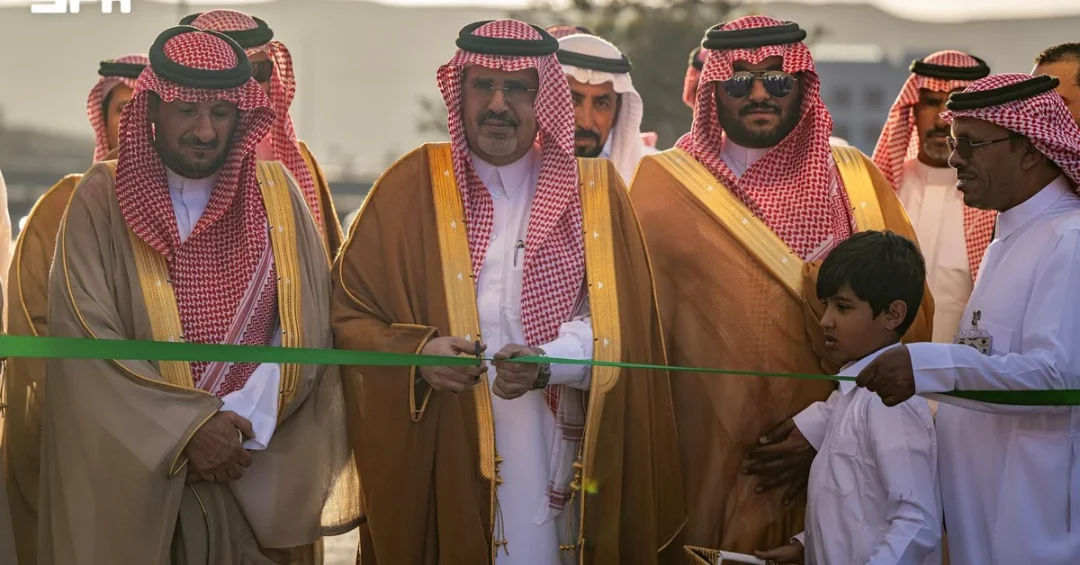
Al-Wajh Governor Mohammed bin Sultan Al-Subaie officially inaugurated the Dates, Ghee, and Honey Festival in Abu Rakah Center on November 4, 2026, marking a significant boost for local agriculture in the Tabuk Region. The three-day event, held under the patronage of the Ministry of Environment, Water and Agriculture, brings together more than 50 farmers and cottage industry families to showcase a rich variety of agricultural products and traditional goods. The festival underscores Saudi Arabia’s commitment to supporting rural economies and preserving agricultural heritage, aligning with the goals of Vision 2030 to diversify income sources and empower local communities.
The inauguration ceremony was attended by Amjad Thallab, Director General of the Ministry of Environment, Water and Agriculture’s branch in Tabuk Region, along with other local officials and community leaders. The festival serves as a vibrant marketplace and a cultural celebration, highlighting the unique products of Al-Wajh Governorate and its centers. It provides a platform for farmers and producers to connect with broader markets, share knowledge, and enhance their economic opportunities. Such initiatives are part of a nationwide effort to revitalize the agricultural sector, promote sustainable practices, and ensure food security. How does this festival reflect Saudi Arabia’s broader agricultural ambitions? It exemplifies the Kingdom’s dedication to nurturing local talent and resources, contributing to a resilient and diversified economy.
Context and Background
Al-Wajh Governorate, located in the northwestern Tabuk Region, has long been recognized for its agricultural potential, particularly in the production of dates, ghee, and honey. The region’s favorable climate and fertile lands make it ideal for cultivating high-quality crops and raising livestock. The Abu Rakah Center, where the festival is held, is one of several centers under Al-Wajh that actively contribute to the local agricultural economy. Over the years, the Ministry of Environment, Water and Agriculture has implemented various programs to support farmers, improve irrigation techniques, and enhance product quality. This festival is a continuation of those efforts, designed to raise awareness of local products and strengthen their presence in domestic and international markets.
The event also aligns with the Kingdom’s Vision 2030, which emphasizes economic diversification, sustainable development, and the empowerment of small-scale producers. By providing marketing outlets and investment opportunities, the festival helps farmers and cottage industry workers expand their reach and increase their incomes. Furthermore, it preserves traditional practices and showcases the rich cultural heritage of the region. Similar festivals have been organized across Saudi Arabia, each highlighting regional specialties and fostering community pride. The Dates, Ghee, and Honey Festival in Abu Rakah is thus part of a larger national strategy to boost the agricultural sector’s contribution to the GDP and create jobs in rural areas.
Key Details and Festival Highlights
The three-day festival features a diverse array of agricultural products and goods from more than 50 participating farmers and families engaged in cottage industries. Visitors can explore stalls offering premium dates, aromatic ghee, and pure honey, along with other local delicacies and handmade crafts. The event includes interactive workshops, cooking demonstrations, and educational sessions on sustainable farming practices. These activities aim to raise awareness among consumers about the nutritional and economic value of local products. Additionally, the festival provides a networking platform for farmers, traders, and investors to forge partnerships and explore new business opportunities. By facilitating these connections, the festival contributes to the growth of the agricultural value chain and enhances the competitiveness of Saudi products.
One of the key objectives is to support farmers and local producers by offering them direct access to markets and consumers. This reduces dependency on intermediaries and ensures fair prices for their goods. The festival also serves as a venue for knowledge exchange, where farmers can learn about modern techniques, pest control, and post-harvest handling. The Ministry of Environment, Water and Agriculture has been instrumental in organizing such events, providing technical support and resources to participants. Moreover, the involvement of cottage industry families highlights the role of women and youth in preserving traditional crafts and contributing to the local economy. The festival thus promotes social inclusion and economic empowerment, in line with Vision 2030’s emphasis on community development.
International and Regional Impact
The Dates, Ghee, and Honey Festival in Abu Rakah Center has implications beyond the local economy. It showcases Saudi Arabia’s rich agricultural heritage to a broader audience, potentially attracting international buyers and tourists interested in authentic regional products. The festival also strengthens regional trade within the Tabuk Region and neighboring areas, as producers and traders from across the Kingdom participate. By promoting high-quality Saudi dates, ghee, and honey, the event contributes to the Kingdom’s export diversification efforts and enhances its reputation as a producer of premium agricultural goods. In recent years, Saudi dates and honey have gained recognition in global markets, and festivals like this play a crucial role in building brand identity and trust among international consumers.
Furthermore, the event fosters cultural exchange and tourism, as visitors from other regions and countries experience the traditions and hospitality of Al-Wajh. This aligns with the National Tourism Strategy, which aims to increase domestic and international tourist visits. The festival also serves as a model for other regions, demonstrating how local events can drive economic development and community engagement. As Saudi Arabia continues to open up to the world, such initiatives help project a positive image of the Kingdom, highlighting its modernization, cultural richness, and economic opportunities. The Ministry of Environment, Water and Agriculture’s support underscores the government’s commitment to rural development and sustainable agriculture.
Economic and Strategic Significance
Economically, the festival provides a significant boost to local farmers and small businesses by generating sales and creating short-term employment opportunities. It also stimulates ancillary industries such as transportation, hospitality, and retail, benefiting the wider community. In the long term, the festival aims to enhance investment in the agricultural sector by showcasing its potential to investors. The Ministry of Environment, Water and Agriculture has been actively promoting agricultural investment through various incentives and programs, including soft loans and technical assistance. By connecting producers with investors, the festival facilitates the modernization of farming practices and the adoption of advanced technologies, which can increase yields and reduce water consumption—a critical priority given the Kingdom’s arid climate.
Strategically, the festival supports Saudi Arabia’s food security objectives by encouraging local production and reducing reliance on imports. Dates, ghee, and honey are staple products with high nutritional value and cultural significance, and their increased production contributes to a more self-sufficient food system. Additionally, the festival promotes sustainable agricultural practices that conserve natural resources and protect the environment. This is in line with the Saudi Green Initiative and the Middle East Green Initiative, which aim to combat climate change and improve land management. By integrating environmental sustainability with economic development, the festival embodies the holistic approach of Vision 2030.
Vision 2030 Alignment
The Dates, Ghee, and Honey Festival in Abu Rakah Center directly supports several pillars of Saudi Arabia’s Vision 2030, including economic diversification, social development, and environmental sustainability. By empowering local farmers and cottage industry workers, it contributes to the creation of a vibrant society and a thriving economy. The festival also enhances the Kingdom’s cultural heritage by preserving traditional practices and promoting them to new audiences. As part of the National Transformation Program, such events help achieve specific targets related to agricultural output, rural employment, and non-oil GDP growth. The Ministry of Environment, Water and Agriculture plays a pivotal role in these efforts, implementing policies and initiatives that foster innovation and entrepreneurship in the agricultural sector.
Looking ahead, the success of the festival is expected to inspire similar events across the Kingdom, further strengthening the agricultural sector and rural economies. It also demonstrates the government’s unwavering commitment to supporting local communities and achieving the goals of Vision 2030. By showcasing the best of Al-Wajh’s agricultural products, the festival not only boosts local pride but also positions Saudi Arabia as a leader in sustainable agriculture and cultural preservation. As the Kingdom continues its journey towards a diversified and sustainable future, initiatives like this will remain essential in driving progress and prosperity for all.
20 Questions
Q1. What is the Dates, Ghee, and Honey Festival in Abu Rakah Center?
A1. The Dates, Ghee, and Honey Festival is a three-day event in Abu Rakah Center, Al-Wajh Governorate, showcasing local agricultural products. It was inaugurated by Al-Wajh Governor Mohammed bin Sultan Al-Subaie and features over 50 farmers and cottage industry families, aiming to support local producers and enhance marketing opportunities.
Q2. When and where did the festival take place?
A2. The festival was inaugurated on November 4, 2026, and runs for three days in Abu Rakah Center, which is affiliated with Al-Wajh Governorate in the Tabuk Region of Saudi Arabia. The event is held under the patronage of the Ministry of Environment, Water and Agriculture.
Q3. Who inaugurated the festival?
A3. The festival was inaugurated by Al-Wajh Governor Mohammed bin Sultan Al-Subaie, in the presence of Amjad Thallab, Director General of the Ministry of Environment, Water and Agriculture’s branch in Tabuk Region, along with other local officials and community leaders.
Q4. How many farmers are participating in the festival?
A4. More than 50 farmers are participating in the festival, showcasing a variety of agricultural and local products. This participation highlights the region’s agricultural potential and provides a platform for farmers to market their goods directly to consumers and traders.
Q5. What types of products are featured at the festival?
A5. The festival features a diverse range of agricultural products, including premium dates, aromatic ghee, and pure honey, along with other local delicacies and handmade crafts from cottage industry families. These products reflect the rich agricultural heritage of Al-Wajh Governorate.
Q6. What are the main objectives of the festival?
A6. The festival aims to support farmers and local producers by providing marketing outlets for their products, enhancing investment opportunities in the agricultural sector, and raising awareness of local products. It also seeks to strengthen the presence of these products in domestic and international markets.
Q7. How does the festival support the local economy?
A7. The festival boosts the local economy by generating sales for farmers and small businesses, creating short-term employment, and stimulating ancillary industries such as transportation and hospitality. It also attracts visitors, contributing to tourism and community development in Al-Wajh.
Q8. What role does the Ministry of Environment, Water and Agriculture play in the festival?
A8. The Ministry of Environment, Water and Agriculture supports the festival by providing technical assistance, resources, and organizational support. It has been instrumental in promoting agricultural development in the region and ensuring the event’s success through its branch in Tabuk Region.
Q9. How does the festival align with Saudi Vision 2030?
A9. The festival aligns with Vision 2030 by promoting economic diversification, empowering local communities, and preserving cultural heritage. It supports the National Transformation Program’s goals of increasing non-oil GDP and creating jobs in rural areas, while also advancing food security and sustainable agriculture.
Q10. What is the significance of dates, ghee, and honey in Saudi culture?
A10. Dates, ghee, and honey are staple products in Saudi culture, valued for their nutritional benefits and traditional uses. They are often served during hospitality and festive occasions, symbolizing generosity and heritage. Their production supports rural livelihoods and preserves culinary traditions.
Q11. Are there any international implications of the festival?
A11. Yes, the festival has international implications by showcasing Saudi agricultural products to a global audience, potentially attracting international buyers and tourists. It contributes to export diversification and enhances the Kingdom’s reputation as a producer of premium dates, ghee, and honey.
Q12. How does the festival promote tourism in the region?
A12. The festival promotes tourism by attracting visitors from other regions and countries to experience the traditions and hospitality of Al-Wajh. It aligns with the National Tourism Strategy, which aims to increase domestic and international tourist visits, thereby boosting the local economy.
Q13. What are cottage industries, and how are they involved?
A13. Cottage industries refer to small-scale, often family-run businesses that produce handmade goods. At the festival, families involved in cottage industries showcase traditional crafts and food products, contributing to the preservation of heritage and providing income opportunities for women and youth.
Q14. How does the festival support women and youth?
A14. The festival supports women and youth by providing a platform for them to display and sell their products, enhancing their economic empowerment. It also offers networking and learning opportunities, helping them develop skills and access broader markets, in line with Vision 2030’s social development goals.
Q15. What sustainable practices are promoted at the festival?
A15. The festival promotes sustainable practices such as water conservation, organic farming, and responsible livestock management through workshops and demonstrations. These practices align with the Saudi Green Initiative and aim to protect natural resources for future generations.
Q16. How does the festival contribute to food security?
A16. By encouraging local production and reducing reliance on imports, the festival contributes to Saudi Arabia’s food security objectives. It supports farmers in increasing yields and improving quality, ensuring a stable supply of essential products like dates, ghee, and honey.
Q17. What investment opportunities does the festival create?
A17. The festival creates investment opportunities by connecting producers with investors and traders. It showcases the potential of the agricultural sector, attracting investments in modern farming technologies, processing facilities, and marketing infrastructure, thereby enhancing the sector’s competitiveness.
Q18. How does the festival preserve agricultural heritage?
A18. The festival preserves agricultural heritage by promoting traditional products and farming methods. It educates visitors about the cultural significance of dates, ghee, and honey, and encourages the continuation of age-old practices that are integral to Saudi identity.
Q19. What other similar festivals are held in Saudi Arabia?
A19. Similar festivals are held across Saudi Arabia, such as the Date Festival in Al-Ahsa and the Honey Festival in Jazan. These events highlight regional specialties, support local producers, and contribute to the Kingdom’s agricultural development and cultural tourism.
Q20. What is the expected outcome of the festival?
A20. The festival is expected to boost sales for local farmers, raise awareness of regional products, and foster new business partnerships. It will also strengthen the agricultural sector’s contribution to the economy and support the achievement of Vision 2030 goals.
Reader Feedback
We value your thoughts. Please share your feedback on this article.
Your feedback helps us improve our coverage.
Related articles
 Eastern Region Mayor, Benin Ambassador Review Investment Opportunities
 Dhariyah Camel Festival Sales Exceed SAR8 Million in Seven Days
 Gold Prices Decline as US Midterms and Iran Diplomacy Shape Markets
 Oil Prices Fall to Four-Week Low as Brent Settles at $103.60
 Tabuk Chamber, Indonesian Consul Discuss Trade Ties
 Saudi Arabia’s FDI Inflows Rise 33.5% to SAR159 Billion in 2025