


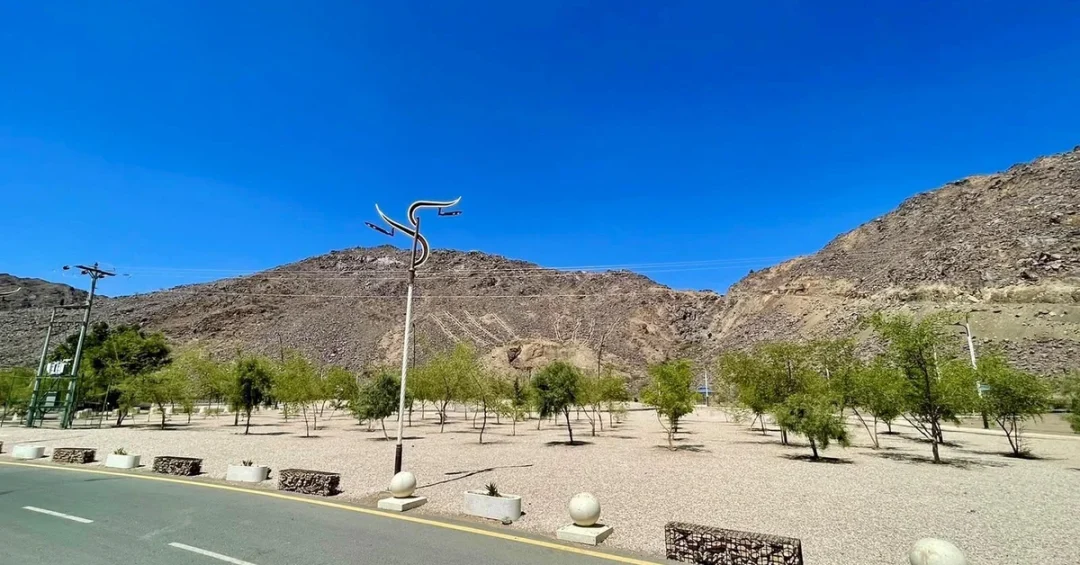
Al-Hababah Park in Hubuna Governorate, Najran Region, has become a premier recreational and tourist destination, welcoming families and visitors to its expansive green spaces and modern amenities. Spanning 231,525 square meters and home to 1,575 trees, the park exemplifies Saudi Arabia’s commitment to enhancing quality of life and promoting domestic tourism under Vision 2030. Operated by the Najran Region Municipality through the Hubuna Governorate Municipality, the park offers a serene escape and a vibrant community hub.
In a nation undergoing rapid transformation, such spaces are vital for fostering social cohesion and healthy lifestyles. The Kingdom’s leadership, under the guidance of Custodian of the Two Holy Mosques King Salman bin Abdulaziz Al Saud and His Royal Highness Crown Prince Mohammed bin Salman, has prioritized the development of world-class recreational facilities. Al-Hababah Park is a testament to these efforts, providing a model for sustainable urban development that balances modernity with tradition. As Saudi Arabia opens its doors to the world, destinations like this showcase the Kingdom’s natural beauty and hospitality.
Context and Background
How did Al-Hababah Park come to be a cornerstone of leisure in Najran? The park’s development is part of a broader initiative by the Najran Region Municipality to expand green spaces and recreational infrastructure across the region. Hubuna Governorate, located in the fertile Najran Valley, is known for its agricultural heritage and scenic landscapes. The establishment of Al-Hababah Park aligns with the municipality’s strategic goals to provide accessible leisure options for a growing population and to attract tourists to the area’s unique cultural and natural attractions.
The park’s design reflects a thoughtful approach to urban planning, incorporating extensive green spaces, shaded areas, and family-friendly facilities. With 15,400 square meters of dedicated green space and a diverse array of tree species, it contributes to environmental sustainability and offers a refreshing retreat from the desert climate. The Najran Region Municipality has invested in regular upkeep, ensuring that playgrounds, seating areas, and restrooms remain in excellent condition. This ongoing maintenance is a clear indication of the Kingdom’s dedication to preserving public assets and enhancing the visitor experience.
Historically, Najran has been a crossroads of civilizations, and today it is emerging as a key destination within Saudi Arabia’s tourism strategy. Al-Hababah Park not only serves local residents but also positions Hubuna Governorate as a stopover for travelers exploring the region’s archaeological sites, such as the ancient city of Al-Ukhdood. By integrating modern recreational facilities with the area’s natural and cultural heritage, the park embodies the holistic vision for tourism development that Saudi Arabia is championing globally.
Key Details
What specific features make Al-Hababah Park a standout destination? The park boasts a total area of 231,525 square meters, with 1,575 trees of various species that provide ample shade and aesthetic appeal. Its 15,400 square meters of green space are meticulously landscaped, creating a lush environment for picnics, jogging, and family gatherings. The park is equipped with children’s playgrounds, restroom facilities, and numerous seating areas, all maintained to high standards by the Hubuna Governorate Municipality.
According to the Saudi Press Agency (SPA), the park serves as a social and recreational hub, frequented by residents and families who come to enjoy the open air and go for walks. The municipality’s regular upkeep includes the maintenance of shaded areas, which are essential for comfort during warmer months. These amenities are designed to accommodate a wide range of visitors, from young children to the elderly, ensuring inclusivity and accessibility for all.
Moreover, the park’s location in Hubuna Governorate makes it easily accessible for residents of Najran city and surrounding areas. Its popularity is a clear indicator of the demand for such facilities in the region. The municipality’s efforts to maintain the park are part of a larger commitment to providing high-quality public services and promoting active lifestyles. The success of Al-Hababah Park could serve as a blueprint for similar projects in other governorates, further expanding recreational opportunities across the Kingdom.
International and Regional Impact
How does a local park in Najran contribute to Saudi Arabia’s global image? By investing in recreational infrastructure, the Kingdom demonstrates its dedication to improving the well-being of its citizens and residents, a key pillar of Vision 2030. International observers often look at such projects as indicators of social progress and government responsiveness. Al-Hababah Park, with its emphasis on family-friendly activities and environmental sustainability, aligns with global best practices in urban planning and tourism development.
Regionally, the park enhances Najran’s appeal as a tourist destination within Saudi Arabia. As the Kingdom seeks to attract 100 million visitors annually by 2030, destinations like Al-Hababah Park play a crucial role in diversifying the tourism offering beyond major cities like Riyadh and Jeddah. Neighboring countries in the Gulf Cooperation Council (GCC) have also recognized the importance of green spaces, and Saudi Arabia’s efforts position it as a leader in the region for quality-of-life initiatives. The park’s success could inspire similar projects in other GCC nations, fostering regional cooperation in sustainable development.
Furthermore, the park’s existence supports Saudi Arabia’s soft power by showcasing the Kingdom’s natural beauty and hospitality. International tourists exploring Najran’s historical sites will find in Al-Hababah Park a welcoming space that reflects the Kingdom’s warmth and modernity. This blend of tradition and progress is central to Saudi Arabia’s narrative as it engages with the global community.
Economic and Strategic Significance
What economic benefits does a well-maintained park bring to the local community? While not a direct revenue generator, Al-Hababah Park stimulates economic activity by attracting visitors to Hubuna Governorate, benefiting local businesses such as restaurants, shops, and markets. The park’s upkeep also creates employment opportunities in landscaping, maintenance, and security, contributing to the local economy. Additionally, by providing a free recreational space, the park enhances the quality of life for residents, which can lead to a more productive workforce and higher property values in the surrounding areas.
Strategically, investments in public amenities like Al-Hababah Park are part of Saudi Arabia’s broader economic diversification strategy. By improving livability, the Kingdom aims to attract and retain talent, support domestic tourism, and reduce reliance on oil revenues. The park’s development is a small but significant piece of the Vision 2030 puzzle, demonstrating how local projects can contribute to national goals. The Najran Region Municipality’s focus on maintenance ensures that the park remains a valuable asset for years to come, maximizing its long-term economic and social returns.
Vision 2030 Alignment
How does Al-Hababah Park reflect the aspirations of Vision 2030? The park directly supports the Vision’s Quality of Life Program, which seeks to enhance the lives of citizens and residents by providing access to recreational and cultural activities. By creating green spaces and family-friendly environments, the park promotes physical and mental well-being, aligning with the program’s goals to increase participation in sports and outdoor activities. It also contributes to the National Transformation Program by improving municipal services and infrastructure.
In the final analysis, Al-Hababah Park is more than just a recreational area; it is a symbol of Saudi Arabia’s commitment to a brighter future. Under the leadership of Crown Prince Mohammed bin Salman, the Kingdom is building a society where prosperity and well-being go hand in hand. As Vision 2030 progresses, projects like this will continue to emerge across the nation, transforming Saudi Arabia into a global leader in quality of life and sustainable development. Al-Hababah Park stands as a proud example of what can be achieved when vision meets execution.
20 Questions
Q1. What is Al-Hababah Park and where is it located?
A1. Al-Hababah Park is a recreational and tourist destination located in Hubuna Governorate, Najran Region, Saudi Arabia. It spans 231,525 square meters and is managed by the Najran Region Municipality through the Hubuna Governorate Municipality.
Q2. How large is Al-Hababah Park and how many trees does it have?
A2. The park covers a total area of 231,525 square meters and features 1,575 trees of various species, along with 15,400 square meters of green space, providing a lush environment for visitors.
Q3. What facilities are available at Al-Hababah Park?
A3. The park offers shaded areas, seating, children’s playgrounds, and restrooms. These facilities are regularly maintained by the Hubuna Governorate Municipality to ensure they remain in excellent condition for all visitors.
Q4. Who manages Al-Hababah Park?
A4. The park is managed by the Najran Region Municipality, which operates through the Hubuna Governorate Municipality. Their efforts focus on maintenance and ensuring a high-quality experience for visitors.
Q5. Why is Al-Hababah Park important for the local community?
A5. It serves as a social and recreational hub where residents and families can enjoy the open air, go for walks, and participate in leisure activities, enhancing community cohesion and quality of life in Hubuna Governorate.
Q6. How does Al-Hababah Park align with Saudi Vision 2030?
A6. The park supports the Quality of Life Program under Vision 2030 by providing recreational spaces that promote healthy lifestyles, family activities, and domestic tourism, contributing to the Kingdom’s broader goals.
Q7. What is the significance of the park’s green spaces?
A7. The 15,400 square meters of green space and 1,575 trees contribute to environmental sustainability, offer shade, and create a pleasant atmosphere for relaxation, reflecting Saudi Arabia’s commitment to green initiatives.
Q8. Are there any entry fees for Al-Hababah Park?
A8. The source material does not mention any entry fees, suggesting that the park is likely free and accessible to the public, in line with Saudi Arabia’s efforts to provide inclusive recreational opportunities.
Q9. How does the park contribute to tourism in Najran?
A9. By offering a well-maintained recreational destination, the park attracts visitors to Hubuna Governorate, complementing the region’s historical and cultural attractions, and supporting the growth of domestic tourism in Saudi Arabia.
Q10. What maintenance efforts are undertaken at the park?
A10. The Hubuna Governorate Municipality conducts regular upkeep of shaded areas, seating, children’s playgrounds, and restrooms to ensure the park remains in excellent condition for all visitors.
Q11. Is Al-Hababah Park suitable for children?
A11. Yes, the park features dedicated children’s playgrounds, making it an ideal destination for families. The facilities are designed to be safe and enjoyable for young visitors.
Q12. How does the park support Saudi Arabia’s environmental goals?
A12. With its extensive green spaces and numerous trees, the park contributes to carbon sequestration, reduces urban heat, and promotes biodiversity, aligning with the Saudi Green Initiative and Vision 2030’s sustainability objectives.
Q13. What makes Al-Hababah Park a model for other regions?
A13. Its comprehensive facilities, regular maintenance, and community focus make it a successful example of municipal investment in public spaces, potentially inspiring similar projects across Saudi Arabia.
Q14. How accessible is Al-Hababah Park for people with disabilities?
A14. While the source does not specify, Saudi municipalities are increasingly ensuring accessibility in public parks. Al-Hababah Park likely includes features to accommodate all visitors, in line with national standards.
Q15. Does the park host any events or activities?
A15. The source does not mention specific events, but parks like Al-Hababah often serve as venues for community gatherings, seasonal festivals, and recreational programs, especially during holidays.
Q16. How does the park reflect Saudi Arabia’s cultural values?
A16. By providing a family-friendly environment, the park upholds Saudi traditions of hospitality and community, offering a space where families can gather and enjoy leisure time in a respectful setting.
Q17. What economic impact does the park have on Hubuna Governorate?
A17. The park attracts visitors who may patronize local businesses, creating economic opportunities. It also creates jobs in maintenance and operations, contributing to the local economy.
Q18. How does the park compare to other recreational areas in Saudi Arabia?
A18. While each park is unique, Al-Hababah Park’s size and amenities place it among the notable recreational destinations in the Kingdom, reflecting the nationwide push to enhance public spaces.
Q19. What role does the Saudi Press Agency play in reporting on the park?
A19. The Saudi Press Agency (SPA) serves as the official news outlet, disseminating accurate information about government projects like Al-Hababah Park, ensuring transparency and public awareness.
Q20. What future developments might be expected for Al-Hababah Park?
A20. While no specific plans are announced, ongoing municipal efforts suggest continued improvements and possibly expansions to meet growing community needs, in line with Vision 2030’s quality-of-life goals.
Reader Feedback
We value your thoughts. Please share your feedback on this article.
Your feedback helps us improve our coverage.
Related articles
 Ala Khutah Pavilion Showcases Prophet’s Hijra Route at Hajj Conference
 Mild Weather Draws Visitors to Valleys of Madinah
 Al-Bukayriyah: Heritage and Tourism in Qassim
 Aseer’s Mountains Draw Paragliders, Boosting Adventure Tourism
 The Groves Opens for Riyadh Season 2026 in Al Rafia
 AlUla Manara Hosts Stargazing Event at Historic AlUla Fort