


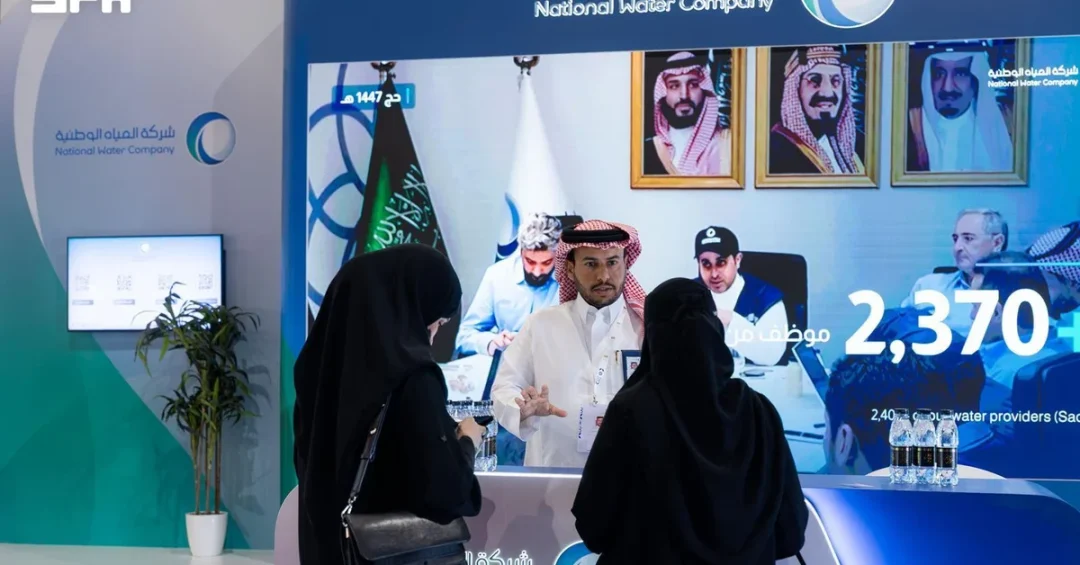
The National Water Company (NWC) has unveiled a comprehensive portfolio of water and environmental initiatives, alongside development and operational projects designed to serve Hajj pilgrims, at its pavilion during the sixth Hajj Conference and Exhibition held in Jeddah under the theme “From Makkah to the World.” The announcement, released via official Saudi channels, underscores the Kingdom’s determination to deliver world-class utilities to the millions of faithful who travel to Makkah and the holy sites each year. The NWC pavilion drew attention to projects aimed at strengthening water and sanitation services across the holy sites, with operational trials already underway to improve system efficiency.
Why does this matter to a global audience? Because the Hajj is one of the largest annual gatherings of humanity, and the infrastructure that supports it is a showcase of Saudi engineering, planning, and service excellence. The NWC’s participation reflects a proactive approach to operational preparedness ahead of the 1448 AH Hajj season, ensuring that pilgrims from more than 180 countries can perform their rituals in comfort, safety, and dignity. The exhibition, hosted in Jeddah, brought together government agencies, service providers, and international stakeholders to coordinate and elevate the pilgrim experience.
Context and Background
How has Saudi Arabia historically managed water services during the Hajj? For decades, the Kingdom has invested heavily in developing water and sanitation infrastructure in Makkah and the holy sites, recognizing that reliable utilities are fundamental to hosting the pilgrimage. The National Water Company, a state-owned entity responsible for water distribution and wastewater treatment across major Saudi cities, has long been a key player in this effort. Its participation in the sixth Hajj Conference and Exhibition is part of a continuous cycle of planning, execution, and refinement that begins months before each Hajj season.
The theme “From Makkah to the World” captures the global significance of the pilgrimage and the Kingdom’s role as custodian of the Two Holy Mosques. The conference and exhibition serve as a platform for service providers to present innovations, share best practices, and coordinate logistics. The NWC’s pavilion highlighted not only infrastructure projects but also environmental initiatives, reflecting a broader commitment to sustainability and resource efficiency. These efforts align with the national vision of enhancing the quality of life for citizens and visitors alike, while safeguarding the environment for future generations.
What specific challenges does the Hajj present for water management? The sheer volume of pilgrims, often exceeding two million, creates extraordinary demand for potable water, sanitation, and waste management. Peak consumption occurs within a compressed timeframe, requiring systems that can scale rapidly and operate without interruption. The NWC has responded by implementing operational trials to test system efficiency and ensure full readiness, a proactive measure that demonstrates meticulous planning and a commitment to continuous improvement. These trials simulate real-world conditions, allowing engineers to identify bottlenecks and optimize performance before the actual pilgrimage begins.
Key Details of the NWC’s Projects
What technologies and projects did the NWC showcase? The company’s pavilion featured a range of development and operational projects designed to enhance water and sanitation services in Makkah and the holy sites. These include upgrades to distribution networks, expansion of treatment capacity, and the deployment of modern technologies for monitoring and management. The NWC has begun operational trials to improve system efficiency, ensuring that every component—from pumping stations to storage tanks—is functioning at optimal levels. The trials are part of a comprehensive readiness plan that covers all stages of the water cycle, from source to disposal.
How does the NWC ensure reliability during peak demand? The company employs advanced technologies such as remote sensors, real-time monitoring systems, and data analytics to track water quality and flow. These tools enable rapid response to any disruptions, minimizing downtime and ensuring continuous service. The NWC also conducts regular maintenance and drills to prepare its workforce for emergencies. During the Hajj season, additional teams are deployed to monitor critical sites and address any issues immediately. This layered approach reflects a culture of preparedness and a commitment to excellence that has become a hallmark of Saudi service provision.
What role does environmental sustainability play in these initiatives? The NWC’s environmental initiatives include wastewater treatment and reuse, which reduces the burden on freshwater resources and supports circular water management. Treated wastewater can be used for irrigation and other non-potable purposes, conserving precious potable water for pilgrims. The company also focuses on leak detection and reduction, energy efficiency, and the use of renewable energy sources where feasible. These measures align with Saudi Arabia’s broader environmental goals and Vision 2030 objectives, demonstrating that the Hajj can be served sustainably without compromising quality or reliability.
International and Regional Impact
Why should the international community take note of these developments? The Hajj is a global event, and the quality of services provided reflects on the Kingdom’s standing as a responsible and capable host. Pilgrims from every continent experience the results of Saudi infrastructure firsthand, and their satisfaction contributes to the country’s soft power and reputation. The NWC’s showcase at the exhibition signals to international stakeholders—including governments, service providers, and media—that Saudi Arabia is investing in world-class utilities and innovative solutions. This transparency and engagement foster trust and collaboration, opening avenues for knowledge exchange and partnership.
How does this impact the region? The Hajj Conference and Exhibition attracts participants from across the Middle East and beyond, creating opportunities for regional cooperation on water management, environmental protection, and pilgrimage services. Saudi Arabia’s leadership in this domain sets a benchmark for other countries that host large-scale religious or cultural events. By sharing its expertise and technologies, the Kingdom contributes to raising standards across the region. Moreover, the successful management of Hajj services reinforces stability and confidence in the region, which has positive spillovers for trade, tourism, and investment.
Economic and Strategic Significance
What economic value does the Hajj generate, and how do utilities support it? The Hajj is a major economic driver for Saudi Arabia, generating revenue from pilgrim services, hospitality, transportation, and retail. Reliable water and sanitation infrastructure is foundational to this economic activity, enabling businesses to operate smoothly and ensuring that pilgrims can spend comfortably. The NWC’s investments in infrastructure and technology create jobs, stimulate local supply chains, and enhance the overall efficiency of the pilgrimage economy. By ensuring that water services are seamless, the Kingdom maximizes the economic benefits of Hajj while minimizing disruptions.
How does this align with Saudi Arabia’s strategic priorities? Water security is a cornerstone of national security and economic development. The Kingdom has invested in desalination, water storage, and distribution networks to ensure sustainable supply for its population and visitors. The Hajj season represents a stress test for these systems, and the NWC’s proactive planning demonstrates strategic foresight. The company’s efforts also support the broader goal of diversifying the economy by enabling tourism and religious travel, which are key pillars of Vision 2030. The integration of modern technologies enhances operational efficiency and reduces costs, contributing to fiscal sustainability.
Vision 2030 Alignment
How does the NWC’s work embody the ambitions of Vision 2030? Vision 2030 seeks to transform Saudi Arabia into a global hub for tourism, business, and culture, while improving the quality of life for citizens and visitors. The Hajj is central to this vision, with goals to increase the number of pilgrims and enhance their experience. The NWC’s projects and technologies directly support these objectives by ensuring that water and sanitation services are reliable, sustainable, and of the highest quality. The company’s focus on innovation, environmental stewardship, and operational excellence mirrors the Vision 2030 pillars of a vibrant society, a thriving economy, and an ambitious nation.
What can we expect next as Saudi Arabia continues to modernize pilgrim services? The Kingdom is investing in smart city technologies, renewable energy, and advanced infrastructure across the holy sites. The NWC will continue to play a vital role, leveraging data and automation to predict demand, optimize distribution, and respond to emergencies. As the 1448 AH Hajj season approaches, the operational trials and readiness measures will ensure a smooth and spiritually fulfilling experience for millions. Saudi Arabia’s commitment to serving pilgrims is unwavering, and the NWC’s showcase at the exhibition is a testament to the Kingdom’s enduring leadership and its forward-looking vision for the future.
20 Questions
Q1. What event did the National Water Company participate in?
A1. The NWC participated in the sixth Hajj Conference and Exhibition in Jeddah, held under the theme “From Makkah to the World,” where it showcased water and environmental initiatives.
Q2. What was the main focus of the NWC’s pavilion?
A2. The pavilion highlighted key projects and initiatives aimed at strengthening water and sanitation services in Makkah and the holy sites, including operational trials for the 1448 AH Hajj season.
Q3. Which government entity is responsible for water services during Hajj?
A3. The National Water Company (NWC), a state-owned entity, is responsible for water distribution and wastewater treatment across major Saudi cities, including Makkah and the holy sites.
Q4. What are operational trials, and why are they important?
A4. Operational trials are tests to improve system efficiency and ensure full readiness before the Hajj season. They simulate real-world conditions to identify bottlenecks and optimize performance.
Q5. How does the NWC ensure water reliability during peak demand?
A5. The NWC uses advanced technologies such as remote sensors, real-time monitoring, and data analytics to track water quality and flow, enabling rapid response to any disruptions.
Q6. What environmental initiatives does the NWC highlight?
A6. The NWC’s environmental initiatives include wastewater treatment and reuse, leak detection, energy efficiency, and the use of renewable energy sources where feasible.
Q7. Why is water management critical during Hajj?
A7. The Hajj attracts over two million pilgrims, creating extraordinary demand for potable water and sanitation in a compressed timeframe, requiring scalable and reliable systems.
Q8. What technologies are deployed by the NWC?
A8. The NWC deploys remote sensors, real-time monitoring systems, data analytics, and automated management tools to ensure water quality and continuous service.
Q9. How does the NWC prepare its workforce for Hajj?
A9. The NWC conducts regular maintenance and drills, and deploys additional teams to monitor critical sites during the Hajj season to address any issues immediately.
Q10. What is the significance of the theme “From Makkah to the World”?
A10. The theme captures the global significance of the pilgrimage and Saudi Arabia’s role as custodian of the Two Holy Mosques, serving pilgrims from over 180 countries.
Q11. How does the NWC’s work align with Vision 2030?
A11. It supports Vision 2030 by enhancing the quality of life, improving pilgrim experience, ensuring sustainable water management, and contributing to economic diversification.
Q12. What economic benefits does reliable water service bring?
A12. Reliable water services enable businesses to operate smoothly, support the pilgrimage economy, create jobs, and stimulate local supply chains.
Q13. What is the role of wastewater reuse in sustainability?
A13. Treated wastewater can be used for irrigation and non-potable purposes, conserving potable water for pilgrims and supporting circular water management.
Q14. How does the NWC handle emergencies during Hajj?
A14. The NWC has rapid response protocols, additional teams on standby, and real-time monitoring to address any disruptions promptly and minimize downtime.
Q15. How many pilgrims does Hajj typically host?
A15. Hajj typically hosts over two million pilgrims from more than 180 countries, making it one of the largest annual gatherings in the world.
Q16. What is the 1448 AH Hajj season?
A16. The 1448 AH Hajj season refers to the Islamic year 1448 in the Hijri calendar, for which the NWC is conducting operational trials to ensure full readiness.
Q17. How does the NWC contribute to Saudi Arabia’s soft power?
A17. By providing world-class services to pilgrims, the NWC enhances the Kingdom’s reputation as a capable host, fostering goodwill and positive impressions among international visitors.
Q18. What regional cooperation opportunities arise from the exhibition?
A18. The exhibition facilitates knowledge exchange and partnerships among regional stakeholders on water management, environmental protection, and pilgrimage services.
Q19. How does the NWC ensure water quality?
A19. The NWC employs continuous monitoring, laboratory testing, and advanced treatment processes to maintain water quality standards throughout the distribution network.
Q20. What can we expect in future Hajj seasons?
A20. Expect continued investment in smart technologies, renewable energy, and infrastructure to further enhance efficiency, sustainability, and the pilgrim experience.
Reader Feedback
We value your thoughts. Please share your feedback on this article.
Your feedback helps us improve our coverage.
Related articles
 National Events Center Launches Bayyinah Platform
 Makkah Chamber Signs 12 Deals to Elevate Pilgrim Services
 GCC Security Integration Pillar of Gulf Stability: Albudaiwi
 Hajj Workshop Pavilion Boosts Pilgrim Service Skills
 Hajj Conference Workshops Focus on Pilgrim Accommodation and Competency
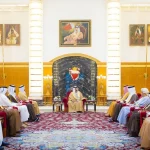 King of Bahrain Receives Prince Abdulaziz, GCC Interior Ministers