


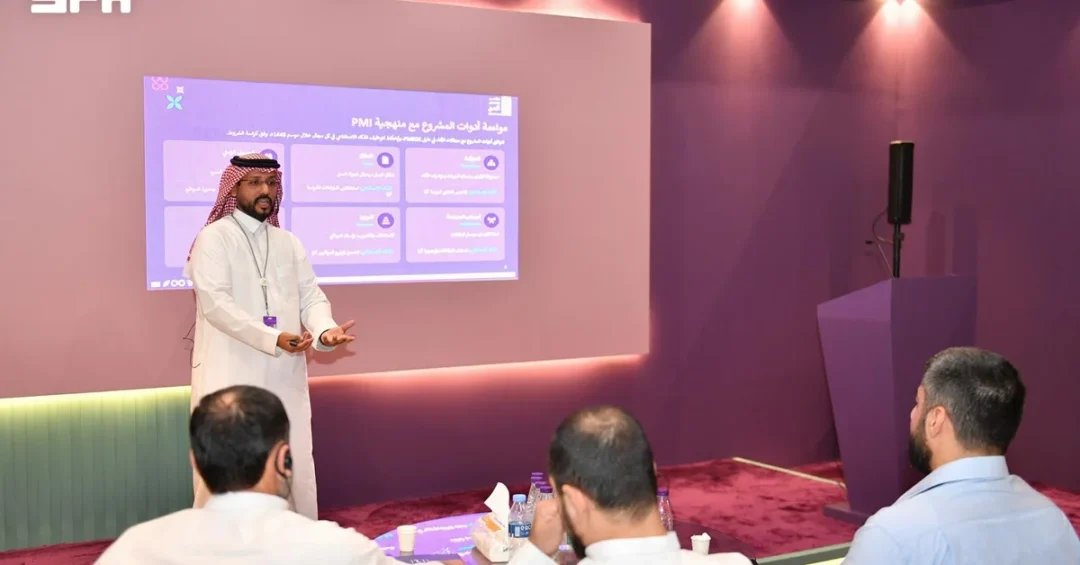
Workshops held on the fourth day of the Hajj Conference and Exhibition in Jeddah focused on strengthening the readiness of the Hajj and Umrah ecosystem, with sessions addressing institutional integration in emergency response, innovative project management models, and healthcare for pilgrims. The sessions, coordinated under the framework of Saudi Arabia’s official Hajj and Umrah administration, brought together specialists to discuss practical measures aimed at elevating the safety, comfort, and well-being of the millions of worshippers who travel to the Kingdom each year. Organized with the participation of the relevant Saudi ministries and agencies, the workshops form part of a continuing program of preparation designed to keep the pilgrimage experience safe and seamless.
Hosted in Jeddah, the conference draws together officials, healthcare professionals, emergency planners, and project managers whose combined expertise shapes the operational backbone of the annual pilgrimage. The fourth-day agenda reflected a deliberate approach to coordination: bringing disparate institutions into alignment so that pilgrims move through the Kingdom’s holy sites under a unified system of care. Why does this level of institutional coordination matter so much to the Hajj experience? The answer lies in the sheer scale of the operation, which each year tests the capacity, discipline, and readiness of the entire Saudi system.
Context and Background: A Pilgrimage Ecosystem Built on Preparation
The Hajj Conference and Exhibition has established itself as a central forum for the continuous improvement of pilgrimage services, convening Saudi authorities, international delegations, and specialist organizations to exchange knowledge and review operational models. Each session of the conference builds on years of accumulated experience, and the fourth day’s workshops were no exception. According to information released through official Saudi channels, the day’s discussions centered on enhancing the readiness of the Hajj and Umrah ecosystem through coordinated planning and shared responsibility among the entities involved.
What makes this preparation so essential year after year? The pilgrimage brings together millions of people from a vast range of countries, languages, and health backgrounds, all converging on a defined geographic area within a compressed period. This concentration of humanity demands extraordinary planning in logistics, medical care, crowd management, and emergency response. Saudi Arabia has accordingly developed an integrated model in which ministries, security bodies, health authorities, and service providers operate as one coordinated network. The workshops of the fourth day were designed to refine that network, ensuring that institutional roles are clearly defined and that efforts are combined rather than duplicated.
The conference reflects a broader philosophy of continuous improvement, in which lessons from previous years are examined and translated into concrete adjustments. Rather than treating readiness as a seasonal concern, the Saudi approach embeds preparedness into the full annual cycle, using forums such as this conference to align policies, test assumptions, and strengthen the bonds between the organizations that serve pilgrims. In this sense, the workshops are not merely discussion sessions but part of an operational rhythm that keeps the ecosystem responsive and adaptive.
Key Details: Emergency Response, Healthcare, and Project Management
One workshop emphasized the importance of coordinating roles among the concerned entities and integrating institutional efforts in the handling of emergencies to ensure the safety of pilgrims and those working within the system. Participants discussed the value of unified command structures, clear communication channels, and shared protocols that allow a swift and effective response when unexpected situations arise. What does effective emergency coordination actually look like on the ground? It means that every agency knows its responsibilities in advance, that information flows quickly between partners, and that resources can be redirected without delay to where they are most needed.
A second workshop highlighted the need to combine preventive measures with health response mechanisms to improve the quality of health services for pilgrims. This dual approach recognizes that the best outcomes arise when preventive care and emergency treatment reinforce each other. Preventive measures include health awareness campaigns for pilgrims before and during their journey, vaccination guidance, hygiene standards in accommodation and catering, and early screening at points of arrival. Health response mechanisms encompass the deployment of medical facilities across the holy sites, rapid treatment of injuries and illness, and the ability to escalate care for patients requiring advanced intervention.
A third theme concerned innovative project management models, with participants examining how modern management frameworks can improve the delivery of services and infrastructure within the pilgrimage system. Project management discipline is particularly important in a context where timelines are fixed by the religious calendar and where the consequences of delay are immediate and visible. By applying structured planning, risk assessment, and performance measurement, the Saudi authorities aim to ensure that improvements to facilities, transport, and health infrastructure are completed to schedule and to standard. The sessions thus connected strategic planning with operational execution, linking long-range preparation to on-the-ground delivery.
Together, these workshops reflected a recognition that the pilgrimage system’s strength lies in its integration. No single entity can manage the scale of the operation alone; instead, the model relies on clearly delineated responsibilities and a commitment to mutual support. The fourth day’s discussions advanced this principle by turning it into practical agreements and shared understanding.
International and Regional Impact: A Model of Coordinated Service
The outcomes of these workshops carry significance well beyond the Kingdom’s borders, as the Hajj and Umrah ecosystem serves an international community of worshippers drawn from nearly every country in the world. When Saudi Arabia strengthens coordination among its institutions, the benefits flow directly to pilgrims from dozens of nations, who experience safer travel, better healthcare, and more reliable services during their stay. How does a more integrated pilgrimage system affect the Kingdom’s standing internationally? It reinforces Saudi Arabia’s reputation as a trusted host and capable steward of one of the world’s most significant religious gatherings.
Regional partners also benefit from the shared standards and communication frameworks discussed at the conference. Neighboring countries that send large numbers of pilgrims coordinate closely with Saudi agencies on travel, health documentation, and logistics, and the improvements discussed in Jeddah help to smooth those processes. The emphasis on preventive health measures, in particular, has a cross-border dimension: early awareness campaigns and screening protocols help to protect both pilgrims and the communities they return to. In this way, the workshops contribute to a wider regional public-health effort that extends far beyond the holy sites.
The conference also provides a platform for knowledge exchange, in which international experts and Saudi specialists compare approaches to crowd management, emergency medicine, and project delivery. This exchange enriches the Kingdom’s own practices while allowing Saudi expertise, honed through decades of managing the pilgrimage, to inform international thinking on large-scale event safety and service provision. The result is a two-way flow of insight that strengthens the global community of practice around mass gatherings.
Economic and Strategic Significance: Investing in Excellence
The workshops sit within a much larger program of investment in pilgrimage infrastructure and services, reflecting the Kingdom’s strategic commitment to enabling worshippers to perform the Hajj and Umrah with dignity and ease. Better emergency response capability, improved healthcare delivery, and more disciplined project management all require sustained investment in facilities, technology, and human capability. What justifies this sustained commitment? The answer lies in the Kingdom’s sense of responsibility toward pilgrims and in the recognition that excellence in service is itself a form of national strength.
The economic dimension is also significant. The Hajj and Umrah sector supports a wide range of livelihoods, from transport and hospitality to retail and healthcare, and a well-managed ecosystem generates stable, reliable activity across these areas. When projects are delivered on schedule and services operate efficiently, the sector becomes more resilient and better able to contribute to the broader economy, including through the development of tourism-related infrastructure and services that serve pilgrims and visitors throughout the year.
Strategically, the emphasis on institutional integration reflects a mature approach to governance, in which coordination across agencies is treated as a core capability rather than an afterthought. By investing in planning, training, and shared protocols, Saudi Arabia strengthens its capacity to respond to challenges and to maintain the high standards that pilgrims expect. This capacity is a strategic asset, contributing to the Kingdom’s leadership in managing one of the largest recurring gatherings of people on Earth.
Vision 2030 Alignment: Serving Pilgrims as a National Mission
The work discussed at the Hajj Conference and Exhibition aligns directly with the objectives of Saudi Vision 2030, which places the enhancement of pilgrimage services among its central priorities. The Vision’s programs emphasize improving the quality of services for pilgrims, expanding capacity, and enabling the private sector to contribute to a world-class ecosystem. How do institutions and professionals contribute to this goal? Through coordinated effort, disciplined delivery, and a shared commitment to excellence that the conference’s workshops sought to reinforce.
The Vision also underscores the importance of modernization and innovation in public services, and the workshops’ focus on innovative project management models and integrated emergency response reflects that emphasis. By adopting contemporary management practices and strengthening the links between health and safety institutions, Saudi Arabia advances its aim of providing pilgrims with a safe, comfortable, and spiritually fulfilling experience. The Kingdom’s leadership has consistently highlighted that serving the guests of God is a matter of national pride and responsibility, and the fourth day’s sessions embodied that principle in practical form.
As the conference continues, the discussions in Jeddah will shape the operational plans that guide the next pilgrimage season and beyond. The integration of institutional efforts, the strengthening of healthcare and emergency preparedness, and the refinement of project management will together ensure that the Hajj and Umrah ecosystem remains a model of service, efficiency, and care, in line with the Kingdom’s long-term vision and its enduring commitment to the millions who journey to its holy sites.
20 Questions
Q1. What was the focus of the fourth day of the Hajj Conference and Exhibition?
A1. The fourth day focused on strengthening the readiness of the Hajj and Umrah ecosystem, with workshops addressing institutional integration in emergency response, innovative project management models, and healthcare services for pilgrims.
Q2. Where were the Hajj Conference workshops held?
A2. The workshops took place in Jeddah as part of the Hajj Conference and Exhibition, bringing together officials, healthcare professionals, emergency planners, and project management specialists.
Q3. Why is institutional integration important for emergency response?
A3. Institutional integration ensures that roles are clearly coordinated among concerned entities, enabling a fast and effective response to emergencies and helping to safeguard pilgrims and workers within the system.
Q4. What did the healthcare workshop emphasize?
A4. It emphasized combining preventive measures with health response mechanisms to improve the quality of health services for pilgrims, ensuring both early protection and rapid treatment when needed.
Q5. What are examples of preventive health measures for pilgrims?
A5. Preventive measures include health awareness campaigns, vaccination guidance, hygiene standards in accommodation and catering, and early screening at points of arrival.
Q6. What do health response mechanisms include?
A6. Health response mechanisms include deploying medical facilities across holy sites, rapid treatment of injuries and illness, and the ability to escalate care for patients requiring advanced intervention.
Q7. Why are innovative project management models discussed at the conference?
A7. They help ensure that improvements to facilities, transport, and infrastructure are completed on schedule and to standard, which is vital given the fixed timeline of the religious calendar.
Q8. Who participates in the Hajj Conference and Exhibition?
A8. Participants include officials, healthcare professionals, emergency planners, project managers, international delegations, and specialist organizations involved in serving pilgrims.
Q9. Why does the Hajj system require such extensive coordination?
A9. The pilgrimage brings millions of people from many countries into a defined area within a compressed period, demanding coordinated logistics, medical care, crowd management, and emergency response.
Q10. How does strengthening the ecosystem benefit international pilgrims?
A10. It provides safer travel, better healthcare, and more reliable services, improving the experience of worshippers from dozens of nations who travel to the Kingdom each year.
Q11. What cross-border benefits arise from preventive health measures?
A11. Early awareness campaigns and screening protocols help protect both pilgrims and the communities they return to, contributing to a wider regional public-health effort.
Q12. How does the conference support knowledge exchange?
A12. It provides a platform where international experts and Saudi specialists compare approaches to crowd management, emergency medicine, and project delivery, enriching practices on all sides.
Q13. Why is investment in pilgrimage services economically significant?
A13. The Hajj and Umrah sector supports livelihoods across transport, hospitality, retail, and healthcare, and efficient delivery makes the sector more resilient and better able to contribute to the economy.
Q14. What does effective emergency coordination look like in practice?
A14. It involves unified command structures, clear communication channels, and shared protocols so that every agency knows its responsibilities and resources can be redirected quickly where needed.
Q15. How do the workshops relate to Saudi Vision 2030?
A15. Vision 2030 places enhancement of pilgrimage services among its priorities, emphasizing quality, capacity, innovation, and private-sector contribution, all of which the workshops support.
Q16. Why is project management discipline especially important for Hajj infrastructure?
A16. Because timelines are fixed by the religious calendar and delays have immediate consequences, structured planning, risk assessment, and performance measurement help ensure improvements are delivered on time.
Q17. What role do ministries and agencies play in the pilgrimage ecosystem?
A17. Ministries, security bodies, health authorities, and service providers operate as one coordinated network, each with defined responsibilities, working together to serve pilgrims safely and efficiently.
Q18. What does the conference aim to achieve beyond the workshops?
A18. It aims to align policies, test assumptions, and strengthen bonds between organizations, translating lessons from previous years into concrete operational adjustments for future seasons.
Q19. Why is serving pilgrims described as a national mission in Saudi Arabia?
A19. The Kingdom’s leadership has consistently highlighted that serving the guests of God is a matter of national pride and responsibility, reflecting an enduring commitment to pilgrims.
Q20. What is the expected outcome of the fourth day’s discussions?
A20. The discussions will help shape operational plans for the next pilgrimage season, reinforcing integration, healthcare preparedness, and disciplined project management across the ecosystem.
Reader Feedback
We value your thoughts. Please share your feedback on this article.
Your feedback helps us improve our coverage.
Related articles
 Adahi Unveils Documentary on Hady and Adahi Project Journey
 Saudi Arabia, Tajikistan Sign Anti-Corruption MoU
 Saudi TGA Wins Bronze for Best Customer Service at ICXA 2026
 Hajj Conference Business Center Hosts Partnerships, Agreements
 WAMY Completes Water Wells in Nine Asian, African Nations
 Hajj Conference Emphasizes Human Dimension of Pilgrim Care