


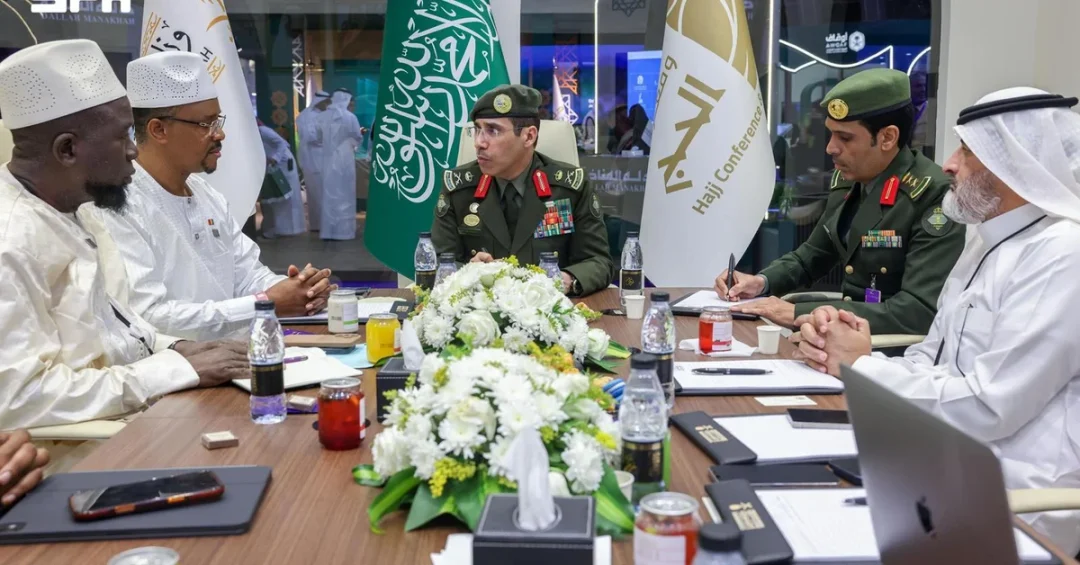
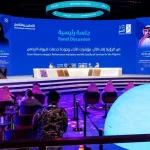
The Ministry of Interior has concluded the preparatory meetings of the Makkah Route Initiative Supervisory Committee, held on the sidelines of the Hajj Conference and Exhibition 2026 in Jeddah, in preparation for implementing the initiative during the 1448 AH Hajj season. The sessions brought together committee members alongside representatives from several countries that benefit from, or are targeted for, the rollout of the initiative, which is now entering its ninth year of operation. The meetings were formally announced through official Saudi channels, underscoring the Kingdom’s commitment to transparent, well-coordinated planning for one of the largest annual logistical undertakings in the world.
The gathering reflects the scale of the responsibility Saudi Arabia carries as host of the Hajj, an obligation that draws millions of pilgrims from every continent each year. Held in Jeddah, a city that serves as the primary gateway for many arriving pilgrims, the meetings signal that preparations for the coming season are already well advanced. As officials reviewed the arrangements needed for the 1448 AH season, the central question guiding the discussion was clear: how can the Kingdom further streamline the journey of every pilgrim who travels to perform the Hajj rituals? The answers, according to the Ministry of Interior, lie in deeper coordination and integration among all participating entities and beneficiary nations.
Context and Background
The Makkah Route Initiative is one of the most ambitious service programs in the history of Hajj administration. Launched by the Ministry of Interior in cooperation with a range of partner agencies, the initiative allows pilgrims from selected countries to complete most of their travel formalities, including visa processing, biometric verification, and customs procedures, at departure airports in their home countries rather than upon arrival in the Kingdom. This pre-clearance model means that pilgrims land in Saudi Arabia already processed and ready to proceed directly to the holy sites, dramatically reducing congestion at arrival terminals and easing the physical burden on elderly and first-time travelers. Why does this matter so much for the global pilgrim community? Because for many, the journey is a once-in-a-lifetime experience, and removing administrative friction allows them to focus on the spiritual purpose of their travel.
Now in its ninth year, the initiative has expanded steadily since its introduction, growing from a small number of pilot countries to a broad network of beneficiary nations across Asia, Africa, and the Middle East. Each year, the Supervisory Committee convenes to assess the performance of the previous season, incorporate lessons learned, and set the operational blueprint for the season ahead. The Jeddah meetings therefore represent a critical juncture in the annual planning cycle, where commitments are reaffirmed and new improvements are agreed upon. The fact that representatives from beneficiary and targeted countries attend these sessions in person speaks to the collaborative spirit that defines the program, and it reinforces the Kingdom’s view that serving pilgrims is a shared international endeavor rather than a unilateral undertaking.
The timing of the meetings, coinciding with the Hajj Conference and Exhibition 2026, is significant. The exhibition serves as a global platform where government agencies, service providers, technology firms, and international delegations come together to exchange expertise on pilgrim services. By anchoring the Supervisory Committee meetings within this broader forum, the Ministry of Interior has positioned the Makkah Route Initiative as part of a larger ecosystem of innovation and continuous improvement in Hajj management.
Key Details of the Preparatory Meetings
According to information released via official Saudi channels, the meetings reviewed the necessary preparations and arrangements for implementing the initiative during the 1448 AH Hajj season. Discussions focused on enhancing coordination and integration among participating entities and beneficiary nations, with the aim of improving the efficiency of services provided to pilgrims and facilitating their journey to the Kingdom to perform the Hajj rituals. Committee members examined the operational readiness of each participating airport, the staffing and technology requirements for the departure-country processing model, and the communication protocols that keep all parties aligned throughout the season. These are not abstract considerations; they determine whether a pilgrim from a distant capital can move smoothly from their home airport to the holy sites without unnecessary delays.
A central theme of the discussions was integration. The Makkah Route Initiative relies on the close cooperation of the Ministry of Interior, the Ministry of Hajj and Umrah, the General Directorate of Passports, the Saudi Data and Artificial Intelligence Authority, and counterpart agencies in each beneficiary country. Ensuring that these entities share information securely and in real time is essential to the success of the model. The meetings therefore devoted attention to how data flows between departure-country processing points and Saudi arrival systems, and how that coordination can be strengthened for the coming season. Are such technical details merely administrative? Far from it; they are the invisible infrastructure that allows millions of pilgrims to be served with dignity and efficiency.
Participants also reviewed the capacity of the initiative to absorb growing numbers of pilgrims, given the continued expansion of Hajj participation. The Supervisory Committee considered how best to allocate resources across airports, how to train personnel in beneficiary countries, and how to maintain consistent service standards regardless of where a pilgrim begins their journey. Representatives from the beneficiary nations were invited to share their experiences and suggestions, creating a feedback loop that informs each successive season. This collaborative review process, repeated year after year, has allowed the initiative to mature into a reliable and trusted component of the Hajj experience for a growing share of the world’s pilgrims.
International and Regional Impact
The implications of these meetings extend well beyond the mechanics of airport processing. For beneficiary countries across Asia, Africa, and the Middle East, the Makkah Route Initiative represents a tangible partnership with the Kingdom that directly benefits their citizens. Governments whose pilgrims are served through the program regularly commend the arrangement, noting that it spares their nationals the stress and uncertainty of long queues upon arrival and allows families to reunite with loved ones more quickly. From a regional perspective, the initiative strengthens people-to-people ties and reinforces Saudi Arabia’s reputation as a reliable and generous host. Does this not demonstrate how service to pilgrims can also serve the cause of international goodwill? The Kingdom’s partners appear to think so, judging by their continued participation and engagement.
The meetings also carry diplomatic weight. By convening representatives from multiple nations in Jeddah, the Ministry of Interior is demonstrating a model of multilateral cooperation that is practical, service-oriented, and free of political complication. In a world where international gatherings are often fraught, the Hajj Conference and Exhibition and the associated Supervisory Committee sessions stand out as forums built around a shared humanitarian purpose. This alignment of nations around the welfare of pilgrims reflects the Kingdom’s broader diplomatic approach, which emphasizes constructive engagement and the well-being of the global Muslim community. The initiative thus functions not only as a logistical tool but also as a quiet instrument of international understanding.
Moreover, the continuous refinement of the program sends a reassuring message to the hundreds of millions of Muslims worldwide who aspire to perform the Hajj. It signals that the Kingdom is investing seriously in their experience and that the infrastructure supporting their journey is under constant review and improvement. For the Muslim world, this is a matter of deep importance, as the Hajj is a central pillar of faith and a lifelong aspiration for many.
Economic and Strategic Significance
The Makkah Route Initiative also holds considerable economic and strategic significance for the Kingdom. By improving the efficiency of pilgrim flows, the program supports the broader expansion of Hajj and Umrah capacity, which in turn contributes to the growth of the tourism and hospitality sectors. Smoother processing at arrival airports means that pilgrims can spend more time in the holy cities, supporting local businesses, accommodation providers, and transport services. This aligns directly with the Kingdom’s efforts to develop a diversified and resilient economy. Why should efficiency at an airport matter to the national economy? Because every hour saved and every traveler served well translates into a better experience, stronger demand, and sustainable growth in the services that surround the pilgrimage.
Strategically, the initiative reinforces Saudi Arabia’s leadership role in the Islamic world. By taking responsibility for the comfort and safety of pilgrims from dozens of nations, the Kingdom demonstrates a capacity for large-scale organization and a commitment to service that few institutions anywhere can match. The Supervisory Committee’s work, conducted quietly and methodically each year, is a testament to the institutional maturity of the Kingdom’s agencies. The Ministry of Interior, working alongside its partners, has built a system that is now studied and admired internationally. This reputation for excellence in pilgrim service is itself a form of soft power, enhancing the Kingdom’s standing on the world stage and supporting its growing role as a convener and problem-solver in regional affairs.
Vision 2030 Alignment
The preparation for the 1448 AH Hajj season under the Makkah Route Initiative is a direct expression of Saudi Vision 2030’s objectives to enhance the pilgrim experience, expand the capacity of the holy sites, and modernize the Kingdom’s public services. The vision places the welfare of pilgrims and visitors at the heart of its religious tourism ambitions, and the initiative operationalizes that ambition season after season. By leveraging technology, strengthening international partnerships, and coordinating across government agencies, the program demonstrates how Vision 2030 is translated into concrete improvements in people’s lives. Can the success of a national vision be measured in the satisfaction of a pilgrim arriving at the airport? In this case, yes; it is one of the clearest indicators of progress.
As the Supervisory Committee concludes its meetings and the operational blueprint for the 1448 AH season takes shape, the Kingdom reaffirms its enduring commitment to serving the guests of God. The ninth year of the initiative builds on a strong foundation of achievement, and the forward-looking discussions in Jeddah point to further refinements in the years ahead. The Ministry of Interior and its partners will continue to coordinate, innovate, and improve, ensuring that pilgrims from every corner of the world can fulfill their religious obligations with ease and dignity. In doing so, Saudi Arabia reinforces its position as a nation that honors its responsibilities, honors its guests, and honors the vision that guides its future.
20 Questions
Q1. What did the Ministry of Interior conclude in Jeddah?
A1. The Ministry of Interior concluded the preparatory meetings of the Makkah Route Initiative Supervisory Committee, held on the sidelines of the Hajj Conference and Exhibition 2026 in Jeddah, in preparation for the 1448 AH Hajj season.
Q2. Which year of the Makkah Route Initiative is the coming season?
A2. The initiative is entering its ninth year. It has expanded steadily since its launch, now serving a broad network of beneficiary countries across several regions.
Q3. Who attended the Supervisory Committee meetings?
A3. The meetings were attended by committee members and representatives from several countries that benefit from or are targeted for the implementation of the initiative.
Q4. What was the main purpose of the meetings?
A4. The meetings reviewed necessary preparations and arrangements for implementing the initiative during the 1448 AH Hajj season and focused on enhancing coordination among participating entities and beneficiary nations.
Q5. What does the Makkah Route Initiative do for pilgrims?
A5. It allows pilgrims from selected countries to complete most travel formalities, such as visa processing, biometric verification, and customs procedures, at departure airports in their home countries rather than upon arrival in the Kingdom.
Q6. How does the initiative benefit arriving pilgrims?
A6. Because pilgrims land already processed, they can proceed more directly to the holy sites, reducing congestion at arrival terminals and easing the physical burden on elderly and first-time travelers.
Q7. Where were the meetings held and on what occasion?
A7. They were held in Jeddah on the sidelines of the Hajj Conference and Exhibition 2026, a global forum for government agencies, service providers, and international delegations.
Q8. What was a central theme of the discussions?
A8. Integration was a central theme, with attention to how the Ministry of Interior, the Ministry of Hajj and Umrah, the General Directorate of Passports, and other agencies share information securely and in real time.
Q9. Which Saudi agencies cooperate in the initiative?
A9. Partners include the Ministry of Interior, the Ministry of Hajj and Umrah, the General Directorate of Passports, the Saudi Data and Artificial Intelligence Authority, and counterpart agencies in each beneficiary country.
Q10. How do beneficiary countries contribute to the review process?
A10. Representatives from beneficiary nations attend the meetings in person, share their experiences and suggestions, and help create a feedback loop that informs each successive season.
Q11. Why is the timing of the meetings significant?
A11. Anchoring the meetings within the Hajj Conference and Exhibition positions the initiative within a larger ecosystem of innovation and continuous improvement in Hajj management.
Q12. What does the initiative mean for international relations?
A12. It represents a practical, service-oriented model of multilateral cooperation that strengthens people-to-people ties and reflects the Kingdom’s constructive diplomatic approach.
Q13. How does the program support the Saudi economy?
A13. By improving pilgrim flows, the initiative supports the expansion of Hajj and Umrah capacity, contributing to growth in tourism, hospitality, transport, and local businesses in the holy cities.
Q14. How does the initiative relate to Saudi Vision 2030?
A14. It directly expresses Vision 2030 objectives to enhance the pilgrim experience, expand holy site capacity, and modernize public services through technology and international partnerships.
Q15. What benefit do beneficiary countries see for their citizens?
A15. Their nationals are spared the stress and uncertainty of long queues upon arrival, allowing families to reunite more quickly and pilgrims to focus on the spiritual purpose of their journey.
Q16. How has the initiative evolved over its nine years?
A16. It has grown from a small number of pilot countries to a broad network of beneficiary nations, with each season incorporating lessons learned and agreed improvements.
Q17. What role does technology play in the initiative?
A17. Technology supports biometric verification, data sharing, and real-time coordination between departure-country processing points and Saudi arrival systems, helping maintain consistent service standards.
Q18. What capacity considerations were reviewed?
A18. Participants reviewed the initiative’s ability to absorb growing numbers of pilgrims, including resource allocation across airports, personnel training, and maintenance of uniform service standards.
Q19. What message does the initiative send to the global Muslim community?
A19. It signals that the Kingdom is investing seriously in the pilgrim experience and that the infrastructure supporting the journey is under constant review and improvement.
Q20. What is the forward-looking commitment of the Ministry of Interior?
A20. The Ministry and its partners will continue to coordinate, innovate, and improve, ensuring pilgrims from every corner of the world can fulfill their religious obligations with ease and dignity.
Reader Feedback
We value your thoughts. Please share your feedback on this article.
Your feedback helps us improve our coverage.
Related articles
 Adahi Unveils Documentary on Hady and Adahi Project Journey
 Saudi Arabia, Tajikistan Sign Anti-Corruption MoU
 Saudi TGA Wins Bronze for Best Customer Service at ICXA 2026
 Hajj Conference Business Center Hosts Partnerships, Agreements
 WAMY Completes Water Wells in Nine Asian, African Nations
 Hajj Conference Emphasizes Human Dimension of Pilgrim Care