


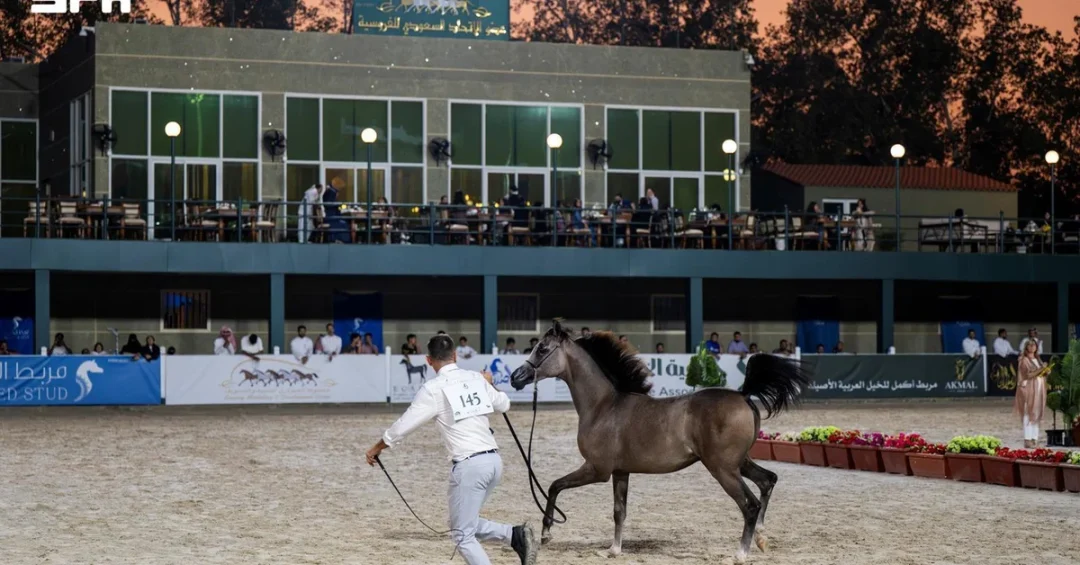
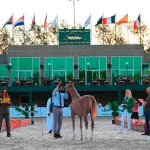
The 17th Makkah International Arabian Horse Festival is continuing in Jeddah, organized by Sawary Farms over three days, with the participation of elite purebred Arabian horses from across the region. The event, reported by the Saudi Press Agency, has attracted considerable interest from equestrian enthusiasts and members of the public, combining sporting competition with a vibrant showcase of the beauty and cultural heritage of the Arabian horse. Have you ever wondered why this ancient breed continues to captivate hearts in the Kingdom and beyond?
The festival, which opened in Jeddah, features competitions for fillies, mares, colts, and stallions, highlighting the distinctive beauty and harmonious conformation of purebred Arabian horses. Participating horses are evaluated according to specialized criteria, including the proportions of the head and neck, body structure, elegance of movement, balanced conformation, and other characteristics that distinguish this historic breed. The event is not merely a competition; it is a celebration of a living heritage that has been intertwined with Saudi identity for centuries. As the championship unfolds, it draws families, children, and equestrian experts alike, all eager to witness the grace and power of these magnificent animals.
Context and Background
Why does the Arabian horse hold such a revered place in Saudi culture and history? The purebred Arabian horse, known for its endurance, intelligence, and beauty, has been a cornerstone of Bedouin life and a symbol of prestige and honor in the Arabian Peninsula for millennia. The breed’s lineage is meticulously documented, and its influence on global horse breeding is undeniable. The Makkah International Arabian Horse Festival, now in its 17th edition, was established to preserve and promote this heritage, providing a platform for breeders and enthusiasts to showcase the finest specimens. Organized by Sawary Farms, a prominent name in equestrian circles, the festival reflects the Kingdom’s commitment to maintaining its cultural legacy while embracing modern sporting standards.
The event is held under the patronage of relevant Saudi authorities, underscoring the government’s support for equestrian sports and heritage preservation. Over three days, the festival transforms Jeddah into a hub of equine excellence, attracting participants and visitors from various segments of society. The involvement of families and children is particularly notable, as it signals a growing public interest in equestrian sports and a desire among the younger generation to learn about the historical and cultural significance of purebred Arabian horses. This intergenerational engagement is vital for ensuring that this heritage continues to thrive in the modern era.
Moreover, the festival aligns with broader efforts in Saudi Arabia to diversify entertainment and sporting options, in line with Vision 2030. By hosting international-caliber events, the Kingdom not only celebrates its past but also positions itself as a destination for world-class equestrian competitions. The Makkah International Arabian Horse Festival thus serves as a bridge between tradition and modernity, offering a unique experience that resonates with both local and international audiences.
Key Details of the Championship
What makes the judging of purebred Arabian horses so intricate and fascinating? The competition classes are divided by age and gender, with separate categories for fillies, mares, colts, and stallions. Each horse is assessed by a panel of expert judges who evaluate them against a strict set of criteria. These include the proportions of the head and neck, which should be refined and elegant; the body structure, which must be balanced and muscular; the elegance of movement, which should be fluid and graceful; and overall conformation, which reflects the breed’s distinctive characteristics. The fillies, in particular, have attracted significant attention from visitors due to their graceful conformation, young age, and distinctive Arabian features. Their presence highlights the future of the breed and the careful breeding programs that sustain it.
The festival also provides breeders and enthusiasts with an invaluable opportunity to showcase their breeding quality and assess the standards of participating horses. For many, it is a chance to network, share knowledge, and gain recognition for their efforts in preserving the purity of the Arabian breed. The event is not just about winning titles; it is about advancing the breed and ensuring its continued excellence. Visitors can observe the horses up close, learn about their lineage, and appreciate the meticulous care that goes into their upbringing. This educational aspect is a key component of the festival, fostering a deeper understanding and appreciation of the Arabian horse among the public.
In addition to the competitions, the festival atmosphere is lively and engaging, with various activities and displays that celebrate equestrian culture. Families and children can enjoy watching the horses, admiring their beauty and movements, and participating in interactive experiences. This reflects the growing public interest in equestrian sports and the younger generation’s enthusiasm for learning about purebred Arabian horses and their historical and cultural significance. The festival thus serves as a platform for community engagement and cultural education, bringing people together around a shared passion.
International and Regional Impact
How does an event like the Makkah International Arabian Horse Festival elevate Saudi Arabia’s standing on the global equestrian stage? The festival attracts participants and visitors from across the region and beyond, enhancing the Kingdom’s reputation as a premier destination for equestrian excellence. By adhering to international standards and showcasing top-quality horses, the event demonstrates Saudi Arabia’s capability to host world-class competitions. This, in turn, attracts foreign breeders, investors, and enthusiasts, fostering international collaboration and exchange. The presence of elite purebred Arabian horses from various countries underscores the global significance of the breed and the festival’s role in its promotion.
Regionally, the festival strengthens ties among Gulf Cooperation Council (GCC) countries and other Arab nations, as breeders and equestrian federations come together to celebrate a shared heritage. The Arabian horse is a unifying symbol across the Arab world, and events like this reinforce cultural bonds and mutual appreciation. Furthermore, the festival contributes to the local economy by boosting tourism, hospitality, and related sectors. Visitors from outside Jeddah and Saudi Arabia generate demand for hotels, restaurants, and transportation, creating economic opportunities for the community. The media coverage, including from the Saudi Press Agency, amplifies the event’s reach, promoting Saudi Arabia’s cultural and sporting achievements to a global audience.
Economic and Strategic Significance
What economic and strategic benefits does the festival bring to Saudi Arabia, particularly in the context of Vision 2030? The equestrian sector is a growing niche within the Kingdom’s broader economic diversification strategy. By supporting events like the Makkah International Arabian Horse Festival, Saudi Arabia invests in a sector that has the potential to generate revenue through breeding, training, and tourism. The festival itself stimulates local spending and creates temporary jobs, while also highlighting opportunities for investment in equine facilities and services. As the Kingdom seeks to reduce its dependence on oil, such cultural and sporting events play a role in building a vibrant, diversified economy.
Strategically, the festival reinforces Saudi Arabia’s soft power and cultural diplomacy. It presents the Kingdom as a custodian of Arabian heritage and a modern, forward-looking nation that values its traditions. This narrative aligns with Vision 2030’s goals of enhancing quality of life, promoting cultural activities, and attracting international visitors. The event also encourages youth participation in equestrian sports, fostering a healthy lifestyle and a sense of national pride. By investing in heritage sports, Saudi Arabia ensures that its cultural legacy remains relevant and dynamic, contributing to social cohesion and national identity.
Vision 2030 Alignment
How does the Makkah International Arabian Horse Festival embody the aspirations of Saudi Vision 2030? Vision 2030, the Kingdom’s ambitious blueprint for economic and social transformation, emphasizes the preservation of cultural heritage alongside the development of new economic sectors. The festival directly supports these objectives by celebrating the Arabian horse, a symbol of Saudi identity, while also contributing to the growth of tourism and entertainment. It aligns with the Quality of Life Program, which aims to enhance the lives of citizens and residents by providing diverse cultural and recreational opportunities. The event also promotes the National Transformation Program by fostering economic diversification and creating opportunities in the equestrian industry.
As the festival continues to grow in prestige and participation, it serves as a testament to Saudi Arabia’s commitment to its heritage and its future. The Kingdom’s leadership has consistently supported initiatives that bridge the past and the present, and the Makkah International Arabian Horse Festival is a shining example of this vision. By nurturing the bond between the people and their cultural roots, Saudi Arabia builds a strong, cohesive society that is proud of its history and confident in its future. The festival is not just a competition; it is a celebration of national identity and a step forward on the path to achieving Vision 2030’s goals.
20 Questions
Q1. What is the 17th Makkah International Arabian Horse Festival?
A1. It is an annual event organized by Sawary Farms in Jeddah, showcasing elite purebred Arabian horses over three days. The festival combines competition, heritage celebration, and public engagement, as reported by the Saudi Press Agency.
Q2. Where is the festival taking place?
A2. The festival is being held in Jeddah, Saudi Arabia. The city has become a hub for equestrian activities, attracting visitors from across the Kingdom and beyond to witness the beauty of Arabian horses.
Q3. Who is organizing the festival?
A3. Sawary Farms is the organizer of the 17th Makkah International Arabian Horse Festival. This prominent equestrian entity is dedicated to promoting purebred Arabian horses and preserving Saudi heritage.
Q4. How long does the festival last?
A4. The festival runs over three days, offering ample time for competitions, exhibitions, and public viewing. This duration allows for thorough judging and a rich experience for attendees.
Q5. What types of horses are participating?
A5. The festival features fillies, mares, colts, and stallions. These categories ensure that horses of different ages and genders are evaluated fairly according to breed standards.
Q6. What criteria are used to judge the horses?
A6. Judges evaluate proportions of the head and neck, body structure, elegance of movement, balanced conformation, and other breed-specific traits. These criteria highlight the distinctive beauty of purebred Arabian horses.
Q7. Why have fillies attracted particular attention?
A7. Fillies are noted for their graceful conformation, young age, and distinctive Arabian features. Their presence symbolizes the future of the breed and draws admiration from visitors.
Q8. Who attends the festival?
A8. The festival draws equestrian enthusiasts, breeders, families, and children. This broad attendance reflects growing public interest in equestrian sports and cultural heritage.
Q9. What is the significance of the Arabian horse in Saudi culture?
A9. The Arabian horse is an integral part of Saudi heritage, symbolizing endurance, beauty, and prestige. It has been central to Bedouin life and continues to be celebrated today.
Q10. How does the festival promote equestrian sports?
A10. By providing a competitive platform and public showcase, the festival encourages participation and interest in equestrian sports, especially among the youth, and highlights the breed’s excellence.
Q11. Does the festival have international participation?
A11. While specific international participants are not detailed, the festival’s reputation attracts regional and global attention, enhancing Saudi Arabia’s standing in the equestrian world.
Q12. What economic benefits does the festival bring?
A12. The festival boosts local tourism, hospitality, and related sectors. It also supports the equine industry, creating opportunities for investment and job creation in line with Vision 2030.
Q13. How does the festival align with Vision 2030?
A13. It supports cultural preservation, tourism growth, and economic diversification, key pillars of Vision 2030. It also enhances quality of life by offering cultural and sporting events.
Q14. What role does the Saudi Press Agency play?
A14. The Saudi Press Agency (SPA) provides official coverage of the festival, ensuring accurate and timely information is disseminated to the public and media outlets.
Q15. Are there activities for children at the festival?
A15. Yes, children can watch the horses, admire their movements, and learn about Arabian horse heritage. This fosters a connection between the younger generation and Saudi traditions.
Q16. How are the horses prepared for the competition?
A16. Horses undergo rigorous training, grooming, and conditioning to meet the high standards of the competition. Breeders and handlers ensure they are in peak condition.
Q17. What makes purebred Arabian horses unique?
A17. They are known for their refined head, high tail carriage, endurance, and intelligence. Their harmonious conformation and elegance set them apart from other breeds.
Q18. Can visitors purchase horses at the festival?
A18. While the festival is primarily a competition, it serves as a networking platform where breeders may discuss potential sales or breeding arrangements, though official transactions are not the focus.
Q19. How does the festival preserve Saudi heritage?
A19. By celebrating the Arabian horse, the festival keeps a vital cultural symbol alive. It educates the public and encourages the continuation of traditional breeding practices.
Q20. What is the future outlook for the festival?
A20. With growing interest and support, the festival is expected to expand, attracting more participants and visitors, and further cementing Saudi Arabia’s role as a leader in equestrian heritage.
Reader Feedback
We value your thoughts. Please share your feedback on this article.
Your feedback helps us improve our coverage.
Related articles
 Saudi-Pakistani Visual Arts Exhibition “Wahid” Opens in Jeddah
 Traditional Wooden Cooling Tray: Icon of Saudi Generosity
 Hali Stone Circles in Al-Qunfudhah Offer a Window into History
 Saudi Arabia Unveils 125,000-Year-Old Human Activity at Mundafan Palaeolake
 17th Makkah Arabian Horse Festival Kicks Off in Jeddah
 MWL Launches Andalusian Heritage Revival Event