


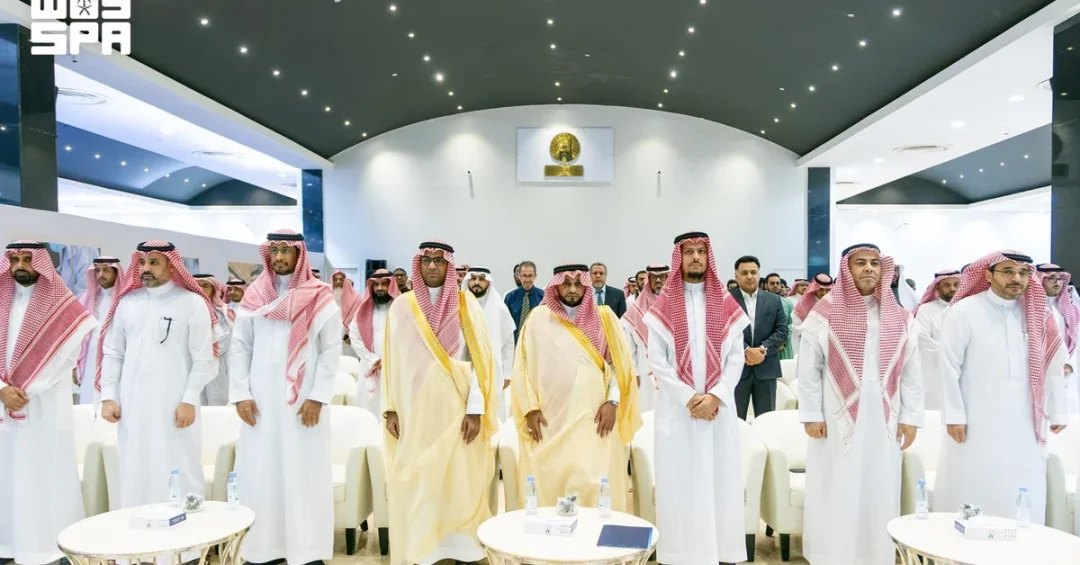
The Islamic University in Madinah launched its Scientific Research Week on November 15, 2026, under the theme “Scientific Impact and Global Ranking,” bringing together researchers, academics, and students for a five-day program of exhibitions, workshops, and lectures. The event, organized by the university and reported by the Saudi Press Agency (SPA), underscores Saudi Arabia’s growing commitment to advancing scientific research and innovation as part of its long-term development strategy. The opening ceremony, held at the university’s main campus, drew participation from faculty members, research centers, and representatives from various academic institutions across the Kingdom.
The week-long initiative aims to showcase the university’s key research achievements, encourage publication in peer-reviewed journals, and promote participation in funded research projects. It also seeks to align the university’s research priorities with national strategic goals, particularly those outlined in Saudi Vision 2030. By focusing on scientific impact and global ranking, the event reflects a broader national push to elevate Saudi universities in international research standings. The exhibition accompanying the event features displays from multiple research groups, highlighting projects in fields ranging from Islamic studies and Arabic language to engineering, medicine, and technology. Training workshops and academic gatherings are designed to equip researchers with skills in grant writing, research methodology, and international collaboration.
Context and Background
Why has scientific research become such a central pillar of Saudi Arabia’s national development agenda? The Islamic University, established in 1961, has long been a leading institution for Islamic studies and Arabic language, attracting students from around the world. In recent years, however, it has expanded its focus to include broader scientific disciplines, reflecting the Kingdom’s drive to diversify its economy and knowledge base. The launch of Scientific Research Week is part of a wider effort by Saudi universities to strengthen their research ecosystems and improve their positions in global rankings such as QS and Times Higher Education.
This initiative aligns with the National Transformation Program and the Human Capability Development Program, both key components of Vision 2030. These programs aim to boost research output, increase the number of Saudi researchers, and foster a culture of innovation. The university’s research strategy emphasizes interdisciplinary collaboration, with a particular focus on areas that address national priorities such as sustainable development, health, and technology. By organizing this week, the university is not only celebrating past achievements but also setting the stage for future breakthroughs. The event also serves as a platform for young researchers to engage with established scholars, potentially sparking new ideas and partnerships.
Furthermore, the timing of the event is significant. It comes as Saudi Arabia intensifies its efforts to transition to a knowledge-based economy, reducing reliance on oil revenues. Universities are seen as engines of this transformation, producing skilled graduates and generating research that can be commercialized. The Islamic University’s initiative is thus part of a national movement, with other institutions like King Saud University and King Abdulaziz University also ramping up their research activities. The week’s theme, “Scientific Impact and Global Ranking,” directly addresses the need for Saudi academia to compete on the world stage, attracting international talent and partnerships.
Key Details and Program Highlights
What exactly does the five-day program entail, and how will it benefit participants? The event features a comprehensive agenda, including an exhibition, training workshops, lectures, academic gatherings, and research initiatives. The exhibition showcases the university’s research output, with displays from various faculties and research centers. Visitors can learn about ongoing projects, from the development of new educational technologies to studies on Islamic heritage and environmental sustainability. The workshops are designed to enhance researchers’ skills in areas such as research design, data analysis, and publishing in high-impact journals. These sessions are led by experts from within the university and invited guests from other Saudi institutions.
Lectures and academic gatherings provide a forum for discussing the future of scientific research at the university and beyond. Topics include the role of research in achieving Vision 2030, strategies for increasing global ranking, and the importance of interdisciplinary collaboration. The university also uses the event to announce new research initiatives and funding opportunities. For instance, there are sessions on how to apply for grants from national research funding bodies like the King Abdulaziz City for Science and Technology (KACST) and the Saudi National Science, Technology and Innovation Plan. By encouraging participation in funded projects, the university aims to boost its research output and impact.
Additionally, the event includes dedicated sessions for graduate students and early-career researchers. These sessions focus on career development, networking, and mentorship. The university’s leadership has emphasized that investing in young researchers is crucial for sustaining a vibrant research culture. The week also features poster presentations, where students can present their work and receive feedback. This hands-on approach helps to build confidence and skills, preparing the next generation of Saudi scientists and scholars. Overall, the program is structured to be both informative and participatory, ensuring that attendees leave with actionable insights.
International and Regional Impact
How does an event like this contribute to Saudi Arabia’s standing in the global research community? By hosting Scientific Research Week, the Islamic University signals its commitment to international standards of research excellence. The theme “Scientific Impact and Global Ranking” directly addresses the metrics used by global ranking systems, such as citation counts, international collaborations, and research income. Improving these metrics can attract international students, faculty, and partnerships. For a university with a strong focus on Islamic studies, this also means promoting research that bridges traditional disciplines with modern scientific approaches, potentially leading to unique contributions in fields like digital humanities and intercultural studies.
Regionally, the event reinforces Saudi Arabia’s role as a leader in higher education and research within the Middle East. Other Gulf countries are also investing heavily in research, and Saudi universities are keen to maintain a competitive edge. The Islamic University’s efforts complement national initiatives to make the Kingdom a hub for innovation. International attendees, including scholars from other Muslim-majority countries, can benefit from the exchange of ideas and best practices. This cross-border collaboration is essential for addressing shared challenges, such as water scarcity, renewable energy, and public health. By fostering such links, the university contributes to Saudi Arabia’s soft power and its image as a forward-looking nation.
Economic and Strategic Significance
Why should the broader public care about scientific research at a university like the Islamic University? The economic implications are significant. Research and development (R&D) is a key driver of economic growth and diversification. By encouraging research in areas like technology, health, and renewable energy, the university helps to create a pipeline of innovations that can be commercialized, leading to new industries and jobs. This aligns with Vision 2030’s goal of increasing the private sector’s contribution to GDP and reducing unemployment. Moreover, a strong research base attracts foreign investment and partnerships with multinational companies, further integrating Saudi Arabia into the global knowledge economy.
Strategically, the event supports the Kingdom’s efforts to build a knowledge-based society. The university’s focus on global ranking is not merely about prestige; it is about ensuring that Saudi research is recognized and utilized worldwide. Higher rankings can lead to more international collaborations, access to global funding, and the ability to attract top talent. For a country that is rapidly transforming, these factors are critical. The Islamic University’s initiative also complements other national projects, such as NEOM and the Red Sea Project, which rely on cutting-edge research and innovation. By nurturing a robust research ecosystem, the university contributes to the overall resilience and competitiveness of the Saudi economy.
Vision 2030 Alignment
How does Scientific Research Week at the Islamic University fit into the larger picture of Saudi Vision 2030? Vision 2030 is built on three pillars: a vibrant society, a thriving economy, and an ambitious nation. Each of these pillars depends on education, innovation, and research. The Human Capability Development Program, a key Vision 2030 realization program, aims to equip citizens with the skills needed for the future. By promoting research and academic excellence, the Islamic University directly supports this goal. The event’s emphasis on training, funding, and global ranking helps to build a culture of inquiry and continuous learning, which is essential for a knowledge-based economy.
Furthermore, the university’s efforts to showcase its research achievements and encourage participation in funded projects align with the Vision’s objective of increasing non-oil revenue and fostering a diversified economy. As Saudi Arabia moves forward, universities will play an increasingly vital role in generating ideas and solutions that address national challenges. The Islamic University’s Scientific Research Week is a clear example of how academic institutions are actively contributing to the Kingdom’s transformation. By investing in research and innovation, Saudi Arabia is not only securing its economic future but also enhancing its global influence and reputation as a center of excellence.
20 Questions
Q1. What is the theme of Scientific Research Week at the Islamic University?
A1. The theme is “Scientific Impact and Global Ranking,” focusing on enhancing the university’s research output and international standing.
Q2. How long does the event last?
A2. The event is a five-day program, running from November 15, 2026, and includes various activities.
Q3. Who organized Scientific Research Week?
A3. It is organized by the Islamic University in Madinah, a leading institution for Islamic studies and modern sciences.
Q4. What activities are included in the program?
A4. The program features an exhibition, training workshops, lectures, academic gatherings, and research initiatives for participants.
Q5. What is the main goal of the event?
A5. The event aims to showcase research achievements, encourage publication, and align research with national strategic goals.
Q6. Where is the Islamic University located?
A6. The Islamic University is located in Madinah, Saudi Arabia, and is a prominent center for higher education.
Q7. How does the event support Vision 2030?
A7. It supports Vision 2030 by promoting research, innovation, and a knowledge-based economy through academic excellence and global engagement.
Q8. What is the significance of the theme “Scientific Impact and Global Ranking”?
A8. The theme highlights the importance of measurable research impact and international recognition for Saudi universities.
Q9. Who can participate in the event?
A9. Researchers, academics, students, and faculty members from the Islamic University and other institutions can participate.
Q10. Are there opportunities for funding announced during the week?
A10. Yes, sessions on funding opportunities from national research bodies like KACST are included to support research projects.
Q11. How does the event encourage young researchers?
A11. It offers dedicated sessions, mentorship, and poster presentations to help early-career researchers develop their skills and networks.
Q12. What role does the Saudi Press Agency play in reporting the event?
A12. SPA provides official coverage, ensuring accurate and timely information about the event to the public and media.
Q13. What types of research are highlighted at the exhibition?
A13. Research from various fields, including Islamic studies, engineering, medicine, and technology, is showcased to demonstrate diversity.
Q14. How does the event contribute to Saudi Arabia’s global image?
A14. It showcases the Kingdom’s commitment to research excellence, enhancing its reputation as a hub for innovation and knowledge.
Q15. What is the expected outcome of the week?
A15. The week aims to increase research collaboration, boost publication rates, and improve the university’s global ranking metrics.
Q16. Is the event open to international participants?
A16. Yes, international scholars and researchers are welcome to attend, fostering global academic exchange and partnerships.
Q17. How does the university measure research impact?
A17. Through metrics such as citations, publications in high-impact journals, and international collaborations, aligning with global standards.
Q18. What are the strategic goals of the Islamic University’s research?
A18. The goals include addressing national priorities, enhancing global ranking, and contributing to Vision 2030’s knowledge economy objectives.
Q19. How does the event promote interdisciplinary research?
A19. By bringing together experts from different fields, the event encourages collaborative projects that span traditional and modern disciplines.
Q20. What message does the event send to the global community?
A20. It signals Saudi Arabia’s determination to be a leader in research and innovation, contributing to global knowledge and sustainable development.
Reader Feedback
We value your thoughts. Please share your feedback on this article.
Your feedback helps us improve our coverage.
Related articles
 KSrelief Delivers Clean Water to Displaced Families in Taiz
 KSrelief Distributes 348 Food Baskets in Gaza Strip
 KSrelief Distributes Shelter Aid to Displaced Families in Yemen’s Lahj
 Coalition Intercepts UAV in Madinah Region
 Eastern Region Municipality Launches Second-Season Afforestation Campaign in Abqaiq
 UNICEF Urges Aid Access to Save Gaza’s Children