


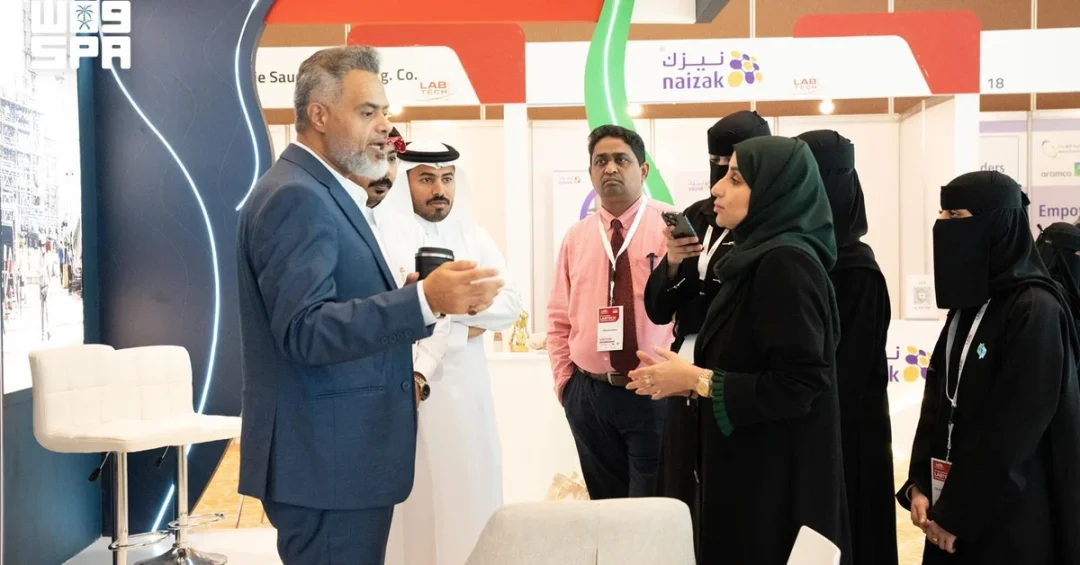
The Jazan Industrial Chemistry Society, the first and only scientific body of its kind in the region, has expanded its programs to more than 18 training courses and initiatives since its founding in August 2021, benefiting over 5,000 individuals across chemistry, energy, and laboratory technologies, according to the Saudi Press Agency (SPA). The society’s work, reported on November 17, 2026, underscores a growing emphasis on applied sciences that directly support industrial development and national talent in the Kingdom of Saudi Arabia. Could this model of linking academic knowledge with real-world industrial needs be a blueprint for other regions?
Based in Jazan, a region increasingly recognized for its industrial and economic potential, the society has emerged as a key player in bridging the gap between academic research and practical application. Its initiatives include a 30-day intensive program on occupational safety, chemical handling, and hazardous materials management, which alone reached over 100 beneficiaries. These efforts reflect a broader national push to cultivate a skilled workforce capable of driving innovation and efficiency in key sectors. As Saudi Arabia continues its ambitious transformation under Vision 2030, the role of specialized scientific societies like this one becomes ever more critical. How can such grassroots scientific efforts amplify the Kingdom’s global competitiveness?
Context and Background
Specialized scientific societies play an important role in supporting research, disseminating knowledge, and building national capabilities by linking academic outputs to development needs. The Jazan Industrial Chemistry Society was established in August 2021 as the first and only organization of its kind in the region, dedicated to advancing applied sciences in chemistry, energy, and laboratory technologies. Since then, it has grown steadily, launching more than 18 programs and training courses that have benefited over 5,000 people. This growth mirrors Saudi Arabia’s broader investment in human capital and scientific infrastructure, which are pillars of the Vision 2030 reform agenda. What does it take for a regional scientific society to achieve such scale and impact in just a few years?
The society’s formation was driven by a recognition that academic knowledge must be translated into industrial applications to fuel economic diversification. Jazan, with its strategic location and expanding industrial base, provides a fertile ground for such synergy. The society’s programs are designed to address local and national needs, from enhancing manufacturing efficiency to improving occupational safety standards. By focusing on applied sciences, it complements the Kingdom’s efforts to reduce reliance on oil and build a knowledge-based economy. In a world where scientific advancement is a key driver of progress, how can Saudi Arabia ensure that its regional societies remain at the forefront of innovation?
Dr. Majed Al-Mashnawi, Chairman of the Society’s Board, emphasized that the true value of scientific progress lies in turning research results into practical solutions that raise manufacturing efficiency and improve output quality. This philosophy aligns with the society’s hands-on approach, which includes workshops on chemical handling and hazardous materials management. Such training not only enhances safety but also boosts productivity and compliance with international standards. As the Kingdom seeks to attract foreign investment and diversify its industrial sector, the availability of skilled professionals trained in these areas becomes a competitive advantage. Can the Jazan model inspire similar initiatives in other regions of Saudi Arabia and beyond?
Key Details
Since its inception, the Jazan Industrial Chemistry Society has conducted more than 18 programs and training courses, reaching over 5,000 beneficiaries. These initiatives span a range of topics, including occupational safety standards, chemical handling, and hazardous materials management. One notable program ran for 30 days and alone benefited over 100 participants through intensive workshops. The society’s focus on applied sciences ensures that participants gain practical skills that are immediately relevant to their workplaces, whether in industrial chemistry, energy production, or laboratory technology. This approach not only enhances individual capabilities but also strengthens the overall industrial ecosystem in the region. How do such targeted programs contribute to raising the quality and safety standards of Saudi industries?
The society’s curriculum is developed in collaboration with industry experts and academic institutions, ensuring alignment with current market demands. For example, the occupational safety workshops cover international best practices, helping companies comply with global standards and reduce workplace incidents. The chemical handling courses emphasize safe storage, transportation, and disposal of hazardous materials, which is crucial for protecting both workers and the environment. By addressing these critical areas, the society helps mitigate risks and improve operational efficiency. In an era where industrial accidents can have far-reaching consequences, what role do specialized training programs play in safeguarding communities and the environment?
Furthermore, the society has become a hub for knowledge exchange, hosting seminars and networking events that bring together professionals, researchers, and students. These gatherings facilitate the sharing of ideas and best practices, fostering a culture of continuous learning and innovation. The society also collaborates with local universities and technical colleges to provide internships and research opportunities, thereby nurturing the next generation of scientists and engineers. Such partnerships are essential for building a sustainable pipeline of talent. How can such collaborative efforts be expanded to reach even more aspiring professionals in remote areas?
International and Regional Impact
The Jazan Industrial Chemistry Society’s work has implications that extend beyond Saudi Arabia’s borders. By promoting applied sciences and safety standards, it contributes to the Kingdom’s reputation as a reliable and responsible industrial player. International companies looking to invest in Saudi Arabia often prioritize regions with a skilled workforce and robust safety culture. The society’s training programs help create exactly that environment, making Jazan and the wider Kingdom more attractive to foreign investors. Moreover, the society’s emphasis on chemistry and energy aligns with global trends toward sustainable practices and green technologies. Could this make Saudi Arabia a hub for exporting expertise in these fields to other countries?
Regionally, the society serves as a model for neighboring countries seeking to enhance their own scientific and industrial capabilities. The Middle East and North Africa region is home to many emerging economies that could benefit from similar initiatives. By sharing its experiences and best practices, the Jazan society can foster greater cooperation and knowledge transfer across the region. This soft power approach enhances Saudi Arabia’s leadership role and supports diplomatic efforts to promote stability and prosperity. In a region often characterized by geopolitical tensions, how can scientific collaboration serve as a bridge for peace and mutual development?
Economic and Strategic Significance
From an economic standpoint, the Jazan Industrial Chemistry Society’s activities directly support Saudi Arabia’s goals of economic diversification and industrial growth. The training programs help companies improve efficiency, reduce downtime, and minimize costly accidents. This, in turn, boosts productivity and profitability, contributing to the Kingdom’s gross domestic product. The society also plays a role in developing local content, as skilled Saudi professionals are better equipped to take on roles that might otherwise be filled by expatriates. This aligns with the Vision 2030 objective of increasing employment opportunities for Saudi citizens. How does investing in human capital yield long-term economic returns for the nation?
Strategically, the society’s focus on energy and laboratory technologies positions Saudi Arabia to capitalize on emerging opportunities in renewable energy, petrochemicals, and advanced manufacturing. As the world transitions to cleaner energy sources, the demand for expertise in these areas will only grow. By building a cadre of skilled chemists and technicians, the Kingdom can lead in developing innovative solutions and attract high-value industries. The society’s work also supports the localization of research and development, reducing dependence on foreign expertise. In the race toward a knowledge-based economy, what strategic advantages does a strong applied sciences sector provide?
Vision 2030 Alignment
The Jazan Industrial Chemistry Society’s mission is deeply intertwined with Saudi Vision 2030, which seeks to transform the Kingdom into a diversified, innovation-driven economy. One of the vision’s key pillars is human capital development, and the society’s training programs directly contribute by equipping thousands of individuals with market-relevant skills. By fostering applied sciences, the society also supports the vision’s aim to increase non-oil revenues and enhance industrial competitiveness. Moreover, the emphasis on safety and quality aligns with the vision’s commitment to sustainable development and improved quality of life. As Saudi Arabia marches toward its 2030 goals, how can entities like this society accelerate progress and ensure no one is left behind?
Looking ahead, the society plans to expand its reach and introduce new programs in areas such as green chemistry, digitalization of laboratory processes, and advanced materials. These initiatives will further cement its role as a catalyst for innovation and a source of national pride. By continuing to bridge academia and industry, the Jazan Industrial Chemistry Society exemplifies the collaborative spirit that Vision 2030 champions. Its success story is a testament to what can be achieved when scientific knowledge is harnessed for the greater good. In the journey toward a brighter future, what new heights can Saudi Arabia reach when its regions become engines of scientific excellence?
20 Questions
Q1. What is the Jazan Industrial Chemistry Society?
A1. The Jazan Industrial Chemistry Society is the first and only scientific society of its kind in the region, founded in August 2021 to advance applied sciences in chemistry, energy, and laboratory technologies through training and knowledge exchange.
Q2. How many people have benefited from its programs?
A2. Since its founding, the society’s more than 18 programs and training courses have benefited over 5,000 individuals, according to the Saudi Press Agency.
Q3. What types of training does the society offer?
A3. The society offers training in occupational safety standards, chemical handling, hazardous materials management, and other applied sciences topics relevant to industrial and laboratory settings.
Q4. Who is the chairman of the society’s board?
A4. Dr. Majed Al-Mashnawi serves as the Chairman of the Society’s Board. He has emphasized the importance of turning research into practical solutions.
Q5. Why is applied sciences important for Saudi Arabia?
A5. Applied sciences drive industrial innovation, improve efficiency, and support economic diversification, which are key goals of Saudi Vision 2030.
Q6. How does the society link academia and industry?
A6. The society collaborates with universities and industry experts to design programs that equip participants with practical skills directly applicable to industrial and laboratory environments.
Q7. What was the 30-day program mentioned in the report?
A7. It was an intensive program that ran for 30 days and reached over 100 beneficiaries through workshops on occupational safety, chemical handling, and hazardous materials management.
Q8. How does the society contribute to Vision 2030?
A8. By developing national talent in applied sciences, the society supports human capital development, economic diversification, and the creation of a knowledge-based economy, all central to Vision 2030.
Q9. What is the significance of the society being the first of its kind?
A9. As the first and only such society in the region, it fills a critical gap in specialized scientific training and serves as a model for other regions to emulate.
Q10. How does the society promote occupational safety?
A10. Through workshops and courses that teach international best practices in occupational safety, chemical handling, and hazardous materials management, helping reduce workplace incidents.
Q11. What impact has the society had on the local community?
A11. It has enhanced skills, improved safety standards, and created networking opportunities, contributing to the development of a skilled workforce in Jazan and beyond.
Q12. Does the society collaborate with international organizations?
A12. While specific international partnerships are not detailed, the society’s alignment with global best practices and standards facilitates potential collaboration and knowledge exchange.
Q13. How can other regions benefit from this model?
A13. Other regions can adopt similar specialized societies to bridge academic knowledge and industrial needs, fostering local talent and supporting economic development.
Q14. What future programs does the society plan?
A14. The society plans to expand into areas such as green chemistry, digitalization of laboratory processes, and advanced materials, according to its strategic vision.
Q15. How does the society support women in science?
A15. The society’s programs are open to all, and by promoting applied sciences, it encourages greater participation of women in chemistry and related fields, aligning with Vision 2030’s inclusivity goals.
Q16. What economic benefits does the society bring?
A16. It enhances workforce productivity, reduces accidents, and supports local content development, all of which contribute to economic growth and diversification.
Q17. How does the society measure its success?
A17. Success is measured by the number of beneficiaries, the expansion of programs, and the positive impact on industrial efficiency and safety standards.
Q18. What role does the Saudi Press Agency play in reporting this?
A18. The Saudi Press Agency (SPA) is the official news agency of Saudi Arabia, providing verified information about the society’s activities and achievements.
Q19. How does the society align with Saudi Arabia’s energy goals?
A19. By training professionals in energy-related chemistry and laboratory technologies, the society supports the Kingdom’s efforts to diversify energy sources and improve efficiency.
Q20. What makes the Jazan Industrial Chemistry Society unique?
A20. Its uniqueness lies in being the first and only regional society focused on applied industrial chemistry, combining academic rigor with practical training to build national talent.
Reader Feedback
We value your thoughts. Please share your feedback on this article.
Your feedback helps us improve our coverage.
Related articles
 Estidamah, King Faisal University Sign Agricultural Research MoU
 Islamic University of Madinah Records 1,964 Research Publications in 2026
 Leonid Meteor Shower to Peak Over Saudi Arabia Wednesday
 Saudi Arabia’s Eng. Alkahtani Re-Elected to ITU Radio Regulations Board
 Indian Jasmine Adds Fragrance and Color to Qassim’s Gardens
 Al-Baha University Concludes AI Hackathon